Some links on this Website are affiliate links, meaning we may earn a commission if you make a purchase, at no additional cost to you. Please read our full Affiliate Disclosure for more details.
If your Dracaena Marginata is drooping, you’re probably wondering what went wrong with a plant that’s known for being tough and low-maintenance. The Madagascar Dragon Tree is famous for its ability to handle neglect, but when its long, narrow leaves start to bend, soften, or fall over, it’s a clear signal that something in its environment needs attention.
The good news is that most causes of drooping are completely fixable once you understand what’s stressing your plant. In this guide, you’ll learn the six most common reasons why your Dracaena Marginata is drooping and what you can do to get those leaves standing tall again.
The Common Causes Why Dracaena Marginata Is Drooping
1. Overwatering
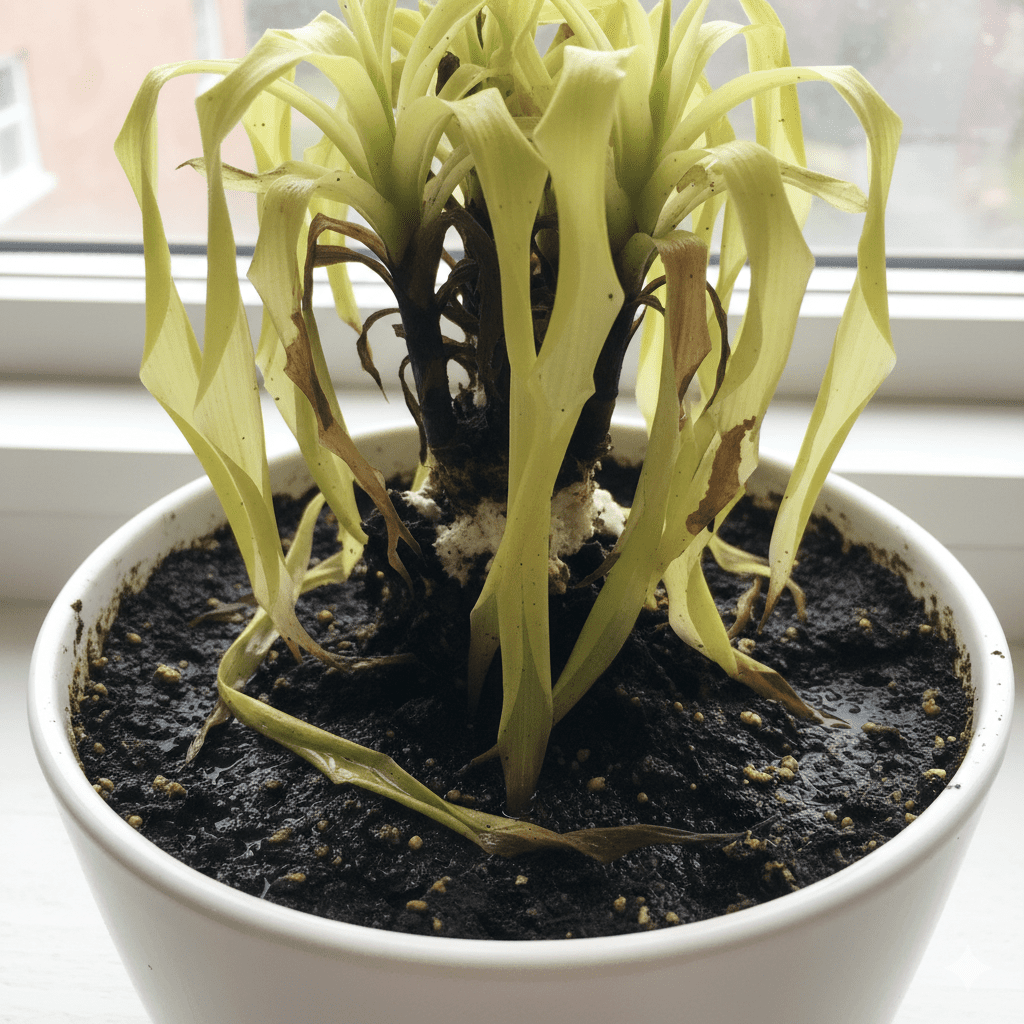
Overwatering is by far the leading cause of Dracaena Marginata drooping, and it happens more often than most plant owners realize. Dracaenas have sensitive roots that easily become waterlogged when the soil stays too wet. When the roots can’t get enough oxygen, they start to rot, and this root damage prevents the plant from absorbing water properly. The result is limp, soft, and droopy leaves that may also show signs of yellowing.
If the soil feels consistently wet, or if the pot lacks proper drainage, your plant might already be experiencing early stages of root rot. A healthy Dracaena likes moisture but never soggy soil. Allowing the potting mix to stay wet for too long suffocates the roots and weakens the entire plant structure.
To fix this, start by letting the soil dry out before watering again. Stick your finger into the soil about two inches deep, if it’s still moist, wait. If the soil smells unpleasant or the roots appear mushy when you inspect them, repot the plant in fresh, well-draining soil and a pot with drainage holes. Giving the roots space and air is the fastest way to reverse drooping caused by overwatering.
2. Underwatering
Although Dracaenas are more tolerant of dry conditions than wet ones, underwatering can still cause significant drooping. When the soil becomes too dry, the plant struggles to maintain adequate moisture pressure in its leaves. This causes the foliage to become thin, limp, and sometimes brittle. You might also notice brown, crispy tips, a classic sign of dehydration.
Underwatered Dracaenas tend to look dull or faded, and the stems may begin to lean as the plant conserves energy. While occasional dryness is fine, chronic underwatering stresses the plant and leads to droopy leaves that take time to recover even after watering resumes.
To resolve this, water your Dracaena thoroughly but avoid flooding it. The key is consistency. Water only when the top 2–3 inches of soil feel dry, and allow the excess water to drain completely. Over time, the plant will regain its firmness as the moisture evenly distributes throughout the soil.
How to Fix Wrinkling Snake Plant Leaves
How Many Lumens do Plants Need?
3. Low Light Levels
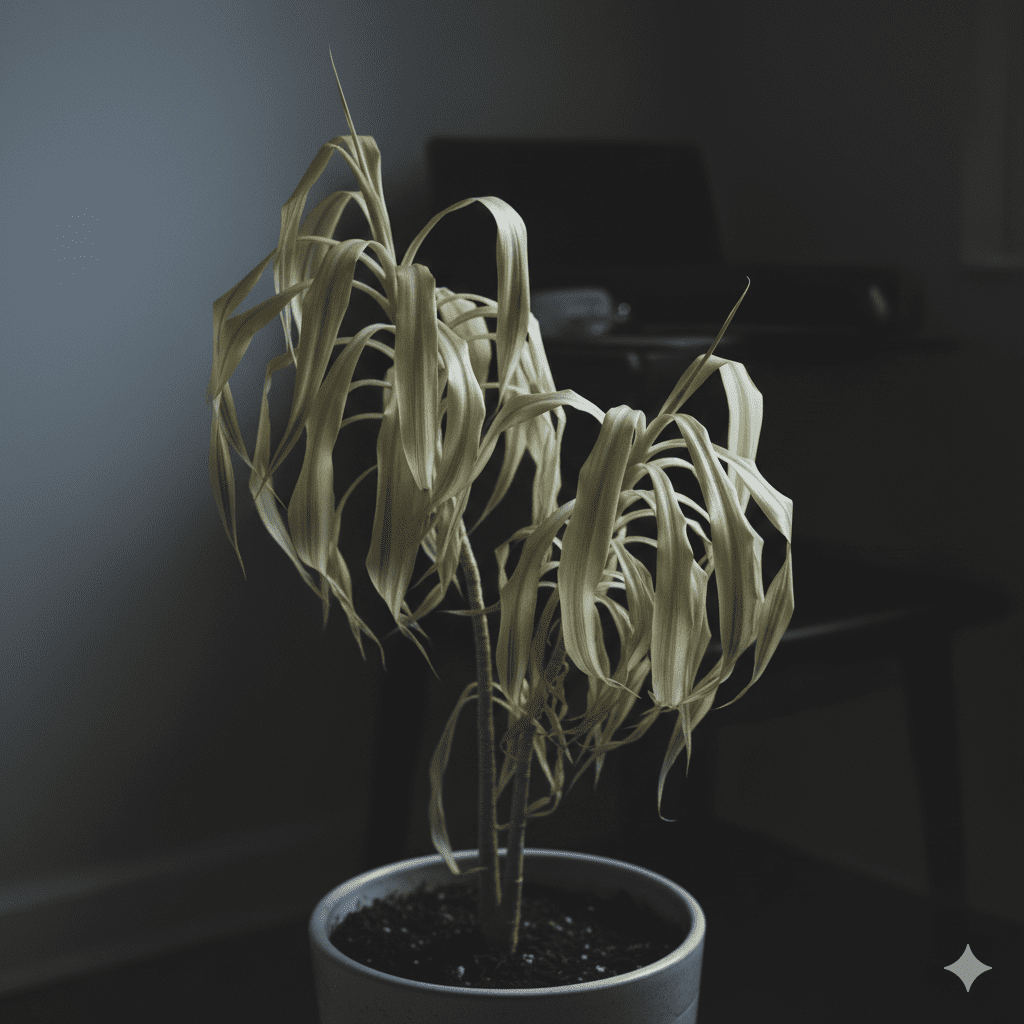
Light plays a major role in maintaining the upright posture of your Dracaena Marginata. While the plant can tolerate lower light environments, that doesn’t mean it thrives in them. In dim spaces, the plant instinctively reaches toward the nearest light source, a process called phototropism. This stretching weakens the stems and causes the leaves to droop.
In severe low-light conditions, the plant may become thin, leggy, or pale. The leaves will lose their stiffness, and the growth rate will slow significantly. Without enough light, the plant can’t produce the energy needed to support its long, narrow foliage.
Fixing this is simple: move your Dracaena to a brighter location. The best position is near a window with bright, indirect light. Avoid direct sun, especially harsh afternoon rays, as this can scorch the leaves. If natural light is limited, consider using a grow light for a few hours a day to help the plant regain strength.
Can Succulents Survive In An Air Conditioned Room?
4. Temperature Stress
Your Dracaena Marginata prefers stable temperatures and does not tolerate sudden shifts well. Exposure to cold drafts, air conditioners, or temperatures below 15°C (59°F) can cause immediate drooping. Cold air damages the leaf cells, making the foliage soft, collapsed, or curled. On the other hand, placing the plant near a heater or in a room with excessively dry, hot air can also lead to wilting and drooping.
Temperature stress often occurs when the plant is placed near windows or doors that frequently open, allowing cold air inside. It may also happen when the plant is placed too close to heating vents or appliances that emit heat.
To help your plant recover, relocate it to a stable spot where the temperature stays between 18°C and 27°C (65°F–80°F). Avoid sudden shifts and keep it away from drafts. Once the plant is in a stable environment, its leaves will gradually regain their strength.
5. Repotting Shock
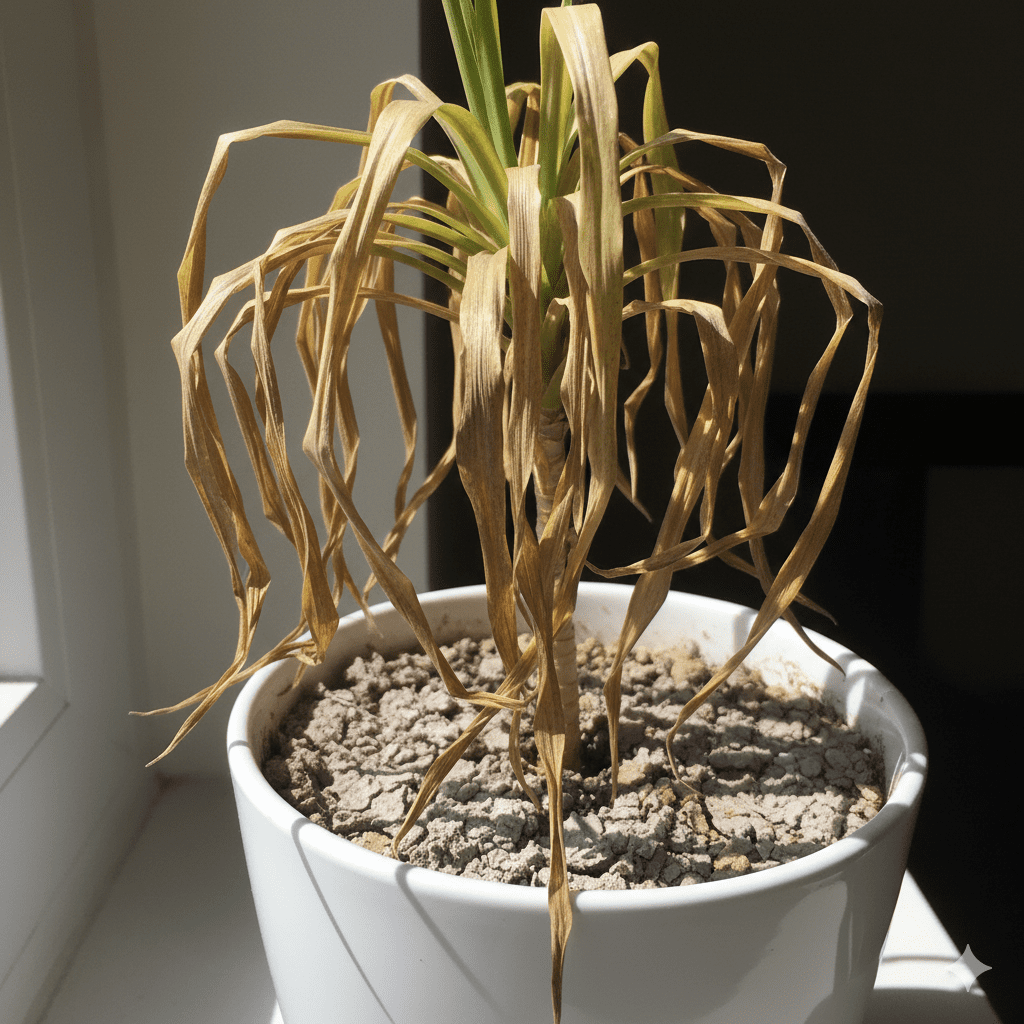
If your Dracaena Marginata is drooping after repotting, it’s likely experiencing repotting shock. This happens when the roots are disturbed or when the plant is moved into a pot that’s significantly larger than the previous one. A sudden change in soil type or moisture levels can also add stress.
During repotting, fine roots are often accidentally damaged. These small roots play an important role in water uptake, and when they are disturbed, the plant can temporarily lose its ability to hydrate itself properly. Drooping leaves are a common sign of this temporary stress.
To help your Dracaena recover, water it lightly after repotting and avoid fertilizing for a few weeks. Place it in bright, indirect light and keep the temperature stable. The plant will slowly adjust to its new environment and regain its upright form.
6. Pests and Diseases
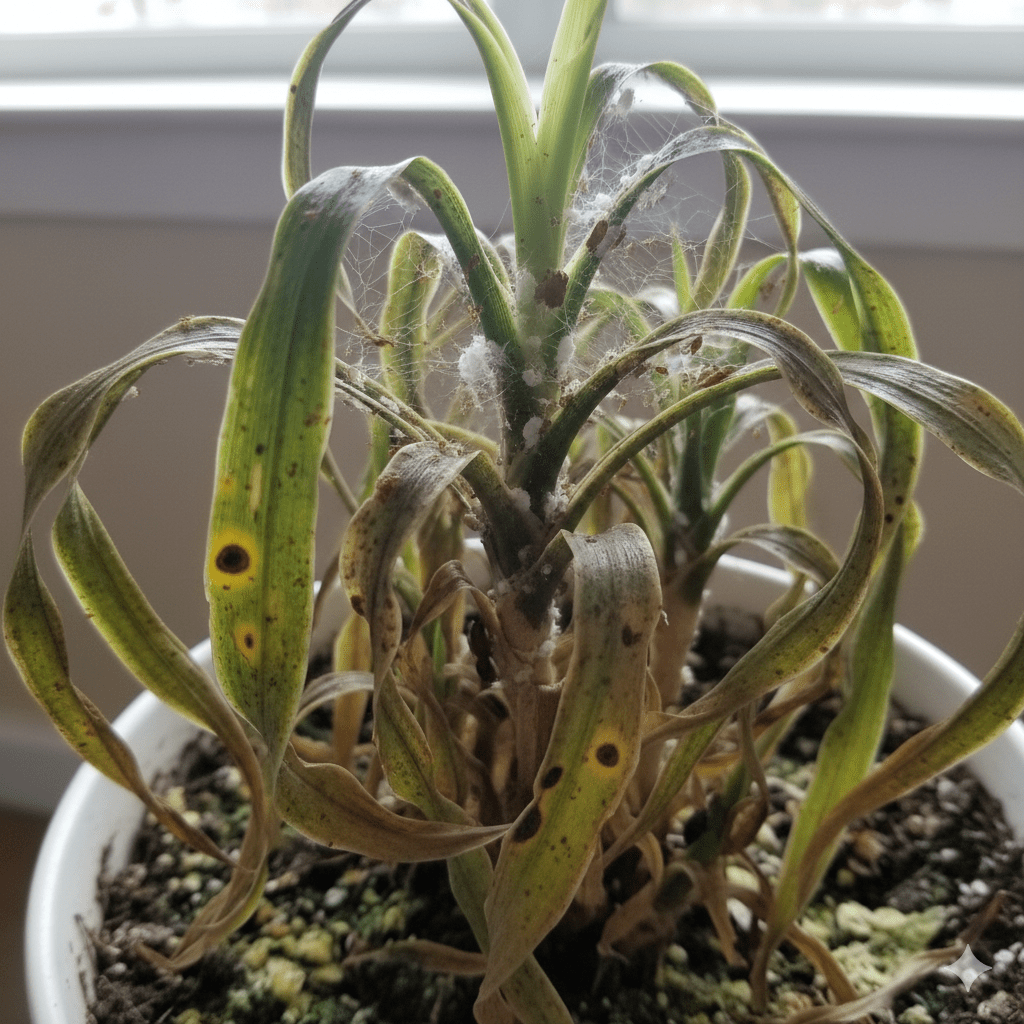
Although Dracaenas are generally hardy, they are not immune to pests. Insects like spider mites, mealybugs, and scale suck nutrients from the plant, causing the leaves to droop, wilt, or appear sticky. These pests weaken the plant over time, and the damage becomes visible through curling, yellowing, or drooping foliage.
Diseases like fungal infections caused by overwatering can also weaken the roots and stems. When the roots are compromised, the plant cannot support its leaves, leading to drooping and overall decline.
To address pests, inspect your plant closely for signs such as white cotton-like clusters, tiny webs, or small brown bumps. Treat infestations with neem oil or insecticidal soap, applying it weekly until the pests are gone. Improving airflow, reducing moisture, and cleaning the leaves regularly will help prevent future outbreaks.
How to Prevent Drooping in the Future
Preventing drooping is easier than fixing it. Once your plant is healthy again, focus on maintaining a balanced care routine. Pay attention to watering habits, provide adequate light, and keep the plant in a stable, draft-free location.
Clean the leaves occasionally to prevent pests and rotate the pot every few weeks to ensure even growth. These small steps will keep your Dracaena looking strong and upright all year round.
Why Are My Succulent Plant Leaves Falling Off?
FAQ
1. Why are my Dracaena Marginata leaves soft and drooping?
Soft, droopy leaves often indicate overwatering or early root rot. Let the soil dry out before watering and check for signs of soggy roots.
2. Can low light cause my Dracaena to droop?
Yes. Low light weakens the stems, causing the plant to lean and droop as it stretches toward the nearest light source.
3. How often should I water a Dracaena Marginata?
Generally, water every 1–2 weeks, depending on your home environment. Always wait until the top 2–3 inches of soil are dry.
4. Why is my Dracaena drooping after repotting?
Repotting can stress the roots, causing temporary drooping. The plant usually bounces back within a few weeks.
5. How do I revive a drooping Dracaena?
Improve lighting, adjust watering, stabilize temperature, and inspect for pests. With the right care, most plants recover quickly.