


Some links on this Website are affiliate links, meaning we may earn a commission if you make a purchase, at no additional cost to you. Please read our full Affiliate Disclosure for more details.
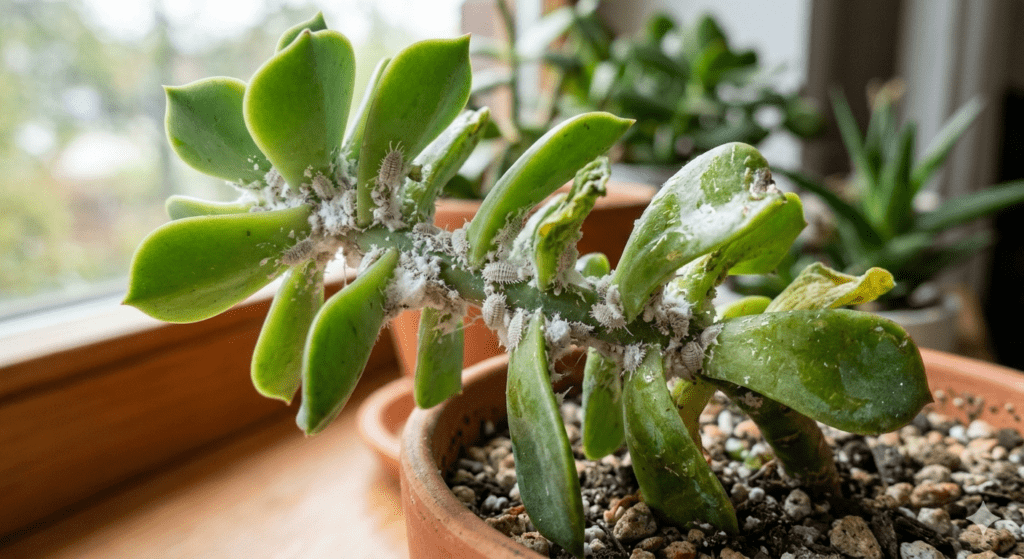
You notice a white, cottony fuzz on your favorite houseplant and your stomach sinks. Sound familiar? Those fluffy little clusters are mealybugs, and if you do not act quickly, they can take over your entire plant collection.
The good news is that knowing how to get rid of mealybugs is not complicated once you have the right approach. In this guide, we will walk you through 7 proven methods, from quick natural fixes to more heavy-duty solutions, so you can protect your plants and keep them thriving.
What Are Mealybugs and Why Are They a Problem?
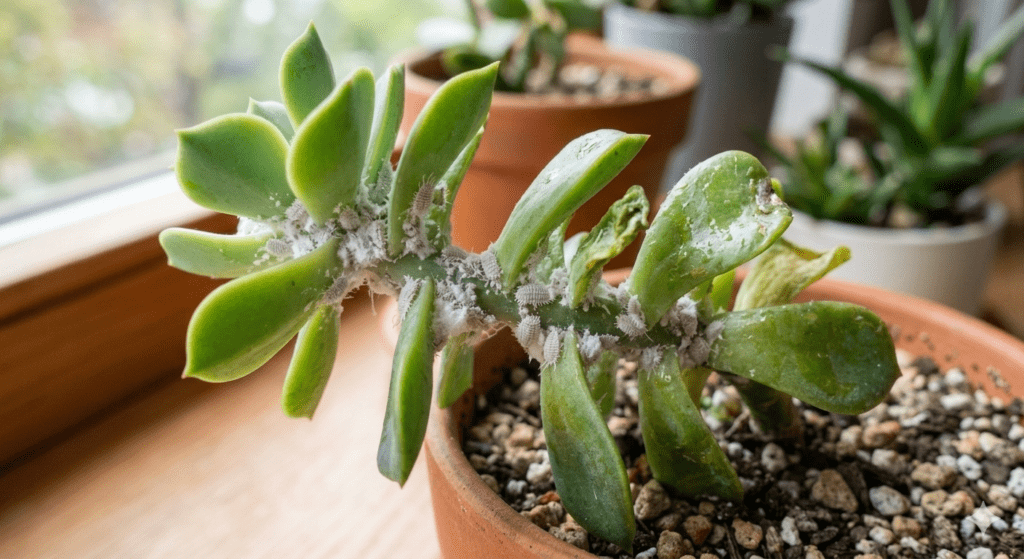
Mealybugs are tiny, soft-bodied insects covered in a white waxy coating that makes them look like little bits of cotton or powder. They feed by sucking the sap out of plants, which weakens the plant over time. Left untreated, a mealybug infestation causes yellowing leaves, stunted growth, and can eventually kill the plant entirely. They are especially common on houseplants, succulents, tropical plants, and greenhouse-grown specimens.
Mealybugs also produce a sticky substance called honeydew, which can attract ants and lead to sooty mold on your plant’s leaves. This is why treating a mealybug problem early makes such a big difference.
7 Ways to Get Rid of Mealybugs
1. Use Rubbing Alcohol
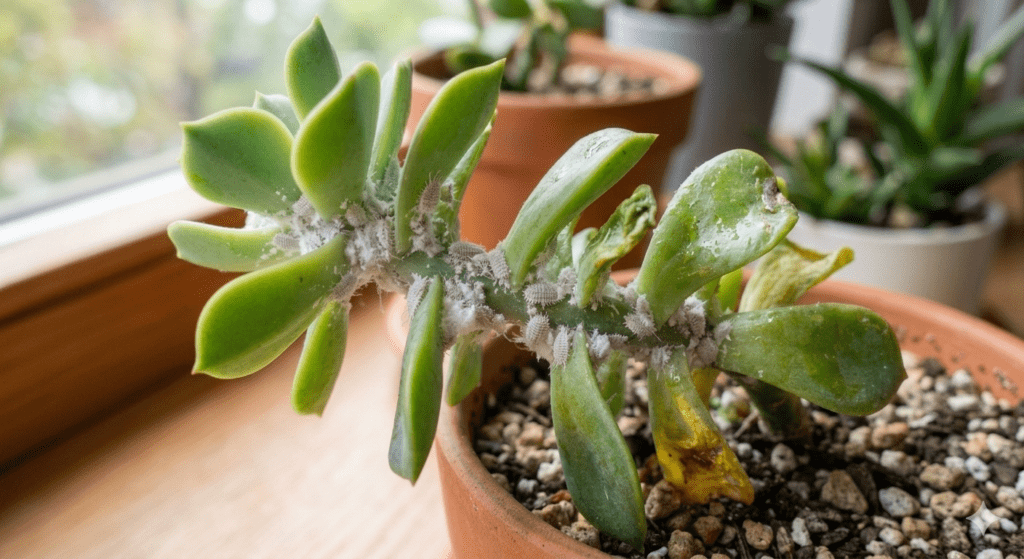
This is hands down one of the fastest and most effective treatments for mealybugs on indoor plants. Dip a cotton swab or cotton ball in 70% isopropyl rubbing alcohol and apply it directly to the mealybugs. The alcohol dissolves their waxy protective coating and kills them on contact.
For a broader application, mix one part rubbing alcohol with two parts water in a spray bottle and lightly mist the affected areas. Do a patch test on a small area first to make sure your plant can tolerate it, especially if it is a delicate species.
2. Apply Neem Oil
Neem oil is a natural, plant-based pesticide that works incredibly well against mealybugs and a wide range of other plant pests. It disrupts the insect’s hormone system, preventing them from feeding and reproducing. Mix a few drops of neem oil with water and a small amount of dish soap (to help it emulsify), then spray it all over the plant, including the undersides of leaves and along the stems.
Neem oil for mealybugs on indoor plants works best as a preventative and a treatment. Apply once a week for three to four weeks to break the mealybug life cycle completely.
3. Try a Dish Soap and Water Spray
A simple solution of a few drops of liquid dish soap mixed with water can suffocate mealybugs by clogging their breathing pores. This is a great option if you want to avoid chemicals altogether. Spray it generously over the plant and wipe down the leaves with a soft cloth afterward to remove any dead bugs and residue.
This method is gentle enough for most plants and works well as an ongoing treatment. Repeat every few days until the infestation clears up.
4. Remove Mealybugs Manually
If you catch the infestation early and it is limited to a few spots, manual removal can be surprisingly effective. Use a cotton swab dipped in alcohol to pick off individual bugs, or simply blast the plant with a strong stream of water in the shower or outdoors to knock them off.
Always follow up manual removal with another treatment like neem oil or an insecticidal spray to make sure you have caught any eggs or hidden bugs. Mealybugs love to tuck themselves into tight spots, like the joints where leaves meet stems.
5. Use Insecticidal Soap Spray
Store-bought insecticidal soap sprays are specially formulated to kill soft-bodied insects like mealybugs without harming the plant. They work similarly to dish soap but are designed to be safer and more targeted. You can find these at any garden center or hardware store.
These sprays are great for mealybug treatment on both houseplants and outdoor plants. Follow the label instructions carefully and make sure to coat the entire plant, paying special attention to new growth and leaf undersides where mealybugs often hide.
6. Introduce Beneficial Insects
If you are dealing with a mealybug problem in a garden or greenhouse, natural predators can be a game changer. Ladybugs and lacewing larvae are natural enemies of mealybugs and will feed on them aggressively. You can purchase beneficial insects from garden supply stores or online.
A parasitic wasp called Leptomastix dactylopii is specifically effective against citrus mealybugs and is widely used in commercial horticulture. This is one of the most sustainable and eco-friendly approaches to mealybug control available.
7. Apply a Systemic Insecticide
For severe or stubborn infestations, a systemic insecticide may be your best bet. Unlike contact sprays, systemic insecticides are absorbed by the plant and kill mealybugs when they feed on the treated tissue. Products containing imidacloprid are commonly used and available as soil drenches or granules.
Keep in mind that systemic insecticides should be used as a last resort, especially on flowering plants, as they can harm pollinators. They are most appropriate for ornamental houseplants with persistent mealybug infestations that have not responded to other treatments.
What About Mealybugs in the Soil?

Root mealybugs are a sneaky subspecies that live in the soil and feed on plant roots. These are harder to spot and treat because you cannot see them without removing the plant from its pot. Signs of root mealybugs include unexplained wilting, slow growth, and white cottony clusters on the roots or inside the pot.
To get rid of mealybugs in soil, remove the plant, wash all the soil off the roots, let them dry, and repot in fresh, sterile soil. You can also drench the soil with a neem oil solution or an insecticidal drench to kill any remaining bugs.
How to Prevent Mealybugs from Coming Back
Once you have gotten your mealybug infestation under control, the last thing you want is a repeat. Here are some simple habits to keep your plants pest-free:
- Quarantine new plants for two to three weeks before introducing them to your collection.
- Inspect plants regularly, especially new growth and leaf joints.
- Avoid overwatering and over-fertilizing with nitrogen-rich fertilizers, as lush, soft growth attracts mealybugs.
- Keep your growing area clean and remove dead leaves promptly.
- Wipe down leaves periodically with a damp cloth to deter pests.
Frequently Asked Questions (FAQ)
What causes mealybugs on indoor plants?
Mealybugs are often introduced through new plants, contaminated soil, or even through open windows. They thrive in warm, humid conditions and tend to target plants that are stressed from overwatering, poor drainage, or excess fertilizer.
How do I get rid of mealybugs on succulents?
Succulents are particularly prone to mealybugs due to their tight leaf rosettes, which give bugs a great hiding spot. Use a cotton swab dipped in rubbing alcohol to remove them manually, then follow up with a diluted neem oil spray. Avoid excess moisture as succulents do not appreciate being drenched.
Can mealybugs spread to other plants?
Yes, mealybugs can and do spread between plants, especially if plants are touching or placed close together. Isolate any affected plant immediately and inspect your other plants carefully before treating them.
How long does it take to get rid of mealybugs?
With consistent treatment, you can see significant improvement within one to two weeks. However, it often takes three to four weeks of repeated applications to fully eliminate mealybugs and break their reproductive cycle.
Is neem oil safe for all plants?
Neem oil is generally safe for most houseplants, but some plants can be sensitive to it, particularly those with very delicate or waxy leaves. Always do a patch test on a small area and wait 24 hours before applying it to the whole plant.