Why Is My Fern Turning Yellow
Seeing your fern turning yellow can be worrying, especially when you’ve been doing your best to keep it healthy. Ferns are known for their delicate, lush green fronds, so any hint of yellowing instantly stands out.
The good news is that yellow fern leaves are usually a sign of an issue you can diagnose and correct. In this guide, you’ll learn the real reasons why fern leaves turn yellow and the precise steps to bring your plant back to vibrant health.
7 Reasons For Your Fern Turning Yellow
1. Overwatering
Overwatering is the leading cause of yellowing leaves in ferns. While ferns love moisture, they still need air circulation around their roots. When the soil stays soggy for too long, roots suffocate and start to rot. This prevents the plant from absorbing water and nutrients properly, leading to pale, yellow leaves.
If your fern feels heavy, smells earthy or sour, or has consistently wet soil, overwatering is almost certainly the problem. Repotting may help if the roots are severely damaged, but often adjusting your watering schedule is enough to restore the plant.
If you’re unsure about watering routines, you can also learn helpful basics from our guide on important houseplant care tips, which applies to many indoor plants.
Can You Transplant Succulents From Soil To Water?
2. Underwatering and Dry Soil
Ferns dry out more quickly than many indoor plants because of their thin, delicate roots. When a fern doesn’t get enough water, its leaves lose moisture and begin turning yellow, especially at the tips and edges. The plant may also feel light, and the soil may pull away from the sides of the pot.
To fix underwatering, water the soil thoroughly until excess water drains out. Do this consistently, ensuring the soil never becomes bone dry. Increasing humidity can also help, as dry air accelerates moisture loss.
3. Low Humidity
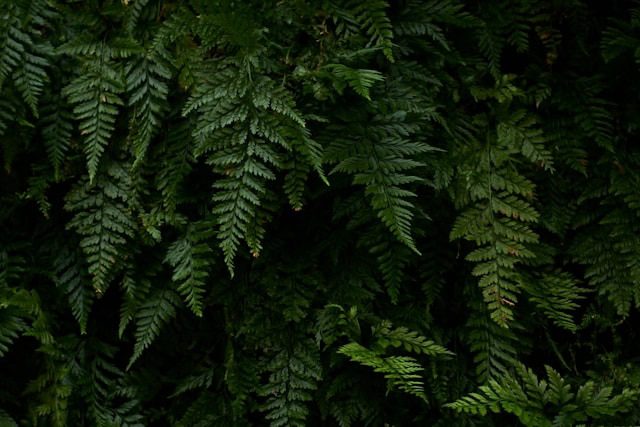
Most ferns naturally grow in rainforests or moist woodland environments, which means they thrive in high humidity. Indoors, especially in heated or air-conditioned rooms, the air tends to be much drier than what ferns are used to. When the air lacks moisture, the fronds lose hydration and begin turning yellow or brown.
The solution is to raise humidity around your plant. Using a humidifier or setting it on a pebble tray can all increase moisture in the air. Within a week or two, you should notice fresher, greener growth returning.
To prevent these issues, check out our guide on caring for plants in winter, which explains how seasonal dryness affects plant health and how to protect your plants.
4. Too Much Direct Sunlight
While ferns appreciate bright environments, they cannot handle direct sunlight. Strong sun rays scorch the delicate fronds, causing them to fade from bright green to yellow or pale, washed-out shades. Even a few hours of harsh sun can damage the leaves.
Moving the plant to a filtered-light location makes a big difference. Ideal spots include rooms with bright but indirect light or areas behind sheer curtains. Outdoors, ferns prefer shaded areas that mimic their natural forest homes.
If you’re curious about how different plants handle sunlight, our guide on how much sun an azalea needs is a great example of how sun exposure affects plant health across various species.
18 Easy to Maintain Garden Plants for a Beautiful Low-Maintenance Yard
5. Nutrient Deficiency
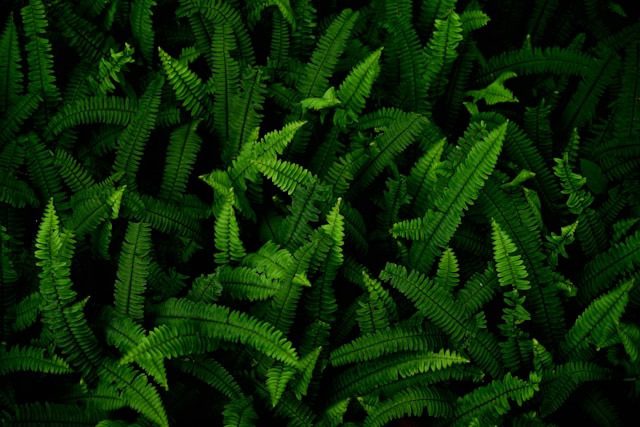
If your fern is growing but its leaves are turning yellow, it may be lacking essential nutrients, especially nitrogen or iron. These nutrients help the plant maintain its vibrant green color. Over time, soil can become depleted, especially if the plant has been growing in the same pot for a long period.
Feeding the fern with a diluted liquid fertilizer once every 4–6 weeks can help replenish lost nutrients. Be careful not to over-fertilize, as this can burn roots and cause even more yellowing. If the soil seems old or compact, repotting the plant with fresh potting mix may be necessary.
6. Stress After Repotting
Repotting is beneficial for ferns in the long term, but it can temporarily stress them. When roots are disturbed, the plant may respond by turning some of its leaves yellow. This is completely normal and usually resolves once the fern adjusts to its new home.
During this recovery phase, it’s important to keep humidity high and watering consistent. Avoid adding fertilizer immediately after repotting, as this can overwhelm the stressed roots. With gentle care, your fern will regain its color and begin producing new fronds.
20 Top Air-Purifying Plants That Remove Toxins from Indoor Air
7. Pests Infesting the Fern
Pests such as spider mites, scale, and mealybugs can quickly damage fern leaves, causing yellow patches or spotted discoloration. These tiny insects feed on the plant’s sap, weakening the fronds and reducing their ability to stay green.
Checking the undersides of the leaves often helps you spot pests early. If you notice webbing, white clusters, or sticky residue, pests are likely the cause. Washing the plant with lukewarm water and treating it with neem oil or insecticidal soap works well. Consistent treatment is key, as pests reproduce quickly.
How to Keep Your Fern From Turning Yellow Again
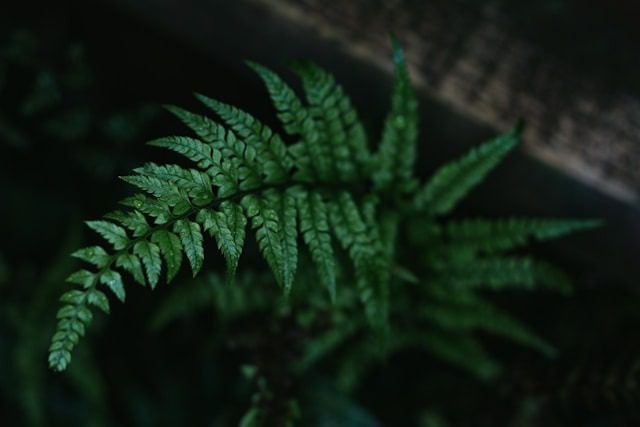
The best way to prevent yellowing is to create an environment that mimics the fern’s natural habitat. This means consistent moisture, indirect light, and high humidity. Keeping a regular watering routine and monitoring humidity levels can make a big difference. Checking the plant regularly for pests and avoiding sudden temperature changes will also help maintain its healthy green color.
By following these simple habits, your fern can stay vibrant, lush, and thriving throughout the year.
Frequently Asked Questions
1. Should I remove yellow leaves from my fern?
Yes. Cutting off yellow or dead leaves helps the fern focus its energy on producing new, healthy growth. Use clean scissors to avoid spreading disease.
2. Why is my Boston fern turning yellow?
Boston ferns are highly sensitive to humidity, so yellowing often means the air is too dry. Overwatering, underwatering, and direct sun exposure are also common reasons.
3. How often should I water a fern?
Most indoor ferns prefer their soil to stay consistently moist. Water once the top inch feels slightly dry, usually around 1–2 times per week depending on the climate.
4. Can low light cause ferns to turn yellow?
Yes. While ferns dislike direct sunlight, they still need bright, indirect light. Too little light can slow growth, weaken the plant, and cause yellowing.
5. Why is my fern turning yellow in winter?
Indoor heating significantly dries the air in winter, reducing humidity levels. Ferns react by yellowing or browning. Increasing humidity during this season can prevent damage.