How to Grow Zucchini Plant in Your Backyard
If you have a sunny patch of soil and a little patience, you can grow zucchini in your backyard and have more than you know what to do with. Zucchini is one of the most rewarding vegetables for home gardeners because it grows quickly, produces abundantly, and does not demand a lot of fuss.
Whether you are starting your first backyard vegetable garden or adding a new crop to the mix, this guide walks you through everything you need to get started.
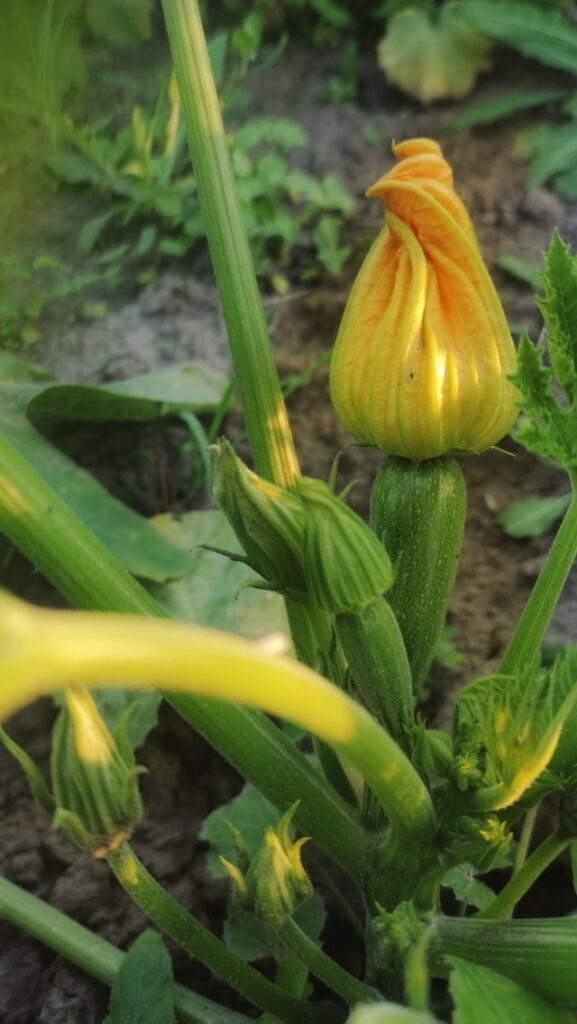
Why Zucchini Is Perfect for Backyard Gardens
Zucchini, also known as summer squash, is a warm-season vegetable that thrives in most backyard settings. It grows fast, going from seed to harvest in as little as 50 to 60 days. A single healthy plant can produce several fruits per week during its peak season, making it an excellent choice if you want reliable results without a steep learning curve.
Beyond its productivity, zucchini is flexible. You can grow it in a traditional garden bed, a raised bed, or even a large container if your outdoor space is limited. As long as it gets six to eight hours of direct sunlight daily, it will reward you with a steady harvest through the summer months.
5 Best Gardening light meter For Plant Care
When to Plant Zucchini in Your Backyard
Timing matters when growing zucchini from seed. Zucchini is frost-sensitive, so you should wait until all danger of frost has passed and the soil temperature has reached at least 60 degrees Fahrenheit before planting outdoors. In most regions, this falls between late spring and early summer.

If you want to get a head start, you can sow seeds indoors two to four weeks before your last expected frost date. Use biodegradable pots since zucchini seedlings do not transplant well when their roots are disturbed. Once conditions outside are warm enough, plant them out without disturbing the root ball.
Preparing the Soil and Planting Zucchini
Choosing the Best Soil for Zucchini
The best soil for growing zucchini is loose, well-draining, and rich in organic matter. Zucchini does not like sitting in waterlogged soil, so if your backyard soil is heavy clay, amend it generously with compost before planting. Aim for a soil pH between 6.0 and 7.5 for the healthiest plants.
Work at least two to three inches of compost into the top twelve inches of soil before planting. This improves drainage, feeds the plants over time, and gives roots the loose environment they need to expand freely.
How Far Apart to Plant Zucchini
Zucchini plants spread out more than most beginners expect. Space each plant at least 24 to 36 inches apart in rows, with rows set about 3 to 4 feet apart. This spacing improves air circulation around the leaves, which helps prevent common fungal problems like powdery mildew on zucchini plants.
Plant seeds about one inch deep, two to three seeds per hole. Once seedlings emerge and are a few inches tall, thin them to one strong plant per spot. Crowding zucchini plants leads to poor airflow and weaker yields.
How to Water Zucchini Plants Properly
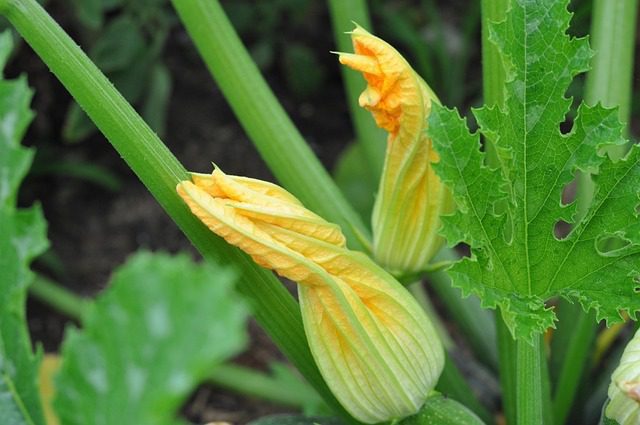
Consistent watering is one of the most important parts of zucchini plant care. These plants need about one to two inches of water per week, either from rain or irrigation. The key is to water deeply and infrequently rather than giving them shallow daily sprinkles.
Always water at the base of the plant, not over the leaves. Wet foliage is an open invitation for powdery mildew and other fungal diseases. If you can, water in the morning so any moisture on the soil surface has time to evaporate before evening.
A layer of mulch around the base of each plant goes a long way. It locks in soil moisture between waterings, keeps the roots cool during hot weather, and reduces the need for frequent watering overall.
How To Prevent Lilac Leaves From Turning Brown
Understanding Zucchini Pollination
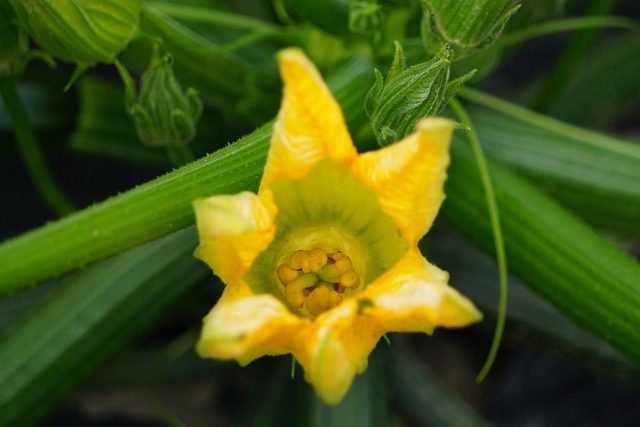
If your zucchini plants are flowering but not producing fruit, poor pollination is usually the reason. Zucchini produces separate male and female flowers on the same plant. Male flowers appear first and have a straight thin stem. Female flowers come later and have a tiny fruit forming at their base.
Bees typically handle pollination naturally. But if your garden lacks pollinators, you can hand pollinate zucchini plants yourself. Use a small paintbrush or cotton swab to transfer pollen from the center of a male flower to the center of a female flower. Do this in the morning when flowers are fully open for the best results.
The Best Growing Conditions For Rhubarb Outdoors
When and How to Harvest Zucchini
Knowing when to harvest zucchini from the garden is simpler than most people think. The best time to pick is when the fruit is 6 to 8 inches long. At this size, the skin is tender, the flavor is mild, and the seeds inside are still soft. Zucchini left on the plant too long becomes tough, seedy, and loses much of its eating quality.
Check your plants every day or two during peak production. Fruits can grow from harvest size to oversized in just a couple of days in warm weather. Use a clean garden knife or pruning shears to cut the stem rather than twisting the fruit off, which can damage the plant.
Regular harvesting actually encourages the plant to keep producing. If you leave mature fruits on the vine, the plant shifts its energy away from producing new ones.
What Plants to Avoid Using Neem Oil On
Common Zucchini Growing Problems and How to Fix Them
Even with good care, a few issues can show up. Here are the most common ones and how to handle them:
- Powdery mildew: White chalky coating on leaves caused by poor air circulation and humidity. Space plants well, water at the base, and remove affected leaves early.
- Blossom end rot: The tip of the fruit turns brown and mushy, usually from irregular watering or calcium deficiency. Keep watering consistent and use mulch.
- Flowers falling off without fruiting: Often caused by poor pollination or high temperatures. Try hand pollinating and watering more consistently.
- Squash vine borers: Larvae that tunnel into the stem and cause plants to wilt suddenly. Check stems for entry holes and remove larvae early in the season.
Frequently Asked Questions
How long does zucchini take to grow from seed?
Zucchini typically takes 50 to 65 days from seed to first harvest, depending on the variety and growing conditions. Warmer soil and consistent watering can speed things along.
How many zucchini plants should I grow?
For a typical household, two to three plants is usually more than enough. Zucchini is highly productive, and even a single healthy plant can overwhelm a small family during peak season.
Can zucchini grow in containers?
Yes, zucchini can grow in containers as long as the pot is large enough. Use a container that holds at least 5 gallons, ideally 10 or more. Make sure it has good drainage holes and place it in a spot that gets full sun.
Why are my zucchini plants not producing fruit?
The most common cause is poor pollination. If bees are not visiting your garden, try hand pollinating the flowers yourself. Other causes include excessive heat, nitrogen-heavy fertilizer, or plants that are not yet mature enough to produce female flowers.
How do I prevent powdery mildew on zucchini plants?
Space your plants generously, water at the base rather than overhead, and avoid planting in shaded areas. Removing affected leaves as soon as you spot the white coating can help slow the spread. Some gardeners also apply a diluted neem oil spray as a preventive measure.