Why Is My Aloe Vera Turning Brown and Mushy?
You walk over to your beloved aloe vera plant, and something immediately looks off. The leaves that were once firm and vibrant green are now soft, squishy, and turning a worrying shade of brown. Sound familiar? If your aloe vera is turning brown and mushy, you are not alone. This is one of the most common plant problems gardeners and houseplant lovers face. The good news is that once you understand what is causing it, you can usually fix it and bring your plant back to life.

In this guide, we will walk you through every possible reason your aloe vera leaves are turning brown and mushy, what each cause looks like, and exactly what you should do to fix it. Let us get into it.
Understanding Why Aloe Vera Turns Brown and Mushy
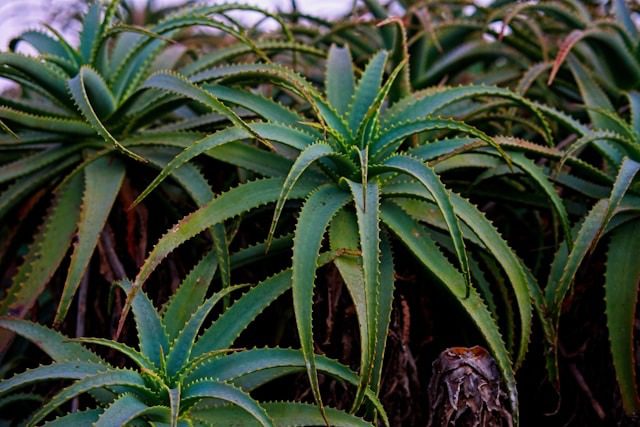
Aloe vera is a succulent, which means it is built to store water in its thick, fleshy leaves. This makes it quite drought tolerant, but it also means it is very sensitive to too much water. When the leaves become soft and mushy, it is almost always a sign that something is wrong with either the watering routine, the soil, the roots, or the environment.
Brown and mushy leaves can appear at the tips, the base, or throughout the entire plant depending on the cause. Paying attention to where the browning starts is a great first clue.
How To Prevent Lilac Leaves From Turning Brown
Top Causes of Brown and Mushy Aloe Vera Leaves
1. Overwatering
By far, the most common reason for aloe vera leaves turning brown and mushy is overwatering. Aloe vera stores water in its leaves, so it simply does not need frequent watering like other houseplants. When you water too often, the roots become waterlogged and cannot absorb oxygen. This leads to cell breakdown in the leaves, which causes them to turn soft and mushy.
Signs of overwatering include:
- Leaves that feel squishy or water-logged
- Brown discoloration starting from the base of the leaves
- A foul smell coming from the soil
- Soggy or constantly damp soil
Fix: Allow the soil to dry out completely between waterings. In most climates, watering your aloe vera once every two to three weeks is more than enough. During winter, you can stretch this to once a month.
2. Root Rot
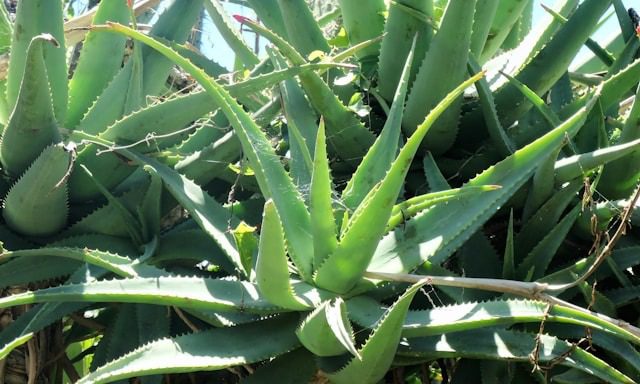
Root rot is often a consequence of overwatering and is one of the most serious conditions your aloe vera can develop. When roots sit in wet soil for too long, they begin to decay and can no longer absorb water and nutrients. As the roots die off, the damage travels upward into the leaves, causing them to turn brown, soft, and mushy.
If you suspect root rot, unpot your plant and inspect the roots. Healthy roots are white or light tan, while rotted roots will be brown or black and will feel slimy. If you catch root rot early enough, you can save your aloe vera by trimming the damaged roots, letting the plant dry for a day or two, and repotting it in fresh, well-draining soil.
3. Poor Drainage and the Wrong Soil Type
Even if you are watering correctly, poor drainage can create the same problems as overwatering. If your pot does not have drainage holes, or if you are using regular potting soil that retains too much moisture, the roots will sit in water and begin to rot.
Aloe vera does best in a cactus or succulent potting mix, which is specifically designed to drain quickly. Always make sure your pot has drainage holes at the bottom. If it does not, consider repotting your plant or drilling holes into the bottom of the container.
Does Potting Soil Go Bad? Can You Fix It?
4. Cold Temperatures and Frost Damage
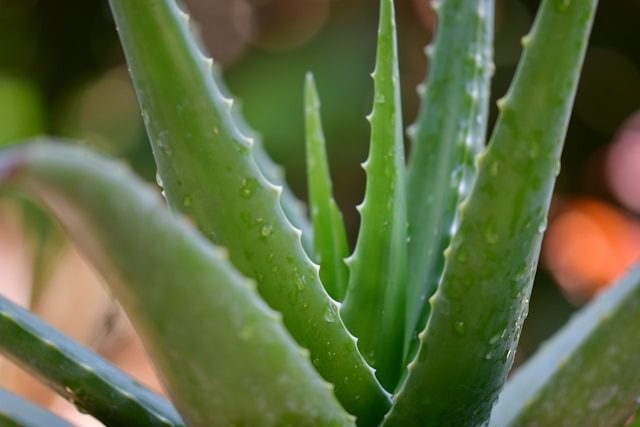
Aloe vera is a tropical plant that thrives in warm conditions. Exposing it to temperatures below 50 degrees Fahrenheit (10 degrees Celsius) can cause the cells in the leaves to freeze and rupture, leading to brown and mushy patches. This is especially common in plants placed near cold windows during winter or left outside during cool nights.
If frost or cold air is the issue, move your plant to a warmer location and trim away the damaged leaves. Avoid placing aloe vera near air conditioning vents or cold drafts.
How To Care For Basil Plant Indoors
5. Too Much Direct Sunlight and Sunburn
While aloe vera loves bright light, too much intense direct sunlight can actually scorch the leaves. Sunburned aloe vera leaves often turn red, orange, or brown and may become dry and crispy at first. However, in some cases, especially when the plant is also stressed by other factors, the leaves can become soft and discolored.
The ideal spot for your aloe vera is a location that receives bright, indirect sunlight for most of the day. A south or east facing window is typically ideal for indoor plants.
Can Succulents Survive In An Air Conditioned Room?
6. Pests and Disease
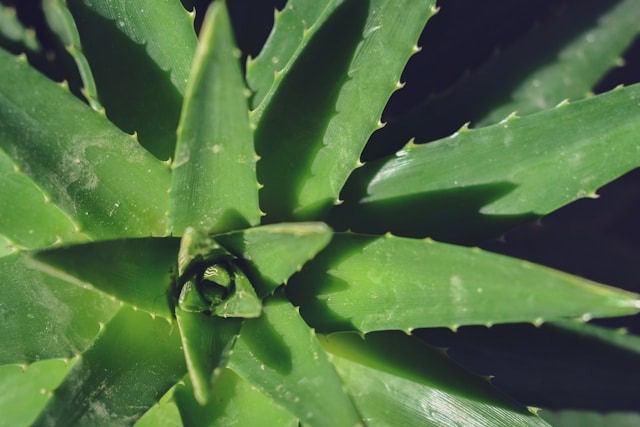
In some cases, pests such as mealybugs, fungus gnats, or scale insects can weaken your plant and contribute to browning and mushiness. Fungal diseases can also cause soft, discolored patches on the leaves. If you notice any sticky residue, tiny insects, or unusual spots on your plant, inspect it closely and treat with an appropriate insecticidal soap or neem oil solution.
What Plants to Avoid Using Neem Oil On
How to Save an Aloe Vera with Mushy Brown Leaves
If your aloe vera is already showing signs of stress, here is a step by step approach to bring it back to health:
- Stop watering immediately and let the soil dry out completely.
- Remove the plant from its pot and inspect the roots for signs of rot.
- Trim any black or brown, slimy roots using clean, sterilized scissors.
- Let the plant air dry for 24 to 48 hours before repotting.
- Repot in fresh cactus or succulent mix in a pot with good drainage.
- Place in a bright, warm location and hold off watering for at least a week.
The earlier you catch the problem, the better your chances of saving the plant. Even severely damaged aloe vera plants can sometimes recover if the crown and a few healthy roots remain intact.
Prevention Tips for Healthy Aloe Vera Plants
The best way to keep your aloe vera from turning brown and mushy is to get the basics right from the start:
- Water deeply but infrequently, and always let the soil dry between waterings.
- Use a well-draining succulent or cactus potting mix.
- Plant in pots with drainage holes.
- Keep your plant in a warm location between 60 and 80 degrees Fahrenheit.
- Provide bright, indirect sunlight and avoid harsh afternoon sun.
- Inspect your plant regularly for pests and treat early if needed.
Frequently Asked Questions
Can I save my aloe vera if all the leaves are mushy?
It depends on the roots. If the roots are still partially healthy and the crown of the plant is intact, there is a good chance the plant can recover. Remove all mushy leaves, trim rotted roots, let it dry, and repot it in fresh soil. If the roots are completely gone, unfortunately the plant may not be salvageable.
Why is my aloe vera mushy after watering?
If your aloe vera leaves turn mushy immediately after watering, this is a classic sign of overwatering or poor drainage. The plant is already holding more water than it can handle, and adding more is putting it over the edge. Scale back your watering frequency significantly and check that your pot has adequate drainage.
How often should I water my aloe vera to prevent root rot?
During the growing season (spring and summer), watering your aloe vera every two to three weeks is usually sufficient. In autumn and winter, cut back to once a month or less. Always test the soil before watering: it should be completely dry at least two inches down before you water again.
Should I cut off brown mushy aloe vera leaves?
Yes, you should remove brown and mushy leaves as soon as possible. They are no longer functional and can attract pests or promote fungal growth. Use clean, sharp scissors or a knife to cut them off at the base. This also helps the plant redirect energy toward its healthy leaves.
Why is my aloe vera stem mushy at the base?
A mushy stem at the base is almost always a sign of root rot that has traveled upward. This is a serious condition. Unpot the plant right away, cut away all rotted tissue until you reach healthy, firm material, dust the cut with cinnamon (a natural antifungal), and allow it to callous over for a day or two before repotting in dry, well-draining soil.