How Much Light Does a Monstera Deliciosa Need?
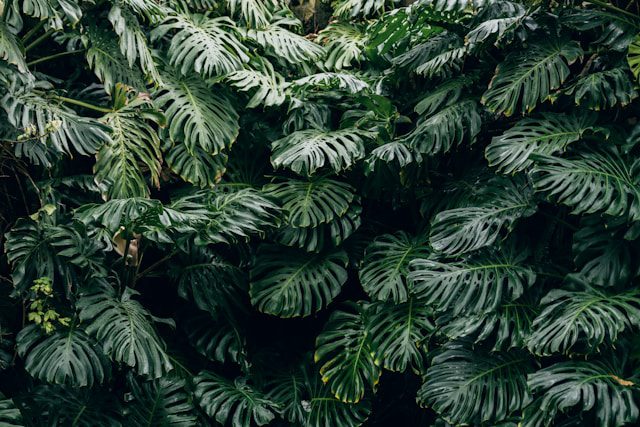
If you have ever fallen in love with those gorgeous, split-leaf plants you keep seeing on every plant shelf and Instagram feed, you are definitely not alone. The Monstera Deliciosa has taken the houseplant world by storm, and for good reason. It is dramatic, lush, and surprisingly easy to care for once you understand what it actually needs. And one of the most important things to get right? Light.
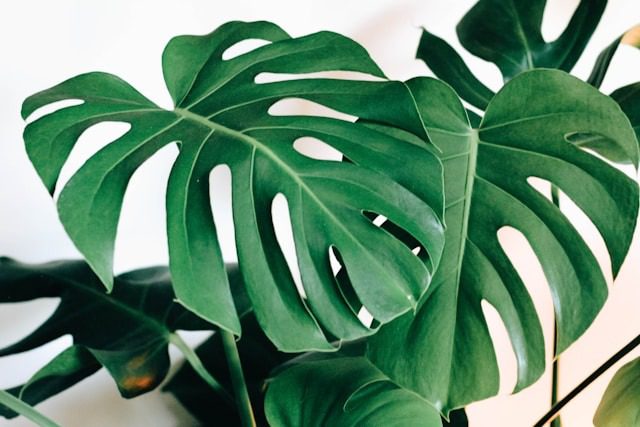
Getting the Monstera Deliciosa light requirements right is honestly one of the biggest factors in whether your plant thrives or just survives. Too little, and those iconic fenestrations (the leaf splits and holes) may never develop. Too much direct sun, and you will end up with scorched, yellowing leaves. So what is the sweet spot? Let us break it all down.
The Best Cheap LED Grow Lights For Growing Vegetables
What Kind of Light Does a Monstera Deliciosa Prefer?
In the wild, Monstera Deliciosa grows on the forest floors of Central and South America, climbing up trees in the dappled shade of the jungle canopy. That natural habitat tells you a lot about its indoor light preferences.
Monsteras thrive in bright, indirect light. This means a spot that is well-lit but where the sun’s rays are not hitting the leaves directly for extended periods. Think of the kind of light you would find a few feet away from a sunny window, or near a window that gets filtered light through a sheer curtain.
This is the Goldilocks zone for Monsteras: not too bright, not too dim, just right. And when you nail this, you will start to see those beautiful, fenestrated leaves develop much more reliably.
Factors to consider when choosing a grow light
How Many Hours of Light Does a Monstera Need?
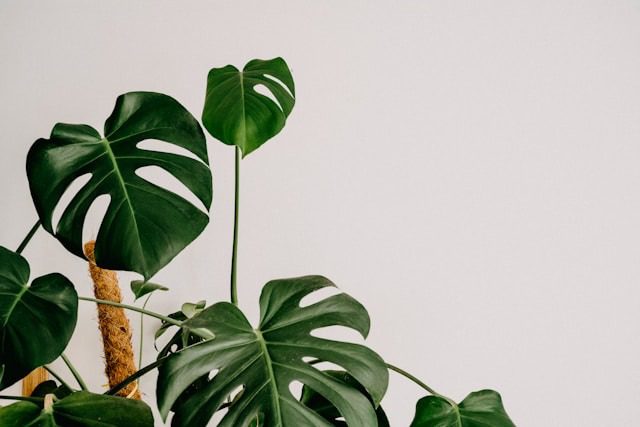
Your Monstera Deliciosa ideally needs about 10 to 12 hours of bright, indirect light per day. This does not mean 10 hours of blazing afternoon sun; it simply means consistent exposure to a well-lit space throughout the day.
During winter months when daylight is shorter, your Monstera may slow down its growth noticeably. This is completely normal. You can supplement with a grow light if you want to keep it actively growing through the colder, darker months.
20 Best Indoor Plants for Low Light Apartments
Best Window Placement for Your Monstera
Where you place your Monstera in relation to windows makes a huge difference. Here is a quick guide based on window direction:
East-Facing Windows
East-facing windows are often considered the best spot for Monsteras. They get gentle morning sun that is not intense enough to burn the leaves, followed by bright, indirect light for the rest of the day. This is a very happy place for your plant.
North-Facing Windows
North-facing windows tend to receive the least natural light. Your Monstera can survive here, but do not expect explosive growth or many fenestrated leaves. If this is your only option, consider adding a grow light to supplement.
South or West-Facing Windows
South and west-facing windows can be great but require a bit more care. These windows get the most intense light, especially in the afternoon. Place your Monstera a few feet back from the window, or use a sheer curtain to diffuse the light and prevent leaf scorch.
Can a Monstera Grow in Low Light?
This is one of the most common questions people ask, and the honest answer is: yes, but not happily. Monsteras are often marketed as low-light plants, and while they are more tolerant of shade than many tropical plants, low light conditions will significantly slow their growth and affect leaf development.
In truly low light, here is what you can expect:
- Slower, leggier growth as the plant stretches toward any available light source
- Smaller leaves with fewer or no fenestrations (splits and holes)
- Longer gaps between new leaves being produced
- Greater risk of overwatering issues since the plant is not actively growing
If you are determined to keep your Monstera in a darker space, a quality grow light can make a world of difference. Look for a full-spectrum LED grow light and aim for around 10 to 12 hours of exposure per day.
Signs Your Monstera Is Not Getting Enough Light
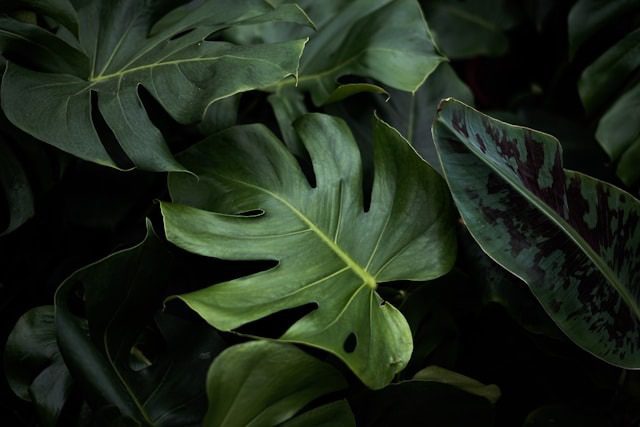
Your plant will tell you when it is unhappy. Watch out for these signs that your Monstera needs more light:
- New leaves are coming in small and without any splits or holes
- The stems are elongated and the plant appears to be leaning dramatically toward a window
- Growth has slowed to a crawl or stopped entirely outside of winter
- The soil stays wet for unusually long periods
If you notice any of these signs, try moving your plant closer to a light source or rotate it so all sides get equal exposure throughout the week.
Signs Your Monstera Is Getting Too Much Direct Light
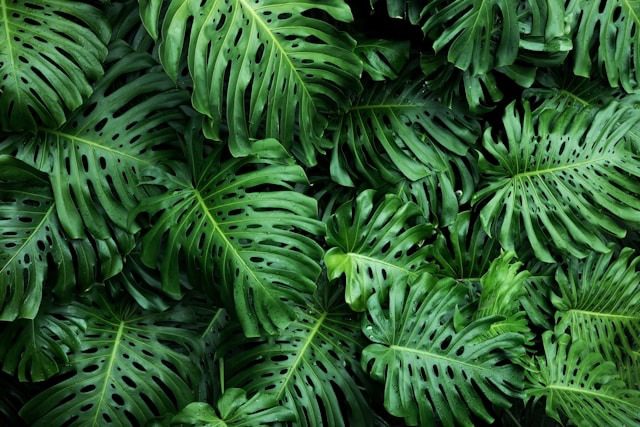
On the flip side, too much intense, direct sunlight can damage your Monstera just as badly. Look out for:
- Yellow or brown patches on the leaves, especially in areas exposed to direct sun
- Crispy, dry leaf edges
- Wilting or drooping despite the soil being moist
- Faded or washed-out leaf color
If this is happening, simply move your plant a bit further from the window or add a sheer curtain to filter the light. Your Monstera should bounce back with proper care and new, healthy growth.
Using Grow Lights for Your Monstera Deliciosa
If your home does not have ideal natural light for a Monstera, grow lights are a fantastic solution. Full-spectrum LED grow lights mimic the wavelengths of sunlight and can keep your plant thriving even in darker rooms or apartments.
Place the grow light about 12 to 24 inches above your Monstera and run it for 10 to 12 hours per day using a timer. This setup can produce growth that rivals what your plant would achieve next to a sunny window.
How to Fix Wrinkling Snake Plant Leaves
Frequently Asked Questions (FAQ)
1. Can I put my Monstera Deliciosa in direct sunlight?
It is best to avoid prolonged direct sunlight, especially harsh afternoon sun. While a little gentle morning sun is fine, extended exposure to direct rays can scorch the leaves and cause yellowing or browning. Bright, indirect light is always the safer choice.
2. Why does my Monstera have no holes in its leaves?
The iconic holes and splits in Monstera leaves, called fenestrations, typically develop as the plant matures and receives adequate light. If your Monstera is producing leaves without splits, it may need more bright, indirect light. Young plants also tend to produce solid leaves before fenestrations appear.
3. How far should a Monstera be from a window?
For a south or west-facing window, place your Monstera about 3 to 5 feet away to avoid direct sun intensity. For an east-facing window, placing it closer, around 1 to 3 feet, is usually fine since the light is gentler. Always observe your plant and adjust based on how the leaves respond.
4. Can a Monstera survive in a north-facing room?
Yes, a Monstera can survive in a north-facing room, but it will not thrive the way it would with more light. Growth will be slower, and you may see fewer fenestrations. Adding a full-spectrum grow light can help compensate for the reduced natural light.
5. Do Monsteras need sunlight to grow big leaves?
Light plays a major role in how large and fenestrated your Monstera’s leaves become. Plants with access to bright, indirect light tend to produce larger, more dramatic leaves with more splits. Low light typically results in smaller, less developed leaves. Adequate light, consistent watering, and the right nutrients all work together to help your Monstera reach its full leaf potential.