Calathea vs Maranta: Differences and Care Tips
If you have ever stood in a plant shop, staring at two gorgeous leafy beauties side by side and wondering whether they are actually the same plant, you are not alone. The Calathea vs Maranta debate is one of the most common sources of confusion among houseplant enthusiasts, and honestly, it makes total sense. Both plants share the popular nickname “prayer plant,” both have strikingly patterned leaves, and both belong to the same plant family. But they are not identical, and knowing the differences can make a huge impact on how well you care for them.
In this guide, we will break down exactly what sets these two plants apart, walk you through their individual care needs, and help you figure out which one is the right fit for your home.
Are Calathea and Maranta the Same Plant?
The short answer is no, but they are close relatives. Both Calathea and Maranta belong to the Marantaceae family, which is why they share so many visual and behavioral traits. However, they are different genera. Calathea plants have been largely reclassified under the genus Goeppertia by botanists, though most people still call them Calathea. Maranta, on the other hand, remains its own distinct genus.
The most well-known shared trait is the prayer plant movement, technically called nyctinasty. Both plants fold their leaves upward at night, resembling hands folded in prayer, and open them again during the day. This fascinating behavior is triggered by changes in light and is completely normal.
Key Differences Between Calathea and Maranta
While these two plants look similar at first glance, there are some clear ways to tell them apart once you know what to look for.
Leaf Shape and Patterns
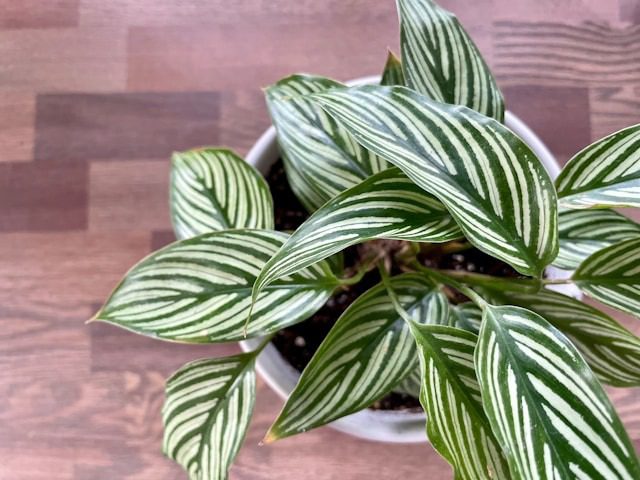
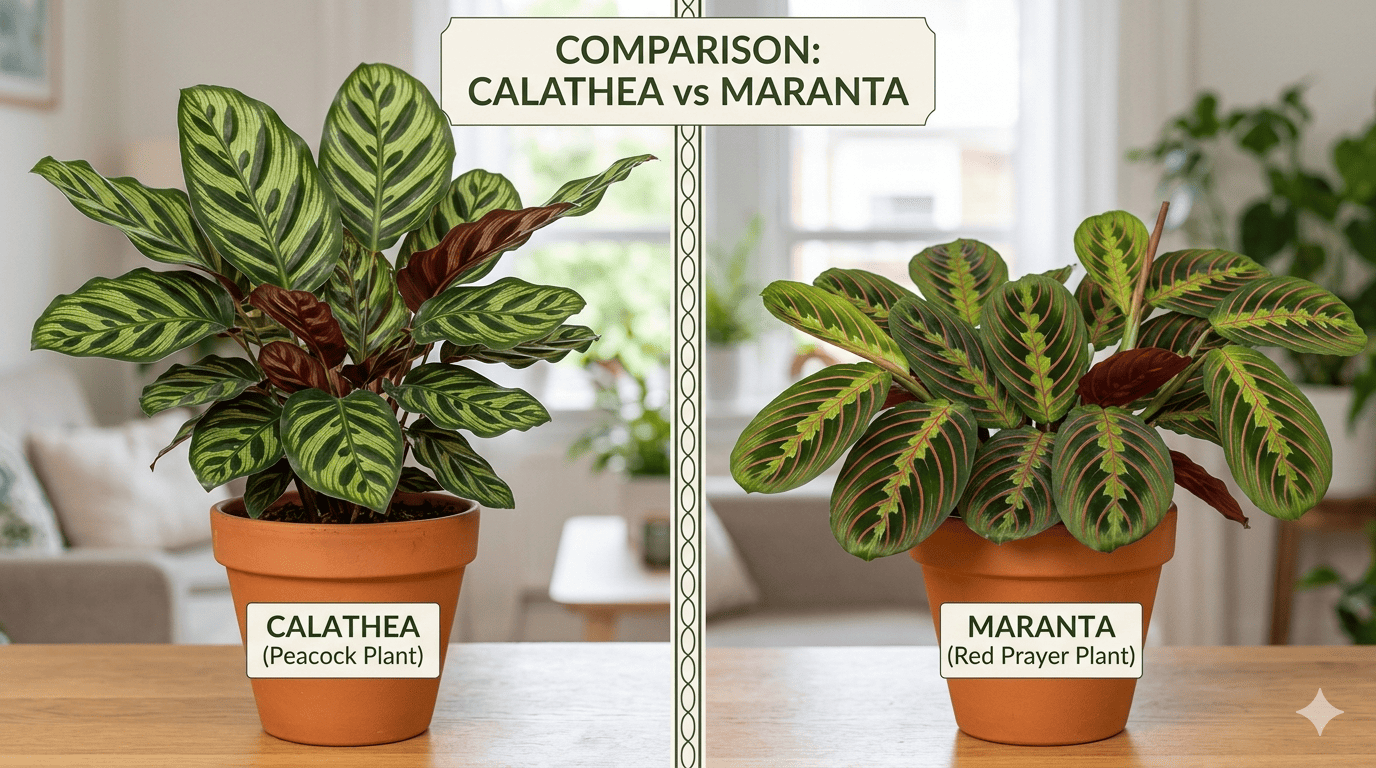
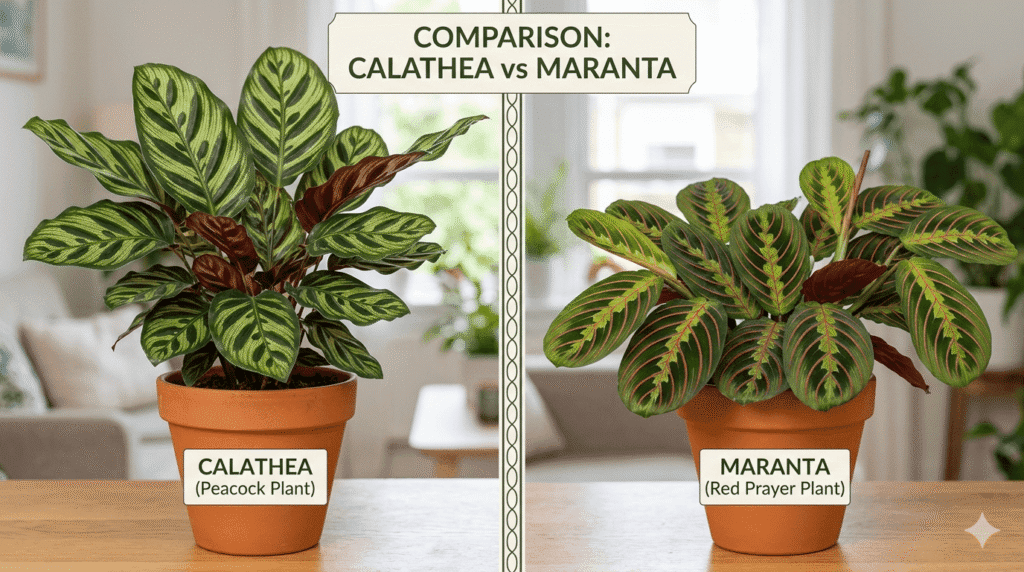
Calathea leaves tend to be larger, more rigid, and often feature bold, almost painterly patterns in shades of green, purple, silver, and white. Popular varieties like Calathea ornata and Calathea medallion are known for their dramatic, symmetrical markings.
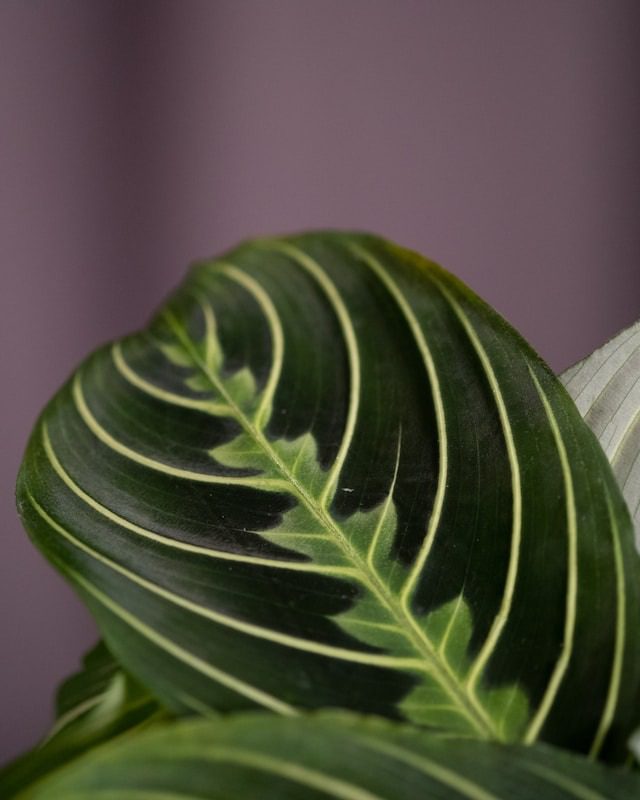
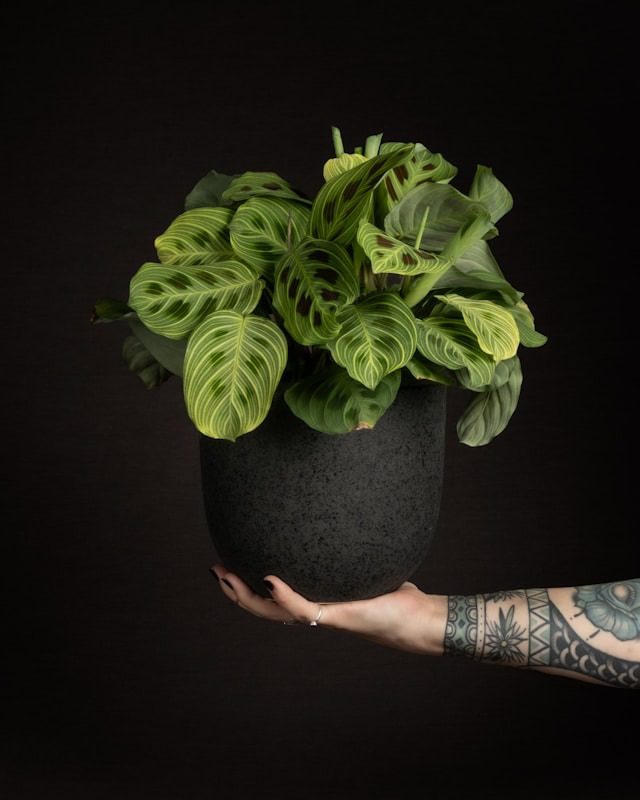
Maranta leaves are generally smaller and softer, with a more trailing or spreading growth habit. The Maranta leuconeura, commonly known as the herringbone plant, features distinctive reddish or greenish veins that run in a feather-like pattern across the leaf. The texture is often slightly velvety compared to the glossier Calathea.
Growth Habit and Size
Calathea plants tend to grow upright and can reach impressive heights, sometimes up to two or three feet indoors. They are typically grown as statement floor plants or bold tabletop centerpieces.
Maranta plants are lower-growing and more of a creeping or trailing plant. This makes them a popular choice for hanging baskets, shelves, or spreading across the surface of a wider pot.
Calathea Care Tips
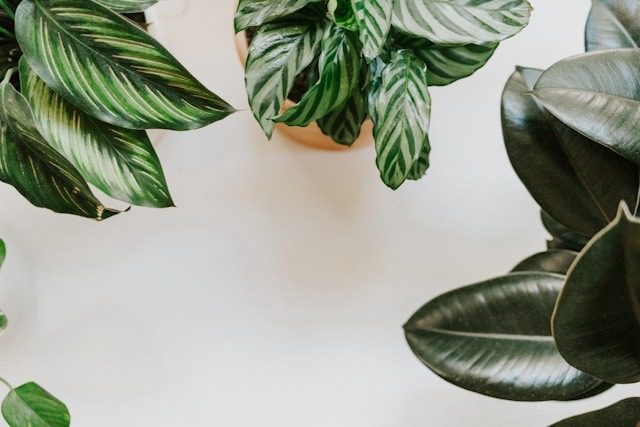
Calathea plants have earned a reputation for being a bit of a drama queen, but with the right care, they can thrive beautifully. Here is what you need to know.
- Light: Calathea plants prefer bright, indirect light. Direct sunlight will scorch the leaves and fade their stunning patterns. A spot a few feet away from a sunny window is ideal.
- Watering: Water when the top inch of soil feels dry. Calathea are sensitive to the minerals found in tap water, so using filtered, distilled, or rainwater will help prevent brown leaf edges.
- Humidity: These plants love high humidity, ideally between 50 and 70 percent. A humidifier nearby, a pebble tray with water, or regular misting can help achieve this.
- Soil: Use a well-draining potting mix that retains some moisture. A mix of regular potting soil, perlite, and orchid bark works well.
- Temperature: Calathea prefer temperatures between 65 and 80 degrees Fahrenheit (18 to 27 degrees Celsius). Keep them away from cold drafts, air conditioning vents, and radiators.
Maranta Care Tips
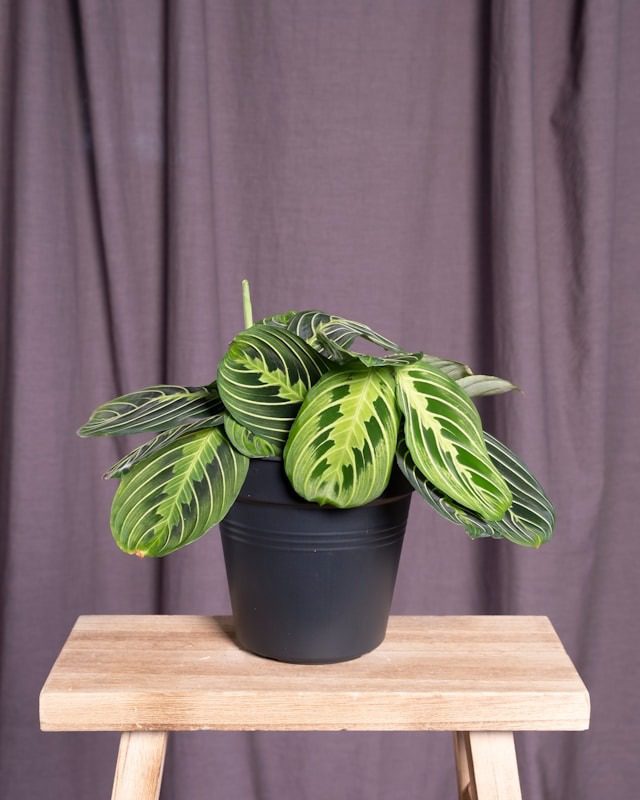
Good news for beginner plant parents: Maranta plants are generally considered easier to care for than Calathea. They are more forgiving and adaptable, though they still appreciate consistent attention.
- Light: Maranta can tolerate lower light conditions better than Calathea, making them a great choice for rooms with less natural light. However, they still prefer bright indirect light for the best leaf color and growth.
- Watering: Keep the soil consistently moist but never waterlogged. Like Calathea, Maranta also benefits from filtered or distilled water to avoid mineral buildup.
- Humidity: Maranta enjoys humidity but is slightly more tolerant of average household humidity levels. Aim for at least 40 to 60 percent for best results.
- Soil: A light, well-draining mix works perfectly. You can use standard potting soil mixed with perlite to improve drainage and prevent root rot.
- Temperature: Maranta prefers similar temperatures to Calathea, ideally between 60 and 80 degrees Fahrenheit (15 to 27 degrees Celsius). Avoid cold windowsills in winter.
Calathea vs Maranta: Which One Is Better for Beginners?
If you are just starting your houseplant journey, Maranta is the more forgiving of the two. It adapts more easily to varying light and humidity conditions and is less likely to throw a tantrum (in the form of crispy brown edges) when conditions are not perfect.
That said, Calathea is absolutely worth the effort if you are ready for a little more of a challenge. The payoff is spectacular: lush, dramatic foliage that genuinely feels like living art. Once you get the watering and humidity dialled in, Calathea can be just as rewarding as any houseplant you will own.
Common Problems and How to Fix Them
Both Calathea and Maranta share a few common issues that most prayer plant owners will encounter at some point.
- Brown leaf tips: Usually caused by low humidity or mineral-heavy tap water. Switch to filtered water and boost humidity around the plant.
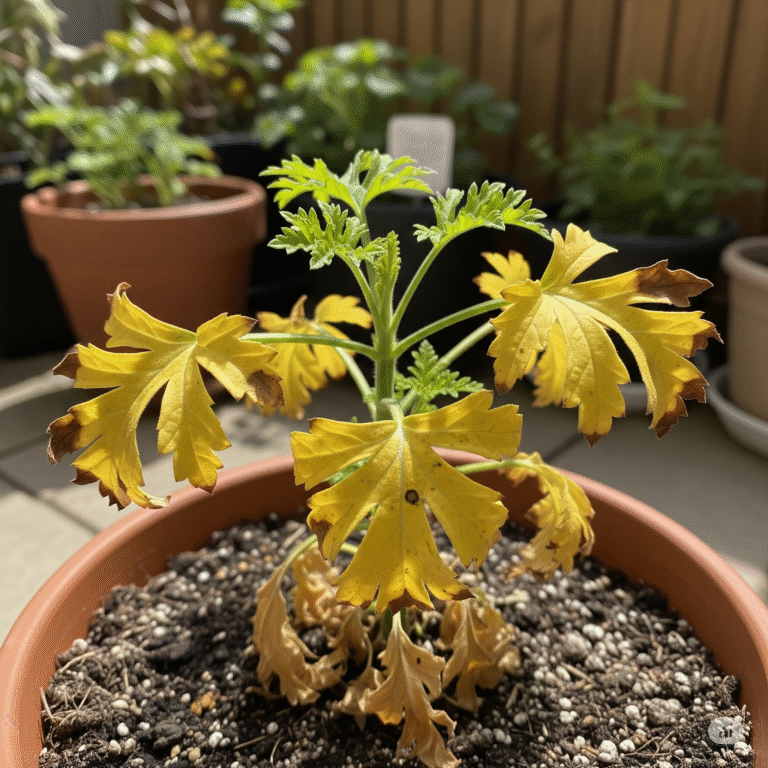
- Yellowing leaves: Often a sign of overwatering or poor drainage. Let the soil dry out slightly between waterings and ensure your pot has drainage holes.
- Curling leaves: A sign that your plant is stressed, often from underwatering, low humidity, or too much direct sun. Address the most likely culprit and the leaves should recover.
- Pests: Both plants can attract spider mites and fungus gnats. Keep leaves clean by wiping them with a damp cloth and treat any infestations early with neem oil or insecticidal soap.
Frequently Asked Questions
Are Calathea and Maranta the same plant?
No, they are not the same plant, though they are closely related. Both belong to the Marantaceae family and share the prayer plant nickname, but they are different genera with distinct leaf shapes, sizes, and care requirements.
Why are Calathea and Maranta called prayer plants?
Both plants fold their leaves upward at night in a movement called nyctinasty, which resembles hands folded in prayer. This is a natural response to changes in light levels and is completely normal behavior.
Which is easier to care for, Calathea or Maranta?
Maranta is generally considered easier to care for, especially for beginners. It is more tolerant of varying humidity and light conditions. Calathea requires more precise care, particularly when it comes to water quality and humidity levels.
What are the light requirements for Calathea vs Maranta?
Both prefer bright, indirect light. However, Maranta is more adaptable to lower light conditions, making it a better option for dimmer spaces. Direct sunlight should be avoided for both, as it can scorch the leaves and fade the patterns.
Can I use tap water for Calathea and Maranta?
It is best to avoid tap water for both plants, especially Calathea, which is very sensitive to fluoride and chlorine. Using filtered, distilled, or rainwater will help prevent the brown leaf tips that are commonly caused by mineral buildup.