Best Liquid Fertilizer for Houseplants in 2026
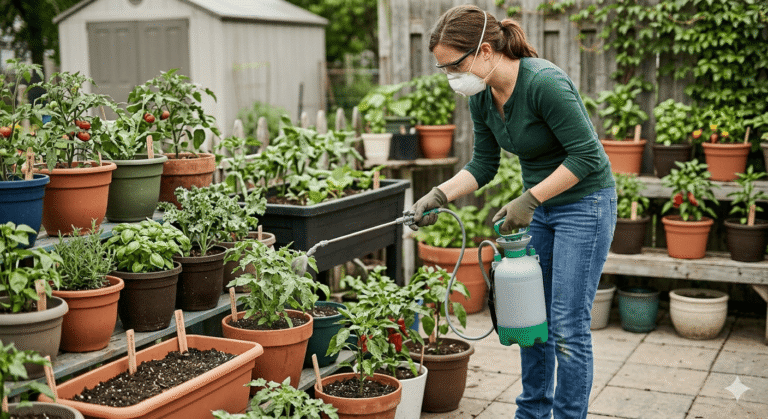
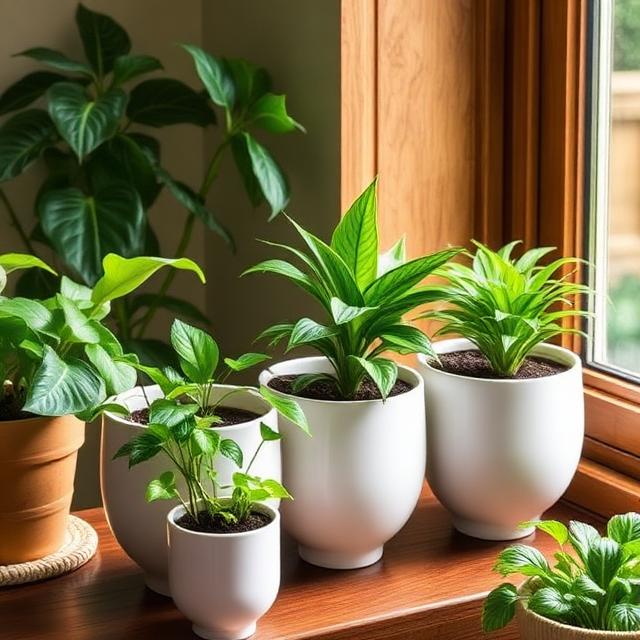
If your houseplants have been looking a little dull, producing fewer leaves, or just not thriving the way they should, there is a good chance they are hungry. Plants growing in pots cannot reach out into the ground to find nutrients on their own. They depend entirely on you to feed them. That is where a good liquid fertilizer comes in.
Choosing the best liquid fertilizer for houseplants can feel overwhelming with so many options on the market. Should you go organic or synthetic? Concentrated or ready-to-use? High nitrogen or balanced NPK?
In this guide, we have done the research for you. We have rounded up the top-rated liquid fertilizers available on the market, broken down what makes each one great, and included everything you need to know to make the right choice for your indoor garden.
Why Liquid Fertilizer is the Best Choice for Houseplants
Liquid fertilizers have a significant advantage over slow-release pellets or granular options when it comes to indoor plants. Because they are diluted in water before application, the nutrients are immediately available to your plant roots. You start seeing results faster, and you have much more control over how much your plants are getting.
Another big perk is flexibility. You can adjust the concentration based on the season, the plant type, or how actively your plants are growing. In spring and summer when growth is in full swing, you can fertilize more frequently. In fall and winter when many houseplants slow down, you simply stop or reduce applications. Liquid fertilizers make it easy to stay in tune with what your plants actually need.
What to Look for in a Liquid Fertilizer for Indoor Plants
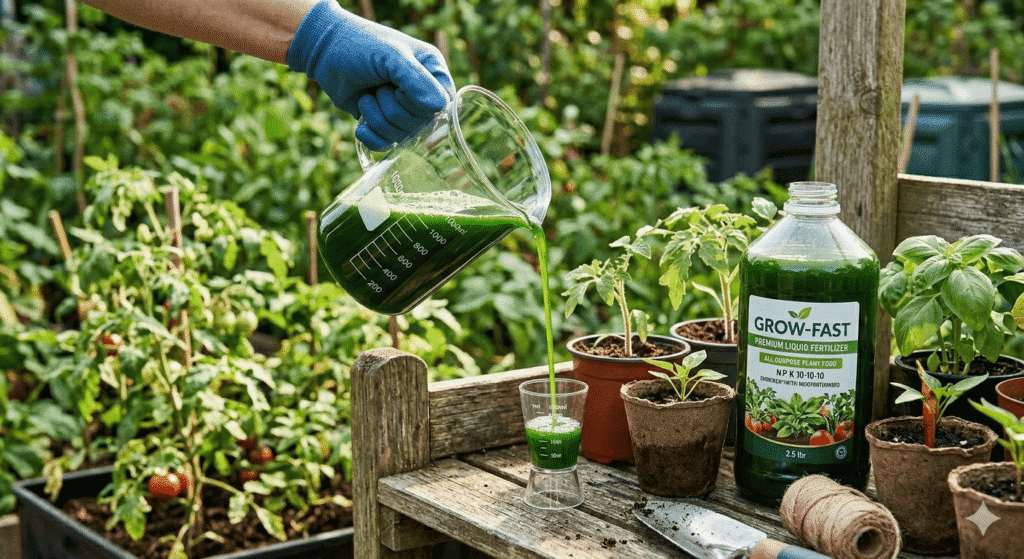
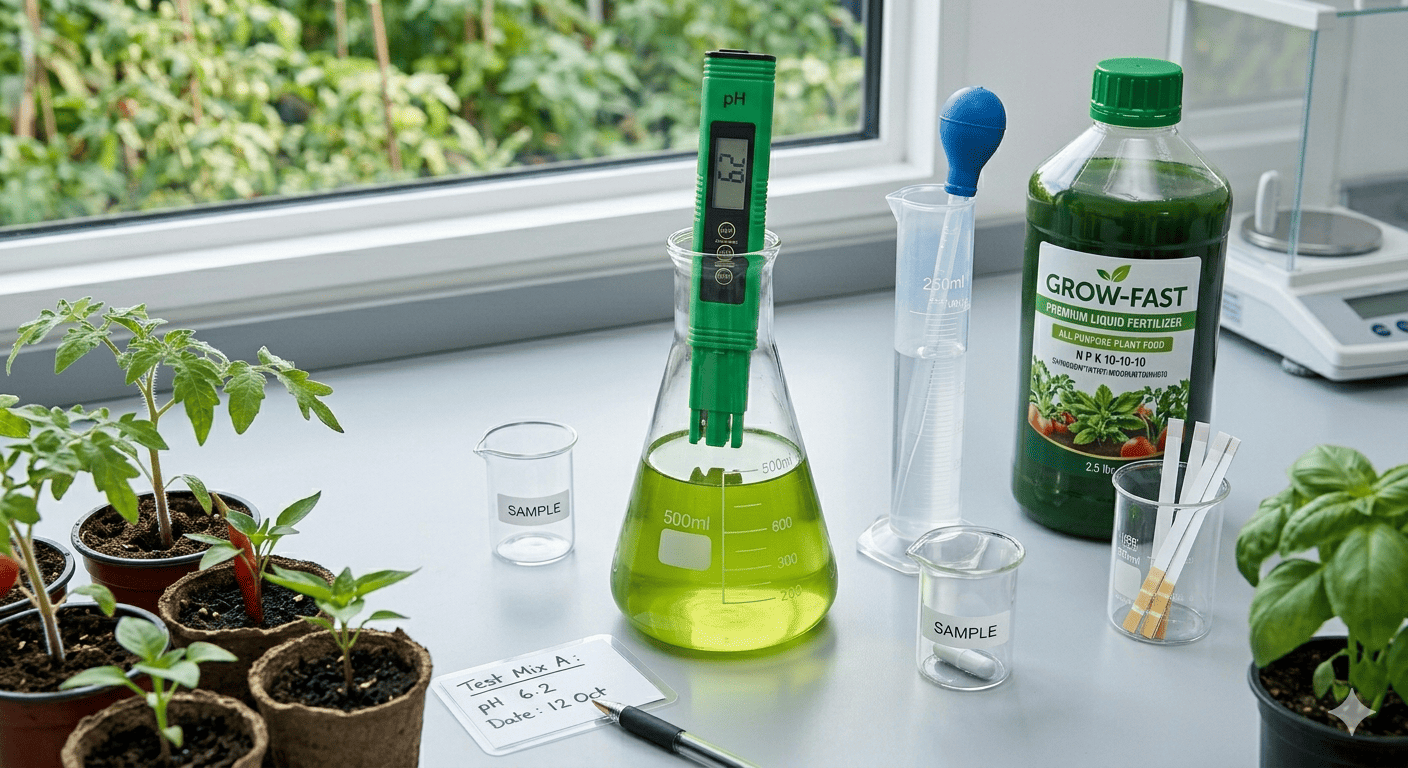
Before diving into our top picks, here are the key factors to consider when buying a liquid houseplant fertilizer:
- NPK ratio: Nitrogen (N) supports leafy growth, Phosphorus (P) helps roots and blooms, and Potassium (K) supports overall plant health. Most all-purpose houseplant fertilizers work with a balanced ratio like 4-3-4 or 3-1-2.
- Organic vs synthetic: Organic fertilizers feed the soil and are gentler on plants, reducing the risk of fertilizer burn. Synthetic options are faster-acting but require more precise dosing.
- Concentration: Highly concentrated formulas last longer and offer better value. Always check how much product you get per bottle versus how many gallons it treats.
- Ease of use: Look for formulas with clear instructions and simple dilution ratios, especially if you are new to fertilizing.
- Safety: If you have pets or children at home, organic options are generally the safer bet.
The 5 Best Liquid Fertilizers for Houseplants in 2026
1. The Grow Co Organic Indoor Plant Food (Best Overall)
The Grow Co Organic Liquid Fertilizer on Amazon
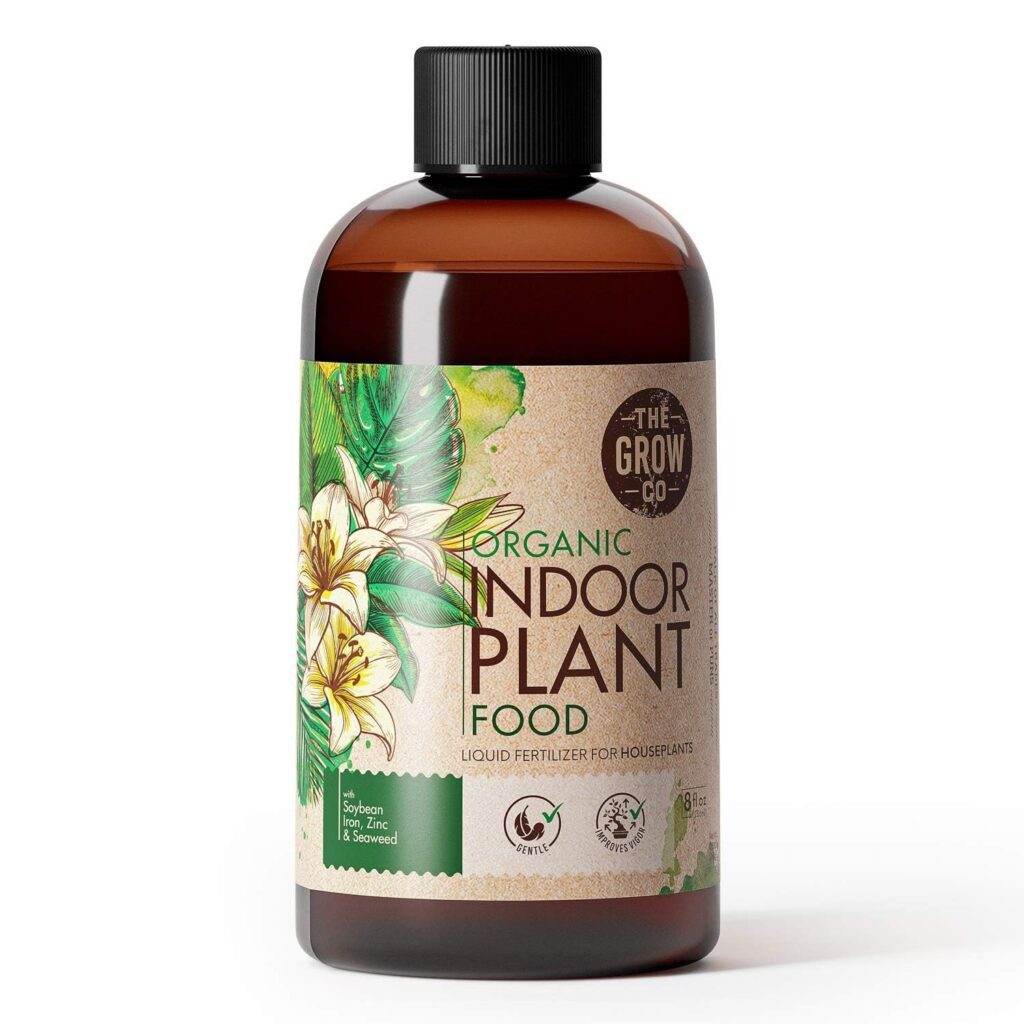
If you are looking for one fertilizer that works for virtually every houseplant you own, The Grow Co Organic Indoor Plant Food is hard to beat. It is an all-purpose organic liquid fertilizer designed to gently feed a wide range of indoor plants without the risk of fertilizer burn. It works on everything from fiddle leaf figs and monsteras to succulents, orchids, snake plants, and pothos.
The formula contains the right balance of nitrogen, phosphorus, and potassium to support healthy foliage and strong roots. You simply mix it with filtered or rainwater and apply it every other watering. It is gentle enough for even your most delicate plants and is suitable for use in pots with various soil mixes including perlite, moss, and lava rocks. This is a top pick for both beginner and experienced plant parents.
Best Potting Mix for Indoor Plants
2. Aquatic Arts Indoor Plant Food (Best for Foliage Plants)
Amazon Link: Aquatic Arts Indoor Plant Food on Amazon
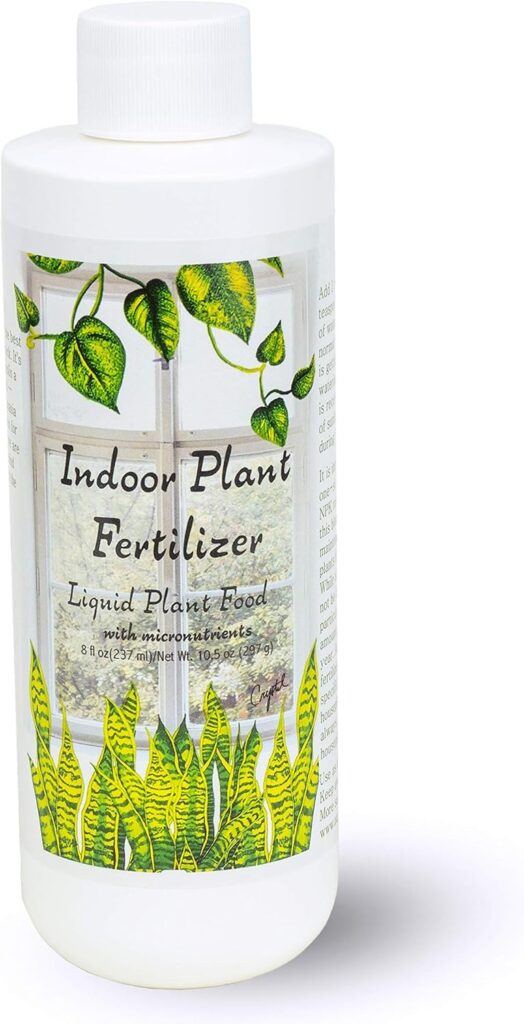
Aquatic Arts has built a loyal following among houseplant enthusiasts, and it is easy to see why. Their Indoor Plant Food uses a 3-1-2 NPK ratio, which is particularly well-suited for foliage-heavy plants that love a nitrogen boost. It promotes deep green, vibrant leaves and helps prevent wilting, making it a great choice for plants like pothos, philodendrons, dracaena, and peace lilies.
The dosing is simple and beginner-friendly. Just use one teaspoon per two cups of water, and the formula includes nitrogen, phosphorus, potassium, and a range of vitamins to support root and bloom growth. One bottle lasts up to a year for most houseplant collections, making it a cost-effective option as well.
Best Self-Watering Planters for Indoor Plants
3. Easy Peasy Plants Liquid Fertilizer (Best Concentrated Formula)
Easy Peasy Plants Liquid Fertilizer on Amazon
The Easy Peasy Plants Indoor Plant Food stands out because of its highly concentrated formula. With a 4-3-4 NPK ratio and a high-concentrate blend, you only need half a teaspoon per watering session, which means a single bottle goes much further than most competitors. It is specifically formulated for indoor potted plants and uses high-quality ingredients to deliver nutrients that genuinely make a difference.
This is a fantastic option if you are trying to reduce waste and get the most value from your purchase. It is gentle enough to use regularly without worrying about overfeeding, and it works well across a wide variety of houseplants. If you have a large indoor plant collection and want a fertilizer that lasts, Easy Peasy is worth every penny.
4. Perfect Plants Liquid Indoor Plant Food (Best for Beginners)
Amazon Link: Perfect Plants Liquid Indoor Plant Food on Amazon
If you are just starting your plant parent journey and want something easy to use without the risk of overfeeding, Perfect Plants Liquid Indoor Plant Food is an excellent entry point. It is a concentrated all-purpose formula that is simple to dilute and apply during your regular watering routine. It helps reduce foliage wilting and promotes stronger root development, which is especially important for newly potted or transplanted plants.
One of the biggest advantages of this product is how clearly it communicates application instructions. You get straightforward guidance on how often to apply based on your plant type and growth rate. It works across a wide range of houseplant varieties and is a dependable, no-fuss option for anyone who wants healthy plants without the guesswork.
5. The Grow Co Indoor Plant Food Drops (Best Ready-to-Use)
The Grow Co Plant Food Drops on Amazon
For plant owners who prefer a liquid alternative that skips the mixing entirely, The Grow Co Indoor Plant Food Drops offer a super convenient solution. This ready-to-use formula is great for beginners and busy plant parents who want a fuss-free way to feed their plants. It covers a wide variety of common houseplants including snake plants, orchids, monstera, pothos, bamboo, and many more.
The formula is gentle and balanced, making it very difficult to accidentally overfeed your plants. Whether you have one plant on a windowsill or a whole apartment jungle, this product fits seamlessly into your routine without any measuring or diluting. It is a smart, no-mess pick that consistently gets strong reviews from indoor gardeners of all experience levels.
Bottom Watering Plants: The Complete Guide
How to Use Liquid Fertilizer on Houseplants the Right Way
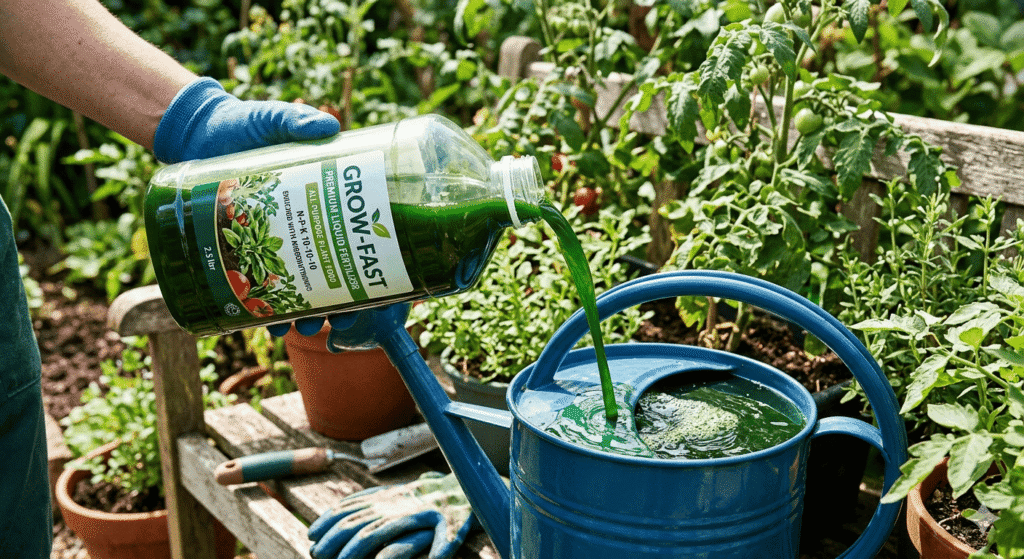
Even the best liquid fertilizer for indoor plants will not do much good if it is applied incorrectly. Here are a few tips to get the most out of your fertilizer:
- Only fertilize during the active growing season, typically spring through early fall. Most houseplants slow down in winter and do not need feeding during this period.
- Always water your plant before applying fertilizer to avoid burning dry roots.
- Follow the recommended dilution ratio on the label. More is not better when it comes to plant food.
- Apply fertilizer to the soil, not the leaves, unless using a foliar spray specifically designed for that purpose.
- Watch your plants for signs of over-fertilization, such as brown leaf tips, wilting, or crusty white deposits on the soil surface.
The Best Houseplant Soil Mix (And How to Make Your Own)
How To Care For ZZ Plant Indoors
Frequently Asked Questions
How often should I use liquid fertilizer on my houseplants?
Most liquid fertilizers are designed to be used every one to two weeks during the active growing season, which is spring through summer. In fall and winter, most houseplants enter a slower growth phase and should not be fertilized, or fertilized much less frequently. Always follow the instructions on your specific product for the best results.
Is liquid fertilizer better than granular for houseplants?
For most houseplants, yes. Liquid fertilizers are absorbed quickly by plant roots and give you better control over how much your plants receive. Granular fertilizers release nutrients slowly over time, which can be harder to manage in a pot environment and may increase the risk of nutrient buildup in the soil.
Can I use liquid fertilizer on all types of houseplants?
Most all-purpose liquid fertilizers are safe for a wide variety of houseplants including tropical foliage plants, succulents, flowering plants, and herbs. However, some plants like orchids or cacti have specific nutritional needs and do best with specialty fertilizers. Always check the product label to confirm it is suitable for your specific plant type.
What happens if I over-fertilize my houseplants?
Over-fertilizing can cause what gardeners call fertilizer burn. Signs include brown or crispy leaf tips, yellowing leaves, wilting despite adequate watering, and a white crusty layer forming on the soil surface. If this happens, flush the soil thoroughly with water to wash out excess nutrients and hold off on fertilizing for several weeks.
Should I fertilize newly repotted houseplants?
It is generally best to wait at least four to six weeks before fertilizing a newly repotted plant. Fresh potting mix usually contains enough nutrients to sustain your plant during the transition period. Fertilizing too soon after repotting can stress the plant, especially if the roots were disturbed during the process.