Best Insecticide for Indoor Plants: Safe Options That Work
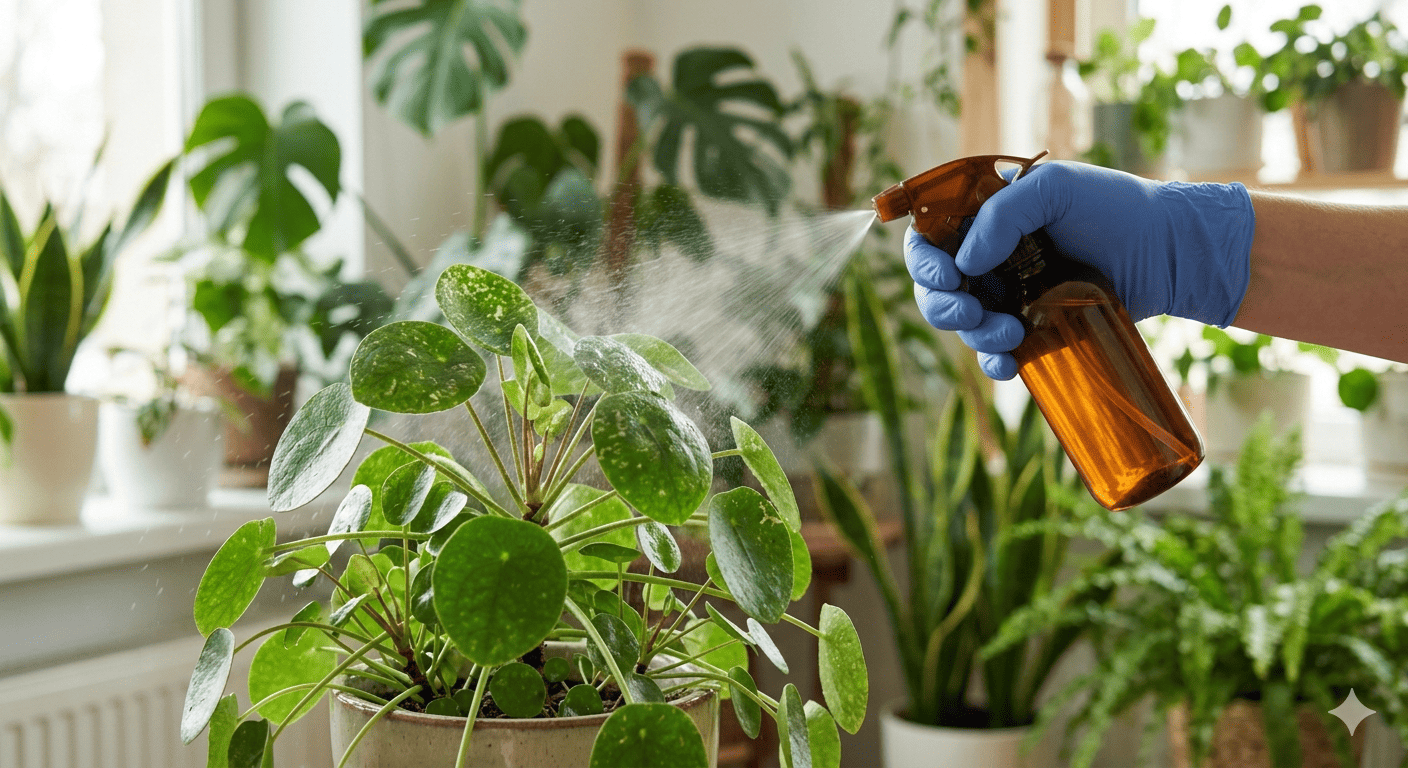
If your beloved houseplants are starting to look a little sad, with yellowing leaves, sticky residue, or tiny bugs crawling around the soil, you already know the frustration. Pests like spider mites, fungus gnats, mealybugs, and aphids can destroy a thriving indoor garden seemingly overnight. The good news? You don’t have to watch helplessly. Choosing the best insecticide for indoor plants can make a world of difference, without turning your living room into a chemical hazard zone.
This guide walks you through the top-rated, safe, and effective indoor plant insecticides available right now. Whether you’re worried about your cats, your kids, or your edible herbs on the kitchen windowsill, there’s a solution here for you.
Bottom Watering Plants: The Complete Guide
Why Choosing the Right Insecticide Matters for Indoor Plants
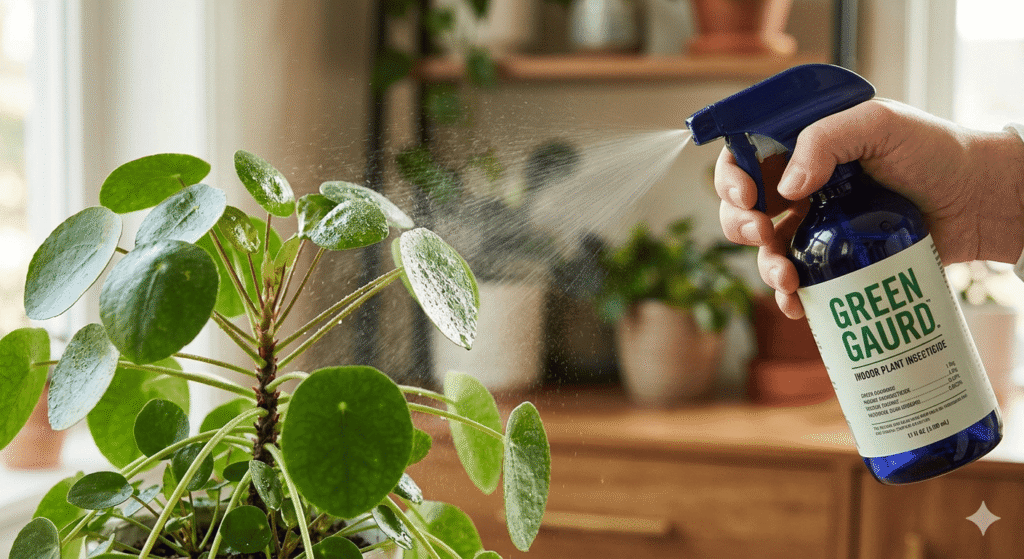
Indoor plant pest control is very different from outdoor gardening. Inside your home, ventilation is limited, and your family, pets, and even the air you breathe are all part of the equation. Many harsh chemical insecticides designed for outdoor use can cause respiratory irritation, leave dangerous residues on surfaces, or be outright toxic to cats and dogs.
That’s why the best approach is to choose insecticides that are specifically formulated or tested for indoor use, ideally ones that are non-toxic, plant-safe, and fast-acting. Let’s look at the top picks.
Best Insecticides for Indoor Plants
1. Bonide Neem Oil Spray Concentrate – Best Overall
Neem oil is one of the most trusted natural pest control options for indoor plants, and Bonide’s ready-to-use version is a standout. It tackles over 200 insect species including spider mites, aphids, whiteflies, and mealybugs, and it also fights fungal diseases like powdery mildew. It’s OMRI listed, meaning it meets certified organic standards, and it’s safe to use around pets and people when applied as directed.
- Active ingredient: Clarified hydrophobic extract of neem oil
- Best for: Spider mites, aphids, mealybugs, fungus gnats, whiteflies
- Pet and child safety: Safe when dry
Amazon link: View on Amazon
2. Natria Insecticidal Soap – Best for Soft-Bodied Insects
If you’re looking for a fast-acting, plant-safe insecticide spray that doesn’t linger, insecticidal soap is your answer. Natria’s formula is ready to use right out of the bottle and kills insects on contact by disrupting their cell membranes. It’s particularly effective against aphids, mites, and scale insects. Because it breaks down quickly, there’s minimal risk of toxic buildup on your plants or surfaces.
- Active ingredient: Potassium salts of fatty acids
- Best for: Aphids, spider mites, scale, whiteflies, mealybugs
- Pet and child safety: Generally considered safe; avoid direct contact while wet
Amazon link: View on Amazon
3. Miracle-Gro Nature’s Care Insect Killer – Best Budget Pick
Don’t let the budget-friendly price fool you. This organic-approved insect killer from Miracle-Gro is a powerful option for houseplant pest control. It uses natural pyrethrins derived from chrysanthemum flowers, making it effective against a wide range of insects while remaining safer than synthetic chemical alternatives. It’s a solid all-rounder for everyday indoor plant maintenance.
- Active ingredient: Pyrethrins (natural, plant-derived)
- Best for: General insect control on houseplants
- Pet and child safety: Keep pets away until dry
Amazon link: View on Amazon
4. Systemic Insect Killer– Best Systemic Insecticide for Houseplants
If topical sprays aren’t doing the trick, it might be time to go systemic. Bonide’s systemic insecticide is applied to the soil, where it’s absorbed by the plant’s root system and distributed throughout the entire plant. This means insects feeding on any part of the plant, including the undersides of leaves where most pests hide, ingest the active ingredient and die. It provides up to 8 weeks of protection per application.
- Active ingredient: Imidacloprid
- Best for: Persistent infestations, fungus gnats, aphids, scale
- Pet and child safety: Keep pets and children away from treated soil
- Note: Not recommended for edible plants
Amazon link: View on Amazon
5. Garden Safe HG-93179 Houseplant and Garden Insect Killer – Best for Edible Indoor Plants
Growing herbs or vegetables indoors? This is the one for you. Garden Safe’s formula is approved for use on edible plants, making it a rare and valuable option for people who grow basil, mint, tomatoes, or peppers indoors. It uses natural pyrethrin and is OMRI certified for organic use. Spray directly on pests and plants, and it begins working immediately.
- Active ingredient: Pyrethrins and piperonyl butoxide
- Best for: Edible indoor plants, herbs, vegetables
- Pet and child safety: Allow to dry before re-entry
Amazon link: View on Amazon
How to Choose the Best Insecticide for Your Indoor Plants
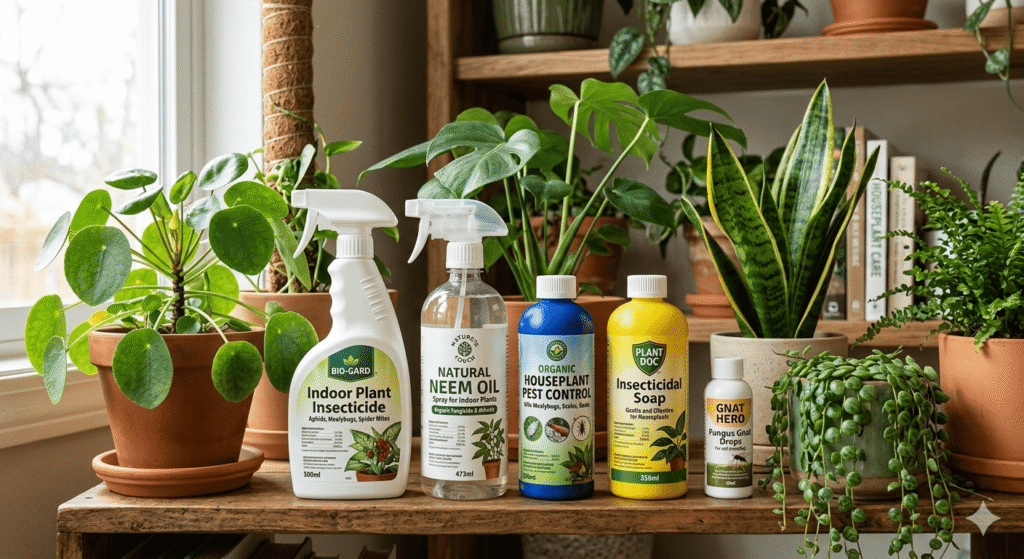
Not all insecticides are created equal, and what works for one situation might not work for another. Here are a few key factors to consider before you buy:
- Identify the pest first. Different insects respond to different treatments. Spider mites, for example, are arachnids and don’t respond to some insecticides. Knowing your pest helps you choose correctly.
- Consider your household. If you have cats, dogs, or small children, opt for organic or non-toxic formulas like neem oil or insecticidal soap.
- Check if your plants are edible. Only use insecticides labeled safe for edible crops on herbs and vegetables.
- Severity of infestation. Light infestations can be managed with soap sprays; severe ones may need a systemic insecticide.
- Ventilation in your space. Spray-based insecticides should always be used in well-ventilated areas, even if they are labeled as safe.
Tips for Safe and Effective Application Indoors
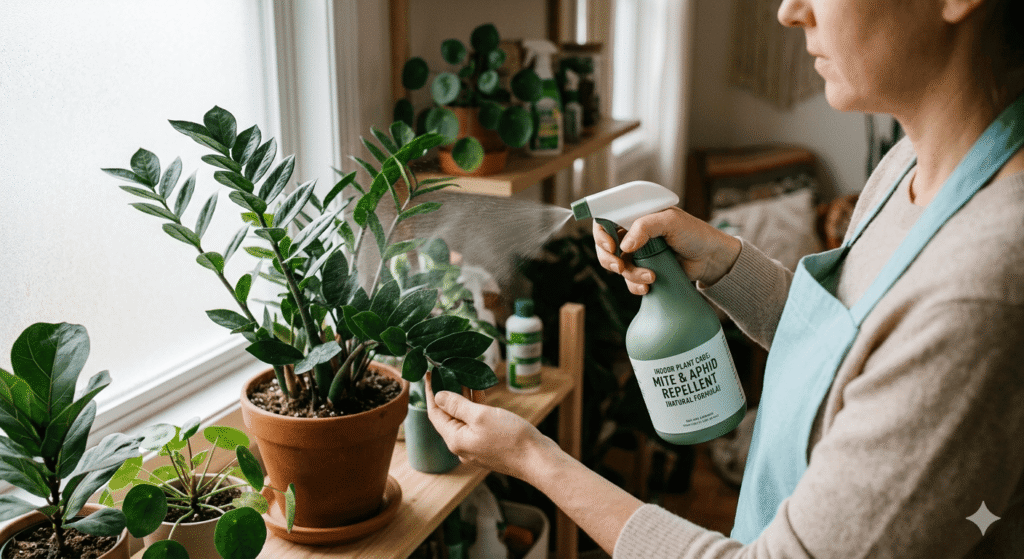
Even the safest natural insecticide can cause problems if misused. Follow these best practices to get results without putting your family or plants at risk:
- Always read the label before applying any product.
- Open windows or use a fan to ventilate the area during and after application.
- Apply in the early morning or evening to avoid leaf burn from sunlight reacting with the product.
- Spray the undersides of leaves where most pests lay their eggs.
- Repeat applications every 7 to 14 days for persistent infestations.
- Isolate the infested plant from others to stop the spread while treating.
Best Self-Watering Planters for Indoor Plants
Organic vs. Chemical Insecticides: Which Is Right for Indoor Use?
Organic insecticides like neem oil and insecticidal soap are derived from natural sources and tend to break down faster in the environment. They’re generally safer for indoor use, safer around pets and children, and less likely to cause plant toxicity. Their downside is that they may require more frequent application and may be less effective on severe infestations.
Chemical insecticides, including systemic options with imidacloprid, are more powerful and longer-lasting. They’re ideal for stubborn infestations but require extra care when used indoors. Always prioritize organic options first, and only escalate to chemical treatments when necessary.
Best Hanging Planters for Indoor Plants
Frequently Asked Questions (FAQ)
What is the safest insecticide for indoor plants?
Neem oil and insecticidal soap are generally considered the safest options for indoor plants. Both are derived from natural sources, break down quickly, and pose minimal risk to pets, children, and humans when used as directed.
Is there a non-toxic insecticide for indoor plants that is safe for cats?
Yes. Insecticidal soap sprays and diluted neem oil are among the safest choices for households with cats. However, always allow the product to fully dry before allowing pets near treated plants. Avoid products containing pyrethrins in concentrated amounts, as these can be harmful to cats.
Can I use insecticide on indoor edible plants like herbs?
Yes, but only use products specifically labeled as safe for edible crops. Garden Safe Houseplant and Garden Insect Killer is one option that is OMRI certified for organic use and approved for edible plants. Always wash herbs thoroughly before consuming them after any insecticide treatment.
How often should I apply insecticide to my indoor plants?
For most contact-based insecticides like soap sprays and neem oil, repeat applications every 7 to 14 days until the infestation is fully resolved. Systemic insecticides like Bayer’s granules can last up to 8 weeks per application.
What insecticide is best for fungus gnats on indoor plants?
Fungus gnats live in moist soil, so soil drenches work best. Bayer Systemic Insecticide applied to the soil targets the larvae directly. You can also let the top inch of soil dry out between waterings to discourage egg-laying, and use yellow sticky traps to catch adult gnats.