Some links on this Website are affiliate links, meaning we may earn a commission if you make a purchase, at no additional cost to you. Please read our full Affiliate Disclosure for more details.
If you have ever dreamed of snipping fresh basil for your pasta or tossing homegrown mint into a summer drink, container herb gardening makes that dream completely achievable, whether you have a sprawling backyard or just a sunny windowsill. But here is the thing most beginners do not realize: not all herbs play well together.
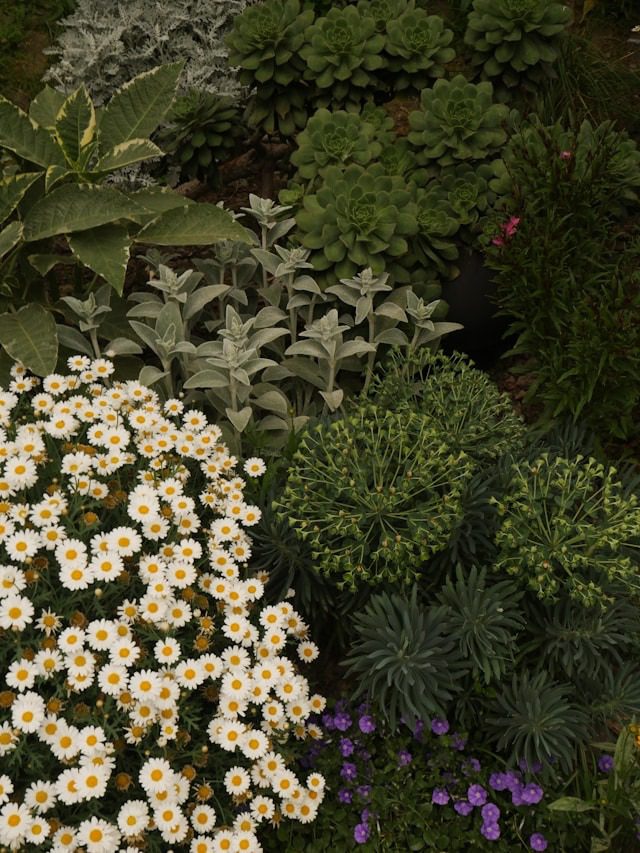
Pairing the wrong plants in the same pot can stunt growth, invite pests, and leave you with a disappointing harvest. On the flip side, knowing the best herbs to grow together in containers can supercharge your garden, save space, and even improve the flavor of your herbs naturally.
In this guide, we will walk you through the best herb combinations for container gardening, explain why companion planting works, and give you practical tips to get started today.
7 Easy Tips For Growing Plants Indoors
Are Garden Plants Dangerous for Dogs?
Why Herb Pairing Matters in Container Gardening
Container gardening is a balancing act. Unlike raised beds or open garden plots, pots have limited soil, water, and root space. When you plant herbs together in containers, they share all of those resources. That is why companion planting, which is the practice of growing mutually beneficial plants near each other, becomes especially important.
The right herb pairings can:
- Repel common pests like aphids and whiteflies naturally
- Attract beneficial pollinators to your garden
- Improve flavor through proximity (some gardeners swear by it!)
- Maximize limited container space efficiently
- Reduce the need for chemical pesticides
The Best Herb Combinations for Container Gardening
Here are some tried-and-tested herb pairings that work beautifully in pots.
1. The Mediterranean Trio: Rosemary, Thyme, and Oregano
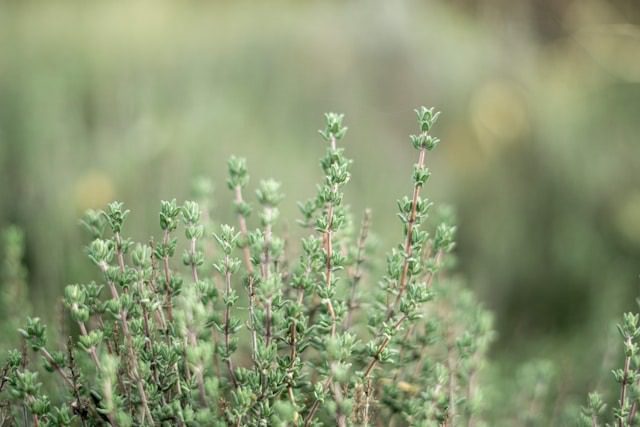
This is the gold standard of herb container gardening combinations. Rosemary, thyme, and oregano are all Mediterranean natives, which means they thrive under the same conditions: full sun, well-draining soil, and moderate watering. They are drought-tolerant and will not compete aggressively for moisture.
Why it works: These herbs share similar water and light needs, making maintenance easy. Rosemary also acts as a natural pest deterrent, keeping beetles and carrot flies away from its companions. This combo is perfect for a medium to large pot on a sunny balcony or patio.
2. The Italian Kitchen Pot: Basil, Parsley, and Chives
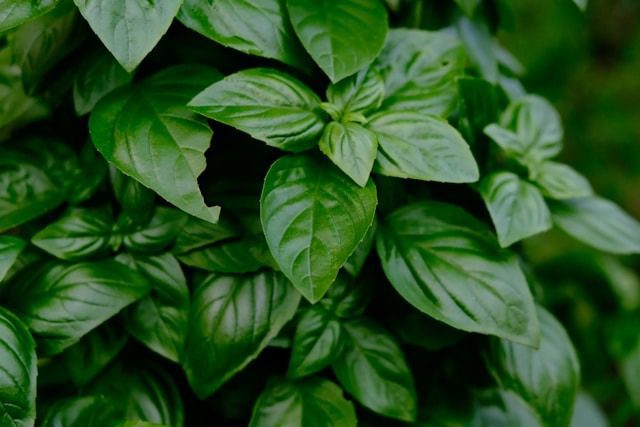
If you love to cook, this is the container herb garden combination for you. Basil, parsley, and chives all prefer consistently moist soil and moderate sunlight, making them great roommates in a single pot.
Why it works: Chives are known to repel aphids, which are one of basil’s biggest enemies. Parsley attracts predatory insects that feed on garden pests, adding an extra layer of natural pest control. Together, these three make a powerful and delicious combination that works great indoors near a kitchen window.
3. The Calming Container: Lavender, Chamomile, and Lemon Balm
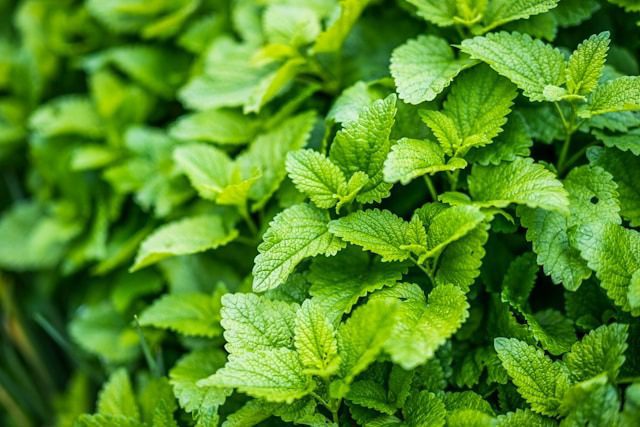
Looking for an herb container garden that doubles as a sensory experience? This trio of lavender, chamomile, and lemon balm is both beautiful and wonderfully fragrant. All three herbs prefer slightly drier conditions compared to moisture-loving herbs, and they do well in containers with good drainage.
Why it works: Lavender is a powerful pollinator magnet and natural mosquito repellent. Chamomile improves the growth of neighboring plants and is sometimes called the “physician of the garden.” Lemon balm deters gnats and mosquitoes while adding a cheerful lemony scent to your outdoor space.
4. The Mint Family Container: Mint, Lemon Balm, and Catnip
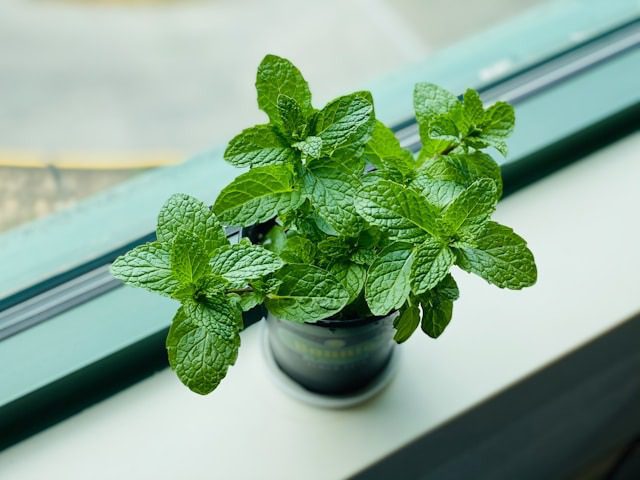
Mint is notoriously invasive in open garden beds, but it is actually a fantastic container plant because the pot keeps it contained. Pair it with lemon balm and catnip (both members of the mint family) and you get a pot full of fast-growing, aromatic herbs.
Why it works: These mint-family members all love moisture and partial shade, which means they thrive under the same care routine. As a bonus, this combination is a powerhouse pest deterrent, keeping ants, aphids, and flies away from your other container plants nearby.
Herbs That Should Not Be Planted Together in Pots
Just as important as knowing good pairings is knowing which herbs to keep apart. Here are a few combinations to avoid:
- Basil and Sage: Sage can inhibit basil’s growth and they have conflicting moisture needs.
- Fennel and Almost Everything: Fennel releases chemicals that suppress the growth of most other herbs and vegetables. Always plant it alone.
- Mint and Chamomile: Mint can quickly overpower chamomile due to its aggressive spreading nature.
- Dill and Lavender: These two have very different watering needs and will struggle to coexist in a single container.
Tips for a Thriving Container Herb Garden
Getting your herb container garden right goes beyond just choosing the right companions. Here are some key tips to make sure your herbs grow well together:
- Choose the right pot size: Most herb combinations do best in containers that are at least 12 inches wide and deep. Crowding plants too tightly will restrict root growth.
- Use quality potting mix: Regular garden soil compacts in containers and drains poorly. Use a high-quality potting mix with good aeration.
- Match water needs: Group herbs with similar watering requirements together. Mediterranean herbs like rosemary and thyme want dry conditions, while basil and parsley prefer consistently moist soil.
- Ensure adequate sunlight: Most culinary herbs need at least 6 hours of direct sunlight daily. Position your containers accordingly.
- Harvest regularly: Frequent harvesting encourages bushier growth and prevents your herbs from bolting (going to seed too quickly).
Indoor Herb Container Gardening: Best Combinations for Inside Your Home
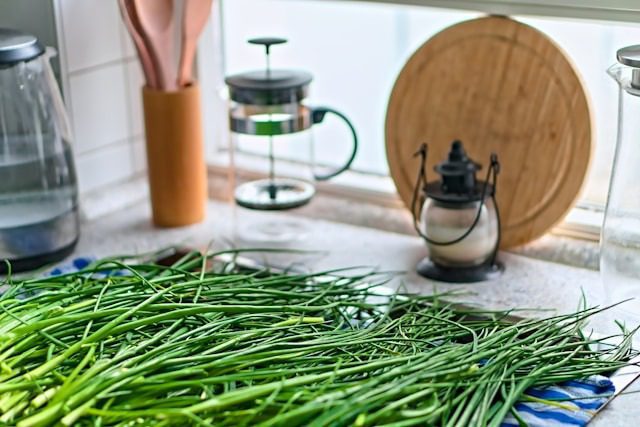
Not everyone has access to a sunny outdoor space, but that does not mean you cannot grow multiple herbs in one pot indoors. The key is choosing herbs that thrive in indoor light conditions and placing them near your brightest window, ideally south or west-facing.
The best indoor herb garden combinations include:
- Basil, chives, and parsley near a bright kitchen window
- Mint and lemon balm in a bathroom with natural light (they love humidity)
- Thyme and oregano on a sunny windowsill
If natural light is limited, a simple grow light placed 6 to 12 inches above your herbs can make a significant difference in plant health and productivity.
Frequently Asked Questions
What herbs can be planted together in a container?
The best herbs to plant together in containers are those with matching light and water requirements. Great combinations include rosemary, thyme, and oregano (all drought-tolerant); basil, parsley, and chives (all moisture-loving); and lavender, chamomile, and lemon balm (all prefer well-drained, drier conditions).
Which herbs should not be planted together in pots?
Avoid planting fennel with any other herb, as it releases growth-inhibiting compounds. Basil and sage do not do well together due to conflicting care needs. Mint should be kept away from chamomile since it tends to take over the container.
How many herb plants can fit in one container?
For a standard 12-inch pot, two to three herb plants is usually ideal. Larger containers (16 inches or more) can comfortably hold three to four herbs. Avoid overcrowding, as this leads to poor air circulation, root competition, and increased disease risk.
Can I grow herbs indoors in containers year-round?
Yes! Many herbs grow well indoors year-round as long as they get adequate light, either from a sunny south-facing window or a grow light. Basil, chives, parsley, mint, and thyme are all excellent choices for indoor container herb gardens.