You water your plants, rotate them for sunlight, and repot them every season. Then one morning you flip a leaf over and find a colony of tiny invaders. Frustrating, right? Whether it is spider mites, fungus gnats, aphids, or mealybugs, indoor plant pests are a very common headache for plant parents everywhere.
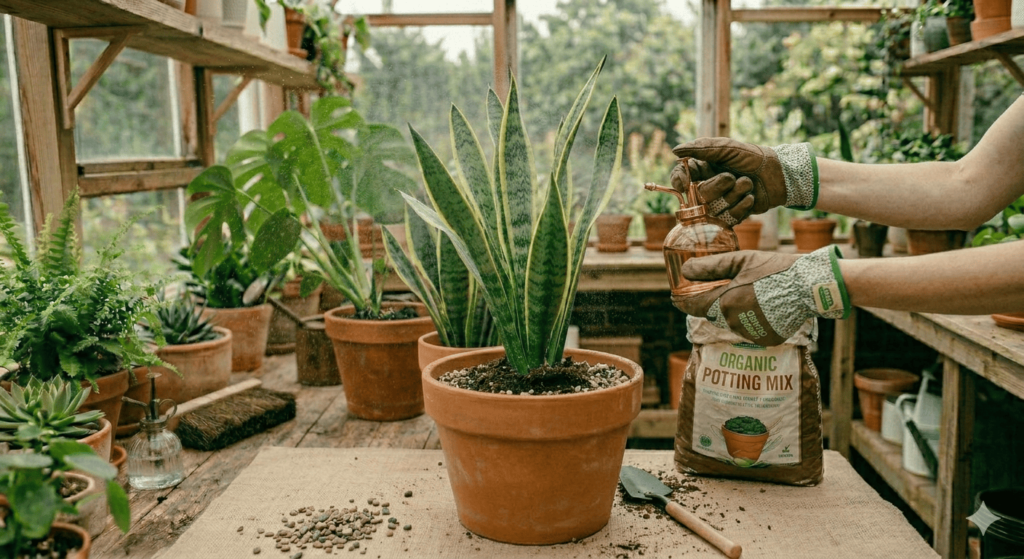
The good news is you do not have to reach for harsh chemical treatments that could harm your family, pets, or the plant itself. Today we are breaking down the best pest control sprays for indoor plants, with a strong focus on natural, non-toxic options that get the job done without the harmful side effects. Whether you are a seasoned plant collector or just getting started, this guide has something for you.
Why Choose Natural Pest Control for Indoor Plants?
When your plants are indoors, anything you spray stays in your living space. Chemical pesticides can leave residues on surfaces, linger in the air, and pose real risks to children and pets. Natural and organic pest control sprays, on the other hand, break down more quickly, are generally safer to use around the home, and are kinder to the environment.
Beyond safety, many natural sprays are just as effective as their chemical counterparts when used correctly and consistently. They work by disrupting the pest’s biology, suffocating eggs, or acting as a deterrent rather than a long-lasting toxic coating. The result is a healthier plant and a safer home.
Best Self-Watering Planters for Indoor Plants
Common Indoor Plant Pests You Need to Tackle
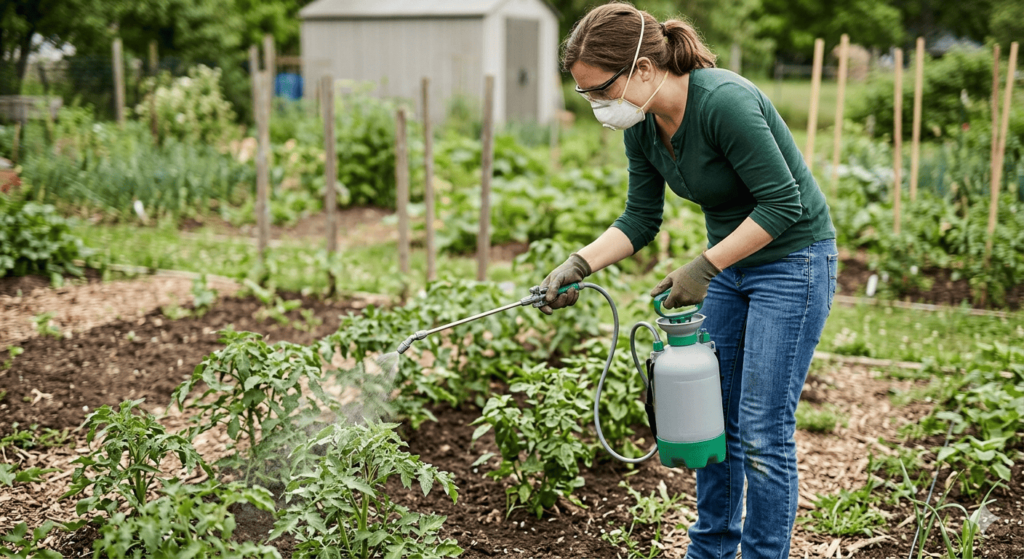
Before choosing the right pest control sprays, it helps to know what you are dealing with. Here are the most frequent offenders:
- Spider mites fine webbing under leaves, tiny moving dots
- Fungus gnats small flies hovering around soil, larvae damaging roots
- Aphids soft-bodied insects clustering on new growth and stems
- Mealybugs white cottony masses in leaf joints and on stems
- Scale insects brown bumps on stems that look like part of the plant
Each pest responds slightly differently to treatments, so identifying the problem first will help you pick the most effective spray.
Best Potting Mix for Indoor Plants
20 Best Indoor Plants for Low Light Apartments
The Best Pest Control Sprays for Indoor Plants
Here are some of the top-rated natural pest control sprays you can find on Amazon, along with what makes each one a solid choice for indoor use.
1. Bonide Captain Jack’s Neem Oil Spray
Neem oil is one of the most well-known natural insecticides available, and Bonide Captain Jack’s Neem Oil is one of the most trusted formulations on the market. Derived from the neem tree, this spray works as an insecticide, miticide, and fungicide all in one. It disrupts the life cycle of pests at every stage, from egg to adult, making it highly effective against aphids, mites, whiteflies, and more.
Why we like it: It is OMRI listed for organic use, meaning it meets strict organic standards. It is also safe to use on edible plants if you happen to have an indoor herb garden.
Available on Amazon: Bonide Captain Jack’s Neem Oil
2. Garden Safe Insecticidal Soap Insect Killer
If you are looking for a safe bug spray for indoor plants that works fast on contact, insecticidal soap is your best bet. Garden Safe’s formula uses potassium salts of fatty acids to penetrate and break down the cell membranes of soft-bodied insects like aphids, mealybugs, and spider mites. It leaves no harmful residue once it dries.
Why we like it: It is ready to use right out of the bottle, making it perfect for beginners. It is also OMRI listed and safe to use around kids and pets when used as directed.
Available on Amazon: Garden Safe Insecticidal Soap
3. Natria Insect, Disease and Mite Control Spray
Natria offers a multi-action organic spray that combines insecticidal soap with neem oil extract, giving you the benefits of both in a single bottle. It targets over 100 insect species and also helps control common fungal diseases like powdery mildew and black spot, which often accompany pest infestations on houseplants.
Why we like it: The dual-action formula means you are treating the bug problem and protecting against disease at the same time. It is also non-toxic once dry, making it a practical choice for homes with pets or children.
Available on Amazon: Natria Insect, Disease and Mite Control
4. Flying Skull Nuke Em Organic Pesticide
Flying Skull Nuke Em is a powerful yet plant-safe insect killer made from food-grade ingredients. It is especially effective against spider mites, whiteflies, and thrips. Unlike some organic sprays that need time to work, Nuke Em kills on contact and is safe to use right up to the day of harvest on edibles. It leaves no residue and has no offensive odor, which makes it very indoor-friendly.
Why we like it: It is one of the few organic pest control spray with zero heavy metals and is approved for use in certified organic operations. If you want something that works fast indoors without any smell, this is a top pick.
Available on Amazon: Flying Skull Nuke Em Organic Pesticide
5. Trifecta Crop Control Super Concentrate
If you have a large collection of houseplants or want a concentrate you can dilute to suit different plants and infestation levels, Trifecta Crop Control is an excellent all-in-one solution. It uses a blend of essential oils including thyme, clove, and peppermint combined with corn oil and citric acid. This combination smothers and kills a wide range of insects, mites, and mold spores on contact.
Why we like it: As a concentrate, it offers great value for money, and the essential oil base means it smells pleasant compared to most pest sprays. It works on everything from gnats to powdery mildew and is safe for use around people and pets.
Available on Amazon: Trifecta Crop Control Super Concentrate
DIY Neem Oil Spray Recipe for Indoor Plants
If you prefer to make your own homemade pest control spray for plants, here is a simple neem oil recipe that works well for most common houseplant pests:
- 1 liter of warm water
- 2 teaspoons of cold-pressed neem oil
- 1 teaspoon of mild liquid dish soap or castile soap (acts as an emulsifier)
Mix everything together in a spray bottle and shake well before each use. Apply generously to both sides of leaves and along stems, repeating every 7 to 10 days until the infestation clears. Always test on one leaf first and wait 24 hours before treating the whole plant.
Tips for Getting the Most Out of Your Plant-Safe Insect Spray
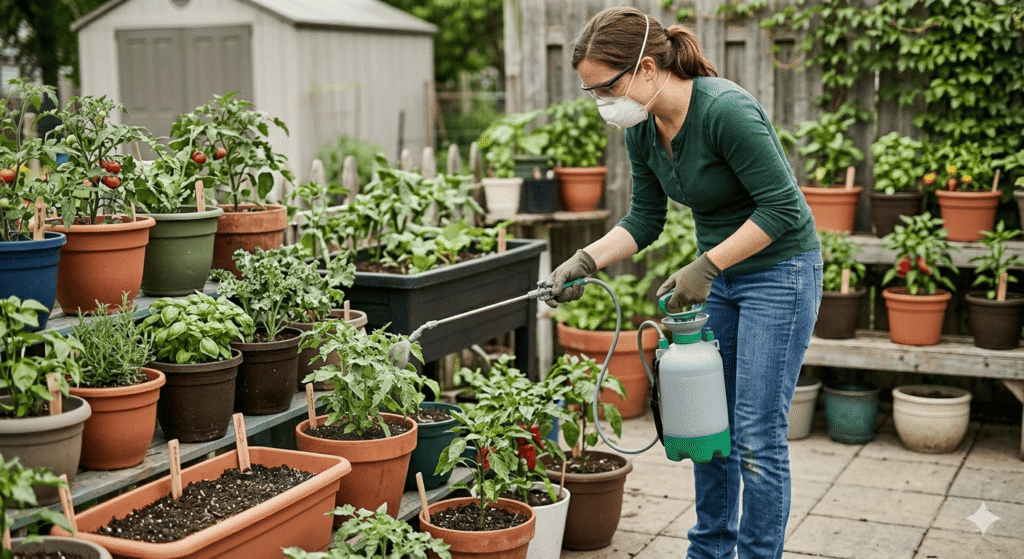
- Spray in the evening or in low light conditions to avoid leaf burn, especially with oil-based sprays.
- Cover both sides of leaves, since most pests hide on the undersides.
- Be consistent. Most natural sprays need multiple applications over a few weeks to fully eliminate a pest population.
- Isolate affected plants immediately to prevent pests from spreading to healthy plants.
- Improve air circulation, as stagnant air and overwatering create the perfect environment for pests and mold.
7 Common Repotting Mistakes You Must Avoid for Healthy Plants
Frequently Asked Questions (FAQ)
What is the safest pest control spray for indoor plants?
Insecticidal soap sprays and neem oil-based sprays are generally considered the safest options for indoor use. They are plant-derived, non-toxic once dry, and safe around children and pets when used as directed. Products like Garden Safe Insecticidal Soap and Bonide Captain Jack’s Neem Oil are popular choices among indoor gardeners.
How often should I spray my indoor plants for pests?
For active infestations, most natural pest sprays should be applied every 7 to 10 days for at least three to four weeks. This ensures you are targeting pests at all stages of their life cycle, including newly hatched eggs. As a preventive measure, once a month is typically sufficient.
Is neem oil safe to use on all indoor plants?
Neem oil is safe for most indoor plants, but it can occasionally cause leaf burn on sensitive or thin-leaved plants. Always do a patch test on one leaf and wait 24 to 48 hours before spraying the whole plant. Avoid using it on stressed or drought-stressed plants, as they may react more strongly.
Can I use dish soap as a bug spray for indoor plants?
A small amount of mild liquid dish soap can be mixed with water to create a basic insecticidal spray. However, it is not as effective as a purpose-formulated insecticidal soap, and some dish soaps contain additives that can harm plants. For better results, use a dedicated product like castile soap or a commercially tested insecticidal soap.
What kills spider mites on indoor plants naturally?
Spider mites can be effectively controlled with neem oil spray, insecticidal soap, or a product like Flying Skull Nuke Em, which kills on contact. Make sure to spray the undersides of leaves where spider mites typically live. Increasing humidity around your plants also makes the environment less hospitable to mites, as they thrive in dry conditions.