Some links on this Website are affiliate links, meaning we may earn a commission if you make a purchase, at no additional cost to you. Please read our full Affiliate Disclosure for more details.
You picked a beautiful plant, brought it home, and then stood in the garden store aisle for ten minutes staring at pots wondering which one to grab. Sound familiar? Choosing the best pot for houseplants is one of those decisions that feels small but actually has a big impact on whether your plant thrives or struggles. The wrong pot can lead to root rot, underwatering, stunted growth, or a plant that just never seems to settle in.
The good news is that once you understand a few key factors, pot selection becomes straightforward. This guide covers everything you need to know, from pot materials and drainage to sizing and plant type matching, so you can make the right call every time.
Best Self-Watering Planters for Indoor Plants
Why the Right Pot Matters More Than You Think
A plant pot is not just a container. It directly influences how much moisture the soil holds, how well the roots breathe, and how quickly or slowly the growing medium dries out. Different plants have very different needs, and matching those needs to the right pot material, size, and drainage setup is one of the most effective ways to improve your plant care results.
Overwatering is the number one killer of houseplants, and a pot without proper drainage is usually the root cause. On the flip side, a pot that dries out too fast will leave moisture-loving plants stressed. Getting the pot right gives you a much better baseline to work from.
Understanding Pot Materials and What They Mean for Your Plants
The material a pot is made from affects how moisture moves through it. Here is a breakdown of the most common options and which plants do best in each.
Terracotta Pots
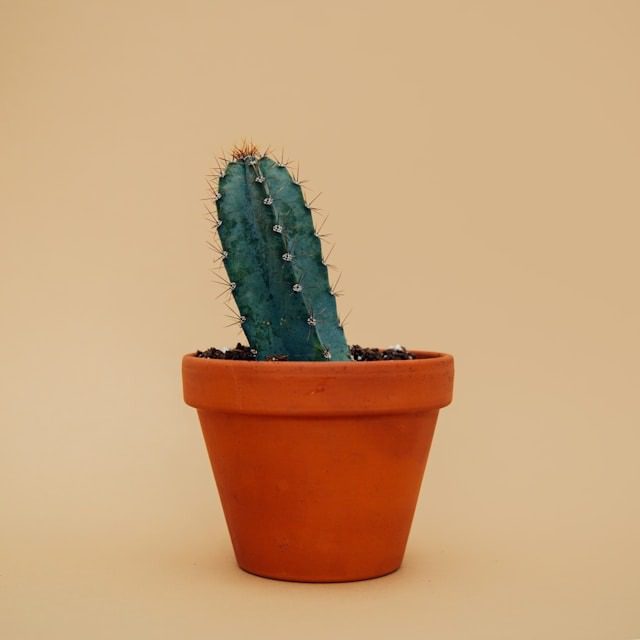
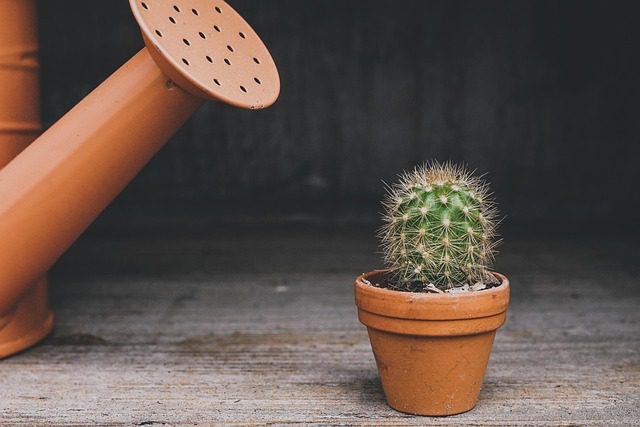
Terracotta is unglazed clay, and it is naturally porous. This means water and air pass through the walls of the pot, which helps the soil dry out more evenly. Terracotta pots are ideal for succulents, cacti, and any plant that prefers a drier root environment. They are also great for beginners because they make it harder to overwater. The downside is that they dry out quickly, so plants that need consistently moist soil may struggle without frequent watering. A good example to consider is a
classic unglazed terracotta pot Check the latest price, which works wonderfully for herbs, snake plants, and succulents.
Ceramic Pots
Glazed ceramic pots are less porous than terracotta, which means they retain moisture longer. This makes them a solid choice for tropical houseplants like pothos, peace lilies, and ferns that prefer their soil to stay evenly moist. Ceramic pots are also heavier, which adds stability for taller plants. The weight can be a downside if you move your plants often, but the visual appeal and moisture retention make them a popular indoor planting option.
Plastic Pots
Plastic is affordable, lightweight, and retains moisture well. For plants like calatheas, ferns, and peace lilies that need consistent hydration, plastic pots are a practical choice. They are also easy to move, which is useful if you rotate plants to follow sunlight. The main drawback is that cheap plastic can degrade over time with UV exposure, though this matters less for indoor use. Look for thick-walled options for better durability.
Self-Watering Pots
Self-watering pots include a built-in reservoir that delivers water to the roots as needed. These are excellent for busy plant parents or anyone who travels frequently. The Phoenix Vine Self-Watering Planter Pot is a well-designed option that combines a porous terracotta insert with a deep water reservoir and a ceramic-like exterior. It keeps moisture levels consistent without frequent watering, making it a great pick for ferns, pothos, and tropical plants. Check the latest price.
Drainage: The Non-Negotiable Factor
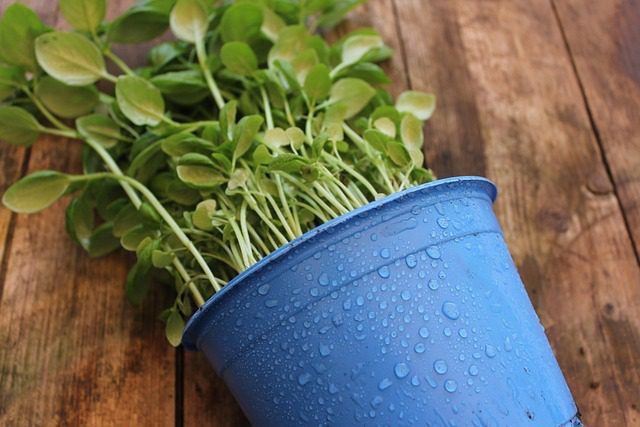
Every pot you choose for an indoor plant should have at least one drainage hole. Without drainage, excess water sits at the bottom of the pot and creates the perfect conditions for root rot. Even plants that like moisture still need water to move through the soil, not pool underneath it.
If you fall in love with a decorative pot that has no drainage, use it as a cache pot. Pot your plant in a plain nursery pot with drainage and then set it inside the decorative cover pot. This way you get the look you want without risking your plant’s health. Just be sure to empty the outer pot after watering so roots are not sitting in standing water.
How to Choose the Right Pot Size for Your Houseplant
Pot size is one of the most overlooked aspects of choosing the best pot for indoor plants. Many people assume bigger is better, but that is not the case with houseplants.
Why Too-Large Pots Cause Problems
When a pot is significantly larger than the root ball of your plant, the excess soil holds moisture for a long time without roots absorbing it. This creates a wet, oxygen-poor environment around the roots, which encourages rot and fungal issues. A pot that is one to two inches wider in diameter than the current root ball is the sweet spot for most houseplants.
When to Go Up a Size
You should repot your plant into a slightly larger container when you notice roots growing out of the drainage holes, the plant drying out within a day or two of watering, or visible roots circling the inside of the pot. When repotting, choose a pot that is only one to two inches larger in diameter than the current one. Jumping several sizes at once almost always causes more harm than good.
5 Best Gardening light meter For Plant Care
How To Aerate The Soil In A Potted Plant
Matching the Pot to Your Plant Type
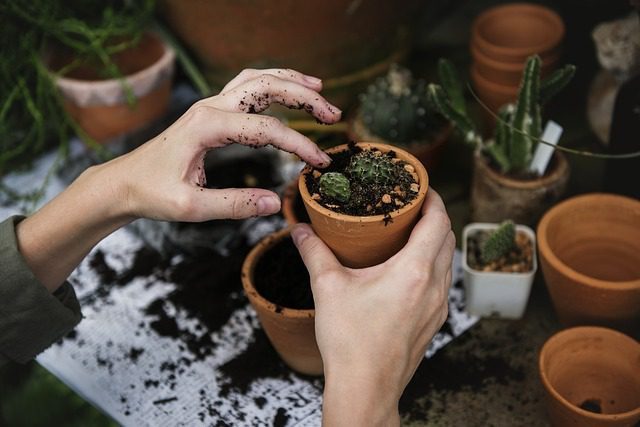
Different plants have very different requirements. Here is a quick reference to help you match pot type to plant type.
- Succulents and cacti: Terracotta pots with drainage holes. These plants need their roots to dry out fully between waterings.
- Tropical foliage plants (pothos, philodendron, monstera): Plastic or glazed ceramic pots that retain some moisture. Drainage is still essential.
- Ferns and moisture-loving plants: Self-watering pots or glazed ceramic work well. These plants struggle when the soil dries out too fast.
- Herbs: Terracotta or unglazed clay pots with good drainage. Herbs like basil and rosemary prefer drier soil between waterings.
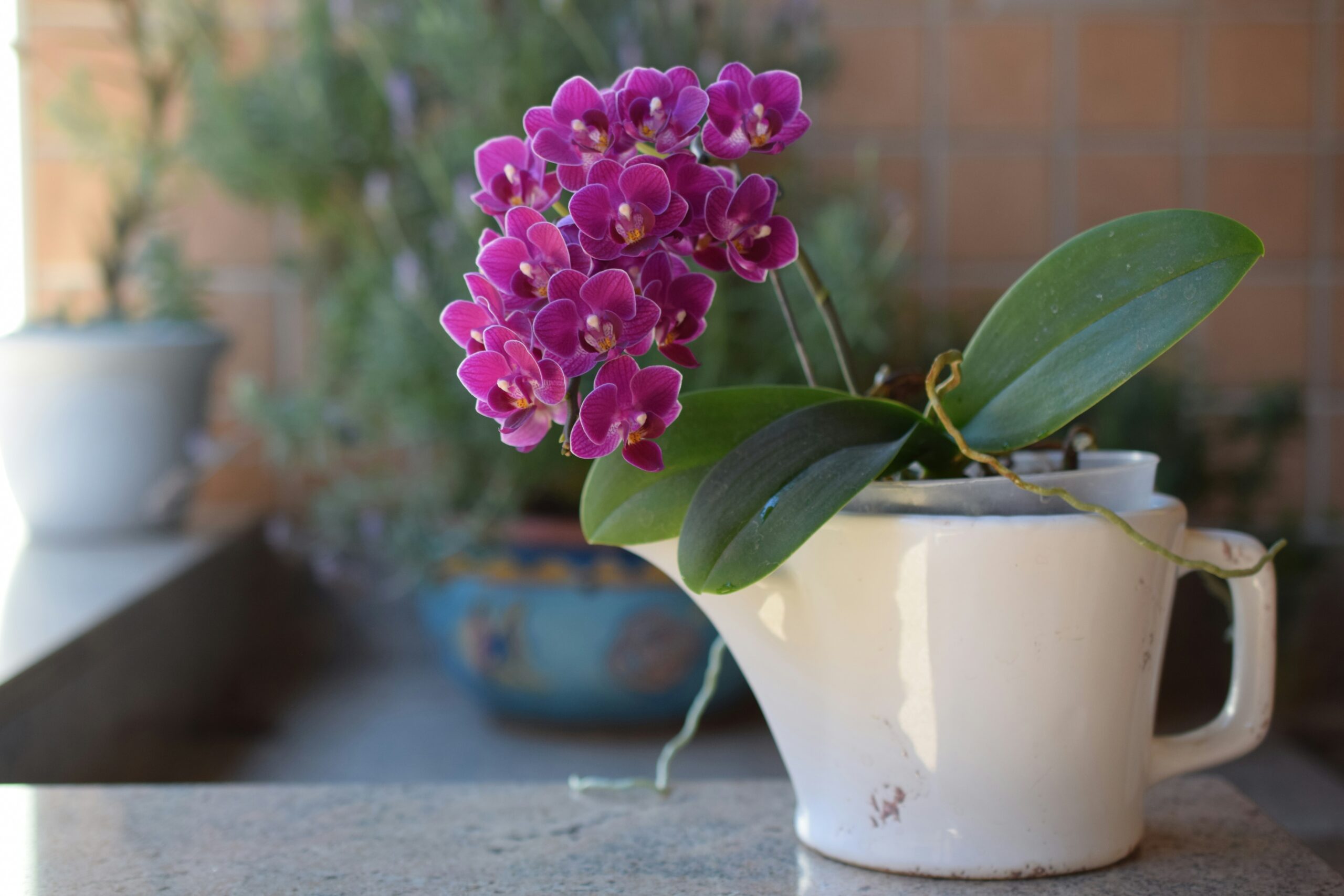
- Orchids: Clear plastic or slotted orchid pots that allow light to reach roots and promote excellent airflow.
How Much Sun Does an Azalea Plant Need?
Other Things to Consider When Buying Plant Pots
Beyond material and size, a few other factors are worth keeping in mind when selecting indoor plant pots.
- Weight: If you frequently move your plants to follow light or for cleaning, lightweight plastic or fabric pots make life easier.
- Color: Dark-colored pots absorb more heat, which can affect soil temperature and moisture evaporation. Light-colored pots are better for plants in direct sunlight.
- Saucers: Always pair a drainage pot with a saucer to protect your surfaces. Empty the saucer within an hour of watering to prevent the soil from reabsorbing standing water.
Frequently Asked Questions
What is the best pot material for indoor plants?
It depends on the plant. Terracotta is best for plants that prefer dry soil, like succulents and herbs. Glazed ceramic or plastic works better for moisture-loving tropical plants. Self-watering pots suit plants that need consistent hydration and are great for beginners.
Does pot size really affect plant health?
Yes, significantly. A pot that is too large holds excess moisture around the roots, which can cause root rot. A pot that is too small restricts root growth and causes the plant to dry out too quickly. Aim for a pot that is one to two inches wider than the plant’s current root ball.
Can I use a pot without drainage holes?
You can, but it is risky. Without drainage, water accumulates at the bottom and creates conditions for root rot. A safer approach is to use a decorative pot without drainage as a cache pot and place a nursery pot with drainage inside it. This protects your plant while preserving the aesthetic.
How do I know when it is time to repot my plant?
Common signs include roots growing out of the drainage holes, soil drying out unusually fast, roots visibly circling inside the pot, or slowed growth during the growing season. When you repot, move up only one to two pot sizes to avoid overwatering issues.
Are self-watering pots good for all houseplants?
Self-watering pots work well for plants that prefer consistent moisture, like ferns, pothos, peace lilies, and tropical varieties. They are not ideal for succulents and cacti, which need their soil to dry out completely between waterings. For those plants, stick with terracotta.
How To Care For Basil Plant Indoors