Some links on this Website are affiliate links, meaning we may earn a commission if you make a purchase, at no additional cost to you. Please read our full Affiliate Disclosure for more details.
If you have ever watched a beautiful houseplant slowly wilt despite your best efforts, the problem might not be your watering routine or how much sunlight the plant gets. More often than not, it comes down to one thing: the soil. Choosing the best potting mix for indoor plants is one of the most important decisions you can make as a plant parent, and it is something most people get wrong.
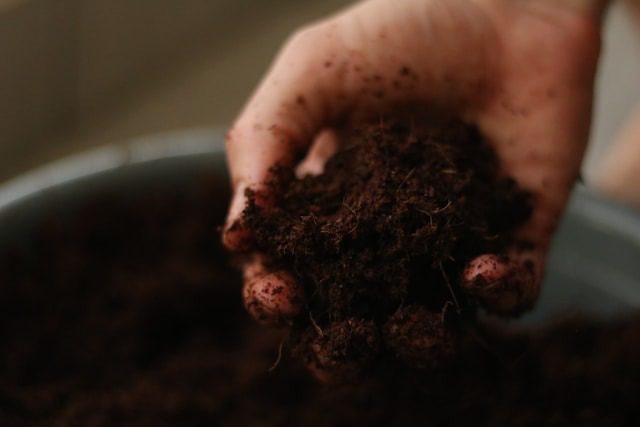
Unlike garden soil, indoor plants live in a confined space with limited airflow. That means the soil needs to do a lot of heavy lifting: holding just enough moisture without becoming waterlogged, providing nutrients, and allowing roots to breathe. The wrong mix can suffocate roots, invite pests like fungus gnats, or drain so fast the plant never absorbs enough water.
To help you find the right match, we tested and reviewed some of the most popular potting mixes available on Amazon. Whether you are growing tropical beauties, succulents, or leafy greens indoors, there is something on this list for you.
7 Easy Tips For Growing Plants Indoors
What Makes a Good Potting Mix for Indoor Plants?
Before diving into specific products, it helps to understand what you are actually looking for in houseplant potting soil. A quality indoor potting mix should:
- Drain well while retaining some moisture
- Be light and airy to allow root oxygenation
- Be free of pests, weed seeds, and pathogens
- Contain the right balance of nutrients
- Work for the specific type of plant you are growing
Most commercial mixes include a blend of peat moss or coco coir, perlite, and sometimes bark or compost. The ratio matters a lot. A mix heavy on peat tends to hold moisture well, which suits tropical plants. A mix with lots of perlite drains fast, which is ideal for succulents and cacti.
How to Grow Rosemary in A Pot Indoors and Outdoors
Best Potting Mix for Indoor Plants: Our Top Picks
1. Miracle-Gro Indoor Potting Mix
Amazon Link: Buy on Amazon
Miracle-Gro is one of the most trusted names in gardening, and their indoor potting mix lives up to the reputation. Formulated specifically for container plants, it contains a blend of sphagnum peat moss, perlite, and fertilizer that feeds plants for up to six months. It is lightweight, easy to work with, and widely available.
What we loved: Great moisture retention, minimal fungus gnat issues (it is less prone to attracting gnats compared to mixes with compost), and consistent results across a wide range of houseplants including pothos, peace lilies, and philodendrons.
Best for: General houseplants, tropical indoor plants, foliage plants.
How To Care For Basil Plant Indoors
2. FoxFarm Ocean Forest Potting Soil
Amazon Link: Buy on Amazon
FoxFarm Ocean Forest is a premium, nutrient-dense potting mix that plant enthusiasts swear by. It combines earthworm castings, bat guano, sea-going fish and crab meal, and forest humus into a rich, well-draining blend. The pH is adjusted to 6.3 to 6.8, which is the ideal range for most houseplants to absorb nutrients efficiently.
What we loved: Exceptional nutrient content means you can hold off on fertilizing for longer than with most mixes. Plants potted in Ocean Forest tend to show vigorous growth early on. The texture is light and well-aerated, which roots absolutely love.
Best for: Nutrient-hungry plants, ferns, calatheas, and any plant you want to see really take off.
3. Hoffman 10404 Organic Cactus and Succulent Soil Mix
Amazon Link: Buy on Amazon
If you are growing succulents or cacti indoors, you need a potting mix that drains fast and dries out quickly. The Hoffman Cactus and Succulent Soil Mix is specifically designed for exactly that. It contains Canadian sphagnum peat moss, reed sedge peat, perlite, and sand, creating a gritty, fast-draining blend that mimics the natural desert habitat of these plants.
What we loved: It keeps roots dry and happy, significantly reducing the risk of root rot, which is the number one killer of succulents. It is also affordable, making it a great option if you have a large collection.
Best for: Succulents, cacti, aloe vera, and other drought-tolerant indoor plants.
4. Espoma Organic Potting Soil Mix
Amazon Link: Buy on Amazon
For those who prefer an organic approach, Espoma Organic Potting Mix is a standout choice. It is enriched with myco-tone, a blend of beneficial mycorrhizae that help plant roots absorb water and nutrients more efficiently. The mix contains sphagnum peat moss, humus, and perlite, and it is 100% organic with no synthetic chemicals.
What we loved: The mycorrhizal inoculants genuinely seem to make a difference. Plants potted in Espoma tend to establish faster and require less frequent watering once settled. It is also a great choice for anyone growing edible indoor plants.
Best for: Organic gardeners, edible plants, herbs, and anyone who wants a natural, eco-friendly option.
Potting Mix vs Potting Soil: What Is the Difference?
A lot of people use these terms interchangeably, but they are actually different products. Potting soil contains actual soil, which can be too dense and heavy for container plants. It may compact over time, restricting drainage and root growth. Potting mix, on the other hand, is a soil-less blend designed specifically for containers. It is lighter, better aerated, and less likely to carry soil-borne pathogens. For indoor plants, a quality potting mix is almost always the better choice.
What Causes Root Rot In Orchids?
How to Make Potting Mix for Indoor Plants at Home
If you prefer a DIY approach or want to tweak a mix for specific plants, making your own indoor potting mix is simpler than it sounds. A good all-purpose recipe is: 60% peat moss or coco coir, 30% perlite, and 10% compost or worm castings. For succulents, increase the perlite to about 50% and add coarse sand. For tropical plants that love moisture, reduce the perlite and add more coco coir.
Tips for Choosing the Best Soil for Houseplants
- Match the mix to your plant type. Succulents need fast-draining mixes. Tropical plants prefer moisture-retentive blends.
- Check the ingredients. A good mix should list perlite or vermiculite for drainage and peat or coco coir as a base.
- Avoid mixes with large bark chunks for small pots. They create air pockets that can dry out roots unevenly.
- Refresh your potting mix every one to two years. Over time, the mix breaks down and loses its structure.
- Watch out for fungus gnats. If gnats are a recurring issue, choose a mix with less compost or add a layer of sand to the top of the pot.
Frequently Asked Questions (FAQ)
What is the best potting mix for tropical indoor plants?
Tropical plants like pothos, monsteras, and calatheas thrive in a moisture-retentive but well-draining mix. Look for blends with a high coco coir or peat moss content, plus some perlite for aeration. FoxFarm Ocean Forest and Espoma Organic are both excellent choices for tropical houseplants.
How often should I change the potting mix for indoor plants?
As a general rule, you should refresh or replace your potting mix every one to two years. Over time, the mix compacts, loses its airy structure, and becomes depleted of nutrients. Signs it is time to repot include slow growth, water draining too slowly, or roots poking out of the drainage holes.
Can I use regular garden soil for indoor plants?
It is not recommended. Garden soil is too dense for containers and does not drain well indoors. It can compact around roots, suffocating them, and may carry pests or diseases. Always use a dedicated indoor potting mix for houseplants.
What potting mix is best for a peace lily indoors?
Peace lilies prefer a well-draining mix that still holds some moisture. Miracle-Gro Indoor Potting Mix works very well for peace lilies. You can also improve drainage by adding a small amount of perlite if your peace lily tends to sit in soggy soil.
How do I stop fungus gnats in my indoor potting mix?
Fungus gnats are attracted to moisture and organic matter near the surface of the soil. To reduce them, choose a potting mix that is less rich in compost, allow the top inch of soil to dry out between waterings, and consider adding a thin layer of coarse sand or perlite on top of the potting mix. Sticky traps also help manage adult gnats effectively.
How To Make A Succulent Terrarium For Indoor Plants