Some links on this Website are affiliate links, meaning we may earn a commission if you make a purchase, at no additional cost to you. Please read our full Affiliate Disclosure for more details.
If you have ever struggled with droopy leaves, soggy soil, or mysterious root rot, the way you are watering your plants might be the culprit. Bottom watering plants is one of the simplest yet most effective techniques you can add to your plant care routine, and once you try it, you may never go back to pouring water from the top again.
This method encourages roots to grow downward in search of moisture, builds stronger root systems, and dramatically reduces the risk of common watering problems. Whether you are caring for a delicate African violet, a tray of seedlings, or a collection of succulents, bottom watering can make a real difference.
In this guide, you will learn exactly what the bottom watering method is, how to do it correctly, which plants love it, and how it stacks up against traditional top watering.
What Causes Root Rot In Orchids?
What Is the Bottom Watering Method?
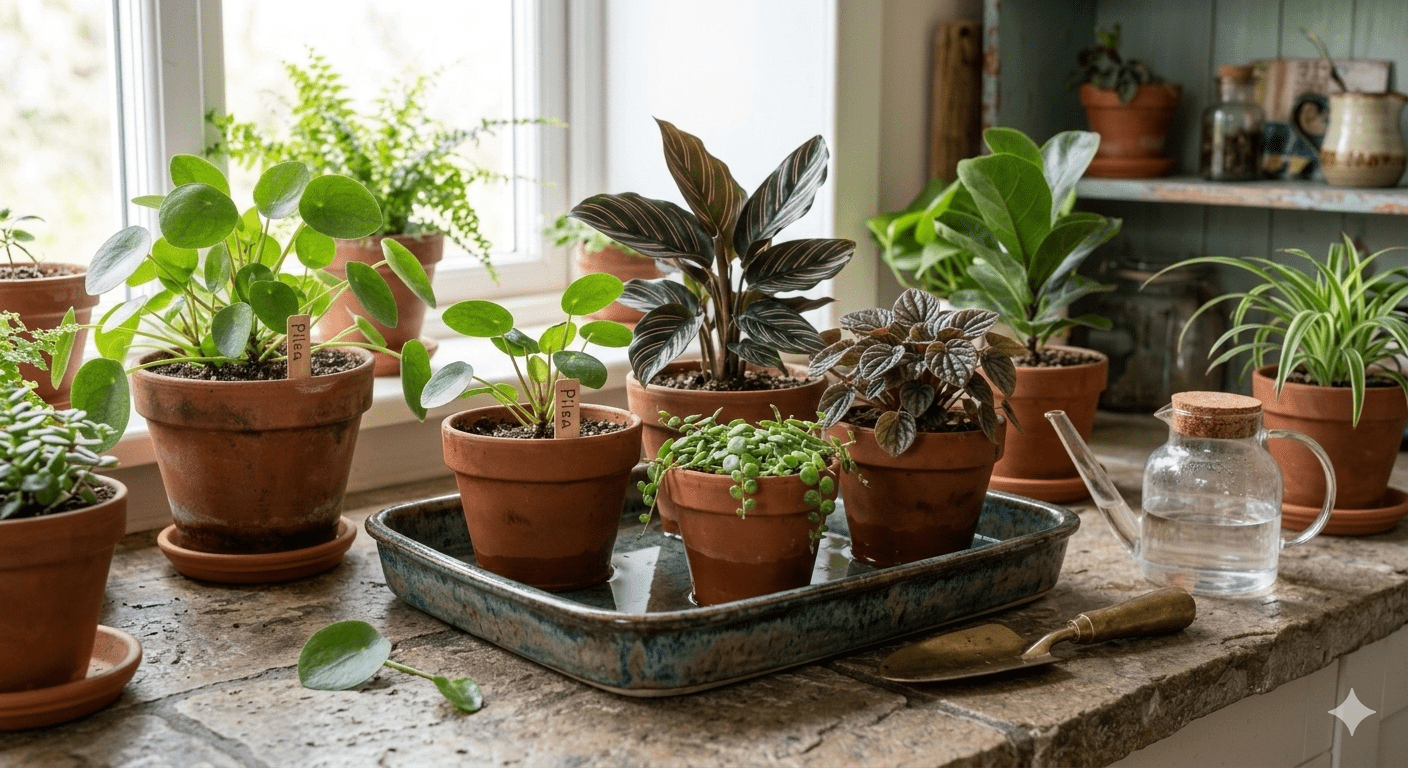
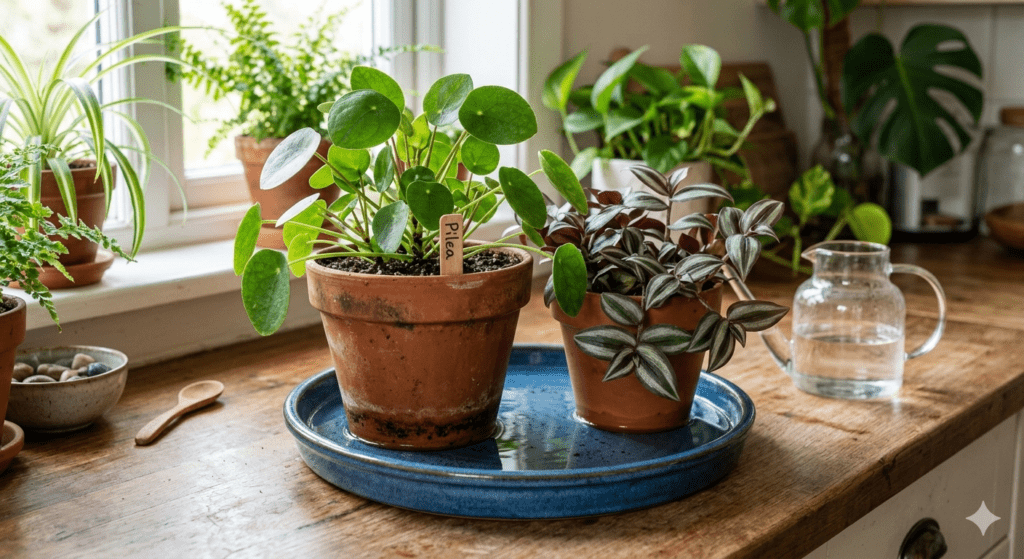
Bottom watering, sometimes called sub-irrigation, is exactly what it sounds like: instead of pouring water onto the top of your soil, you place your pot in a shallow tray or container of water and let the soil soak it up from the bottom through the drainage holes.
The process relies on capillary action, which is the natural ability of water to move upward through small spaces in the soil. As the dry soil at the top pulls moisture upward, the roots absorb what they need along the way. The result is evenly moist soil and roots that are encouraged to stretch deep rather than staying shallow near the surface.
It is a passive, gentle technique that works in harmony with how plants naturally seek water in the wild. And the best part? It is remarkably simple to do at home.
How To Care For African Violets Indoors
How To Aerate The Soil In A Potted Plant
How to Bottom Water Plants: Step by Step
You do not need any special equipment to get started. Here is how to bottom water your plants properly:
What You Need
- A plant pot with drainage holes in the bottom
- A shallow tray, bowl, or sink filled with room-temperature water
- About 20 to 30 minutes of patience
The Process
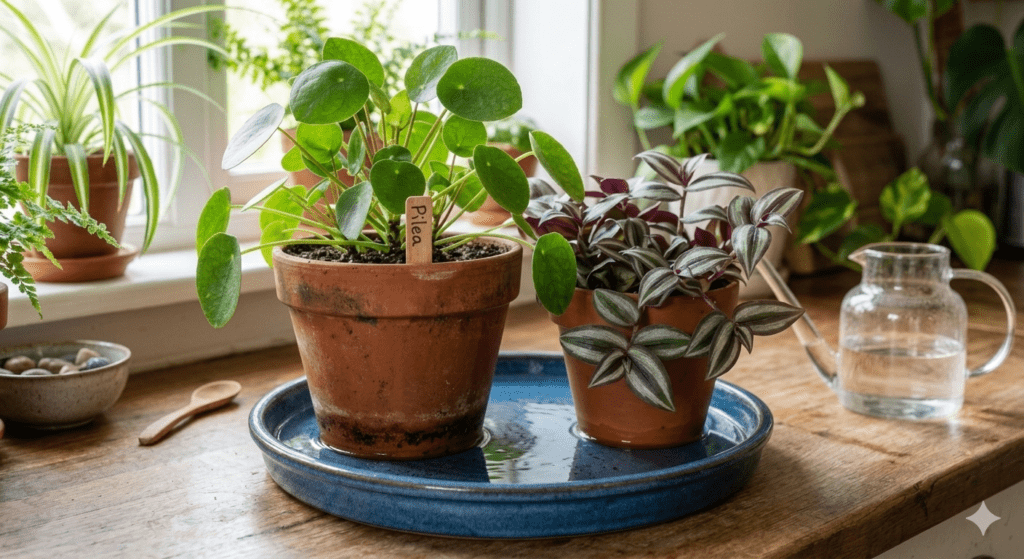
- Fill a tray or container with about one to two inches of water. Use room-temperature water to avoid shocking the roots.
- Place your potted plant into the tray so the drainage holes sit in the water. Make sure the pot is not fully submerged.
- Leave the plant to soak for 15 to 30 minutes. You will notice the top of the soil starting to feel damp as water travels upward.
- Once the top inch of soil feels moist, remove the plant from the tray and let any excess water drain.
- Empty the tray so the plant is not left sitting in standing water, which can eventually cause root rot.
That is all there is to it. For most houseplants, you will repeat this process whenever the top two inches of soil feel dry.
Key Benefits of Watering Plants from the Bottom
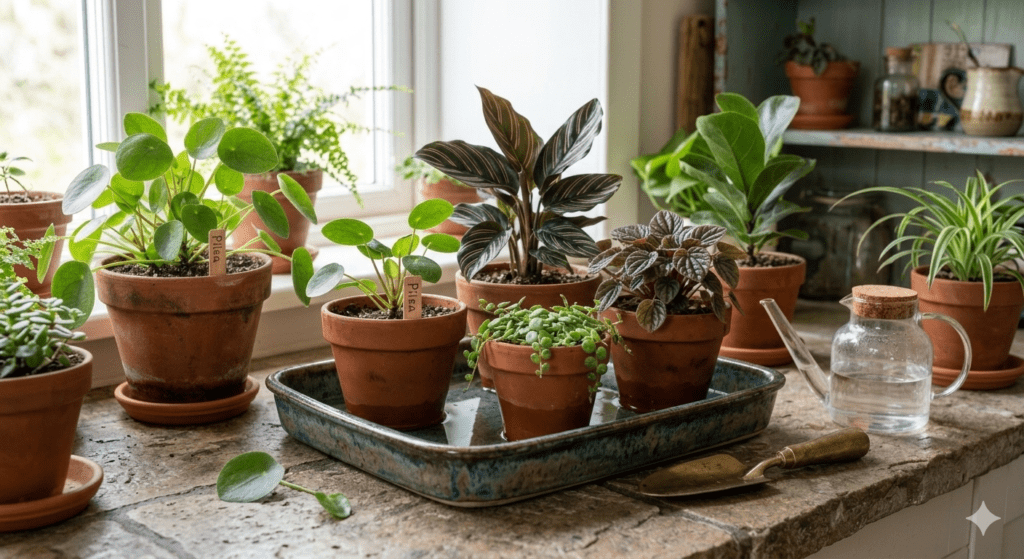
So why are so many plant enthusiasts switching to this technique? Here are the standout benefits of watering plants from the bottom:
Stronger, Deeper Root Systems
When water enters from the top, roots near the surface get most of the moisture and have little reason to grow deeper. Bottom watering encourages roots to travel downward in search of water, which leads to a more robust and resilient root system over time.
Prevents Overwatering and Root Rot
One of the biggest causes of houseplant death is overwatering. Because bottom watering allows the soil to pull in exactly as much water as it needs, it is much harder to accidentally overwater. The soil acts as its own regulator, which is especially helpful for beginners.
Keeps Foliage Dry
Wet leaves are an open invitation for fungal diseases and rot, particularly on plants like African violets, begonias, and succulents. Since water never touches the foliage during bottom watering, your leaves stay dry and the risk of disease drops significantly.
Reduces Soil Compaction
Pouring water from the top can compact the soil over time, making it harder for roots to breathe and for water to absorb evenly. Bottom watering sidesteps this issue entirely, keeping your soil loose and well-aerated.
How To Care For Plants In Pots Without Holes
Bottom Watering vs Top Watering: Which Is Better?
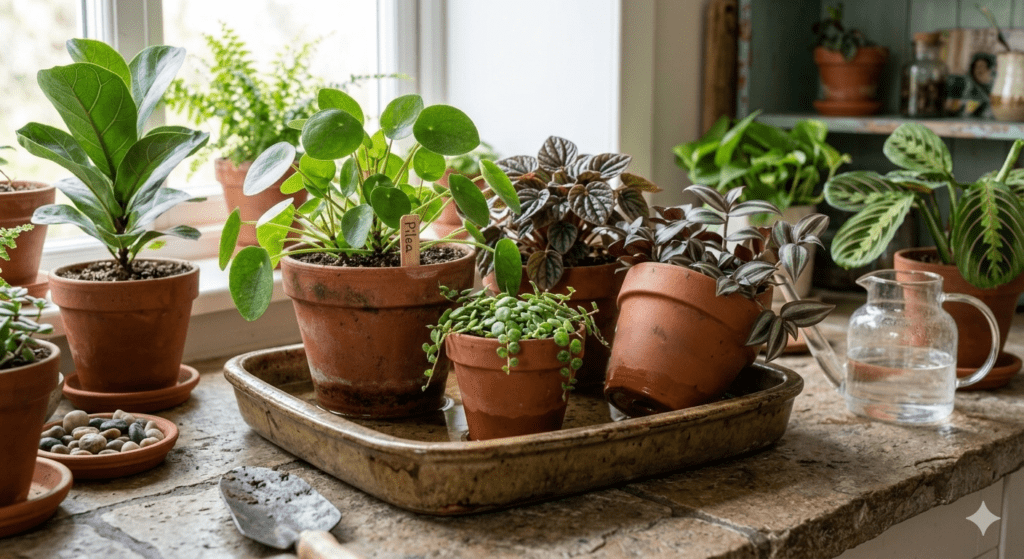
This is one of the most common questions in the plant care world, and the honest answer is that it depends on the plant and the situation. Bottom watering is not a one-size-fits-all solution, but it does have clear advantages for many common houseplants.
Top watering is still the best approach when you want to flush out excess salts and mineral buildup from the soil. Over time, tap water deposits minerals that can accumulate and damage roots. A good deep top watering every few weeks helps rinse those deposits out. Think of it as a periodic reset.
Bottom watering shines for routine moisture maintenance, especially for sensitive plants that dislike wet leaves or for seedlings that need consistent, gentle hydration. Many experienced plant keepers use both methods, bottom watering for regular care and occasional top watering to flush the soil.
5 Best Gardening light meter For Plant Care
Best Plants for Bottom Watering
While almost any plant in a pot with drainage holes can be bottom watered, some truly thrive with this approach:
- Succulents and cacti: These drought-tolerant plants prefer infrequent, deep watering, making them perfect candidates.
- African violets: Their fuzzy leaves are highly sensitive to moisture, so keeping water off the foliage is essential.
- Seedlings and young plants: Delicate seedlings respond well to the gentle, consistent moisture that bottom watering provides.
- Snake plants and ZZ plants: Both appreciate thorough but infrequent watering, and the bottom method prevents the soggy soil they dislike.
- Peace lilies and ferns: These moisture-loving plants appreciate the even hydration that capillary watering delivers.
Common Bottom Watering Mistakes to Avoid
- Leaving plants sitting in water too long: More than 45 minutes in standing water can start to cause root rot. Always remove the pot once the soil is adequately moist.
- Using cold water: Cold tap water can stress roots, especially on tropical houseplants. Let your water sit out or warm to room temperature first.
- Skipping the occasional top flush: Relying solely on bottom watering without flushing the soil every few weeks can lead to salt and mineral buildup.
- Using pots without drainage holes: Bottom watering only works when water can enter through drainage holes. Pots without them are not suitable for this method.
Frequently Asked Questions About Bottom Watering
Does bottom watering cause root rot?
Not when done correctly. In fact, bottom watering typically reduces the risk of root rot compared to top watering because it is harder to overwater. The key is not to leave your plant sitting in standing water for extended periods. Remove it from the tray once the soil is moist and always empty the tray afterward.
How long should I leave my plant in water when bottom watering?
Most plants need between 15 and 30 minutes to absorb enough water. Check the moisture level by pressing your finger an inch into the top of the soil. Once it feels damp, your plant has had enough. Avoid leaving it in water for more than 45 minutes.
Can you bottom water all types of plants?
Most potted plants can be bottom watered, as long as they are in a pot with drainage holes. However, some plants like cacti and succulents may need very infrequent watering, so always research the specific needs of your plant. Plants in pots without drainage holes cannot be bottom watered.
Is bottom watering better for seedlings?
Yes, bottom watering is widely recommended for seedlings. Young seedlings have fragile stems and tiny roots that can be disturbed or damaged by the force of water poured from above. Bottom watering delivers gentle, consistent moisture that nurtures early root development without stressing the plant.
How do I remove salt buildup if I only bottom water?
Every two to four weeks, give your plant a thorough top watering and let the water run freely through the soil and out the drainage holes. This flushes out any accumulated mineral deposits. You can then return to your regular bottom watering routine afterward.
7 Easy Tips To Care For Snake Plants