Some links on this Website are affiliate links, meaning we may earn a commission if you make a purchase, at no additional cost to you. Please read our full Affiliate Disclosure for more details.
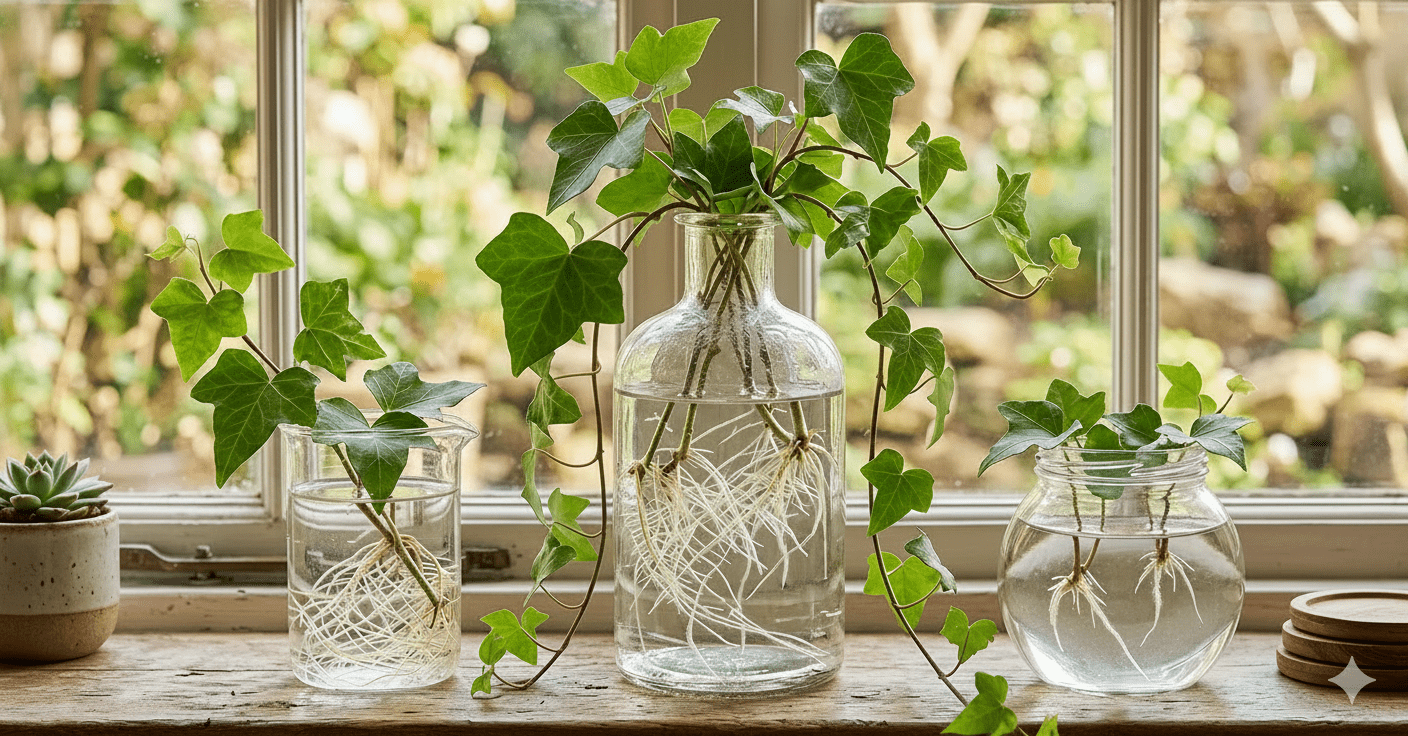
If you have ever looked at a lush English ivy plant and wondered whether you could grow more of it without buying a new one, you are in luck. One of the most common questions plant lovers ask is: can English ivy grow in water? The short answer is yes, and it is actually one of the easiest plants to propagate using this method.
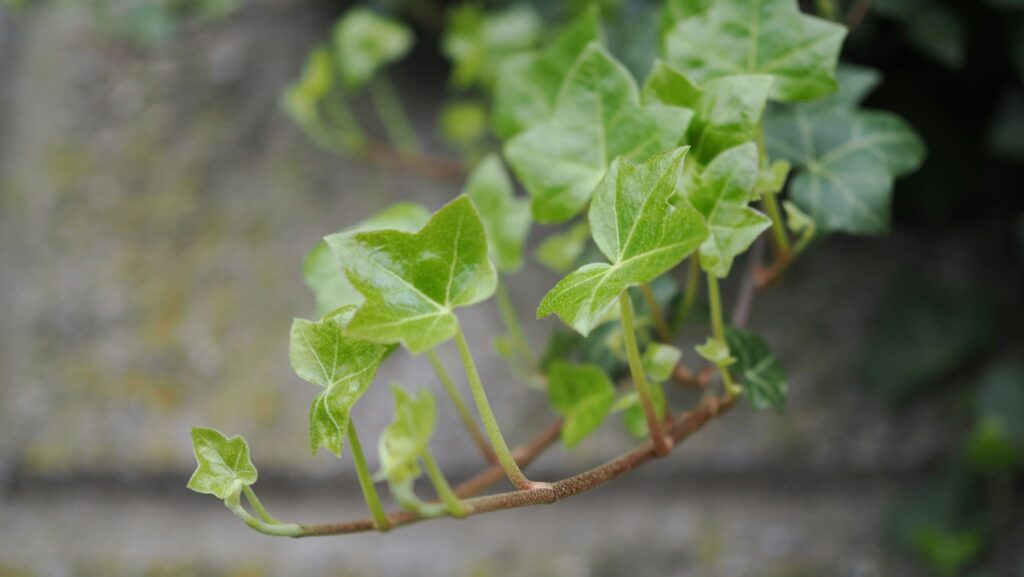
Whether you want to create new plants for free, add some greenery to a vase on your windowsill, or just experiment with water gardening, English ivy in water is a rewarding and surprisingly simple project.
In this guide, you will learn everything you need to know about growing English ivy in water, from taking the perfect cutting to troubleshooting common problems. Let us get into it.
7 Mistakes to Avoid When Growing English Ivy Indoors
Can English Ivy Really Grow in Water?
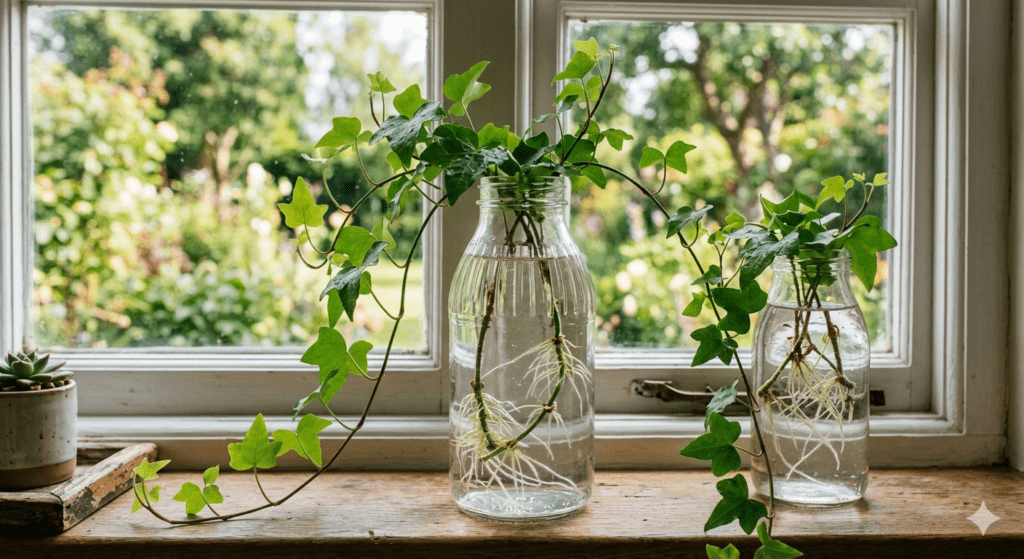
Absolutely. English ivy (Hedera helix) is one of those wonderful plants that roots readily in water with very little effort on your part. Many gardeners use water propagation as their go-to method because it lets you watch the roots develop in real time, which is both satisfying and practical.
The key to success is starting with a healthy cutting and giving it the right conditions. English ivy cuttings in water will typically begin forming roots within two to four weeks, though some cuttings may surprise you and show progress even sooner. Once you see a good root system developing, you can choose to transfer the cutting to soil or, if you prefer, keep it growing in water indefinitely.
How Much Sun Does an Azalea Plant Need?
11 Beautiful Houseplants That Grow In Water
How to Grow English Ivy in Water: Step by Step
Getting started with ivy water propagation is straightforward. Here is exactly what to do:
Step 1: Take the Right Cutting
Choose a healthy stem that is about four to six inches long. Look for a stem with at least two or three leaf nodes, which are the small bumps on the stem where leaves and roots grow from. Use a clean, sharp pair of scissors or pruning shears and cut just below a node. Avoid stems that look diseased, damaged, or overly woody, as these will not root as well.
Step 2: Prepare Your Cutting
Strip off any leaves from the lower half of the stem. If leaves are left submerged in water, they will rot and can cause bacterial buildup that harms your cutting. You want at least one or two nodes sitting below the waterline and a few healthy leaves remaining above it to support photosynthesis.
Step 3: Place in a Container of Water
Place your cutting in a clean glass, jar, or vase filled with room-temperature water. A clear glass container works great because it lets you monitor root growth easily. Make sure the nodes are submerged but the leaves are kept above the waterline. Avoid using containers that are too large for a single cutting, as this can make it harder to maintain clean water conditions.
Step 4: Find the Right Spot
Set your container in a location with bright, indirect light. English ivy does not love direct sun, and this holds true when growing ivy in water as well. A spot near a north or east-facing window is usually ideal. Avoid placing it in direct sunlight, which can cause algae to grow in the water and may scorch the leaves.
Step 5: Change the Water Regularly
This is one of the most important steps people overlook. Change the water every five to seven days to keep it fresh and oxygenated. Stale water quickly becomes a breeding ground for bacteria and can suffocate your developing roots. When you change the water, give the container a quick rinse as well. If you notice the water turning cloudy or green, change it right away.
The Art of Companion Planting: Herbs That Grow Well Together
How Long Does English Ivy Take to Root in Water?
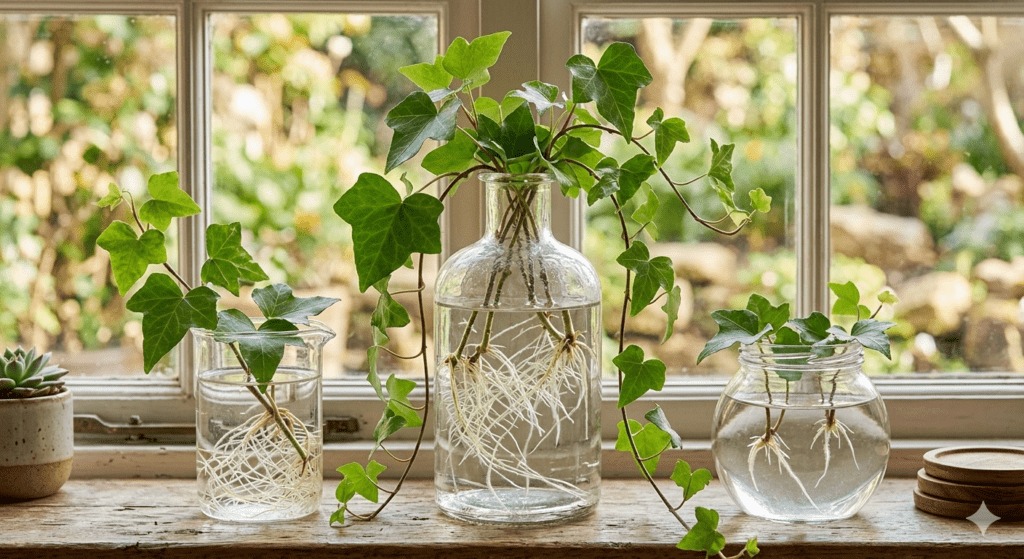
Most English ivy cuttings will start showing visible roots within two to four weeks when kept in the right conditions. By the four to six week mark, you should have a sturdy enough root system to transfer the plant to soil if you choose to. That said, some cuttings are slower than others. If you do not see roots after three weeks, do not panic. As long as the stem and leaves still look healthy, give it a bit more time.
Warmer temperatures and good light tend to speed up rooting. If your cuttings are sitting in a cool, dim corner, they will root much more slowly.
How to Get Rid of Poison Ivy Plants Safely
Can You Keep English Ivy in Water Permanently?
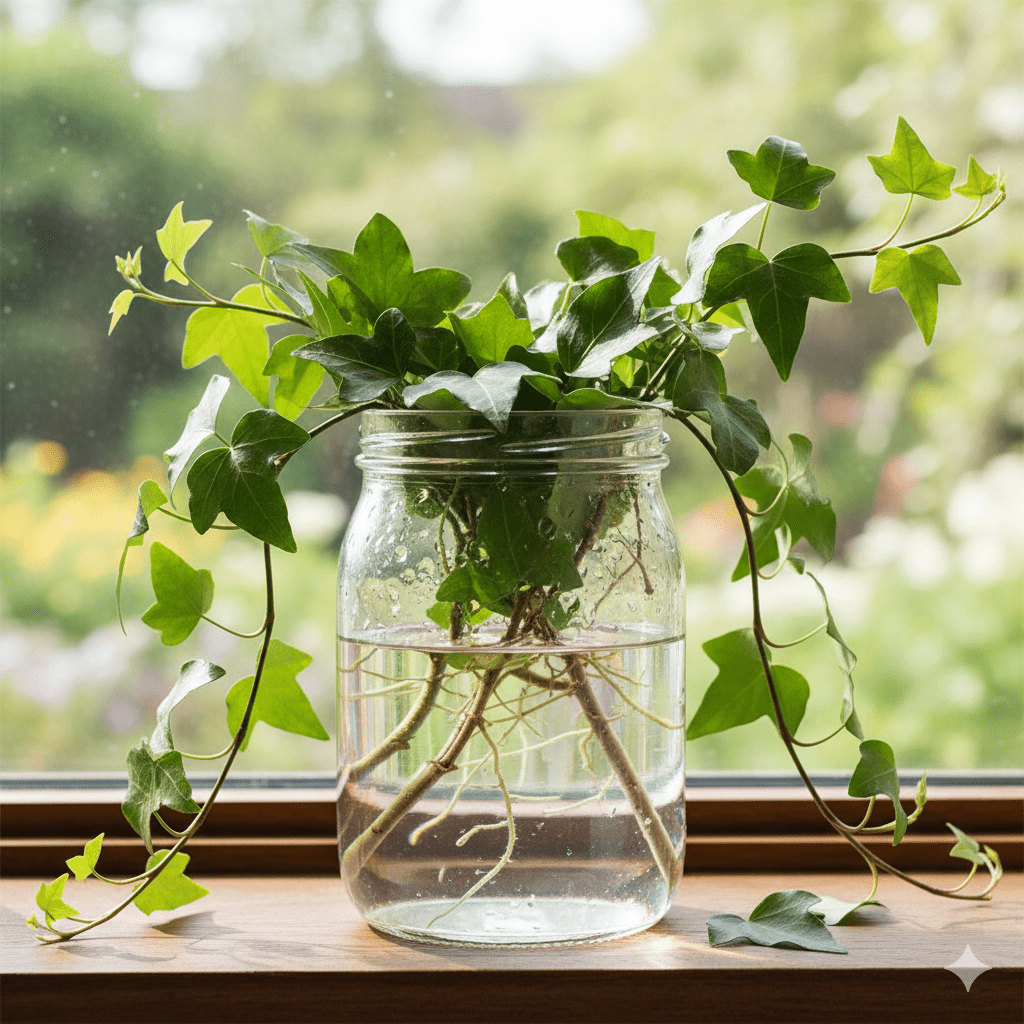
Yes, you can keep English ivy growing in water without ever moving it to soil. This is sometimes called growing ivy hydroponically, and it works well as long as you stay on top of water changes and provide a few nutrients. Plain tap water eventually runs out of the minerals a plant needs to thrive, so if you plan to keep your ivy in water long-term, consider adding a few drops of a balanced liquid fertilizer to the water once a month.
Water-grown ivy tends to stay more compact than soil-grown plants, which some people prefer for decorative displays. A trailing ivy spilling out of a glass vase on a bookshelf or kitchen counter makes for a beautiful, low-maintenance feature.
Common Problems with English Ivy in Water
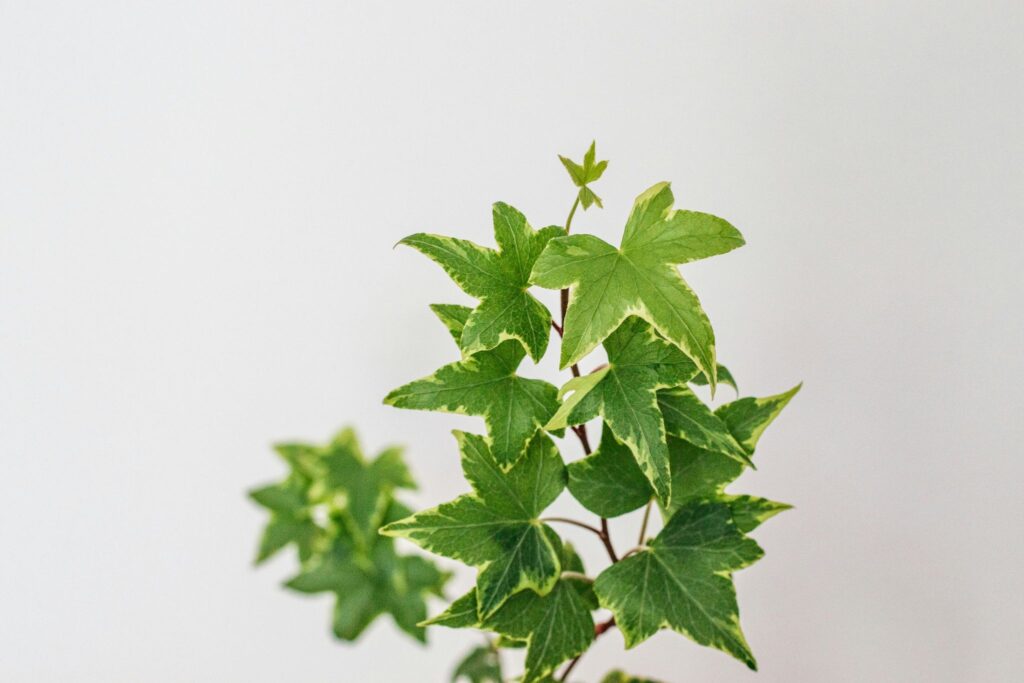
Roots Turning Brown or Slimy
This usually means the water has not been changed frequently enough and bacteria have built up. Trim off any slimy or brown roots with clean scissors, rinse the container thoroughly, and replace with fresh water. Going forward, stick to a weekly water change schedule.
Cutting Not Rooting
If your cutting has been sitting in water for three to four weeks with no sign of root growth, check that at least one node is submerged. Also consider moving it to a warmer, brighter spot. If the cutting itself looks unhealthy or rotted at the base, it is best to start fresh with a new one.
Green Algae in the Water
Algae growth is a sign that your container is getting too much direct light or the water is not being changed often enough. Switch to an opaque or tinted container, move it away from direct sunlight, and increase your water change frequency.
Frequently Asked Questions
Can English ivy survive in just water without soil?
Yes. English ivy can survive and even thrive in water alone as long as the water is changed regularly and a small amount of liquid fertilizer is added every few weeks to supplement nutrients that would normally come from soil.
How often should I change the water for English ivy cuttings?
You should change the water every five to seven days. Fresh water keeps oxygen levels up and prevents bacterial buildup, both of which are essential for healthy root development.
Does English ivy grow better in water or soil?
Soil generally supports more vigorous long-term growth because it provides a wider range of nutrients and better structural support. However, water-grown ivy does very well for propagation and decorative purposes, especially with occasional fertilizing.
What is the best container for growing English ivy in water?
A clear glass jar or vase works well for monitoring root growth. For long-term water growing, an opaque container can help prevent algae. Make sure the container is tall enough to fully submerge the lower nodes while keeping the leaves above the waterline.
Why are my English ivy water roots turning brown?
Brown or slimy roots are typically caused by infrequent water changes leading to bacterial growth. Trim the affected roots, clean your container, and refill with fresh water. Changing the water weekly going forward should prevent the problem from recurring.