Some links on this Website are affiliate links, meaning we may earn a commission if you make a purchase, at no additional cost to you. Please read our full Affiliate Disclosure for more details.
Have you ever wished you could snip fresh basil or mint right from your kitchen, even in the coldest months of the year? If so, you’re likely wondering whether it is truly possible to grow herbs indoors throughout the year. The simple answer is yes.
You can grow herbs indoors all year round if you provide the right conditions. Indoor herb gardening is convenient, space-friendly, and surprisingly easy once you understand what herbs need to thrive. This guide explains the herbs that do best indoors, how to meet their growing requirements, and the common mistakes to avoid.
Can You Grow Herbs Indoors All Year Round?
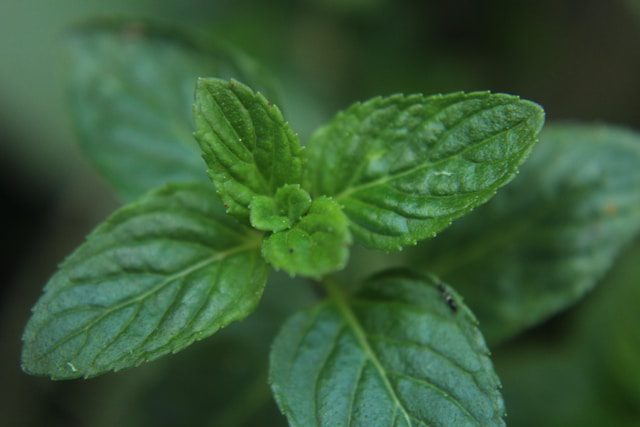
Yes, you can grow herbs indoors at any time of the year. Herbs are adaptable plants, and many varieties respond very well to indoor environments as long as they receive enough light, the right soil, and proper watering. While outdoor herbs are limited by seasons, indoor herbs can grow continuously because you control the temperature, water, and light they receive. This makes indoor herb gardening a practical option for people who cook frequently, live in colder climates, or simply enjoy having fresh greenery in their home.
The biggest factor that determines year-round success is light. Herbs naturally grow in bright conditions, so providing either strong natural light or supplemental grow lights is the key to keeping them healthy and productive.
7 Mistakes to Avoid When Growing English Ivy Indoors
Best Herbs to Grow Indoors All Year Round
Some herbs adapt better to indoor growing than others. If you are just starting out, focus on easy and reliable varieties. These herbs are known to perform well indoors with minimal effort:
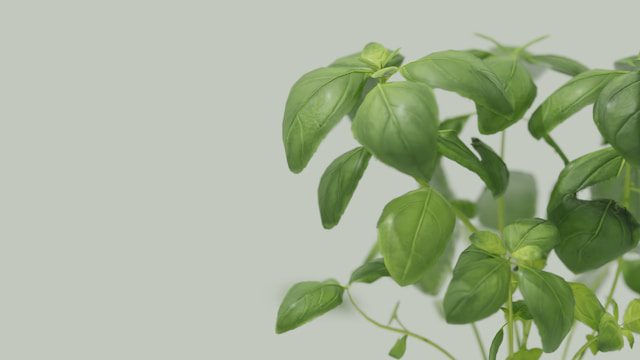
Basil
Basil is one of the most popular herbs for indoor gardening. It loves warmth and bright light, making it ideal for kitchens and sunny windows. With consistent light, basil grows quickly and can provide fresh leaves for cooking all year.
Mint
Mint is a hardy herb that does not require intense sunlight to grow. It handles indoor conditions extremely well and spreads quickly. It is perfect for beginners who want a plant that is almost guaranteed to thrive.
Rosemary
Rosemary prefers bright light and well-drained soil. Indoors, it grows best when placed in a sunny window or under a grow light. Although it needs a bit more care compared to mint or chives, it can last for years with proper attention.
Parsley
Parsley grows more slowly than other herbs but adapts well to indoor growing. It prefers moderate light and steady watering. Once it establishes itself, it produces consistently.
Chives
Chives are one of the easiest herbs to grow indoors. They do not require intense sunlight and can thrive on kitchen windowsills. Their thin, grassy leaves regrow quickly after trimming.
Thyme
Thyme is low maintenance and does well even with moderate light. It has a compact growth habit, which makes it ideal for small indoor spaces.
Light Requirements for Indoor Herb Gardening
Light is the most important factor when growing herbs indoors all year round. Most herbs naturally grow in sunny environments, so they need a good amount of brightness to stay healthy.
Natural Light
If your home has a window that receives four to six hours of bright, indirect sunlight per day, many herbs will do well there. South-facing windows provide the most light, followed by east- or west-facing windows. Rotate your pots every few days so the plants receive light evenly on all sides.
Using Grow Lights
If your space does not get enough natural sunlight, grow lights are the best solution. LED grow lights work well because they provide the full spectrum of light that herbs need. Place the lights about six to twelve inches above the plants and keep them on for ten to twelve hours each day. This mimics the daylight hours herbs naturally receive outdoors and helps maintain strong, healthy growth even in winter.
How to Water Herbs Indoors
Watering is a common challenge for indoor herb gardeners. Overwatering is the most frequent cause of unhealthy or dying herbs. Most herbs prefer soil that is slightly moist but never soggy.
A simple rule is to water your herbs when the top inch of soil feels dry to the touch. Always use pots with drainage holes so excess water can escape. Herbs such as rosemary and thyme prefer slightly drier conditions, while basil should stay lightly moist without becoming waterlogged.
Another helpful tip is to avoid leaving water in the saucer beneath the pot. When herbs sit in standing water, their roots can rot quickly.
How To Care For ZZ Plant Indoors
Best Containers and Soil for Indoor Herbs
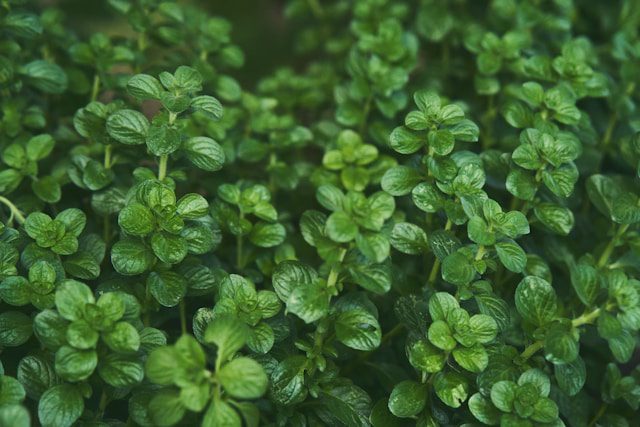
The type of container and soil you use has a direct impact on your herbs’ health. Herbs need proper drainage to avoid root rot, which commonly affects indoor plants.
Choose containers that have drainage holes at the bottom. Terra-cotta pots are ideal because they allow air flow through the container, helping prevent overly wet soil.
For soil, use a light, well-draining potting mix formulated for indoor plants. Avoid using heavy garden soil, which holds too much moisture and can suffocate the roots.
Temperature and Humidity Requirements
Indoor herbs grow well in normal household temperatures. Most herbs prefer temperatures between 60 and 75 degrees Fahrenheit (15 to 24 degrees Celsius). They also do well with moderate humidity.
Avoid placing herbs next to cold windows during winter because cold drafts can damage the leaves. Similarly, keep them away from heaters or appliances that emit hot, dry air. Kitchens are often an ideal place to grow herbs because cooking activities naturally increase humidity levels.
How to Keep Herbs Alive Indoors in Winter
Winter can be challenging for indoor plants because the days are shorter, and the air tends to be drier. However, with a few adjustments, you can keep your herbs healthy throughout the season.
Supplement natural light with grow lights if daylight is limited. Rotate your plants weekly so they grow evenly. Increase humidity by placing a shallow tray of water near the plants or by using a small humidifier. Trim or harvest your herbs regularly to encourage new growth. Frequent trimming also prevents the plants from becoming leggy and weak.
7 Common Repotting Mistakes You Must Avoid for Healthy Plants
FAQs About Growing Herbs Indoors
1. Do indoor herbs need full sunlight?
Most herbs need four to six hours of bright, indirect sunlight each day. If your home lacks natural light, grow lights are a reliable alternative.
2. Can herbs grow indoors without sunlight?
Yes, but you will need LED grow lights because herbs still require consistent light to grow and stay healthy.
3. Which herbs grow best indoors for beginners?
Mint, basil, parsley, chives, and thyme are the easiest herbs for beginners to grow indoors throughout the year.
4. How often should I water indoor herbs?
Water your herbs when the top inch of soil feels dry. Overwatering is the most common reason indoor herbs struggle.
5. Can herbs survive indoors during winter?
Yes. With supplemental lighting, proper humidity, and regular care, herbs can thrive even in the winter months.