Some links on this Website are affiliate links, meaning we may earn a commission if you make a purchase, at no additional cost to you. Please read our full Affiliate Disclosure for more details.
If you have ever walked into a stylish living room and spotted a tall, dramatic plant with large, glossy leaves stealing the show, chances are it was a fiddle leaf fig. These beautiful plants have earned a permanent spot on every plant lover’s wishlist, and for good reason.
But let’s be honest, they also have a bit of a reputation for being divas. The good news? Fiddle leaf fig care indoors is absolutely manageable once you understand what this plant actually needs. With the right approach, you can keep yours looking lush and healthy all year long.
In this guide, we will walk you through everything from choosing the perfect spot in your home to troubleshooting those frustrating brown spots. Whether you are a first-time plant parent or someone who has already killed a fiddle leaf fig or two, this article has you covered.
Getting to Know Your Fiddle Leaf Fig
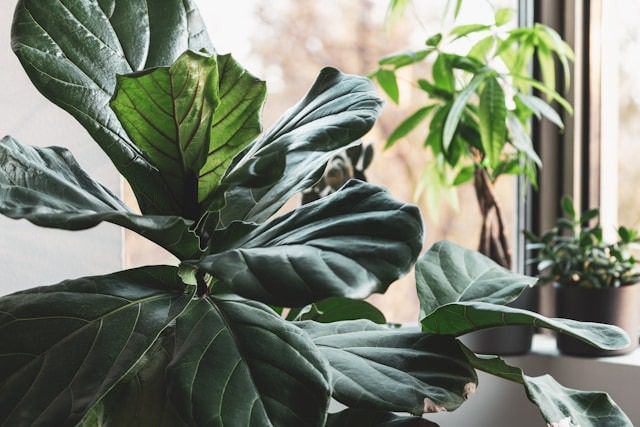
The fiddle leaf fig (Ficus lyrata) is a tropical plant native to the rainforests of West Africa. In the wild, it grows into a tall tree, sometimes reaching 50 feet or more. Indoors, it typically tops out at 6 to 10 feet, making it a stunning statement piece for living rooms, entryways, and offices.
What makes this plant so eye-catching is its large, violin-shaped leaves that can grow up to 18 inches long. They are bold, architectural, and absolutely gorgeous when the plant is thriving. The challenge is that fiddle leaf figs are sensitive to changes in their environment, which is why so many people find them tricky to maintain indoors.
Tips to Care For Fiddle Leaf Fig Plant Indoors
Finding the Right Light
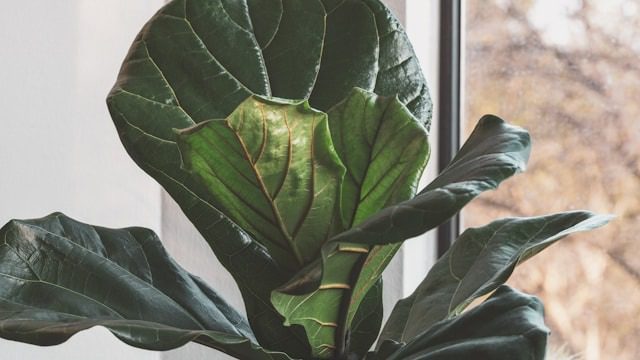
Light is probably the single most important factor when it comes to fiddle leaf fig care indoors. These plants love bright, indirect light. A spot near a south or east-facing window is ideal, somewhere that gets several hours of natural light each day without the harsh midday sun hitting the leaves directly.
Too little light and the plant will drop leaves and grow very slowly. Too much direct sun and you will notice the leaves getting scorched or bleached. If your home does not have great natural light, a full-spectrum grow light placed nearby for 8 to 10 hours a day can work beautifully as a supplement.
One important tip: once you find a good spot for your fiddle leaf fig, try not to move it. These plants are notoriously sensitive to change, and relocating them can cause unnecessary stress and leaf drop.
How to Water Correctly
Overwatering is the number one cause of fiddle leaf fig problems. Many well-meaning plant parents love their plants to death, quite literally, by watering too frequently. A healthy watering routine is key to successful indoor fiddle leaf fig care.
How Often Should You Water?
As a general rule, water your fiddle leaf fig when the top 2 inches of soil feel dry to the touch. In most indoor environments, this works out to about once a week in spring and summer, and every 10 to 14 days in fall and winter when growth slows down.
When you do water, do it thoroughly. Water until it drains freely from the bottom of the pot, then empty the saucer so the roots are never sitting in standing water. Root rot is a serious threat to fiddle leaf figs and is almost always caused by poor drainage or overwatering.
Humidity and Temperature
As a tropical plant, the fiddle leaf fig thrives in warm, humid conditions. Indoors, it does best in temperatures between 60 and 85 degrees Fahrenheit (15 to 30 degrees Celsius). Keep it away from cold drafts, air conditioning vents, and heating units, as sudden temperature fluctuations can trigger leaf drop.
When it comes to fiddle leaf fig humidity needs, aim for 30 to 65 percent relative humidity. If you live in a dry climate or your home gets very dry in winter, a few simple tricks can help:
- Use a humidifier near the plant
- Place a tray of water and pebbles beneath the pot
- Group it with other houseplants to create a more humid microclimate
- Mist the leaves occasionally, though this alone is usually not enough
Choosing the Right Soil and Pot
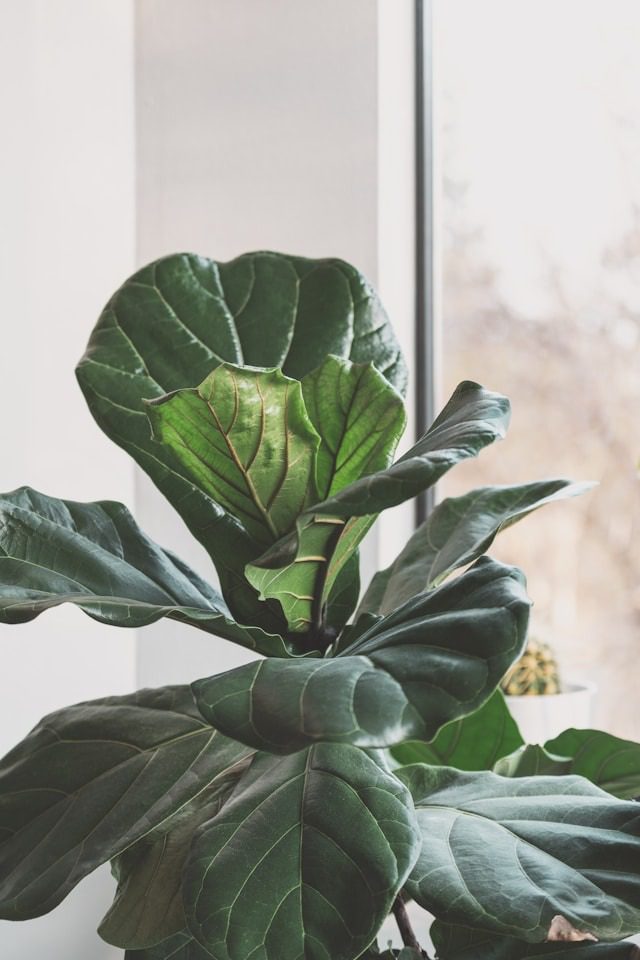
The best soil mix for a fiddle leaf fig in pots is one that drains well while still retaining some moisture. A high-quality potting mix blended with perlite or coarse sand works great. Avoid heavy, dense soils that stay wet for too long.
For the pot itself, always choose a container with drainage holes. Terra cotta pots are a great option because they are porous and allow the soil to dry out more evenly. When your plant becomes root-bound or starts to look top-heavy, it is time to repot. Moving up one pot size (about 2 inches in diameter) every 1 to 2 years is usually sufficient.
7 Easy Tips For Growing Plants Indoors
Fertilizing Your Fiddle Leaf Fig for Healthy Growth
Fiddle leaf figs benefit from regular feeding during the growing season. Use a balanced liquid fertilizer with a ratio like 3-1-2 (nitrogen, phosphorus, potassium) once a month from spring through early fall. Nitrogen is especially important for promoting those big, beautiful leaves.
Skip fertilizing in fall and winter when the plant is not actively growing. Over-fertilizing can cause salt buildup in the soil, which can actually damage the roots and cause brown leaf edges.
Can Succulents Survive In An Air Conditioned Room?
Fiddle Leaf Fig Problems and How to Fix Them
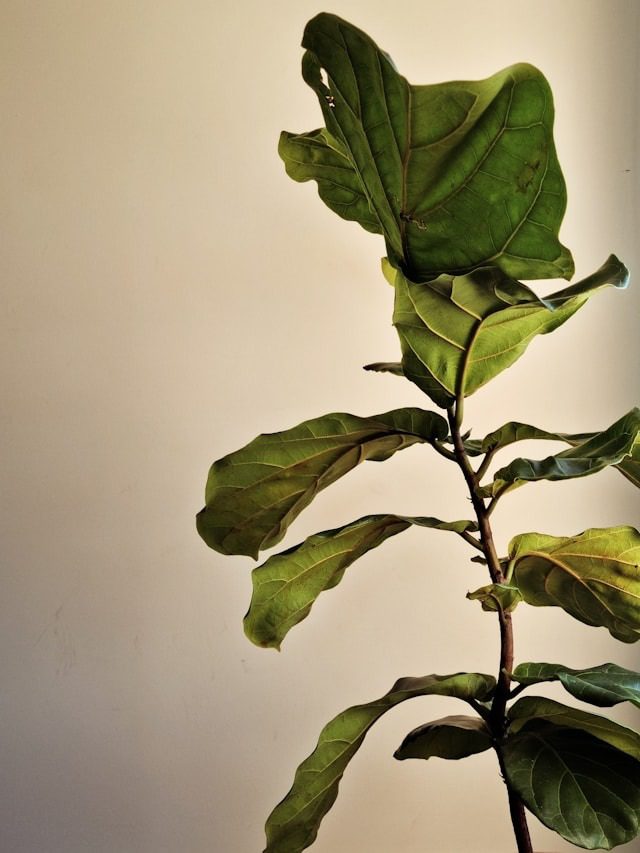
Even with the best care, you may run into some challenges. Here are the most common fiddle leaf fig problems and solutions:
- Brown spots on leaves: Small brown spots that spread from the edges usually indicate underwatering or low humidity. Dark brown spots in the center of leaves are typically a sign of root rot from overwatering.
- Yellowing leaves: Yellow leaves are often caused by overwatering or poor drainage. Check the soil moisture and adjust your watering schedule accordingly.
- Dropping leaves: Sudden leaf drop is usually a response to stress, whether from being moved, a temperature change, or a draft. Give the plant time to adjust and keep conditions stable.
- Leggy or sparse growth: This is typically a light issue. Move the plant to a brighter spot or supplement with a grow light.
The Ultimate Guide to Olive Tree Care
Frequently Asked Questions About Fiddle Leaf Fig Care
How often should I water a fiddle leaf fig indoors?
Water your fiddle leaf fig when the top 2 inches of soil feel dry. In most homes this is about once a week during warmer months and every 10 to 14 days in cooler months. Always water deeply and allow excess water to drain fully.
Why are my fiddle leaf fig leaves turning brown?
Brown leaves can have several causes. Brown spots in the center of leaves usually signal overwatering or root rot, while browning along the edges often points to low humidity, underwatering, or too much direct sunlight. Diagnosing the cause will help you take the right corrective action.
What is the best spot in the house for a fiddle leaf fig?
The best spot is near a south or east-facing window where the plant gets 4 to 6 hours of bright, indirect light each day. Avoid placing it near heating or cooling vents, cold windows in winter, or in low-light corners.
How do I keep a fiddle leaf fig alive indoors long-term?
Consistency is the key. Keep the plant in a stable location with good light, water only when the top layer of soil dries out, maintain adequate humidity, fertilize during the growing season, and repot every couple of years. Avoiding sudden changes in environment will help your plant thrive for years.
Can fiddle leaf figs survive in low-light rooms?
Fiddle leaf figs can tolerate lower light conditions for short periods, but they will not thrive. In low light, growth slows significantly and leaf drop becomes more common. If your space lacks natural light, investing in a quality full-spectrum grow light is the best way to give your plant what it needs.