Some links on this Website are affiliate links, meaning we may earn a commission if you make a purchase, at no additional cost to you. Please read our full Affiliate Disclosure for more details.
If you’ve ever killed a snake plant, you’re not alone, and the culprit is almost always the same thing: too much water. Snake plants (Sansevieria, now reclassified as Dracaena trifasciata) are legendary for being tough, low-maintenance houseplants. Yet despite their reputation for thriving on neglect, millions of plant owners accidentally drown them every year.
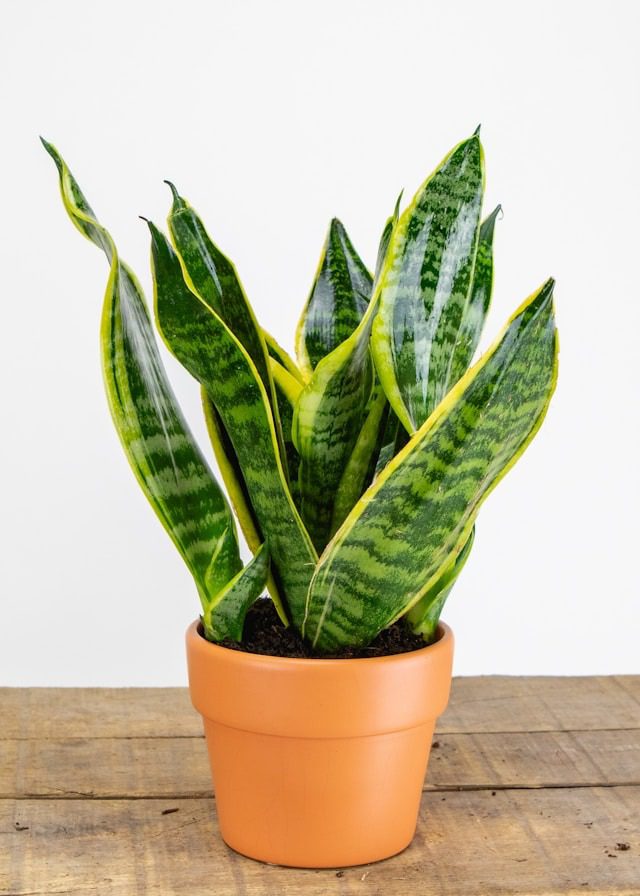
So, how often to water a snake plant? The honest answer is: less often than you think. In this guide, we’ll break down exactly how frequently you should be watering based on season, environment, and pot type, so your snake plant doesn’t just survive, it thrives.
How to Fix Wrinkling Snake Plant Leaves
The Quick Answer: Snake Plant Watering Frequency
Most snake plants need watering every 2 to 6 weeks, depending on the season and conditions. Here’s a general watering schedule to keep in mind:
- Spring and Summer (growing season): Every 2 to 4 weeks
- Fall and Winter (dormant season): Every 4 to 8 weeks
- Hot, dry climates: Lean toward the more frequent end
- Cool, humid environments: Water less frequently
The golden rule? Always check the soil before watering. The top 2 to 3 inches of soil should be completely dry before you add any water.
Can English Ivy Grow in Water?
Why Snake Plants Need So Little Water
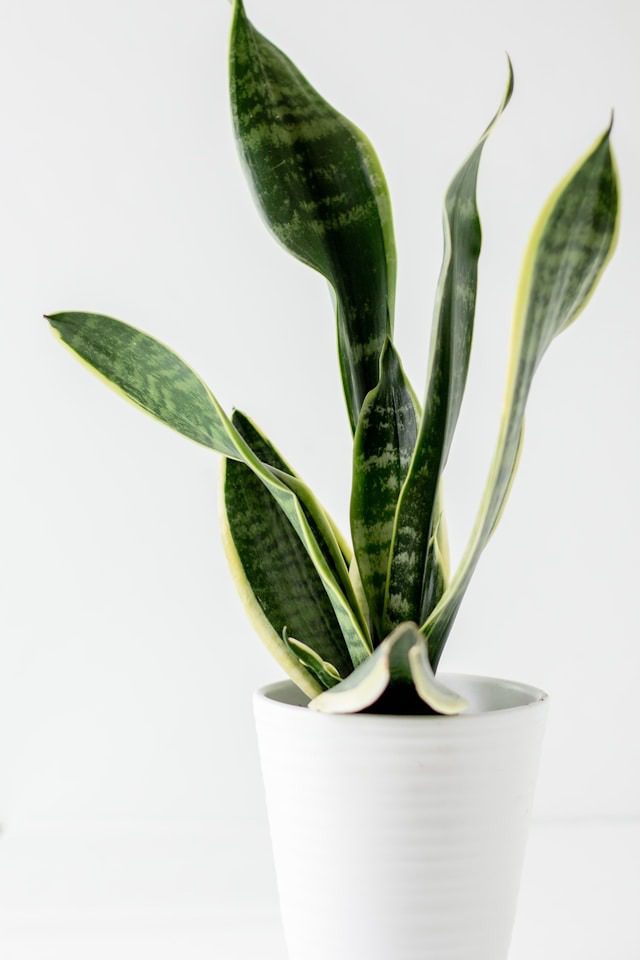
Snake plants are succulents, meaning they store water in their thick, fleshy leaves. This adaptation allows them to go long stretches between waterings, which is exactly what makes them such popular indoor plants.
Because their leaves hold moisture, their roots are incredibly sensitive to sitting in wet soil. Root rot, the most common cause of snake plant death, sets in quickly when the plant is watered too often or when water doesn’t drain properly.
How To Remove Snake Plant Pups
Factors That Affect How Often You Should Water
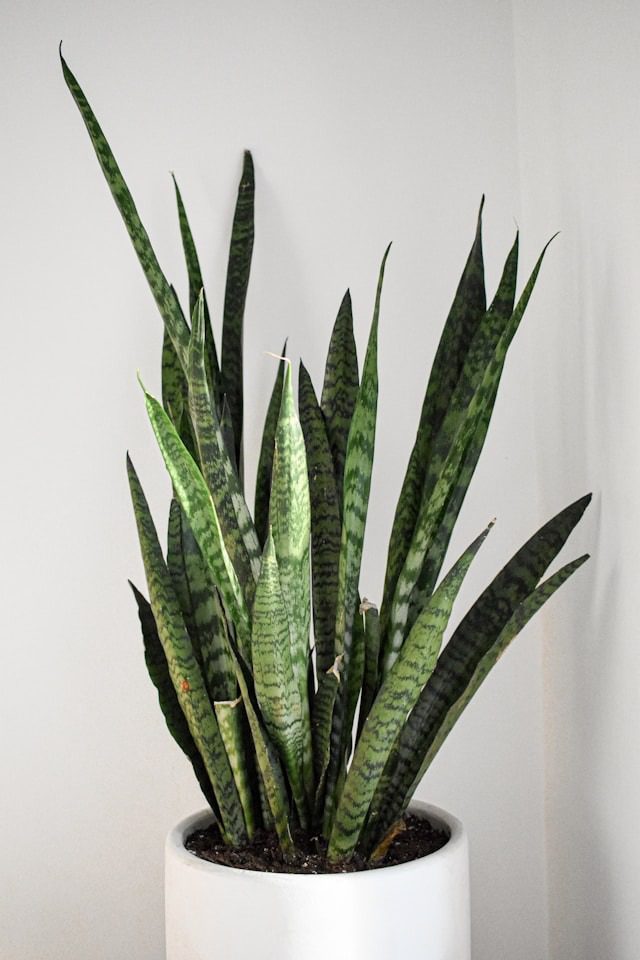
There’s no one-size-fits-all answer to snake plant watering because several variables play a role. Understanding these will help you build a personalized watering schedule.
How Much Sun Does an Azalea Plant Need?
Light Conditions
A snake plant in bright indirect light will use water faster than one sitting in a low-light corner. More light equals more growth, which means the plant consumes moisture more quickly. If your plant is in a dimly lit spot, dial back your watering frequency even further.
Pot Type and Drainage
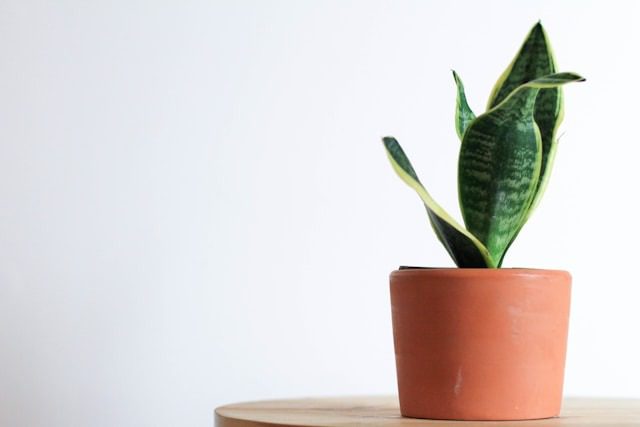
Terra cotta pots are breathable and allow soil to dry out faster, which is ideal for snake plants. Plastic or glazed ceramic pots retain moisture longer, so you’ll need to water less frequently. Regardless of pot material, always ensure there are drainage holes at the bottom. Without proper drainage, even a moderate amount of water can lead to root rot.
Season and Temperature
During the warmer months, your snake plant is actively growing and will need more water. In winter, growth slows significantly, and the plant enters a semi-dormant state. Overwatering during winter is one of the most common mistakes new plant owners make. Cut your watering frequency nearly in half once temperatures drop.
Soil Type
Well-draining soil is a must for snake plants. A cactus or succulent mix works perfectly because it allows water to flow through quickly and prevents moisture buildup around the roots. Avoid heavy, moisture-retaining potting mixes, as these will hold too much water and put your plant at risk.
Signs Your Snake Plant Is Being Overwatered
Knowing what overwatering looks like can save your plant before it’s too late. Watch out for these warning signs:
- Yellow or mushy leaves, especially at the base
- Soft, squishy stems that feel waterlogged
- A foul smell coming from the soil (a sign of root rot)
- Leaves drooping or falling over despite being upright before
- Soil that stays wet for more than 10 to 14 days
If you spot these signs, let the soil dry out completely and hold off on watering. In severe cases, you may need to repot the plant in fresh, dry soil and trim any rotted roots.
10 Succulent Plants That Grow Tall
Signs Your Snake Plant Needs More Water
While overwatering is more dangerous, underwatering is still something to watch for. Here’s how to tell if your snake plant is thirsty:
- Wrinkled or curling leaves (the plant is drawing on stored moisture)
- Dry, cracked soil pulling away from the edges of the pot
- Leaf tips turning brown and crispy
- Leaves looking slightly dull or less vibrant than usual
The good news is that snake plants bounce back quickly once you give them a deep, thorough watering.
7 Best Moisture Meters for Houseplants
How to Water a Snake Plant Properly
It’s not just about how often you water, but also how you do it. Follow these steps for the best results:
- Water deeply: Pour slowly and evenly until water drains freely from the bottom of the pot.
- Empty the saucer: Never let your snake plant sit in standing water, as this encourages root rot.
- Water at the base: Avoid getting water on the leaves, as this can lead to fungal issues.
- Use room temperature water: Cold water can shock the roots, especially in cooler months.
Should You Bottom Water a Snake Plant?
Bottom watering, where you place the pot in a shallow tray of water and let the soil absorb moisture from the bottom up, is an excellent method for snake plants. It encourages deeper root growth and ensures water reaches the entire root system without oversaturating the top layer.
To bottom water, simply place your pot in about an inch of water for 20 to 30 minutes, then remove it and let any excess drain away completely. Don’t forget to still allow the soil to dry out fully between sessions.
15 Moisture Absorbing Bathroom Plants That Keep Your Space Fresh and Mold-Free
Frequently Asked Questions (FAQ)
How do I know when my snake plant needs water?
Stick your finger 2 to 3 inches into the soil. If it feels dry all the way down, it’s time to water. If it still feels even slightly damp, wait a few more days and check again. You can also use a moisture meter for more accuracy.
Can I overwater a snake plant?
Absolutely, and it’s the most common way snake plants die. Overwatering leads to root rot, which is difficult to reverse once it takes hold. Always err on the side of underwatering with snake plants, as they are far more forgiving of drought than of soggy soil.
How often should I water my snake plant in winter?
In winter, most snake plants only need watering once every 4 to 8 weeks. Growth slows during the colder months, so the plant uses very little water. Many experienced growers barely water their snake plants at all from November through February.
Why are my snake plant leaves turning yellow?
Yellow leaves on a snake plant are almost always a sign of overwatering or poor drainage. Check whether the soil is staying wet for too long and ensure your pot has proper drainage holes. If the base of the plant is mushy, you may be dealing with root rot that requires immediate repotting.
How often should I water a snake plant in low light?
In low-light conditions, water evaporates much more slowly and the plant grows at a slower rate. You should water even less frequently than usual, possibly as rarely as once every 6 to 8 weeks. Always let the soil dry out completely between waterings regardless of the lighting situation.
How To Identify Root Rot In Succulents
7 Common Repotting Mistakes You Must Avoid for Healthy Plants