Some links on this Website are affiliate links, meaning we may earn a commission if you make a purchase, at no additional cost to you. Please read our full Affiliate Disclosure for more details.
If you have been dreaming of a lush garden but are short on space or money, a wood pallet garden might just be the answer you have been looking for. These simple, budget-friendly structures can transform a bare balcony, backyard fence, or patio wall into a thriving green oasis. The best part? You do not need to be a seasoned gardener or a DIY expert to pull it off. With a few basic tools, some soil, and the right plants, anyone can build a stunning pallet garden from scratch.
In this guide, we will walk you through everything you need to know about creating a wood pallet garden, from choosing the right pallet to picking the best plants for your space.
The Best Cheap LED Grow Lights For Growing Vegetables
Why Choose a Wood Pallet Garden?
Pallet gardens have exploded in popularity in recent years, and it is easy to see why. They are incredibly versatile, eco-friendly, and cost almost nothing to set up. Whether you want to grow fresh herbs in the kitchen, create a vertical pallet garden, or build a raised garden bed for vegetables, wooden pallets can do it all.
Here are a few reasons why a DIY pallet garden is worth considering:
- Affordable: Pallets are often free or very cheap from local businesses.
- Space-saving: Vertical pallet gardens are perfect for small patios or balconies.
- Eco-friendly: Repurposing pallets reduces waste and gives them a second life.
- Customizable: You can paint, stain, or arrange them in countless creative ways.
- Beginner-friendly: No advanced gardening knowledge required.
Why Is My Indoor Plant Dripping Water?
What You Need to Get Started
Before you start building your pallet garden, gather the following materials:
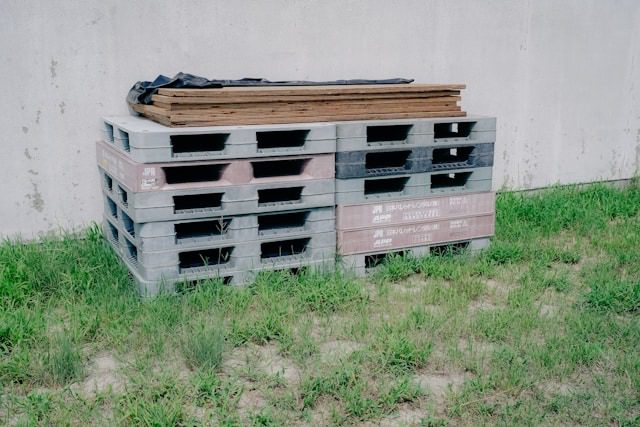
- 1 to 2 wooden pallets (heat-treated, not chemically treated)
- Landscape fabric or burlap
- Potting mix or garden soil
- Staple gun and staples
- Sandpaper (medium grit)
- Paint or wood stain (optional)
- Plants, seeds, or seedlings
- Screws or nails (if building a raised bed)
- Gloves and safety goggles
Are All Wood Pallets Safe for Gardening?
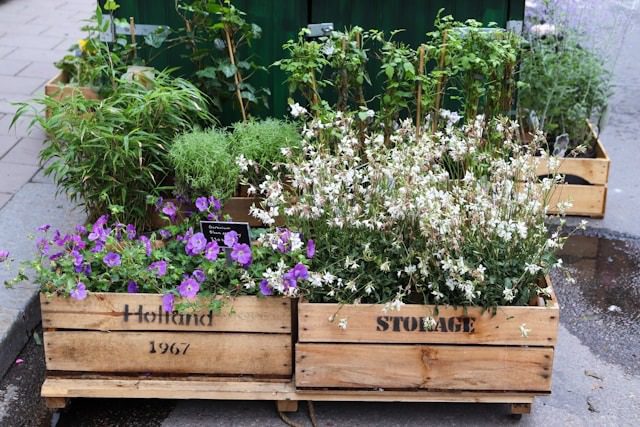
This is one of the most important questions to ask before building any pallet garden, especially if you plan to grow vegetables or herbs. Not all pallets are created equal. Some are treated with chemicals that can leach into the soil and harm your plants or your health.
Look for the IPPC (International Plant Protection Convention) stamp on the side of the pallet. Here is what the codes mean:
- HT (Heat Treated): Safe to use. The pallet was treated with heat, not chemicals.
- MB (Methyl Bromide): Avoid these. Methyl bromide is a toxic pesticide that can contaminate soil.
- DB (Debarked): Generally safe, but always combine with HT to be sure.
- No stamp: Uncertain origin. Best to avoid pallets with no markings.
Always prioritize HT-stamped pallets for a pallet vegetable garden or pallet herb garden. For purely decorative flower gardens, the risk is lower, but it is still a good habit to check.
18 Easy to Maintain Garden Plants for a Beautiful Low-Maintenance Yard
How to Create a Wood Pallet Garden: Step-by-Step
Step 1: Choose and Prepare Your Pallet
Start by selecting a sturdy pallet with an HT stamp. Inspect it carefully for broken slats, large splinters, or signs of rot. Once you have your pallet, give it a good sand down with medium-grit sandpaper to smooth out any rough edges. This prevents splinters and gives it a cleaner finish. If you want to add some personality, now is the time to paint or stain it in your preferred color. Let it dry completely before moving on.
Step 2: Line the Back and Sides with Landscape Fabric
Lay the pallet flat on the ground with the front face down. Cut your landscape fabric or burlap to size and use a staple gun to secure it firmly to the back and sides of the pallet. This creates a fabric lining that will hold the soil in place once the pallet is upright. Make sure there are no gaps where soil can fall through. The bottom of the pallet can remain open as it will support the soil from below.
Step 3: Fill with Potting Mix
With the pallet still lying flat, start filling it with a good quality potting mix. Push the soil firmly into all the pockets between the slats. A lightweight potting mix works best here because it is less likely to compact and allows for better drainage. Avoid using heavy garden soil as it can cause the fabric to sag and may not drain well. Fill each pocket generously, pressing the soil down as you go.
Step 4: Plant Your Seeds or Seedlings
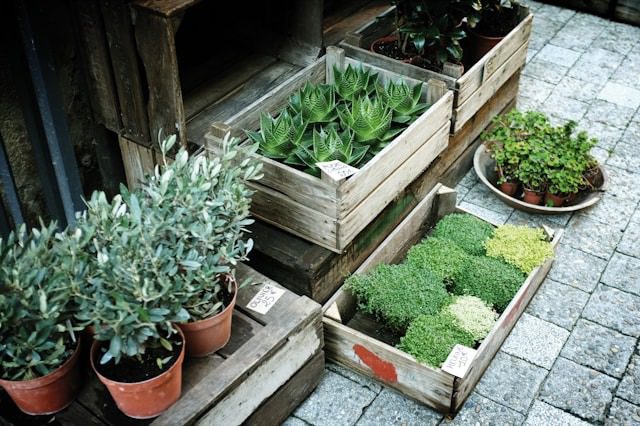
Now comes the fun part. With the pallet still flat on the ground, plant your chosen seedlings or seeds into each pocket. Compact or trailing plants work brilliantly in pallet gardens. Some excellent choices include strawberries, lettuce, spinach, herbs like basil, mint, and parsley, petunias, pansies, and succulents. Space plants appropriately and press them firmly into the soil. Water them gently and allow the roots to establish for one to two weeks before standing the pallet upright.
Step 5: Stand It Up and Find Its Home
Once your plants have settled in, it is time to stand the pallet upright. Lean it against a fence, wall, or sturdy post, or secure it with brackets for a more permanent setup. Make sure it is in a location that gets the right amount of sunlight for your chosen plants. Most herbs and vegetables thrive in at least six hours of direct sunlight per day. A south or east-facing wall is ideal in the Northern Hemisphere.
Step 6: Water and Maintain Your Pallet Garden
Vertical pallet gardens tend to dry out faster than traditional garden beds, so regular watering is key. Water from the top and allow it to trickle down through the layers. During hot weather, you may need to water daily. Feed your plants with a balanced liquid fertilizer every two to three weeks during the growing season. Remove dead or yellowing leaves regularly to keep the garden looking fresh and encourage new growth.
Are Garden Plants Dangerous for Dogs?
Best Plants for a Wood Pallet Garden
Choosing the right plants can make or break your pallet garden. Stick to compact, shallow-rooted varieties that thrive in limited soil depth. Here are some top picks:
- Herbs: Basil, parsley, chives, thyme, oregano, and mint
- Vegetables: Lettuce, spinach, kale, radishes, and cherry tomatoes
- Flowers: Petunias, marigolds, pansies, violas, and nasturtiums
- Succulents: Perfect for low-maintenance and decorative pallet gardens
- Strawberries: Compact, productive, and visually attractive
Tips for a Thriving Pallet Herb Garden and More
- Rotate your pallet garden seasonally to ensure even sun exposure across all plants.
- Use a slow-release fertilizer mixed into the potting soil at the start of each growing season.
- Add a drip tray or water collection system at the base to reduce water waste.
- For a pallet raised garden bed, lay the pallet flat and stack two for added depth.
- Seal or treat the wood annually with a non-toxic sealant to prolong its lifespan.
- Group plants with similar watering and sunlight needs together for easier care.
Frequently Asked Questions (FAQ)
1. Are wood pallets safe for vegetable gardens?
Yes, but only if they are marked with the HT (Heat Treated) stamp. Avoid pallets marked MB (Methyl Bromide), as they have been treated with chemicals that can contaminate soil and be harmful to edible plants. Always inspect the IPPC stamp on the side of the pallet before use.
2. How long does a wood pallet garden last?
With proper care, a pallet garden can last two to five years. The lifespan depends on the quality of the wood, weather conditions, and how well you maintain it. Applying a non-toxic wood sealant annually and keeping the pallet off wet ground will significantly extend its life.
3. What type of soil should I use in a pallet garden?
Use a lightweight, well-draining potting mix rather than heavy garden soil. A mix designed for containers or raised beds works perfectly, as it allows good water drainage and airflow to plant roots. You can enrich it with compost or slow-release fertilizer for better plant growth.
4. Can I build a pallet garden on a balcony?
Absolutely! Vertical pallet gardens are ideal for balconies because they take up minimal floor space. Just make sure the pallet is securely leaned or mounted against a wall or railing. Also consider the weight load of the soil and pallet combined, and ensure your balcony can support it safely.
5. How often should I water a vertical pallet garden?
Vertical pallet gardens dry out faster than ground-level beds because of increased air circulation and gravity. During warm weather, daily watering is often necessary. Check the soil moisture by pressing a finger about an inch into the soil. If it feels dry, it is time to water. In cooler months, every two to three days is usually sufficient.