Some links on this Website are affiliate links, meaning we may earn a commission if you make a purchase, at no additional cost to you. Please read our full Affiliate Disclosure for more details.
If you’ve ever brushed past a mint plant and caught that fresh, clean scent, you already know why so many people want this herb growing right in their own home. The good news? Learning how to grow mint at home is one of the easiest gardening projects you can take on, even if you’ve never grown anything before. Mint is forgiving, fast-growing, and incredibly useful in everything from teas and cocktails to cooking and home remedies.
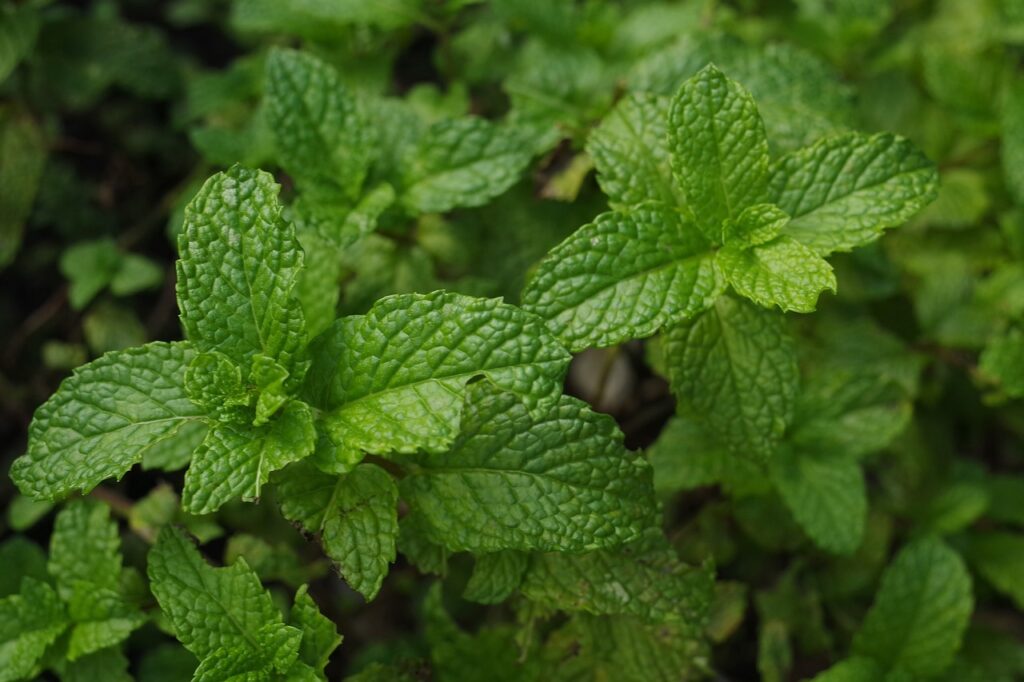
This guide covers everything you need to know, from choosing the right variety to harvesting and avoiding the most common mistakes.
Why Grow Mint at Home?
Before we get into the how, let’s talk about the why. Mint is one of those rare herbs that offers so much with so little effort. Fresh mint leaves are far more flavorful than anything you’ll find dried in a store, and having it on hand means you’re always just a few steps away from a mojito, a pot of mint tea, or a fresh garnish for your lamb chops.
Beyond the kitchen, mint has a long history of use for digestive health, headache relief, and even as a natural insect repellent. And from a gardening perspective, mint is a powerhouse that grows quickly and asks for very little in return. There’s really no reason not to have some growing at home.
Choosing the Right Mint Variety
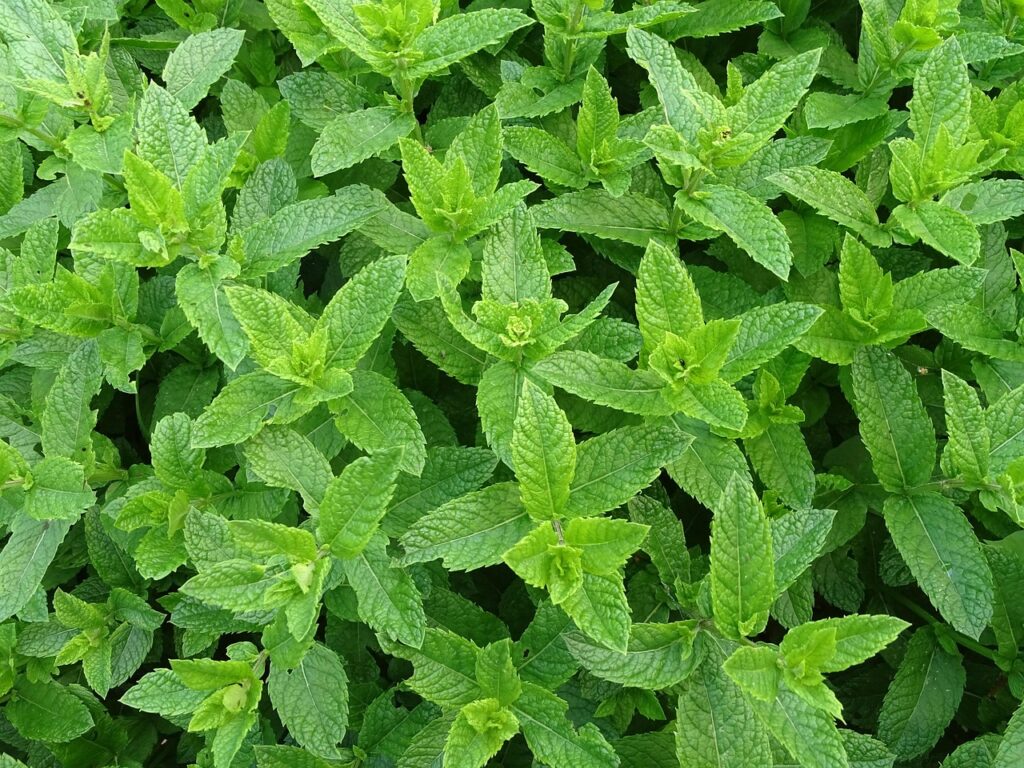
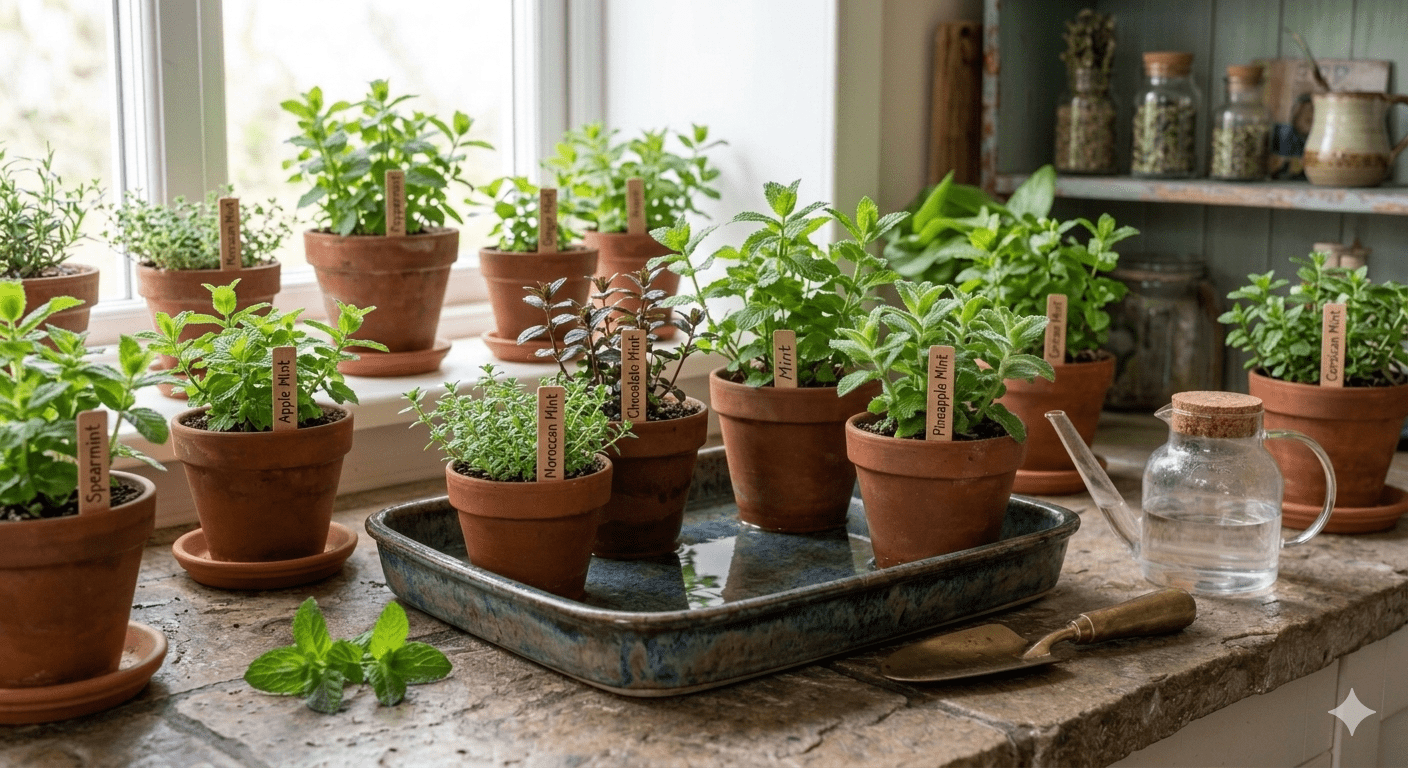
Mint comes in dozens of varieties, and part of the fun is picking one that suits your taste and needs. The most popular options for home growers include:
- Spearmint is the classic choice. Mild, sweet, and perfect for teas, cooking, and cocktails.
- Peppermint has a stronger, more intense flavor with higher menthol content. Great for teas and medicinal uses.
- Chocolate Mint offers a subtle chocolatey undertone that makes it a favorite for desserts and hot drinks.
- Apple Mint is fuzzy-leafed and fruity, making it a lovely addition to fruit salads and infused water.
If you’re just starting out, spearmint or peppermint are the safest bets since they’re widely available and incredibly versatile.
What You Need to Grow Mint at Home
One of the biggest appeals of growing mint indoors or at home is that the setup is minimal. Here’s what you’ll need to get started:
The Right Pot and Soil
Mint grows aggressively, which is why it does best in a container rather than directly in a garden bed. A pot that’s at least 12 inches wide and has good drainage holes is ideal. This gives the roots room to spread without taking over your entire garden. When it comes to soil, mint isn’t fussy, but it thrives in rich, moist, well-draining soil. A standard potting mix works well, though adding a little compost can give your plant an extra boost.
Light Requirements
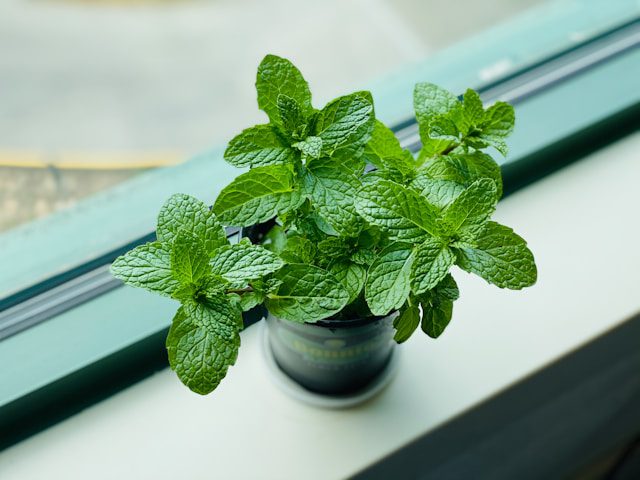
Mint prefers a spot with partial to full sun, ideally around 4 to 6 hours of sunlight per day. A bright windowsill facing east or south is perfect for growing mint indoors. If your home doesn’t get much natural light, a simple grow light on a timer can easily compensate. Interestingly, mint can tolerate some shade better than many herbs, so don’t worry if your windowsill isn’t the sunniest spot in the house.
What Plants to Avoid Using Neem Oil On
How to Grow Mint at Home: Step-by-Step
Starting From Cuttings vs. Seeds
Most experienced gardeners recommend growing mint from cuttings rather than seeds. It’s faster, easier, and more reliable. To grow mint from cuttings in water, simply snip a 4 to 6 inch stem just below a leaf node, remove the lower leaves, and place it in a glass of water on a bright windowsill. Roots should appear within 1 to 2 weeks. Once the roots are about an inch long, you’re ready to transplant into soil.
If you prefer to start from seed, sow seeds on the surface of moist potting mix and cover with a very thin layer of soil. Keep the soil consistently moist and warm (around 65 to 70°F) and expect germination in 10 to 15 days.
The Best Cheap LED Grow Lights For Growing Vegetables
Watering Your Mint Plant
Mint likes moisture, but it doesn’t like to sit in waterlogged soil. A good rule of thumb is to water whenever the top inch of soil feels dry. During summer, you may need to water every day or two; in cooler months, every few days is usually fine. If you notice the leaves wilting or yellowing, that’s often a sign of overwatering rather than underwatering, so check the drainage before adding more water.
How To Identify Root Rot In Succulents
How to Harvest Mint Without Killing the Plant
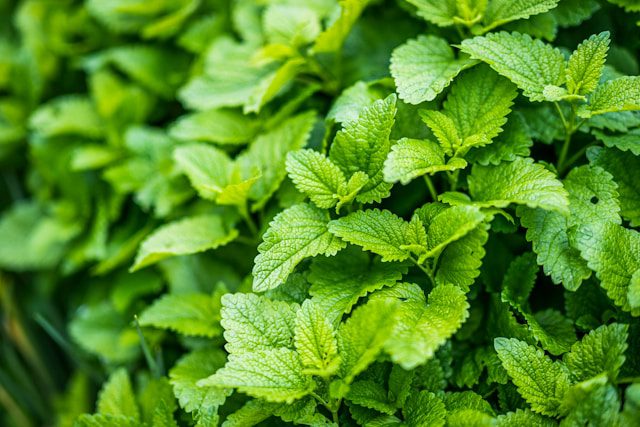
This is where a lot of new growers go wrong. Harvesting too aggressively or incorrectly can weaken your plant. The key is to never remove more than one-third of the plant at a time. Use clean scissors or pinch off stems just above a pair of leaves. This encourages the plant to branch out and grow bushier rather than tall and leggy.
The best time to harvest is in the morning after the dew has dried, when the essential oils in the leaves are most concentrated. For the best flavor, harvest before the plant flowers. Once mint starts to flower, the leaves can turn slightly bitter, though they’re still usable.
Why Are Your Calathea Dottie Leaves Turning Yellow?
Common Mistakes to Avoid When Growing Mint
- Planting in the ground without containment. Mint spreads through underground runners and can quickly take over a garden bed. Always use a pot or a buried container to keep it in check.
- Overwatering. Mint likes moisture, but soggy roots will cause root rot. Always ensure your pot has drainage holes.
- Not harvesting enough. Regular harvesting actually keeps mint healthy and productive. Leaving it untouched for too long leads to a woody, less flavorful plant.
- Ignoring pests. Aphids, spider mites, and mint rust can be issues. Check the undersides of leaves regularly and treat early with neem oil or insecticidal soap if needed.
Frequently Asked Questions
How long does mint take to grow from seed?
Mint seeds typically germinate in 10 to 15 days under warm, moist conditions. However, it will take several more weeks before the plant is established enough to harvest. Growing from cuttings is significantly faster, with a harvestable plant ready in about 4 to 6 weeks total.
Can mint grow in shade indoors?
Yes, mint is one of the more shade-tolerant herbs. While it grows best with 4 to 6 hours of light per day, it can survive in lower light conditions. You may notice slower growth and slightly smaller leaves, but the plant will remain healthy. A grow light is a simple solution if you don’t have a bright window available.
Why is my mint plant dying indoors?
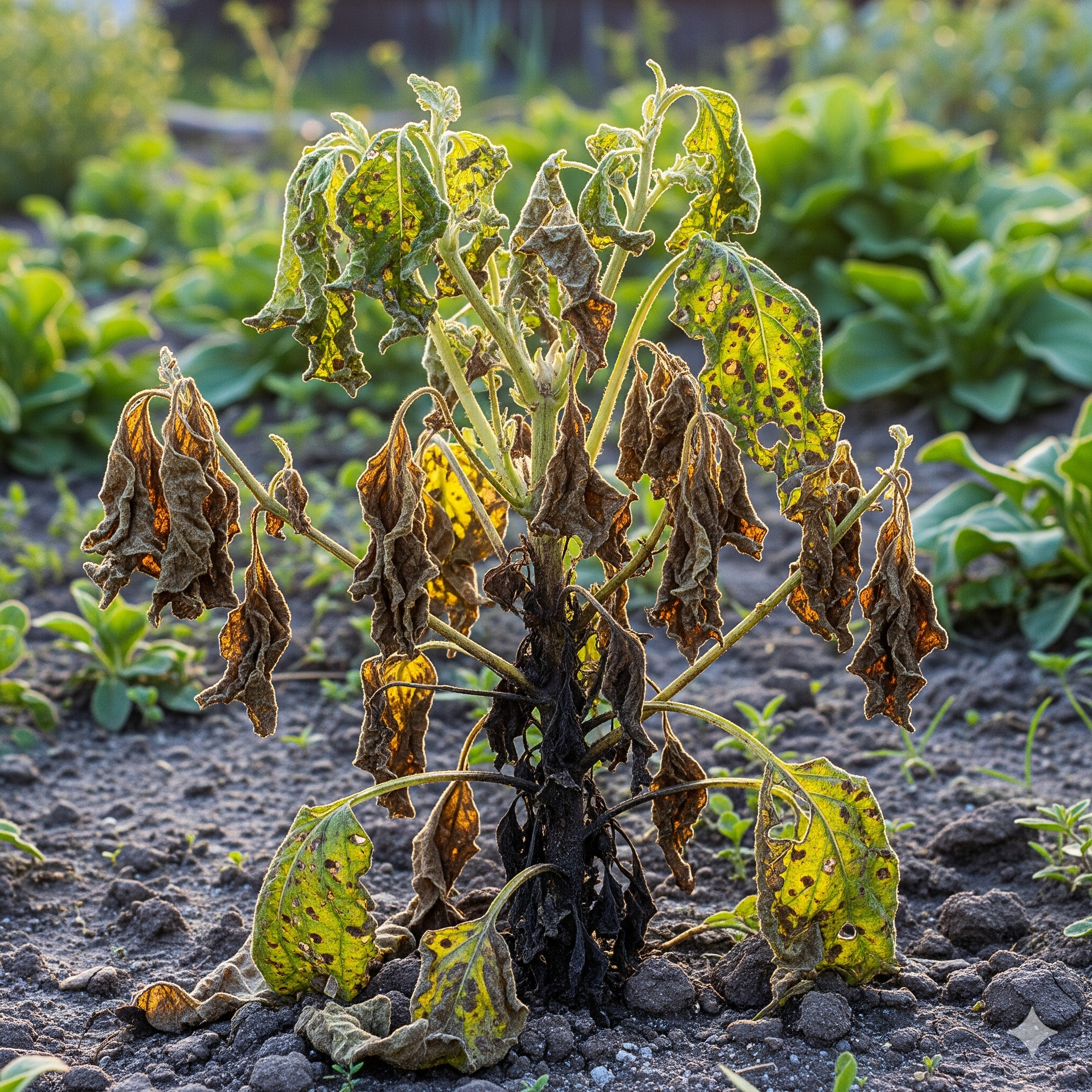
The most common culprits are overwatering, insufficient light, or poor drainage. If the leaves are yellowing and the soil feels wet, ease back on watering and make sure the pot drains well. If the plant looks pale and leggy, it needs more light. Mint can also suffer from pests like aphids or spider mites, so inspect the leaves closely if watering and light don’t seem to be the issue.
How do I stop mint from spreading in my garden?
The most effective method is to grow mint in a container. If you want it in a garden bed, plant it in a buried pot or use a root barrier to contain the underground runners. Regularly trimming back the edges of the plant also helps slow its spread.
What is the best soil for growing mint at home?
Mint thrives in rich, moist, well-draining soil with a slightly acidic to neutral pH (between 6.0 and 7.0). A quality potting mix with added compost works well for container growing. Avoid heavy clay soils that retain too much water, as these can cause root rot.