Some links on this Website are affiliate links, meaning we may earn a commission if you make a purchase, at no additional cost to you. Please read our full Affiliate Disclosure for more details.
If you’ve ever stood in your garden staring at a tomato plant that looks more like a jungle than a food source, you’re not alone. Tomatoes are enthusiastic growers, and without a little guidance, they’ll happily put all their energy into producing leaves instead of fruit. That’s where pruning comes in. Knowing how to prune a tomato plant properly is one of the simplest things you can do to supercharge your harvest, improve airflow, and keep your plants healthy all season long.
In this guide, we’ll walk you through everything you need to know, including when to start, which parts to remove, and how to avoid the most common pruning mistakes. Whether you’re a first-time gardener or a seasoned grower, these tips will help you get more tomatoes with less guesswork.
Why Pruning Tomato Plants Actually Matters
Before we get into the how, it helps to understand the why. Tomato plants are heavy feeders. They take up a lot of water and nutrients, and if left to their own devices, they’ll spread those resources thin across dozens of stems and leaves. Pruning redirects that energy toward fruit production instead.
There are a few other solid reasons to prune regularly:
- Better airflow: Dense foliage traps moisture and creates the perfect environment for fungal diseases like blight and powdery mildew. Opening up the plant reduces that risk.
- More sunlight penetration: When light can reach all parts of the plant, your tomatoes ripen more evenly and develop better flavor.
- Easier harvesting: A well-pruned plant is simply easier to manage. You can see your fruit, pick it at the right time, and support the plant without wrestling through a wall of stems.
- Bigger fruit: Fewer growing points mean each tomato gets more resources. Many gardeners report noticeably larger tomatoes after pruning consistently.
Determinate vs. Indeterminate Tomatoes: Know Your Plant First
Not all tomatoes should be pruned the same way, and pruning the wrong type too aggressively can actually hurt your yield. The first thing you need to figure out is whether your tomatoes are determinate or indeterminate.
Determinate Tomatoes
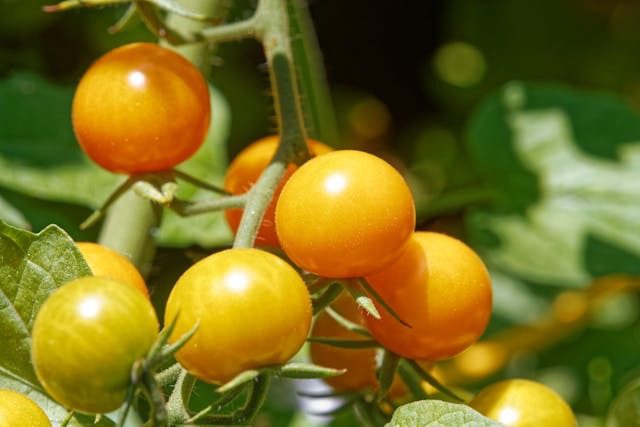
Also called bush tomatoes, determinate varieties grow to a set height, produce all their fruit within a short window, and then stop. Roma, Celebrity, and Rutgers are popular examples. With these plants, you should prune minimally. Removing too many suckers can reduce your total yield because each stem contributes to the plant’s fixed crop.
Indeterminate Tomatoes
Indeterminate varieties keep growing and producing until frost kills them. Cherry tomatoes, Beefsteak, San Marzano, and most heirloom varieties fall into this category. These are the plants that benefit most from regular pruning. Left unpruned, they can reach six, eight, or even ten feet tall and become nearly impossible to manage.
When Should You Start Pruning Tomato Plants?
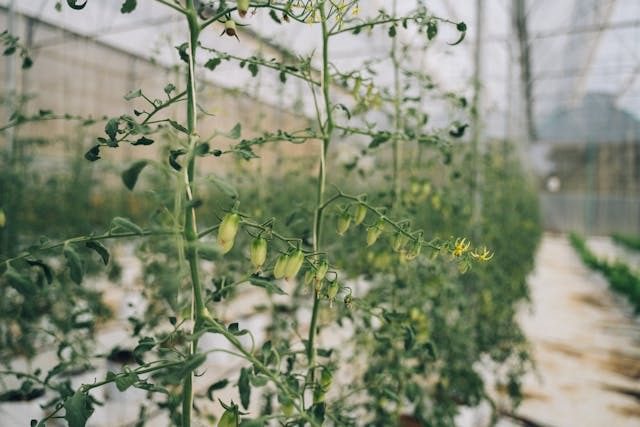
You can start pruning as soon as your plant is established in the ground or container, typically two to three weeks after transplanting. At that stage, the plant is sturdy enough to handle a little grooming without stress.
From there, make pruning a regular part of your gardening routine. A quick check every week or two is all it takes. Catching suckers when they’re small (under two inches) makes the job quick and painless. The longer you wait, the larger and woodier they become, and removing them causes more stress to the plant.
As for time of day, morning is ideal. This gives any small wounds time to dry out in the sun before cooler, damper evening conditions set in, which reduces the risk of disease.
Why Are My Citronella Plant Leaves Turning Yellow?
How to Prune a Tomato Plant: Step-by-Step
Here’s the practical part. Follow these steps and you’ll be pruning like a pro in no time.
Step 1: Gather Your Tools
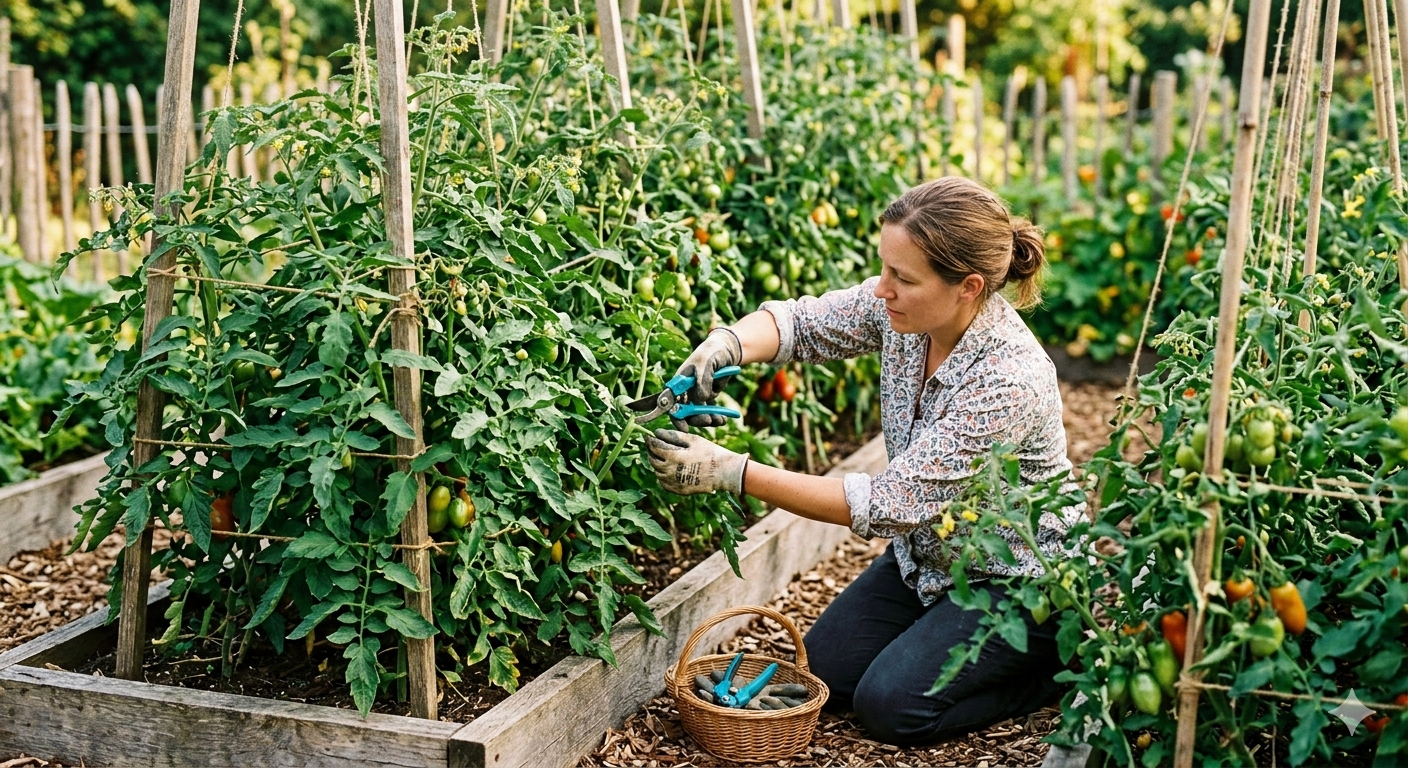
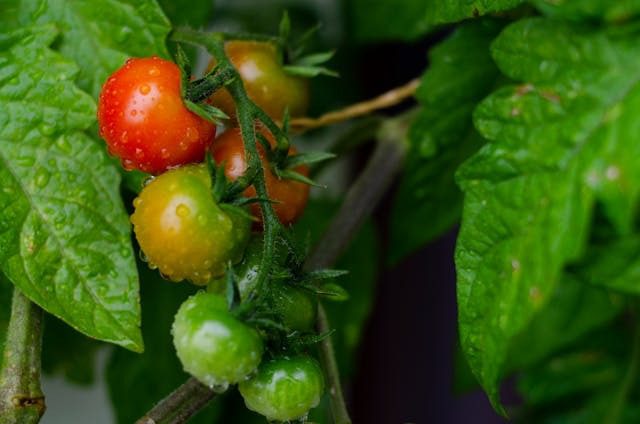
You’ll need a pair of clean, sharp pruning shears or scissors. This is important: dirty or dull tools can spread disease between plants and crush stems rather than cutting cleanly. Wipe your blades with rubbing alcohol before you start, especially if you’re moving between plants.
Step 2: Identify and Remove Suckers
Suckers are the small shoots that grow in the “V” shaped crotch between the main stem and a branch. They’re not bad by nature, but if left to grow, each one becomes a full stem with its own flowers, leaves, and fruit. This can make your plant unmanageable quickly.
For small suckers, you can simply pinch them off with your fingers. For anything larger, use your pruning shears and cut as close to the main stem as possible without nicking it. Leave a tiny stub rather than cutting flush, which can damage the stem’s outer layer.
Step 3: Remove Lower Leaves
Any leaves that are touching or hanging below the lowest cluster of fruit should be removed. These lower leaves are often the first to develop disease because they’re closest to the soil where moisture and pathogens live. Removing them improves airflow at the base of the plant and keeps the foliage cleaner throughout the season.
Step 4: Top the Plant (Optional but Effective)
About four to six weeks before your first expected frost, consider topping your indeterminate tomato plant. This means cutting off the very top growing tip of the main stem. With no more upward growth happening, the plant shifts all its remaining energy into ripening the fruit that’s already set. It’s a smart move for getting the most out of the end of the season.
How To Grow Cherry Tomatoes In Pots
Common Tomato Pruning Mistakes to Avoid

Even experienced gardeners occasionally get this wrong. Here are the pitfalls worth knowing about:
- Over-pruning determinate varieties: As mentioned earlier, these plants have a fixed number of stems that contribute to their yield. Strip too many and you’ll actually reduce how many tomatoes you get.
- Pruning in wet conditions: Wet leaves and stems are far more susceptible to fungal infections. If it rained recently, wait until things dry out before you start cutting.
- Using dirty tools: This one cannot be overstated. Disease spreads quickly through a garden when tools aren’t sanitized between uses.
- Removing all the foliage: Leaves are how your plant photosynthesizes and produces the sugars that flavor your tomatoes. Don’t go overboard. The goal is selective thinning, not stripping the plant bare.
- Waiting too long between sessions: Weekly or biweekly checks keep suckers small and manageable. Monthly pruning sessions mean you’re removing large, established growth, which is stressful for the plant.
How to Prune Tomato Plants in Pots
Container-grown tomatoes follow the same basic pruning rules, but there are a couple of extra things to keep in mind. Plants in pots have limited root space and therefore limited access to water and nutrients. Keeping the plant to one or two main stems rather than three or four is especially important in containers, so resources aren’t stretched too thin.
Compact or dwarf tomato varieties are often the best choice for containers anyway, and many of these are determinate, so remember to prune lightly. If you’re growing a cherry tomato variety in a large pot, however, regular suckering and trimming lower leaves will keep the plant productive and tidy all season.
7 Mistakes to Avoid When Growing English Ivy Indoors
Frequently Asked Questions
Does pruning tomato plants increase yield?
Yes, when done correctly on indeterminate varieties. Pruning removes competing growth points so the plant can focus its energy on producing and maturing fruit rather than maintaining excessive foliage.
How far back can you prune a tomato plant?
You can remove quite a bit of growth without harming the plant, but always make sure to leave enough healthy foliage for photosynthesis. As a general rule, never remove more than one third of the plant at any one time.
Should you prune determinate tomato plants?
Only lightly. Determinate tomatoes have a predetermined number of fruit-bearing stems, so heavy pruning reduces your harvest.
When is it too late to prune tomato plants?
It’s never truly too late to remove diseased or dead foliage, but heavy pruning late in the season can shock the plant and reduce your final harvest. Topping the plant four to six weeks before the first frost is a great late-season move, but beyond that, it’s best to let the plant focus on ripening what it already has.
Can you prune tomato plants without pruning shears?
For small suckers under an inch long, pinching them off with your fingers works perfectly well. For anything larger or woodier, you really should use a sharp, clean cutting tool. Tearing or twisting off larger stems can damage the main plant and leave it vulnerable to infection.