Some links on this Website are affiliate links, meaning we may earn a commission if you make a purchase, at no additional cost to you. Please read our full Affiliate Disclosure for more details.
If your houseplants keep struggling no matter how carefully you water them, the problem might not be you. It could be the soil. Using the wrong houseplant soil mix is one of the most common mistakes indoor gardeners make, and it can lead to root rot, nutrient deficiencies, and plants that never quite thrive. The good news? Once you understand what each plant needs, getting the soil right is surprisingly simple.
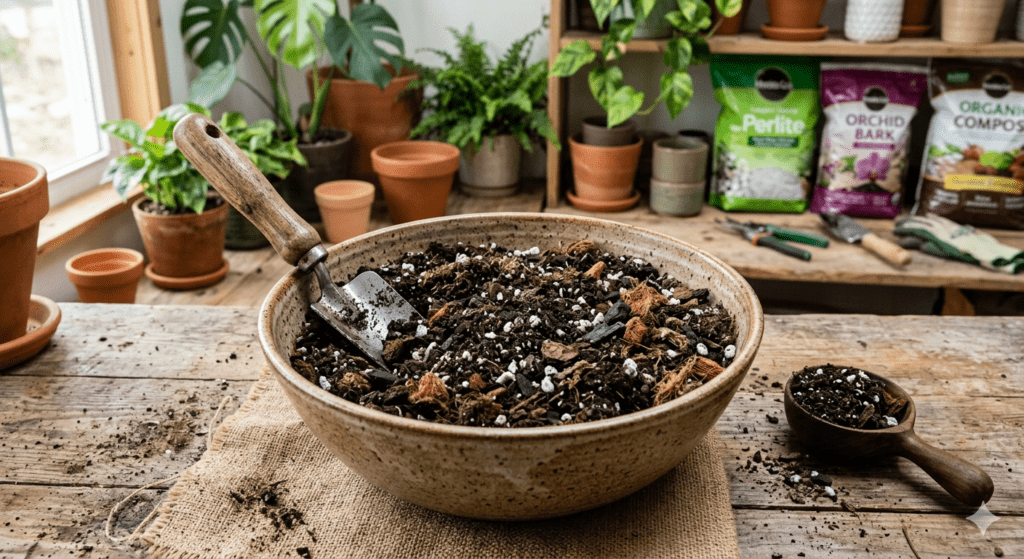
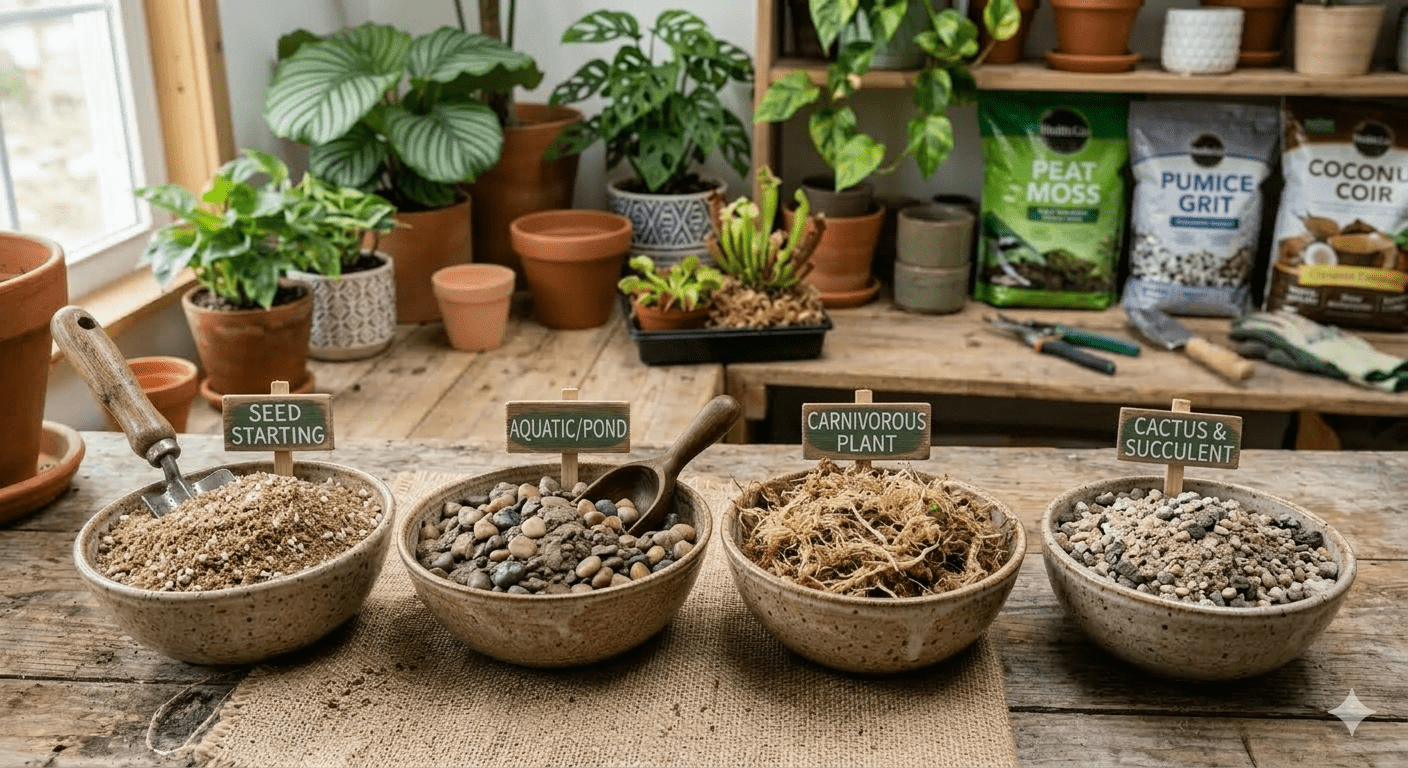
In this guide, we break down the best potting mix for houseplants by type, share easy DIY recipes you can make at home, and explain exactly what ingredients to look for and what to avoid. Whether you are caring for a moisture-loving fern or a drought-tolerant cactus, there is a perfect houseplant soil mix.
How To Stop Plants From Growing Back
Why the Right Houseplant Soil Mix Matters
Not all indoor plants are created equal. A tropical plant native to a rainforest floor has completely different soil needs than a succulent from an arid desert. Using a one-size-fits-all potting soil for indoor plants might keep them alive, but it rarely helps them flourish.
The right soil mix affects three critical things:
- Drainage: How quickly excess water moves through the soil
- Aeration: How much oxygen reaches the roots
- Nutrient retention: How well the soil holds the nutrients your plant needs
When these three factors are balanced correctly for your specific plant, you will notice stronger growth, better color, and far fewer problems with pests and disease.
How to Identify and Treat the 10 Most Common Houseplant Pests
Common Ingredients in a Good Potting Mix for Houseplants
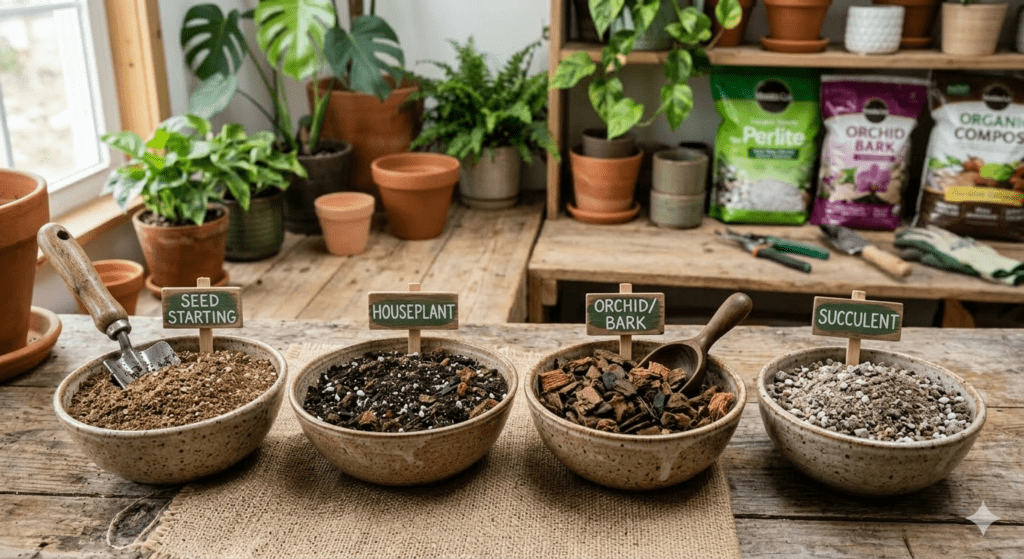
Before diving into plant-specific mixes, it helps to know what the building blocks are. Most quality indoor plant soil recipes use some combination of the following:
- Perlite: Lightweight volcanic glass that improves drainage and aeration. Essential for almost every mix.
- Coco coir: A sustainable byproduct of coconut husks. It retains moisture without becoming waterlogged.
- Bark: Pine or orchid bark adds structure and airflow, great for roots that need room to breathe.
- Peat moss: Acidic and moisture-retaining, though coco coir is now the more eco-friendly alternative.
- Worm castings: A gentle, natural fertilizer that adds nutrients and beneficial microbes.
- Sand: Coarse horticultural sand can improve drainage in mixes for succulents and cacti.
Best Soil Mixes for Different Types of Houseplants
Soil Mix for Succulents and Cacti
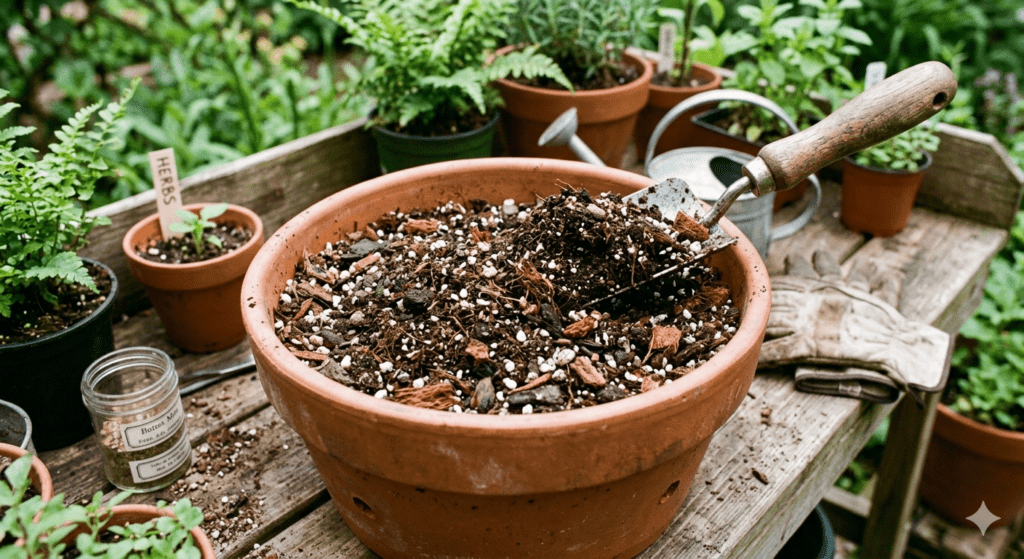
If there is one thing succulents and cacti cannot stand, it is sitting in wet soil. Their roots are highly susceptible to rot, so the goal of your soil mix is maximum drainage with minimal moisture retention.
Recommended DIY mix:
- 50% coarse sand or perlite
- 25% standard potting soil
- 25% fine gravel or grit
This well-draining potting mix dries out quickly between waterings, which is exactly what these plants need. Avoid adding compost or materials that hold moisture for long periods.
Soil Mix for Tropical Houseplants (Monstera, Pothos, Philodendron)
Tropical plants like monstera, pothos, and philodendron enjoy a soil mix that holds some moisture while still draining well. In their natural habitat, they grow in rich, loose forest floors with plenty of organic matter.
Recommended DIY mix:
You can also add a handful of worm castings for a natural nutrient boost. This potting mix for indoor plants provides the balance of moisture and drainage that makes tropical aroids thrive.
Soil Mix for Orchids
Orchids are epiphytes, meaning they naturally grow on other plants and tree bark, not in soil. Standard potting soil for indoor plants will suffocate their roots. The best potting mix for orchids indoors is actually quite chunky and open.
Recommended DIY mix:
- 70% medium or fine orchid bark
- 20% perlite
- 10% sphagnum moss
This mix allows air to circulate freely around the roots while still retaining just enough moisture. Repot your orchid every one to two years as the bark breaks down.
Soil Mix for Snake Plants and ZZ Plants
Both snake plants (Sansevieria) and ZZ plants store water in their roots and rhizomes, making them extremely tolerant of drought. The worst thing you can do is keep them in waterlogged soil, which leads to root rot almost immediately.
Recommended DIY mix:
- 50% standard potting soil
- 30% perlite
- 20% coarse sand
A cactus mix from your local garden center also works well as a base for these low-maintenance plants.
Soil Mix for Indoor Ferns and Humidity-Loving Plants
Ferns, peace lilies, and calatheas love moisture and thrive in rich, water-retentive soil. Unlike succulents, these plants prefer their soil to stay slightly damp between waterings.
Recommended DIY mix:
- 50% potting soil
- 30% coco coir or peat moss
- 10% perlite
- 10% worm castings
The coco coir keeps the soil moist without becoming dense, while the perlite prevents compaction over time. This is a great base mix for most moisture-loving tropical foliage plants.
How To Care For Basil Plant Indoors
How To Care For ZZ Plant Indoors
Can You Use Garden Soil for Houseplants?
This is one of the most common questions new plant parents ask, and the short answer is: not on its own. Garden soil is too dense for pots. It compacts easily, drains poorly, and can introduce pests, diseases, and weed seeds into your home.
If you want to stretch your budget, you can mix a small amount of garden soil (no more than 20 to 25%) with perlite and coco coir to improve its structure. But for most houseplants, starting with a quality commercial potting mix and amending it to suit your plant’s specific needs is the smarter and safer choice.
How to Improve Potting Soil Drainage for Indoor Plants
If your houseplant soil is not draining well, there are a few simple fixes:
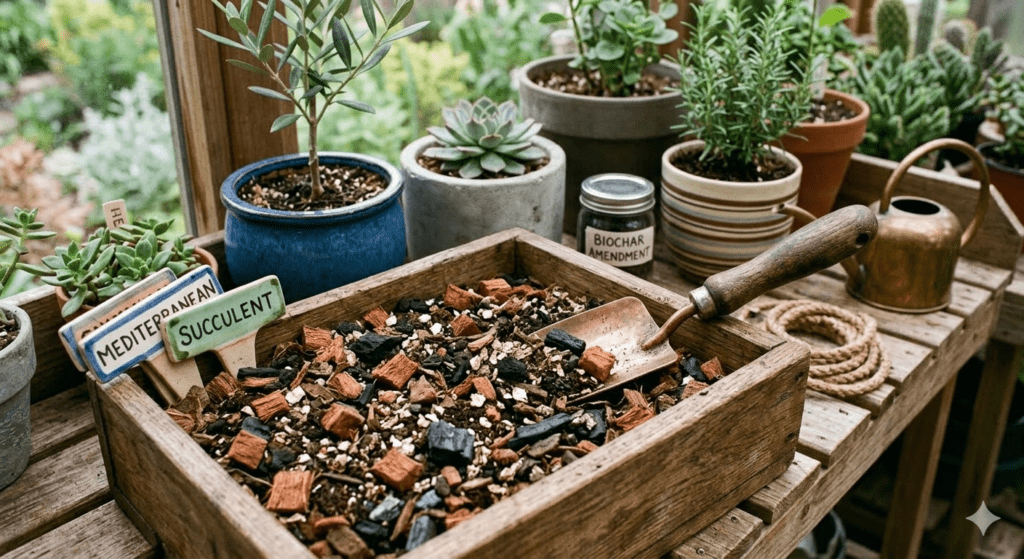
- Add perlite: Mixing in 20 to 30% perlite is the quickest way to improve drainage in almost any mix.
- Use a pot with drainage holes: No soil mix will save a plant sitting in a pot without drainage.
- Try bark or coarse grit: For plants with thicker roots, chunky bark pieces help create air pockets in the soil.
- Repot regularly: Over time, soil compacts and breaks down. Refreshing it every one to two years keeps drainage healthy.
Frequently Asked Questions
What is the best houseplant soil mix for beginners?
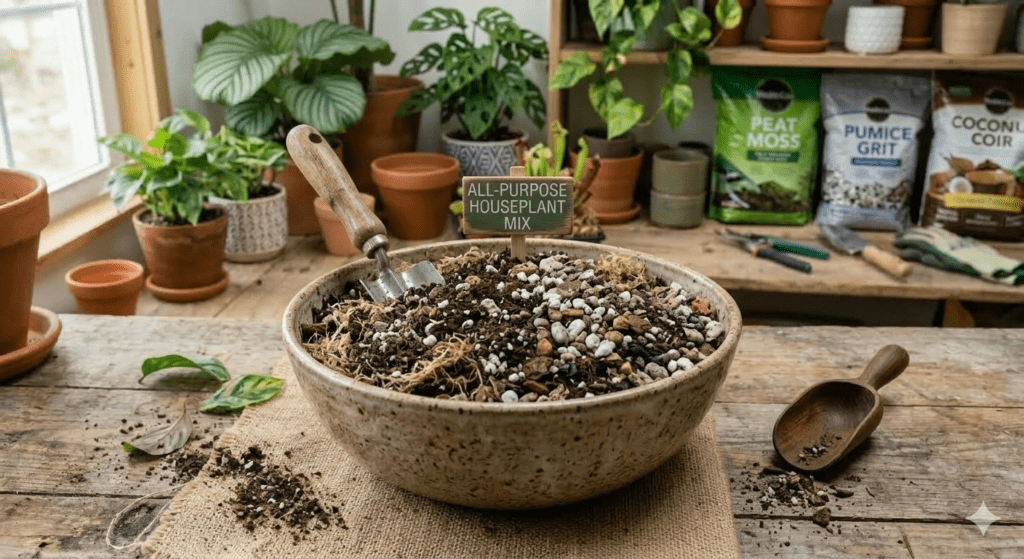
A good all-purpose mix for beginners is 60% standard potting soil, 20% perlite, and 20% coco coir. This combination works well for most common houseplants including pothos, spider plants, and peace lilies, and it drains well enough to prevent root rot while retaining enough moisture for steady growth.
What is the difference between potting soil and potting mix?
Potting soil traditionally contains actual soil or loam as a base, while potting mix is often soil-free and made up of ingredients like peat moss, perlite, and coco coir. For most indoor plants, a potting mix is actually the better choice because it is lighter, drains more efficiently, and is less likely to compact in a pot.
How often should I change my houseplant’s soil?
Most houseplants benefit from fresh soil every one to two years. Over time, soil breaks down, compacts, and loses its ability to drain properly. Signs it is time to repot include roots growing out of the drainage holes, soil that dries out very quickly, or a plant that has stopped growing despite regular watering and feeding.
Can I use the same soil mix for all my houseplants?
While a general-purpose mix works for many common houseplants, using a tailored soil mix for different plant types will give you much better results. Succulents need a fast-draining mix, orchids need bark-based mixes, and ferns prefer moisture-retentive soil. Taking the time to match the soil to the plant makes a noticeable difference in long-term plant health.
What can I add to potting soil to improve drainage?
The most effective additions for improving drainage in potting soil are perlite, coarse horticultural sand, and orchid bark. Perlite is the most versatile option and works for almost every plant type. Adding 20 to 30% perlite to any standard potting mix significantly improves water flow and reduces the risk of root rot.