Some links on this Website are affiliate links, meaning we may earn a commission if you make a purchase, at no additional cost to you. Please read our full Affiliate Disclosure for more details.
If you love plants that bring color and life into your home during the holiday season, the Christmas cactus is one of the best choices you can grow. Unlike desert cacti, this plant doesn’t thrive in hot, dry conditions; it comes from the cool, humid forests of Brazil, where it grows on rocks and trees under filtered light.
Because of this, caring for it can be a little confusing for beginners. But once you understand its natural environment, you’ll realize just how easy and rewarding Christmas cactus care can be.
In this guide, we’ll explore everything from watering and lighting to soil, blooming, and common plant problems, so you can enjoy healthy growth and beautiful flowers year after year.
6 Best Gardening Work Trousers
Understanding Your Christmas Cactus
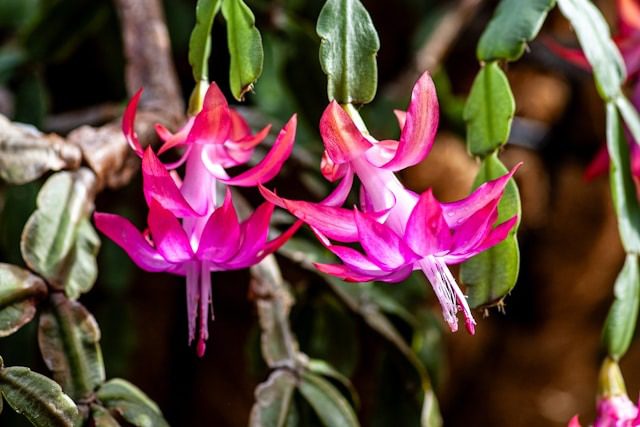
A Christmas cactus is not a typical cactus. Instead of thick needles and sandy soil, it has flat segmented leaves and thrives in moisture-rich, shady environments. This difference is important because many people treat it like a desert cactus and give it too much sun and too little water.
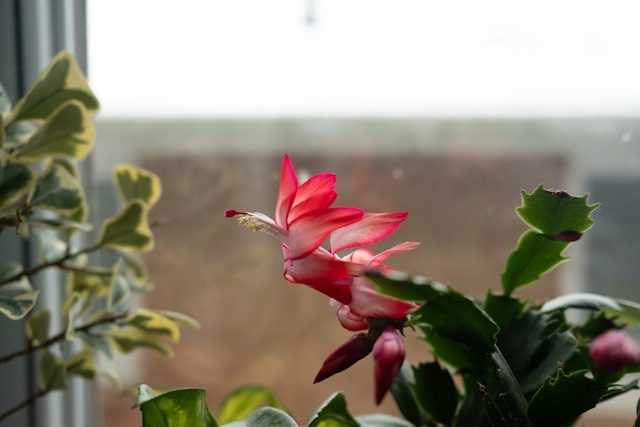
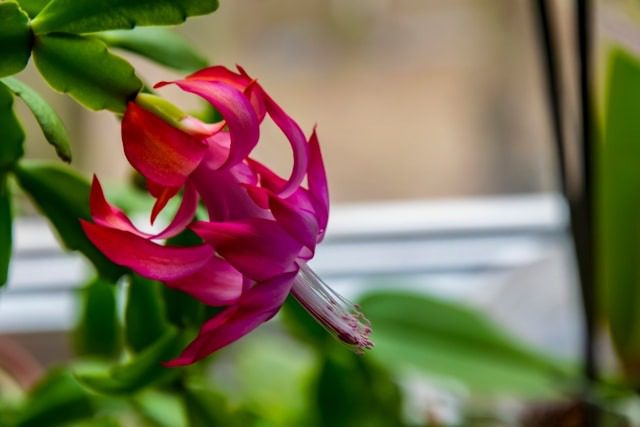
When properly cared for, the plant produces vibrant blooms in red, pink, white, or purple, usually around December, which is where it gets its name. The plant’s soft, arching stems also make it beautiful as a hanging plant or as a centerpiece on a table or shelf.
How To Care For Christmas Cactus Plant
Christmas Cactus Light Requirements

Because the Christmas cactus grows in shaded forests, it prefers bright but indirect light, meaning natural light that is filtered or softened as it reaches the plant. Placing it too close to harsh sunlight can cause the leaves to scorch or turn yellow, while placing it in very low light will slow its growth and reduce flowering.
The best spot is a bright room where the plant receives plenty of natural daylight without being exposed to direct afternoon sun. An east-facing window often works best because it offers gentle morning light that won’t overheat the plant. If the only spot you have gets strong sun, placing a thin curtain in front of the window can help provide the filtered light the plant prefers.
How to Water a Christmas Cactus Properly
Watering is one of the most important parts of Christmas cactus care, and also the part most people get wrong. Although it likes moisture, it cannot sit in soggy soil. The safest approach is to allow the top inch of soil to dry out before watering again. This prevents overwatering, which is the most common cause of problems such as yellowing leaves, drooping stems, or root rot.
During the warmer seasons (spring and summer) the plant typically needs watering once every 7–10 days, depending on humidity and temperature. In the colder months, especially when blooming or resting, the plant’s water needs decrease, so watering every 2–3 weeks is often enough.
If you’re unsure whether to water, always check the soil with your finger or moisture meter. Dry soil at the top means it’s time to water; damp soil means you should wait.
Choosing the Right Soil
Because this plant grows naturally on tree branches and rocks where water drains quickly, it needs a soil mix that is both airy and moisture-retaining. Regular heavy garden soil will not work because it traps too much water and suffocates the roots. A proper mix should be light, fast-draining, and slightly coarse.
A good potting mix includes high-quality potting soil blended with perlite, pumice, or orchid bark. This combination ensures that water drains efficiently while still keeping the soil moist enough for the plant’s tropical roots. Using the right soil also prevents problems such as fungal infections and root rot.
20 Top Air-Purifying Plants That Remove Toxins from Indoor Air
Temperature and Humidity Needs
The Christmas cactus feels most comfortable in environments with moderate temperatures and relatively high humidity. The best temperature range is 18–24°C (65–75°F), similar to what most homes maintain naturally. What it doesn’t like is extreme temperature: very hot rooms, cold drafts, or sudden temperature changes.
Humidity is just as important. In their natural habitat, Christmas cacti grow in humid forests, so dry indoor air (especially in winter) can stress the plant. Increasing humidity around the plant with a humidifier or a pebble tray helps prevent shriveling and keeps the plant looking fresh and healthy.
Fertilizing Your Christmas Cactus
Fertilizing helps the plant grow strong, produce lush foliage, and form more flower buds. The best time to fertilize is during the growing season, from March to September. A balanced, water-soluble fertilizer (like 20-20-20 or 10-10-10) works well when applied at half-strength once a month.
Once October arrives, it’s important to stop fertilizing because the plant begins preparing for its blooming cycle. Too much fertilizer at this stage can interfere with bud formation and result in fewer flowers.
7 Easy Tips For Growing Plants Indoors
How to Encourage Blooming
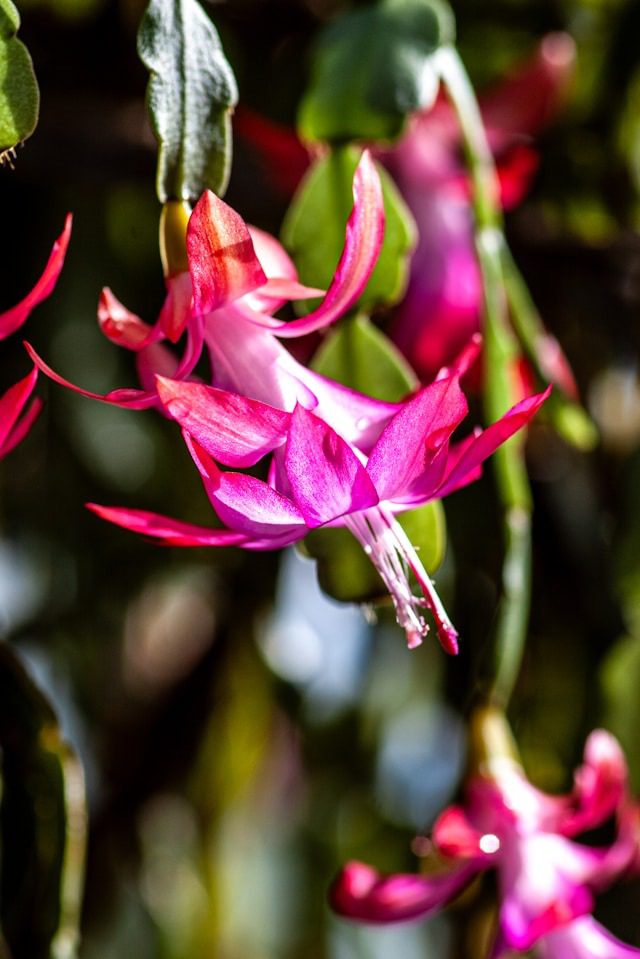
One of the most exciting parts of caring for a Christmas cactus is the blooming period. To help your plant bloom reliably every year, you need to recreate the conditions it experiences in nature before flowering. Blooming usually occurs in late fall or early winter, but the plant needs a few weeks of special treatment beforehand.
The most important factor for blooming is shorter days and longer nights. The plant needs at least 12–14 hours of complete darkness each night for around six weeks. Exposure to artificial light during this period, such as leaving the lights on in the house at night, can prevent the plant from forming buds. Cooler temperatures between 10–15°C (50–59°F) also help trigger blooming.
Once buds appear, the plant should be moved back to bright, indirect light and watered more regularly. At this stage, stability is key; moving the plant, changing its environment, or letting the soil dry out completely can cause buds to fall off before they open.
Tips to Make a Jade Plant Bloom
How Many Lumens do Plants Need?
Common Christmas Cactus Problems and How to Fix Them
Many Christmas cactus issues are caused by improper watering or lighting, but they are usually easy to fix once identified.
Yellow Leaves:
This typically means the plant is receiving too much water or is sitting in poorly draining soil. Repotting into a lighter soil mix and adjusting your watering schedule usually solves the problem.
Drooping or Limp Stems:
Drooping stems often signal root problems caused by overwatering, but they can also occur if the plant is underwatered or exposed to extreme temperatures. Checking the root system and ensuring consistent conditions helps restore the plant’s health.
Wrinkled or Shriveled Leaves:
This can happen when the plant is dehydrated or when the roots are damaged. Checking the soil moisture and inspecting the roots can help determine the cause.
Bud Drop:
Bud drop is a common issue during the blooming season and is usually caused by stress. Sudden changes in temperature, drafts, low humidity, or moving the plant too frequently all contribute. Keeping conditions stable encourages the plant to hold onto its buds.
Propagating a Christmas Cactus
Propagation is simple and enjoyable, and it lets you grow new plants from your existing one. The best time to propagate is during spring or summer when the plant is actively growing. The process involves cutting a section of the plant, allowing it to dry briefly, and planting it in moist soil.
Propagation works because each leaf segment contains the ability to form roots. Once the cutting is planted and kept in indirect light, roots usually appear within a few weeks. This method also helps rejuvenate older plants by removing leggy sections and encouraging new growth.
Winter Care Tips
Winter is both the blooming season and a rest period for the Christmas cactus, so care should be gentle and consistent. The plant typically needs less water during winter, especially if your home is cooler. It’s also important to keep it away from heat sources like radiators and fireplaces, which dry out the air and stress the plant. Providing a bit of humidity during this time helps the plant support its flowers and maintain healthy foliage.
How To Stop Plants From Growing Back
Frequently Asked Questions
1. How often should I water my Christmas cactus?
A Christmas cactus should be watered when the top inch of soil feels dry. In spring and summer, this is usually every 7–10 days, while in fall and winter, watering every 2–3 weeks is enough.
2. Why is my Christmas cactus not blooming?
The most common reasons are too much light at night, warm temperatures, overwatering, or moving the plant during bud formation. To encourage blooming, give the plant 12–14 hours of darkness and cooler temperatures for about six weeks.
3. What kind of light does a Christmas cactus need?
The plant thrives in bright, indirect light. Direct sunlight can scorch the leaves, while very low light slows growth and prevents blooming.
4. What is the best soil for a Christmas cactus?
Use a light, well-draining mix made from potting soil combined with perlite, pumice, or orchid bark. Heavy soils hold too much water and cause root rot.
5. Why are the leaves on my Christmas cactus turning yellow?
Yellow leaves usually indicate overwatering or poor drainage. Repotting the plant into a well-draining soil mix and adjusting your watering routine can help.