

Some links on this Website are affiliate links, meaning we may earn a commission if you make a purchase, at no additional cost to you. Please read our full Affiliate Disclosure for more details.
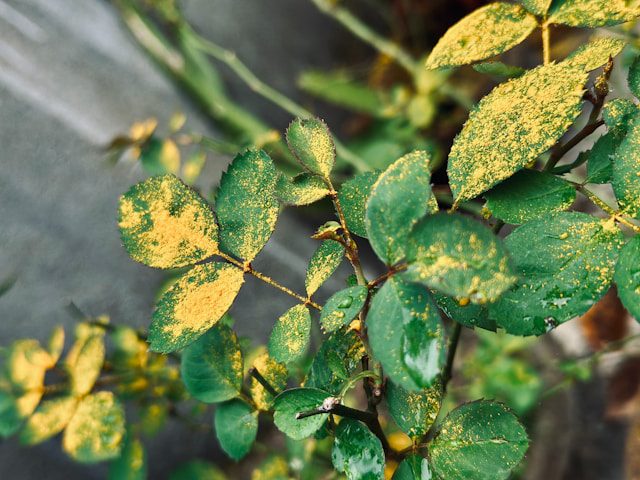
If your houseplants have been looking a little off lately, plant fungal diseases might be the culprit. Discolored leaves, strange coatings, wilting stems, or mushy roots are all signs that something is going wrong beneath the surface. Fungi are responsible for roughly 85% of all plant diseases, making them the number one threat to both indoor and outdoor plants.
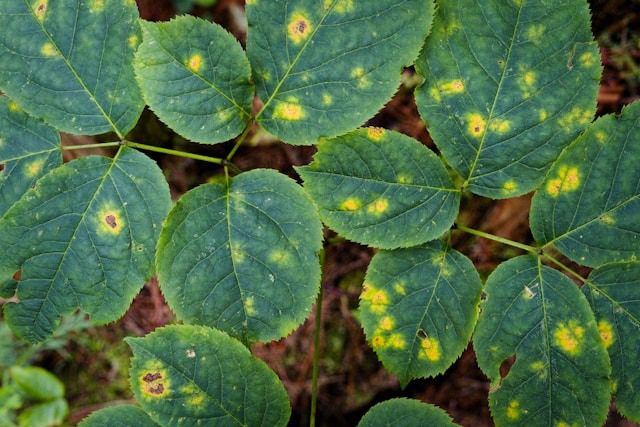
The good news is that most fungal infections in plants are treatable, especially when caught early. In this guide, you will learn how to identify the five most common types of fungal diseases in plants and exactly what to do about them.
What Are Plant Fungal Diseases?
Fungal diseases in plants are infections caused by pathogenic fungi that attack the roots, leaves, stems, or overall structure of a plant. These fungi spread through spores carried by water, wind, contaminated soil, insects, or even your own hands while handling plants. Warm, humid, poorly ventilated environments are where these pathogens thrive.
Overwatering is often a key trigger, but even plants in dry conditions can fall victim, as some fungi are surprisingly resilient. Knowing how to identify plant fungal disease symptoms early gives you the best chance of saving your plants.
1. Powdery Mildew
What It Looks Like
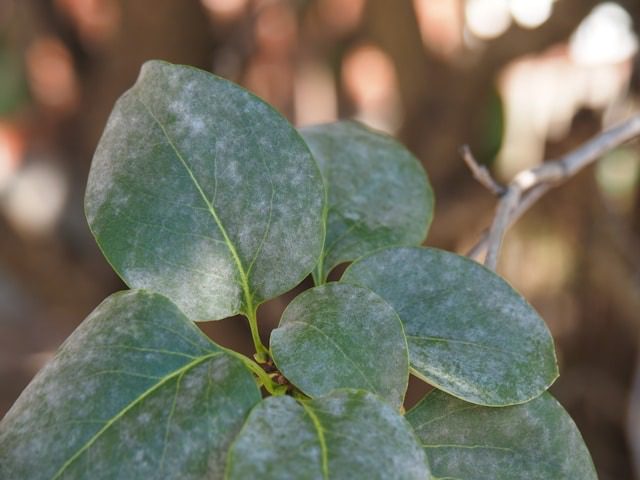
Powdery mildew is one of the easiest fungal diseases to identify. You will notice a chalky white or grayish powdery coating spreading across the surface of leaves, stems, and sometimes flower buds. It typically starts on younger leaves and quickly spreads if left unchecked. Unlike most fungal infections, powdery mildew does not need wet conditions to thrive. It can actually develop in dry, warm weather, which makes it particularly sneaky.
How to Treat It
Prune off visibly infected leaves and stems using sterilized scissors. Improve air circulation around the plant and avoid letting leaves stay wet. For treatment, neem oil spray is one of the most effective and widely available options. A copper-based fungicide also works well. Apply your chosen treatment weekly until the mildew clears up.
How To Care For Basil Plant Indoors
2. Root Rot
What It Looks Like
Root rot is arguably the most dangerous fungal disease for houseplants because it is hard to detect until the damage is already severe. The fungi responsible, including Pythium and Phytophthora, live in soggy, poorly draining soil. By the time you notice the above-ground symptoms, which include wilting, yellowing leaves, and blackened stems, the roots are often already mushy and dead. If you pull the plant out and smell a foul odor from the roots, root rot is almost certainly the problem.
How to Treat It
Remove the plant from its pot and rinse the roots under clean water. Trim away all soft, dark, or rotting roots with sterilized scissors. Dust the healthy remaining roots with a copper fungicide powder, then repot in fresh, well-draining soil. A quality moisture meter is a smart investment to prevent this disease from coming back, as it takes the guesswork out of when to water.
7 Best Moisture Meters for Houseplants
3. Fungal Leaf Spot
What It Looks Like
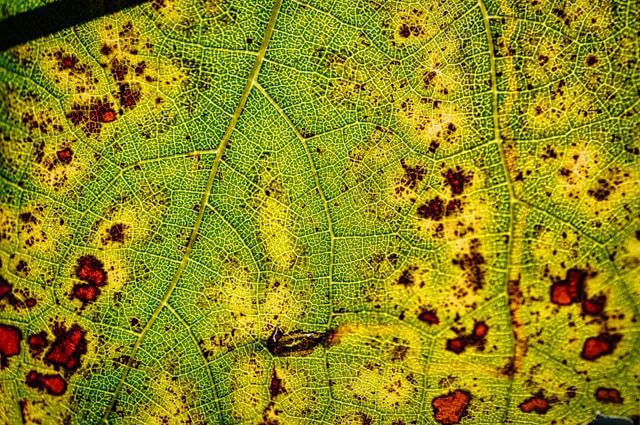
Fungal leaf spot is a broad term that covers a range of infections caused by different fungi, all resulting in spots on the foliage. The spots are typically brown, tan, or black, and they often feature yellowing around the edges or a concentric ring pattern. In more advanced cases, you may see small dark dots inside the dead tissue, which are the fungal fruiting bodies. Leaf drop and distortion can follow if the disease spreads. It tends to develop when the potting mix stays consistently wet and foliage remains damp for extended periods.
How to Treat It
Remove all infected leaves and dispose of them away from other plants. Water at the base of the plant rather than over the leaves, and keep the foliage as dry as possible. A fungicidal spray approved for indoor use can help stop the spread. Make sure you are not watering too frequently, and consider improving drainage in the pot.
What Plants to Avoid Using Neem Oil On
4. Gray Mold (Botrytis Blight)
What It Looks Like
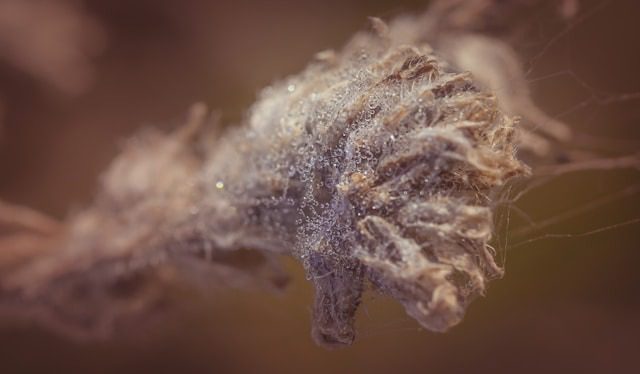
Gray mold, caused by the fungus Botrytis cinerea, is one of the most destructive fungal diseases for houseplants. It shows up as a fuzzy, grayish coating on stems, leaves, petals, and buds. The affected tissue rots quickly, and the spores are airborne, meaning they can easily jump from one plant to another. It thrives in cool, damp conditions with poor air circulation. Flowering plants are especially vulnerable. If you see gray, fuzzy growth anywhere on your plant, act fast because this one spreads quickly.
How to Treat It
Remove and dispose of all infected plant parts immediately. Clean up any dead debris sitting on top of the soil since the fungus survives and spreads from it. Isolate the affected plant from others. Improve air circulation and reduce humidity around the plant. A copper-based fungicide or a neem oil spray can be used to treat and protect remaining healthy tissue. Avoid misting plants that are prone to this disease.
5. Anthracnose
What It Looks Like
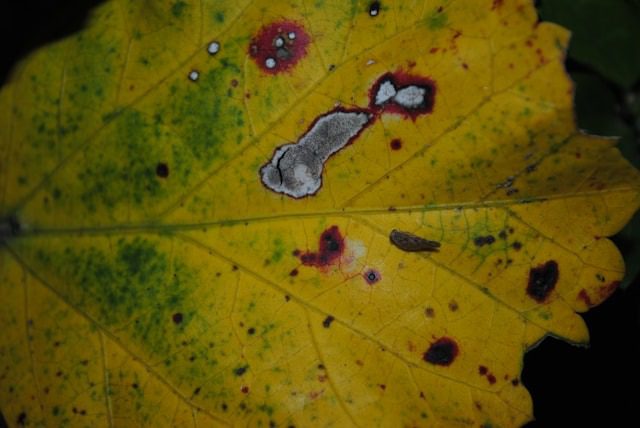
Anthracnose is a soil-borne fungal infection caused by fungi such as Colletotrichum and Gloeosporium. It tends to favor warm, humid indoor environments, which makes it a persistent threat to houseplants. The most recognizable symptom is leaf tip yellowing that gradually darkens to tan and then brown. The discoloration can wrap around the entire leaf margin, and as the disease progresses, leaves die off completely. Unlike outdoor plants where cold slows the pathogen, indoor plants never get that relief, so the fungus can spread unchecked throughout the year.
How to Treat It
Prune all infected leaves and stems with a sharp, disinfected pruner and dispose of the cuttings carefully. Never mist the foliage of affected plants. Do not use old or contaminated potting mix when repotting. Keep plants well-spaced to allow adequate airflow. Copper soap spray, chlorothalonil, or other approved fungicides can be applied after removing infected parts to reduce the chance of re-infection.
Can Succulents Survive In An Air Conditioned Room?
How to Prevent Fungal Disease in Houseplants
Prevention is far easier than treatment. Here are the most effective ways to keep fungal infections away from your plants:
- Always use fresh, well-draining potting mix and clean pots when repotting.
- Water at the base of the plant and avoid wetting the foliage.
- Never leave debris sitting on top of the soil.
- Ensure good air circulation around and between your plants.
- Inspect new plants thoroughly before bringing them indoors.
- Use a moisture meter to water only when the soil actually needs it.
How to Grow and Care for Elephant Ear Plant
Frequently Asked Questions
What are the most common types of plant fungal diseases?
The most common plant fungal diseases are powdery mildew, root rot, fungal leaf spot, gray mold (Botrytis blight), and anthracnose. Each one has distinct symptoms, but all thrive in conditions involving excess moisture, poor airflow, or contaminated soil.
How do I know if my plant has a fungal infection?
Signs of a fungal infection in plants include white powdery coatings on leaves, brown or black spots with yellow margins, fuzzy gray growth on stems or petals, mushy and discolored roots, and yellowing or dying leaf tips. If you notice any of these symptoms, inspect the plant closely and act quickly to prevent the disease from spreading.
Can fungal disease kill a houseplant?
Yes, some fungal diseases can kill houseplants if left untreated. Root rot and gray mold (Botrytis blight) are particularly lethal. Others like powdery mildew are less deadly but can weaken the plant significantly and spread to nearby plants. Early detection and treatment give you the best chance of saving an infected plant.
What is the best fungicide for indoor plants?
Neem oil and copper-based fungicides are among the most effective and widely used options for treating fungal disease in houseplants. They work against a broad range of fungal pathogens and are generally safe for indoor use when applied as directed. Always check that any fungicide product is labeled for indoor plant use before applying it.
Does overwatering cause fungal disease in plants?
Overwatering is one of the leading causes of fungal disease in houseplants. Soggy soil creates the ideal environment for root rot and other fungal pathogens to thrive. Keeping the soil consistently moist without letting it become waterlogged, and using well-draining soil and pots with drainage holes, goes a long way in preventing fungal infections.
