10 Best Herbs to Grow in Pots at Home (Even If You Have Zero Garden Space)
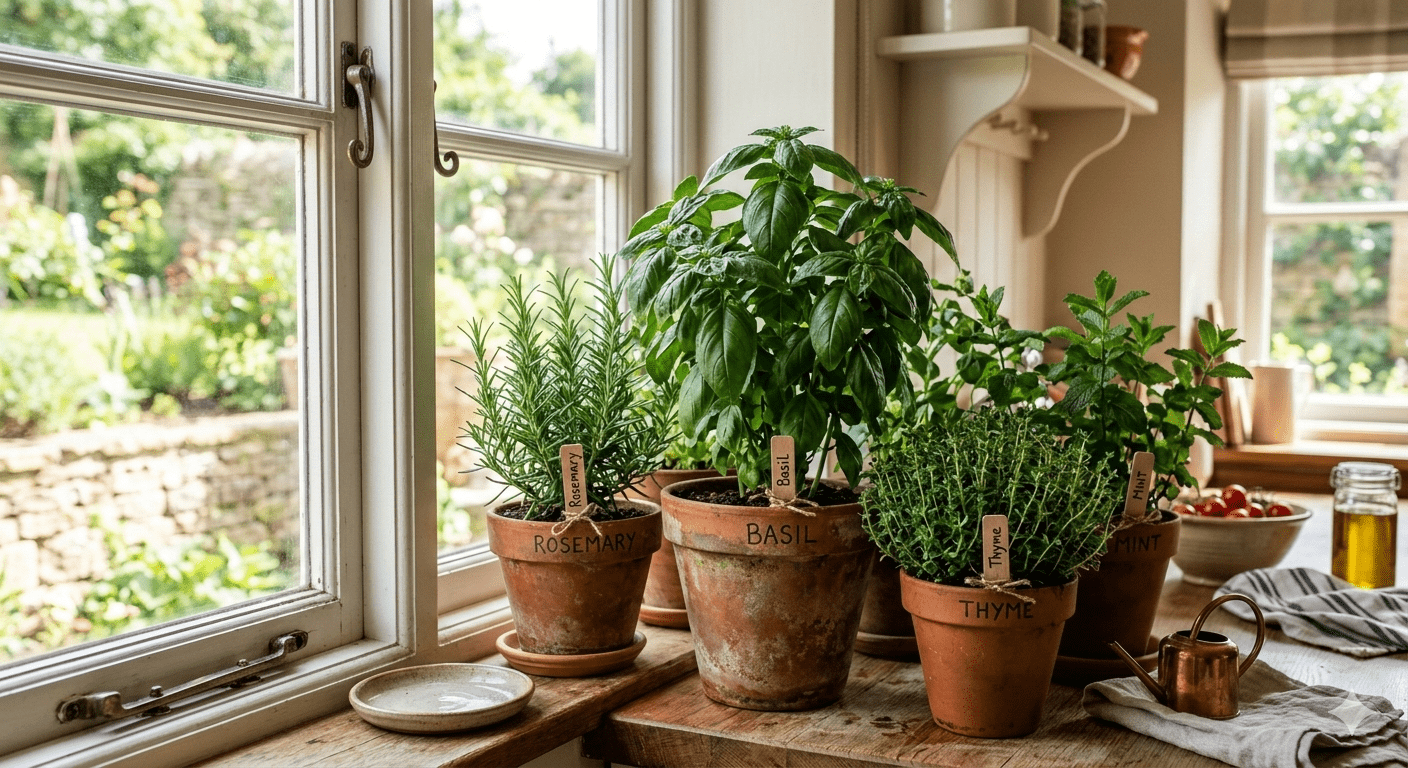
If you’ve ever dreamed of snipping fresh herbs straight from your windowsill or patio, you’re not alone. Growing herbs in pots is one of the most rewarding things you can do as a home gardener — and the best part? You don’t need a sprawling backyard to do it.
Whether you’re working with a sunny kitchen windowsill, a small balcony, or a tiny patio, container herb gardening is surprisingly easy, incredibly practical, and even a little addictive. Once you taste the difference between fresh homegrown basil and the dried stuff from a jar, there’s no going back.
In this guide, we’re walking you through the 10 best herbs to grow in pots; including tips on how to care for each one, which pots work best, and how to keep your herbs thriving all year long. Whether you’re a complete beginner or just looking to expand your container herb garden, you’ll find everything you need right here.
Can You Grow Herbs Indoors All Year Round?
Why Grow Herbs in Pots?
Before we dive into the list, let’s quickly talk about why growing herbs in containers is such a great idea:
- Space-saving: Perfect for apartments, small homes, or anyone with limited outdoor space.
- Year-round growing: Move your pots indoors during winter and keep growing fresh herbs all year.
- Easy to control: Container growing lets you manage soil quality, drainage, and sunlight more precisely than in-ground gardens.
- Fewer pests: Elevated pots can reduce problems with ground-dwelling insects and slugs.
- Flexibility: You can rearrange, add, or remove pots as needed, great for experimenting.
Now, let’s get into the good stuff.
Indoor Cactus Care Tips for Beginners
The 10 Best Herbs to Grow in Pots
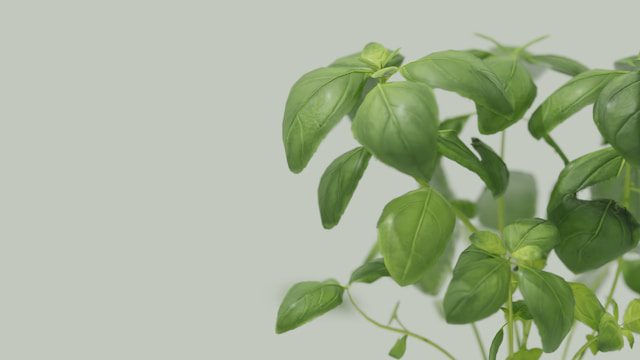
1. Basil — The Classic Kitchen Herb
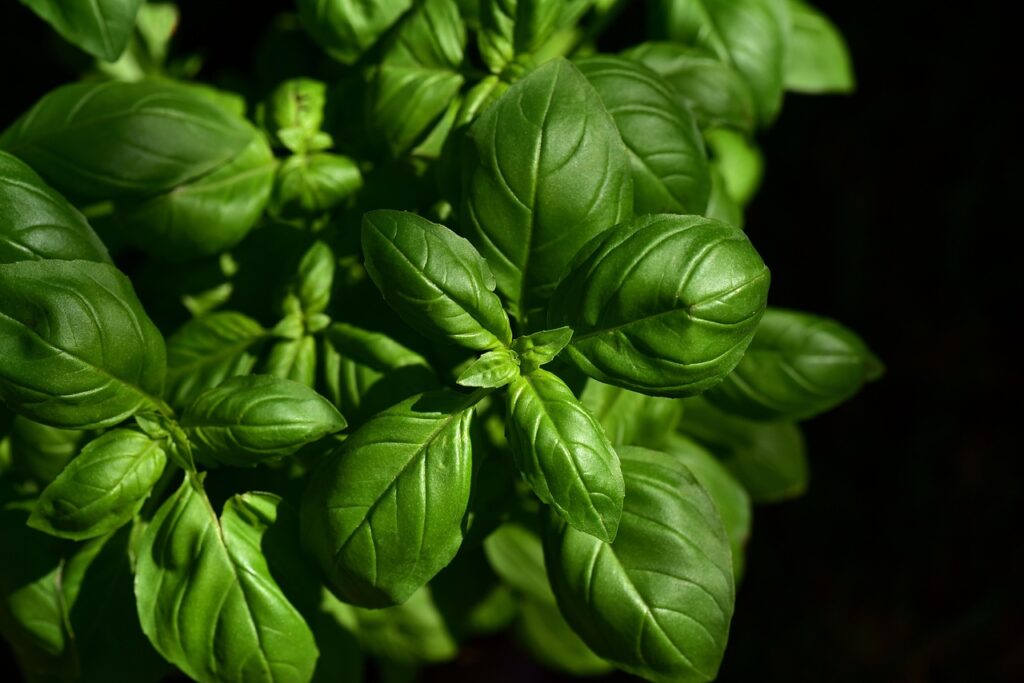
If there’s one herb that belongs in every potted herb garden, it’s basil. This fragrant, sun-loving herb is the cornerstone of Italian cooking; think caprese salads, homemade pesto, and fresh pasta sauces. It thrives in warm conditions and grows beautifully in pots placed on sunny windowsills or outdoor patios.
Best pot size: 6–8 inch pot | Sunlight: 6+ hours of direct sun daily | Watering: Keep soil moist but not soggy
Pro tip: Pinch off flower buds as soon as they appear. Once basil flowers, it turns bitter quickly. Pinching encourages bushy, leafy growth instead.
Top 8 Repotting Mistakes Every Gardener Makes (and How to Avoid Them!)
2. Mint — The Unstoppable Grower
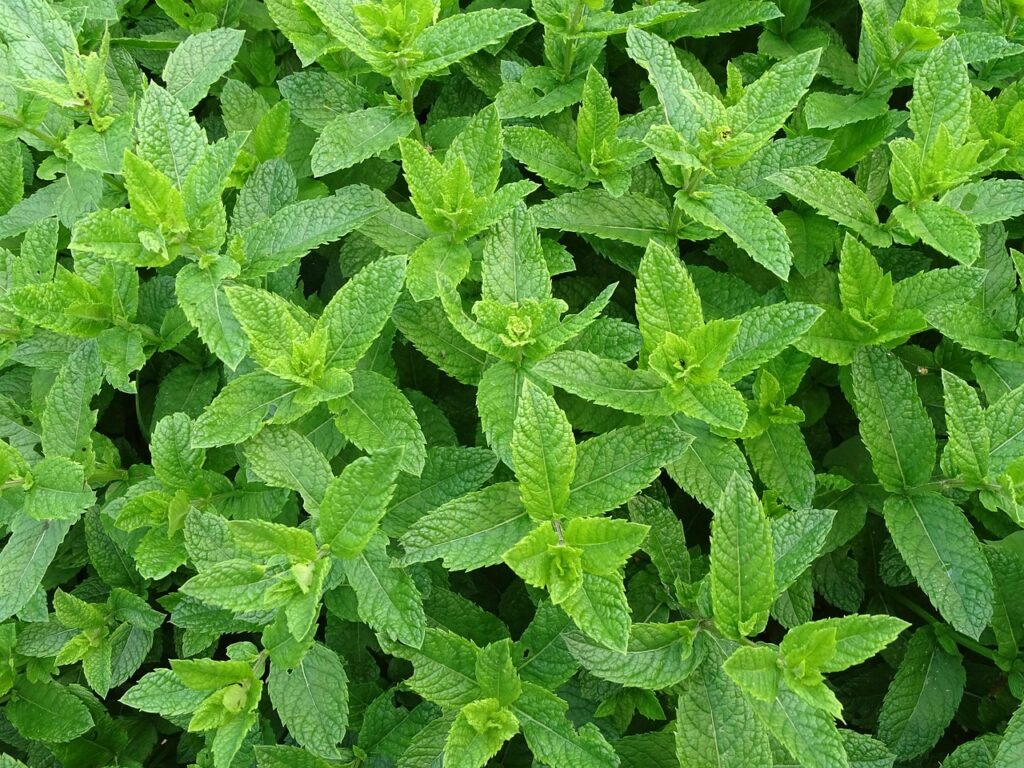
Mint is hands-down one of the easiest herbs to grow in containers, which is exactly why you should grow it in a pot. Left unchecked in a garden bed, mint spreads aggressively and takes over everything. In a container, it stays happily contained while producing an endless supply of fresh, fragrant leaves perfect for teas, cocktails, and desserts.
Best pot size: 8–12 inch pot (gives it room to spread) | Sunlight: Partial to full sun | Watering: Keep consistently moist
Popular varieties to try: spearmint, peppermint, apple mint, and chocolate mint (yes, it smells exactly like you’d hope).
3. Rosemary — The Drought-Tolerant Powerhouse
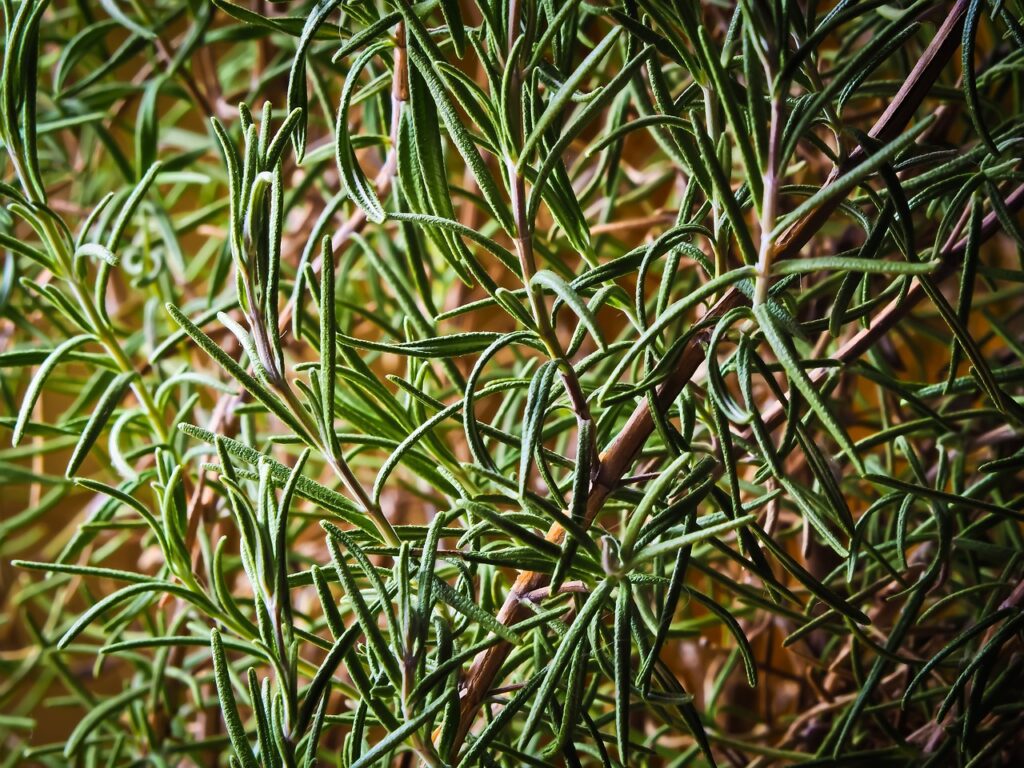
Rosemary is a Mediterranean herb that absolutely loves hot, dry conditions, making it one of the best herbs to grow in pots for busy or forgetful gardeners. It’s incredibly low-maintenance, tolerates drought well, and doubles as a gorgeous ornamental plant with its woody stems and delicate blue flowers.
Best pot size: At least 12 inches wide and deep | Sunlight: Full sun (6–8 hours) | Watering: Allow soil to dry out between waterings
One thing to watch: rosemary hates sitting in wet soil. Make sure your pot has excellent drainage, and never let it sit in a saucer of standing water.
How To Aerate The Soil In A Potted Plant
4. Chives — The Low-Maintenance All-Rounder
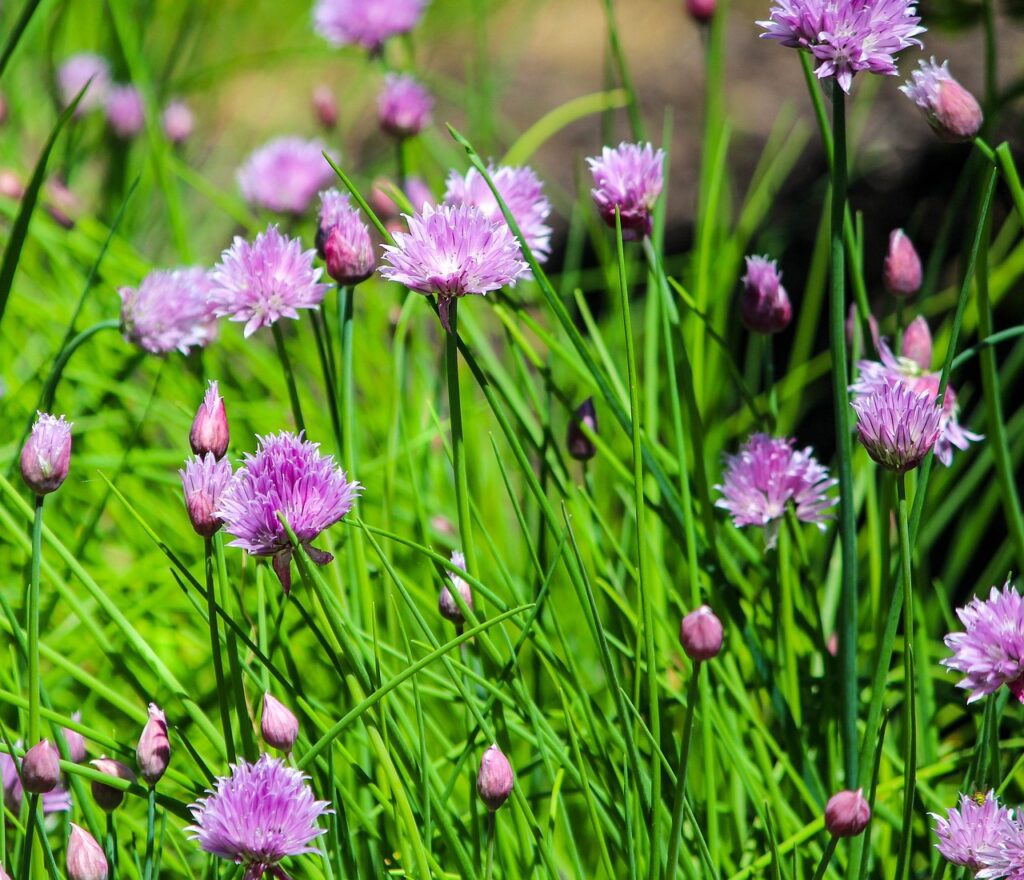
Chives are one of the most underrated herbs for container gardening. They’re incredibly easy to grow, come back year after year (they’re perennials!), and produce lovely purple flowers in spring that are actually edible. Use them to add a mild onion flavor to scrambled eggs, salads, soups, and baked potatoes.
Best pot size: 6–8 inch pot | Sunlight: Full sun to partial shade | Watering: Moderate — don’t overwater
Bonus: Chives are excellent companion plants. Grow them near other herbs to help deter aphids naturally.
5. Parsley — The Versatile Garnish That’s Actually Useful
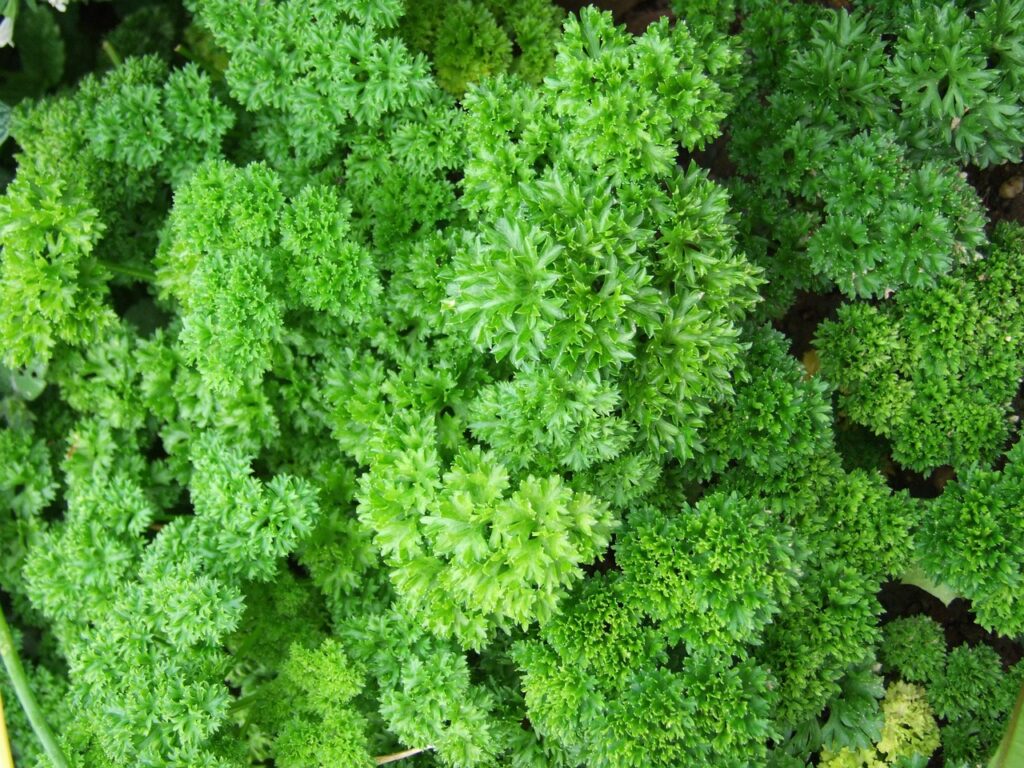
Parsley often gets dismissed as a mere garnish, but it’s actually a flavor-packed herb that works beautifully in a huge range of dishes. Both flat-leaf (Italian) parsley and curly parsley grow well in pots, though flat-leaf tends to have a stronger flavor. It’s a biennial plant, meaning it lasts about two years before going to seed.
Best pot size: 8–10 inch pot (parsley has deep roots) | Sunlight: Full sun to partial shade | Watering: Keep evenly moist
Flat-leaf or curly? Go for flat-leaf if flavor is your priority, curly if you want something that looks beautiful in the pot.
6. Thyme — Small Plant, Huge Flavor
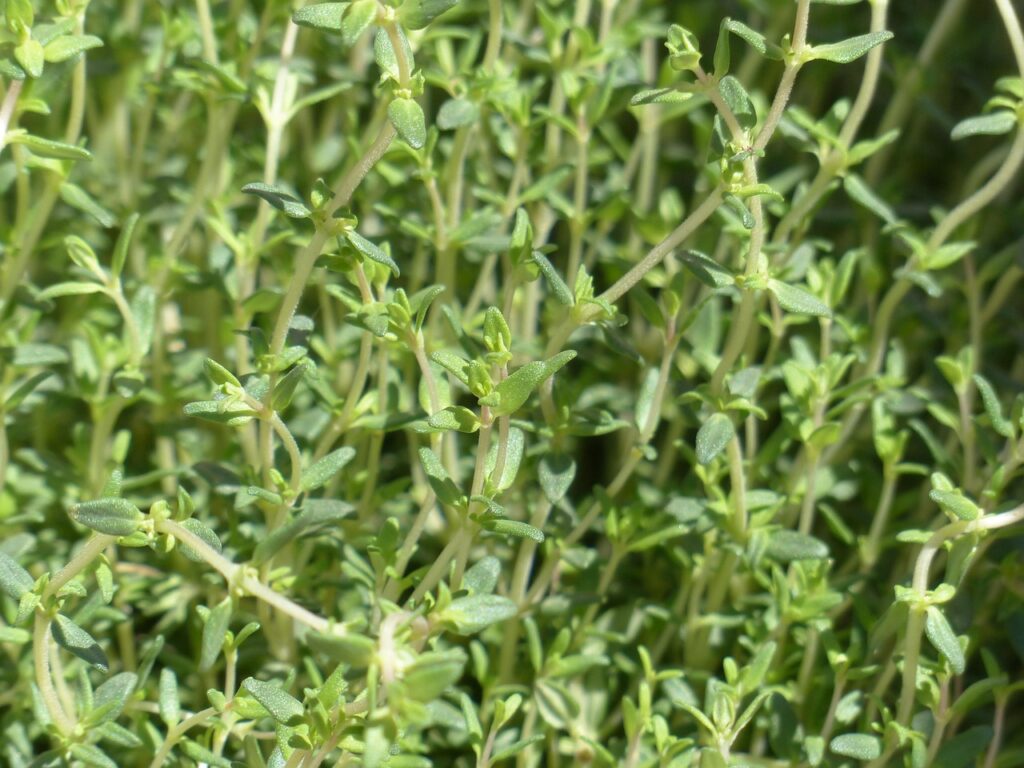
Thyme is a compact, woody herb that punches well above its weight in the flavor department. It’s a staple in French and Mediterranean cooking and is used in everything from roasted chicken to soups and stews. Like rosemary, thyme loves dry, sunny conditions and does exceptionally well in pots.
Best pot size: 6 inch pot | Sunlight: Full sun | Watering: Low — allow to dry between waterings
Thyme is also an excellent candidate for indoor growing in a south-facing window during winter months.
7. Oregano — The Pizza Herb You Can Grow Yourself
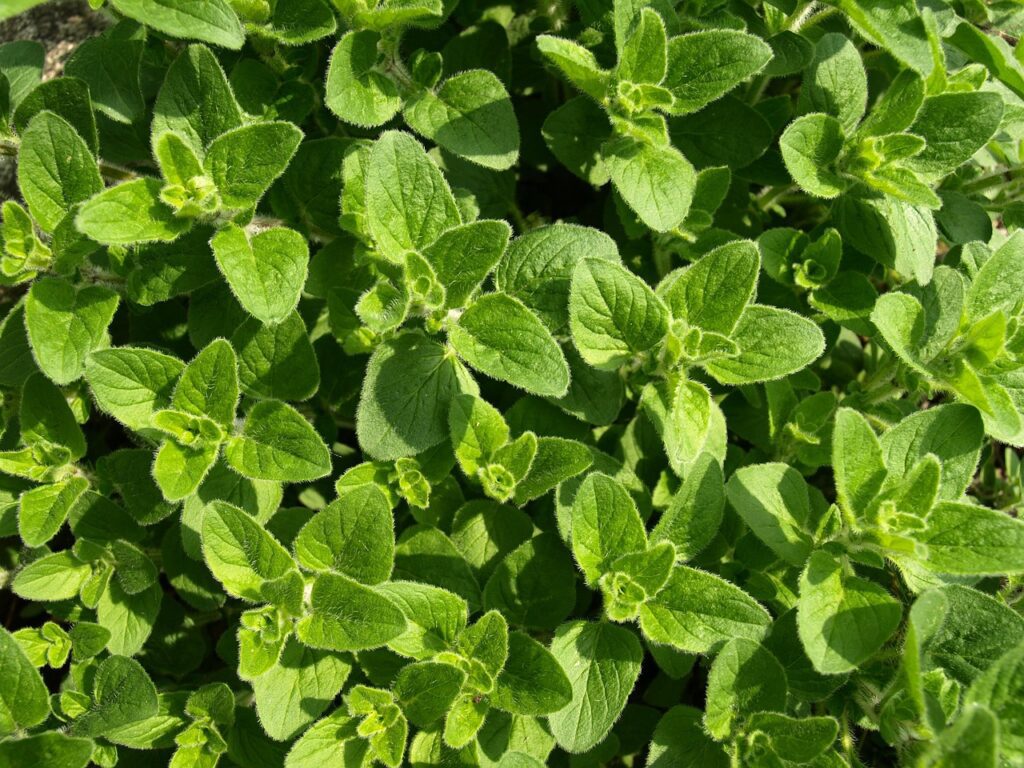
If you cook a lot of Italian or Greek food, oregano is a must-have in your container herb garden. It’s robust, highly aromatic, and incredibly easy to grow. Greek oregano tends to have the strongest flavor, making it the variety of choice for most culinary uses. It also grows well alongside thyme and rosemary since they share similar care requirements.
Best pot size: 8–10 inch pot | Sunlight: Full sun | Watering: Low to moderate
Let oregano flowers bloom if you want to attract pollinators to your patio or garden space.
8. Lemon Balm — The Calming Herb You Didn’t Know You Needed
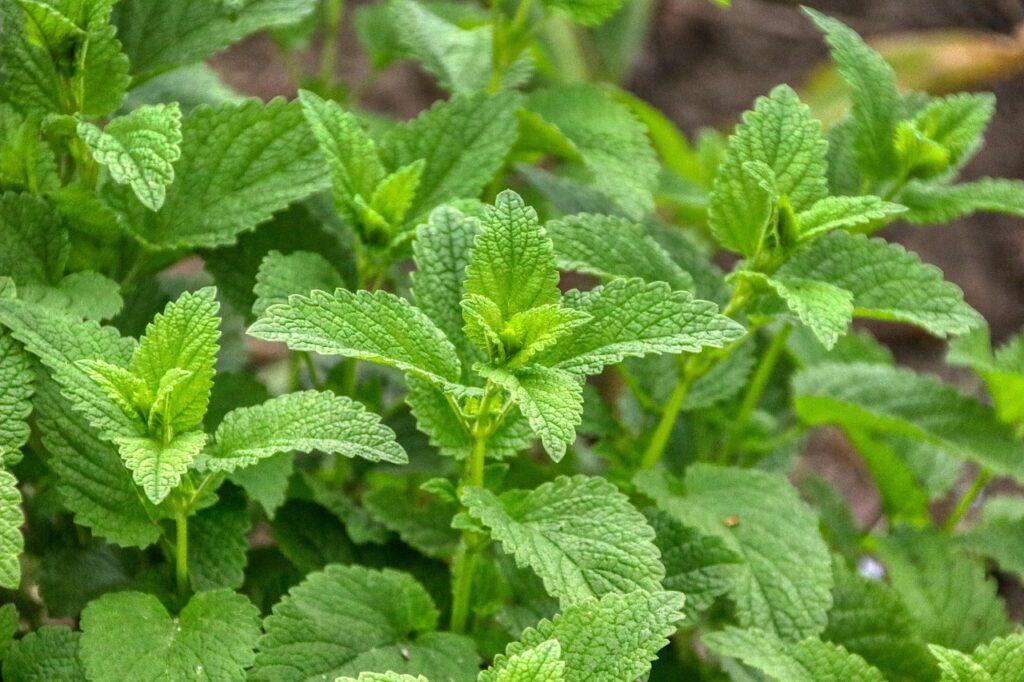
Lemon balm is a member of the mint family (so yes, grow it in a container!), and it produces beautifully fragrant, lemon-scented leaves that are wonderful in herbal teas, cold drinks, and even baked goods. It’s also been used for centuries as a calming herb to support relaxation and sleep.
Best pot size: 8–12 inch pot | Sunlight: Full sun to partial shade | Watering: Keep consistently moist
Like its cousin mint, lemon balm can become invasive in garden beds, so the pot is definitely the right home for it.
9. Cilantro — Fast-Growing Flavor for Mexican and Asian Dishes
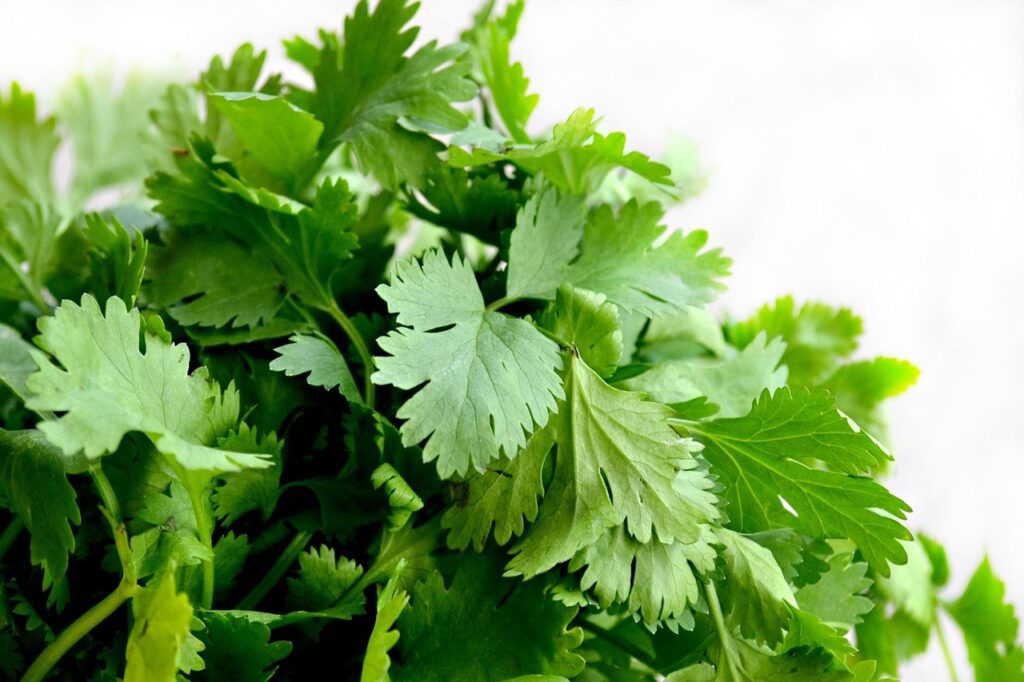
Cilantro is one of those herbs people either love or strongly dislike (thanks, genetics). But for those in the love camp, fresh cilantro is absolutely irreplaceable in guacamole, salsa, curries, and pho. It’s a fast-growing herb that does well in pots, though it bolts (goes to seed) quickly in hot weather.
Best pot size: 6–8 inch pot, at least 8 inches deep | Sunlight: Partial sun. Prefers cooler spots | Watering: Regular, keep moist
Succession plant cilantro every 2–3 weeks to maintain a continuous supply. Once it bolts, the seeds (known as coriander) are also a useful spice, so nothing goes to waste.
10. Lavender — The Fragrant Multi-Tasker
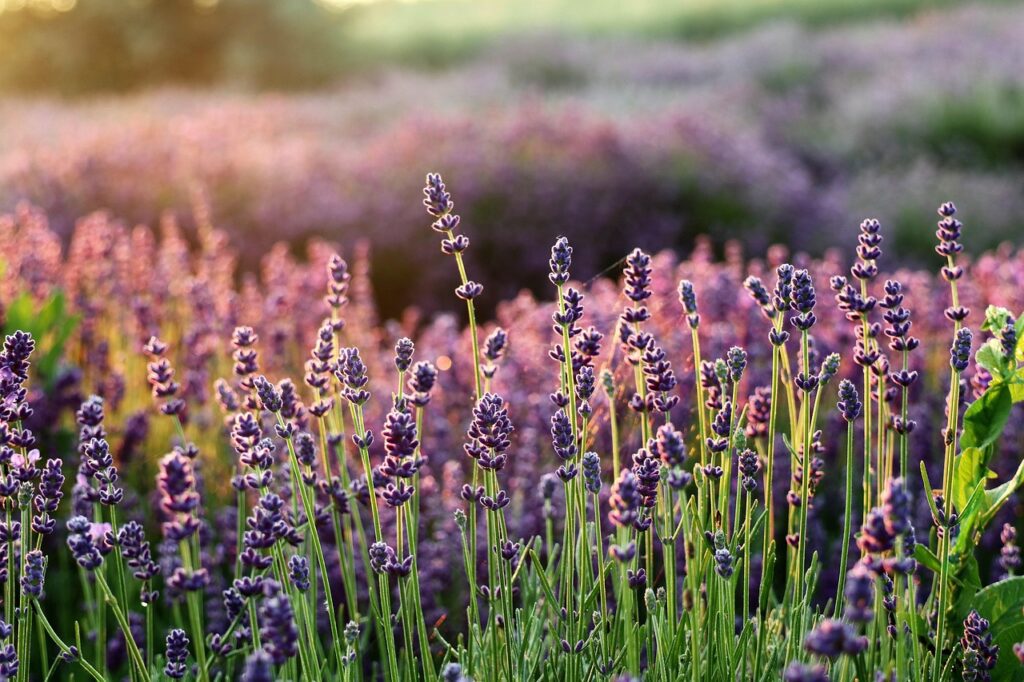
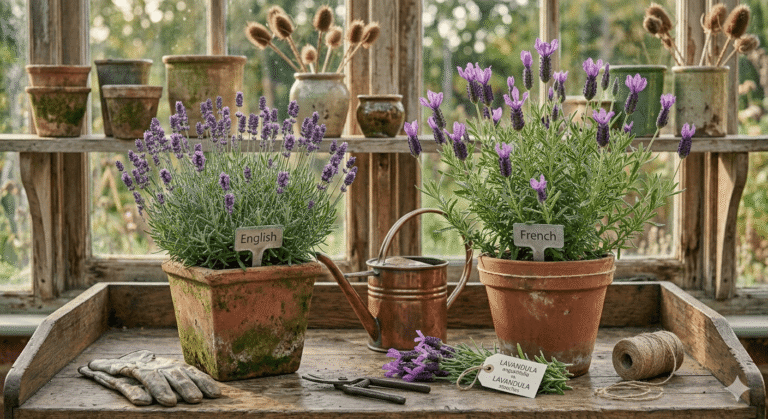
Lavender is perhaps the most beautiful herb you can grow in a container. It’s beloved for its stunning purple flower spikes, incredible fragrance, and surprising versatility. It can be used in cooking, herbal teas, baking (lavender shortbread, anyone?), and homemade beauty products. It’s also a magnet for bees and butterflies.
Best pot size: 12–14 inch pot | Sunlight: Full sun (8 hours+) | Watering: Very low. Drought tolerant once established
Choose English lavender (Lavandula angustifolia) for the best fragrance and culinary use. It’s also the most cold-hardy variety.
Top Tips for a Thriving Container Herb Garden
Growing herbs in pots isn’t complicated, but a few key practices will make a big difference:
- Use well-draining potting mix: Never use garden soil in containers. It compacts too easily. Choose a good quality potting compost, or mix in perlite for extra drainage.
- Choose pots with drainage holes: This one is non-negotiable. Waterlogged roots are the number one killer of potted herbs.
- Feed regularly: Potted herbs deplete nutrients faster than in-ground plants. Use a balanced liquid fertilizer every two to four weeks during the growing season.
- Harvest often: Regular harvesting actually encourages more growth. Never remove more than a third of the plant at once.
- Group herbs with similar needs: Mediterranean herbs like rosemary, thyme, and oregano love dry, sunny conditions and can happily share a large planter. Moisture-loving herbs like mint and basil prefer more regular watering.
- Bring tender herbs indoors: Basil, lemon balm, and cilantro don’t cope well with frost. Move them inside when temperatures drop.
Which Herbs Grow Well Together in a Pot?
If you want to create a combination planter with multiple herbs, pairing plants with similar care needs is the key to success. Here are some tried-and-tested combinations:
- Mediterranean Blend: Rosemary + Thyme + Oregano (all love dry, sunny conditions)
- Italian Kitchen Pot: Basil + Parsley + Chives (medium water, full sun)
- Tea Garden: Mint + Lemon Balm + Lavender (great for herbal teas)
- Avoid mixing: Keep mint and fennel separate from other herbs — mint spreads aggressively, and fennel is allelopathic (it inhibits the growth of many nearby plants).
Frequently Asked Questions
What are the easiest herbs to grow in pots for beginners?
The easiest herbs to grow in containers for beginners are chives, mint, and basil. Chives and mint are virtually indestructible and will come back reliably with minimal fuss. Basil needs a bit more warmth and sunlight but grows quickly and is very satisfying for first-time growers.
How often should I water potted herbs?
It depends on the herb. Mediterranean herbs like rosemary, thyme, and oregano prefer to dry out between waterings; watering roughly once a week is usually enough. Moisture-loving herbs like basil, mint, and parsley prefer to stay consistently moist and may need watering every two to three days in warm weather. Always check the soil with your finger before watering; if the top inch feels dry, it’s time to water.
Can I grow herbs indoors year-round?
Yes, absolutely. Many herbs grow well indoors year-round as long as they get enough light. A south or west-facing windowsill is ideal. If natural light is limited, a small grow light can make a significant difference. Herbs like mint, chives, and parsley adapt well to indoor growing, while sun-lovers like basil and rosemary may need supplemental lighting to truly thrive through winter.
How big should a pot be for growing herbs?
For most herbs, a pot that is at least 6–8 inches in diameter is a good starting point. Herbs with deeper root systems, like parsley and rosemary, benefit from deeper pots of at least 10–12 inches. If you’re growing multiple herbs in one planter, a pot of 12–16 inches or larger gives each plant enough room to establish healthy roots without competing too aggressively.