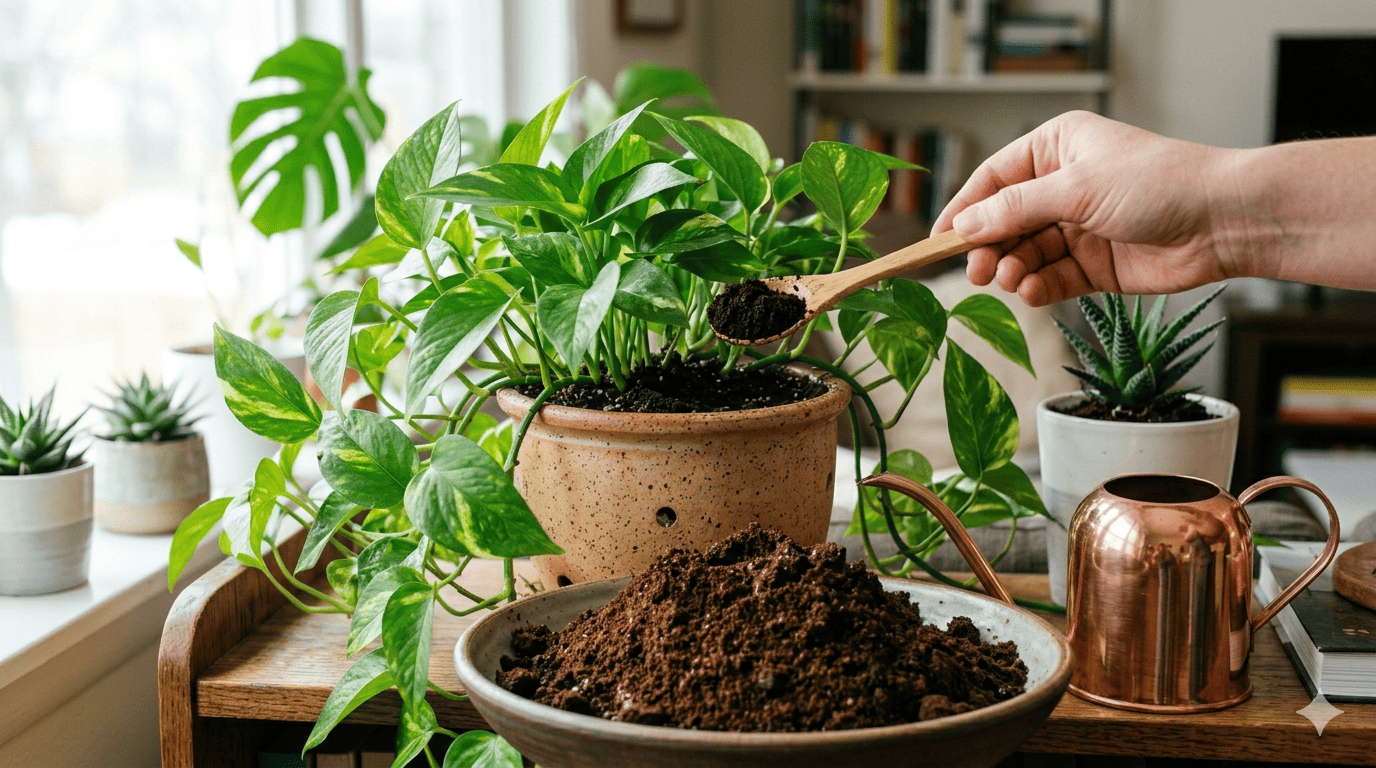
How to Use Coffee Grounds as Fertilizer (And Actually Get Results)
If you start most mornings with a cup of coffee, you already have one of the best free fertilizers sitting right in your kitchen bin. Used coffee grounds are packed with nutrients that your garden plants will love, and instead of tossing them in the trash, you can put them to work building healthier, richer soil.
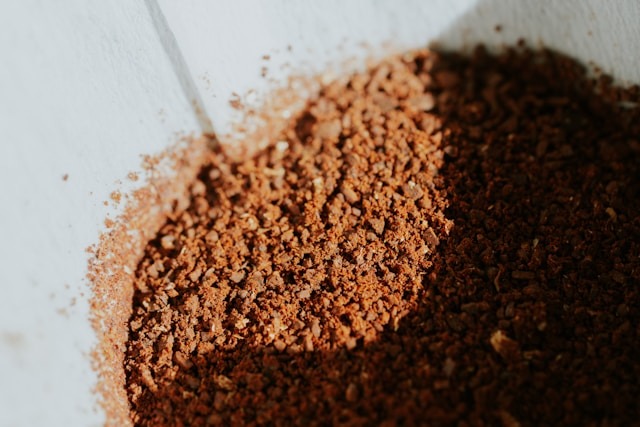
Using coffee grounds as fertilizer has become increasingly popular among home gardeners, and for good reason. It is a sustainable, cost-effective way to recycle kitchen waste while giving your plants a natural nutrient boost. But like most gardening practices, there is a right way and a wrong way to do it.
In this guide, you will learn exactly how to use coffee grounds as fertilizer, which plants benefit most, how much to apply, and a few things you should avoid to keep your garden thriving.
What Makes Coffee Grounds Good for Your Garden?
Before you start sprinkling them everywhere, it helps to understand what coffee grounds actually contain and why they matter to your plants.
Used coffee grounds contain around 2% nitrogen by volume, along with smaller amounts of potassium and phosphorus, the three key macronutrients that most fertilizers are built around. They also contain trace minerals like magnesium, copper, and calcium, which support various plant functions.
Beyond nutrients, coffee grounds improve soil structure. They help sandy soils retain moisture and loosen compacted clay soils, making it easier for roots to breathe and spread. They also attract earthworms, which are a gardener’s best friend when it comes to aeration and natural composting.
How to Prune Overgrown Tomato Plants for Better Growth
Which Plants Benefit Most from Coffee Grounds?
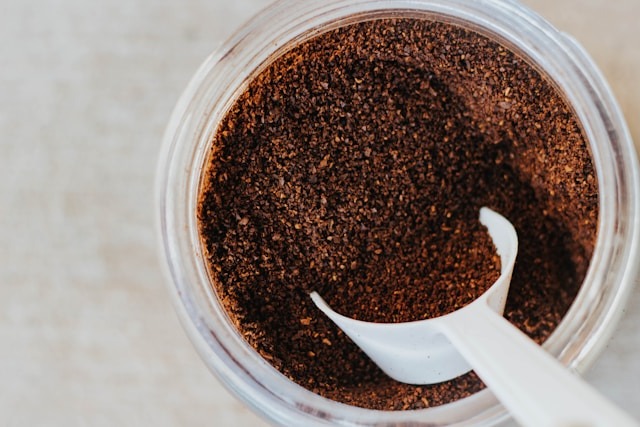
Not every plant wants the same soil conditions, so knowing which ones love coffee grounds will save you from accidentally harming the plants you are trying to help.
Plants That Love Coffee Grounds
These acid-loving and nitrogen-hungry plants respond well to coffee grounds:
- Roses: Coffee grounds for roses as fertilizer is a well-known trick among seasoned gardeners. Roses love slightly acidic soil and the nitrogen boost encourages lush foliage and more blooms.
- Tomatoes: Coffee grounds fertilizer for tomatoes provides the nitrogen kick that heavy-feeding tomato plants crave, especially early in the growing season.
- Blueberries: These are one of the most acid-loving fruits you can grow, and coffee grounds help maintain the low pH they need.
- Azaleas and rhododendrons: Like blueberries, these shrubs thrive in acidic conditions.
- Hydrangeas: Coffee grounds can intensify the blue color of hydrangea blooms by lowering soil pH.
- Carrots and radishes: Root vegetables respond well to the loose, nutrient-rich soil that coffee grounds help create.
Plants That Do Not Like Coffee Grounds
Avoid using coffee grounds around plants that prefer alkaline or neutral soil, including lavender, asparagus, clovers, and most herbs like rosemary and sage. Applying grounds to these plants can disrupt their soil pH and stunt their growth.
How to Apply Coffee Grounds Directly to Your Garden Soil
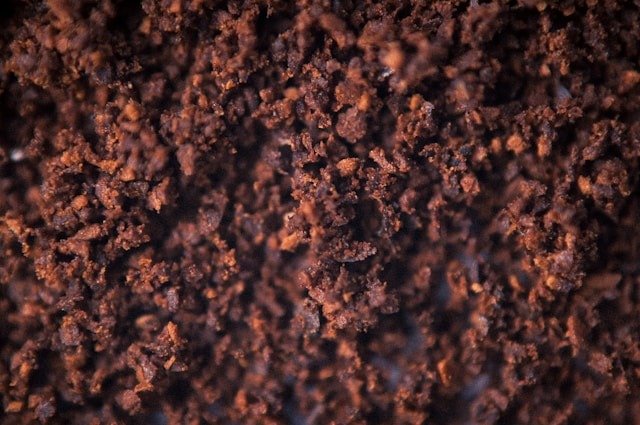
One of the most common questions is whether you can put coffee grounds directly in soil. The short answer is yes, but with some caution. Applying too much at once can create a dense barrier that repels water rather than absorbing it.
Here is how to apply coffee grounds to garden soil effectively:
- Use a thin layer: Spread no more than half an inch of coffee grounds over the soil around your plants. Thin is better than thick.
- Mix into the top layer: Rake or gently work the grounds into the top two inches of soil rather than leaving them on the surface, which can cause clumping.
- Keep away from stems: Leave a small gap between the grounds and plant stems to prevent moisture buildup and possible rot.
- Water as normal: After applying, water your plants as usual. This helps the nutrients begin breaking down and moving into the soil.
- Repeat monthly: As a general rule, apply coffee grounds to soil once or twice a month for acid-loving plants and less frequently for others.
Bottom Watering Plants: The Complete Guide
Using Coffee Grounds in Compost: A Smarter Approach
If you want to get the most out of coffee grounds without risking overuse, adding them to your compost bin is one of the smartest moves you can make. Coffee grounds are considered a green compost material, meaning they are rich in nitrogen, which balances out the carbon-heavy brown materials like dried leaves and cardboard.
A good rule of thumb is to keep coffee grounds at no more than 20% of your total compost volume. Mix them well with dry materials to prevent clumping and ensure good airflow through the pile. You can also add the paper coffee filter, which is a brown material that complements the grounds perfectly.
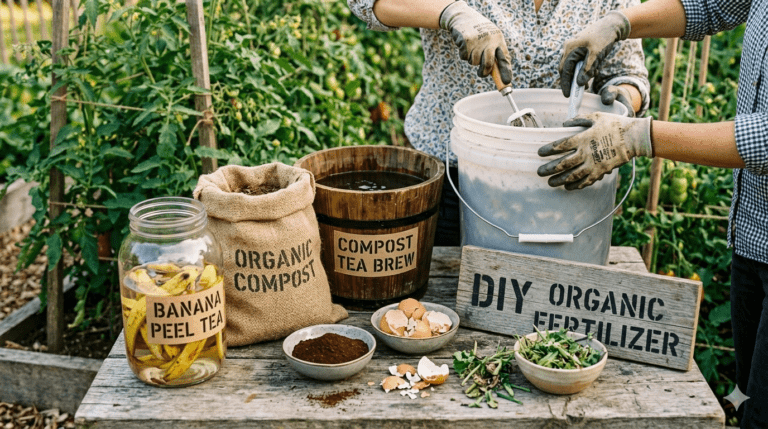
The combination of coffee grounds and eggshells as fertilizer is especially popular for composting. Eggshells add calcium and help balance out acidity, making the finished compost more versatile for a wider range of plants.
How Much Coffee Grounds to Add and How Often
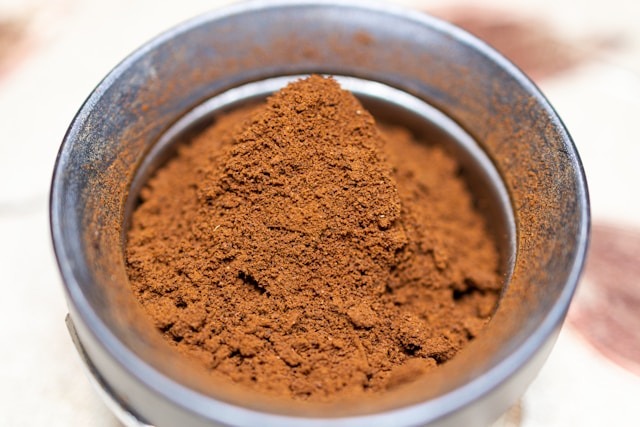
Knowing how much coffee grounds to add to soil is just as important as knowing how to apply them. More is not always better, and overusing grounds is one of the most common mistakes gardeners make.
As a soil amendment, aim to incorporate coffee grounds at a ratio of about 10 to 20% of your overall soil mix. As a top dressing, a light sprinkling of a quarter to half an inch is plenty. When it comes to frequency, once or twice a month is a sustainable rhythm for acid-loving plants. For other plants, once every six to eight weeks is safer.
It is also worth testing your soil pH periodically if you are using coffee grounds regularly. Keeping an eye on your soil helps you adjust your application and avoid accidentally making the soil too acidic for your plants to absorb nutrients properly.
5 Causes Of Brown Leaves on Monstera Plant
Coffee Grounds as Fertilizer: Pros and Cons
Like any garden input, coffee grounds have both benefits and limitations worth knowing about.
The Benefits
- Free and readily available for most households
- Provide a slow-release source of nitrogen, potassium, and phosphorus
- Improve soil texture and drainage
- Attract earthworms that naturally aerate and enrich soil
- Reduce kitchen and household waste sustainably
The Limitations
- Can make soil overly acidic if overused
- Can clump and form a water-resistant crust when applied too thickly
- May contain caffeine, which some studies suggest can inhibit plant growth at high concentrations
- Not suitable for all plants, especially those preferring alkaline conditions
Best Herbs to Grow Together in Containers
Frequently Asked Questions (FAQ)
Can coffee grounds burn plants?
Unlike synthetic fertilizers, used coffee grounds are unlikely to burn plants when applied correctly. However, applying too much can create overly acidic conditions that stress your plants and make it harder for them to absorb certain nutrients. Stick to thin layers and moderate frequency to stay safe.
Do coffee grounds make soil acidic?
This is one of the most common myths about coffee grounds. Fresh, unbrewed grounds are quite acidic, but used coffee grounds that have already been brewed are much closer to neutral, with a pH of around 6.5 to 6.8. Over time and with regular use, they can gradually lower soil pH, which is beneficial for acid-loving plants but should be monitored for others.
Are coffee grounds good for all plants?
No, coffee grounds are not ideal for all plants. They work best for acid-loving plants like blueberries, roses, tomatoes, azaleas, and hydrangeas. Plants that prefer neutral to alkaline soil, such as lavender, asparagus, and many herbs, may not respond well to regular applications.
How often should I use coffee grounds on my plants?
For acid-loving plants, applying coffee grounds once or twice a month is generally safe and effective. For other plants, reduce this to once every six to eight weeks. Always check your soil pH periodically to ensure you are not tipping the balance too far in one direction.
Can I use coffee grounds from a coffee shop?
Absolutely. Many coffee shops are happy to give away their used grounds for free, and some even bag them up specifically for gardeners. Just make sure the grounds are used (already brewed) and not flavored or mixed with other additives that could potentially harm your soil or plants.