15 Easy Houseplants That Are Hard to Kill (Even If You’ve Failed Before)
Let’s be honest, not everyone is born with a green thumb. Maybe you’ve bought a gorgeous plant from the garden center, promised yourself this time would be different, and watched it slowly wilt into oblivion two weeks later. Sound familiar? You’re definitely not alone.
The good news? There’s a whole world of easy houseplants that are hard to kill, plants so resilient, so forgiving of missed waterings and dim windowsills, that even the most absent-minded plant parent can keep them thriving. Whether you’re a total beginner or just someone with a busy lifestyle, these low-maintenance indoor plants will bring life and freshness to your home without the stress.
In this guide, we’re counting down the best beginner houseplants that practically take care of themselves.
What Is The Best Way To Water A Pothos Plant?
Why Choose Low-Maintenance Houseplants?
Before we get to the list, it’s worth understanding what makes a plant easy to care for. The best low-maintenance houseplants share a few key traits: they tolerate irregular watering, thrive in a range of light conditions, resist common pests, and bounce back from neglect. These aren’t just plants that survive: they actually look good while doing it.
Indoor plants also offer some well-documented benefits beyond aesthetics. Studies have shown that having plants in your living space can reduce stress, boost your mood, and even improve air quality. So growing these unkillable houseplants isn’t just decorative, it’s genuinely good for you.
How Many Lumens do Plants Need?
15 Easy Houseplants You Can’t Kill
1. Pothos (Epipremnum aureum)
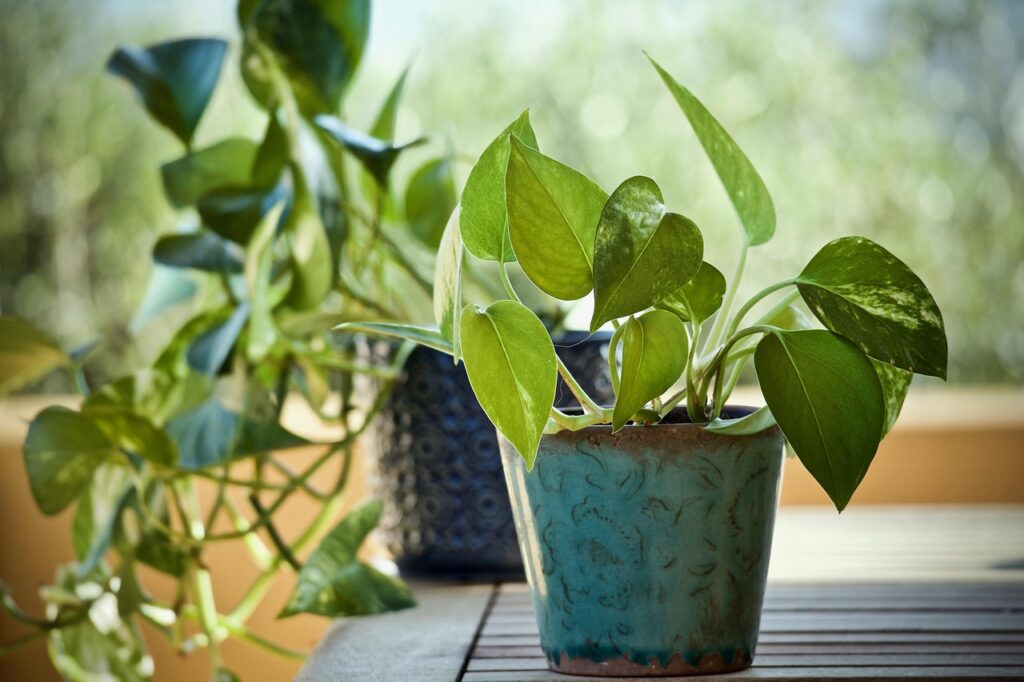
If there were a mascot for hard-to-kill plants, it would be the pothos. This trailing vine thrives in almost any light condition; ‘from bright indirect light to near-total shade,’ and only needs watering when the soil feels dry. It’ll even signal when it’s thirsty by letting its leaves droop slightly (and then perk right back up after a drink). Pothos is the #1 recommended houseplant for beginners, and for good reason.
- Watering: Every 1–2 weeks
- Light: Low to bright indirect
- Bonus: Trails beautifully from shelves or hanging baskets
2. Snake Plant (Sansevieria trifasciata)
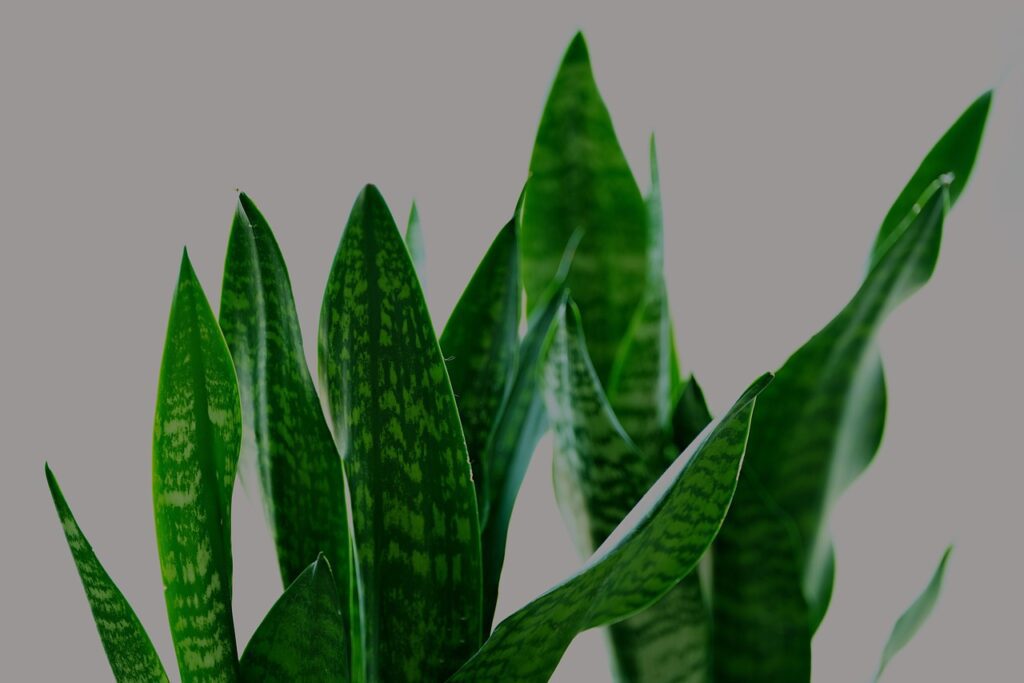
The snake plant — also called mother-in-law’s tongue — is practically indestructible. It stores water in its thick, upright leaves, meaning it can go weeks without a drink. It tolerates low light, irregular watering, and even periods of complete neglect. If you travel often or simply forget to water, this is the plant for you.
- Watering: Every 2–6 weeks (less in winter)
- Light: Low to bright indirect
- Bonus: One of the best air-purifying plants indoors
How to Fix Wrinkling Snake Plant Leaves
How To Remove Snake Plant Pups
3. ZZ Plant (Zamioculcas zamiifolia)
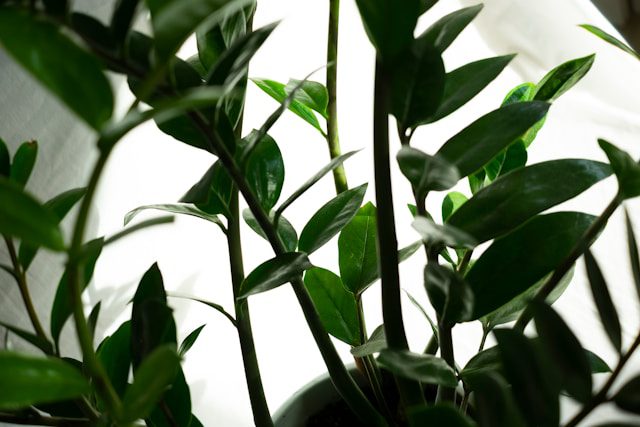
The ZZ plant looks like it belongs in a designer magazine, but it’s secretly one of the easiest plants to grow indoors. Its waxy, dark green leaves stay glossy even when you forget to water — because the plant stores water in its rhizomes underground. It can handle low light and truly minimal care.
- Watering: Every 2–3 weeks
- Light: Low to moderate indirect light
- Bonus: Extremely drought-tolerant houseplant
How To Care For ZZ Plant Indoors
4. Spider Plant (Chlorophytum comosum)
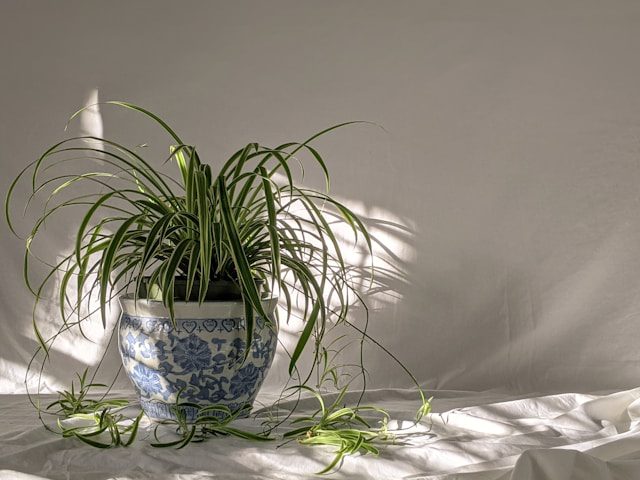
Spider plants are cheerful, fast-growing, and almost impossible to kill. They produce fun little ‘spiderette’ offshoots that dangle from the mother plant, making them one of the most charming and forgiving options for beginners. They’re also non-toxic to pets — a big win for animal-loving households.
- Watering: Every 1–2 weeks
- Light: Indirect bright light
- Bonus: Pet-safe and great for hanging baskets
5. Aloe Vera
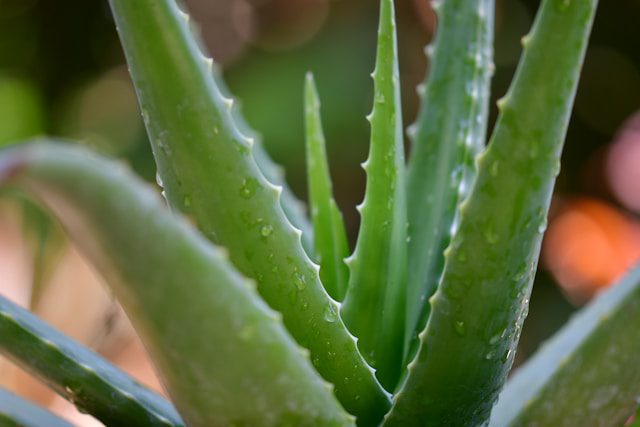
Aloe vera is essentially a two-for-one — a gorgeous succulent AND a handy first aid kit. It thrives in bright light and sandy, well-draining soil, and it absolutely hates being overwatered. Leave it alone and it’ll reward you with thick, gel-filled leaves that are great for soothing sunburns. One of the most popular low-care indoor plants worldwide.
- Watering: Every 3 weeks (or less)
- Light: Bright indirect to direct sunlight
- Bonus: Useful medicinal plant for minor skin irritations
6. Peace Lily (Spathiphyllum)
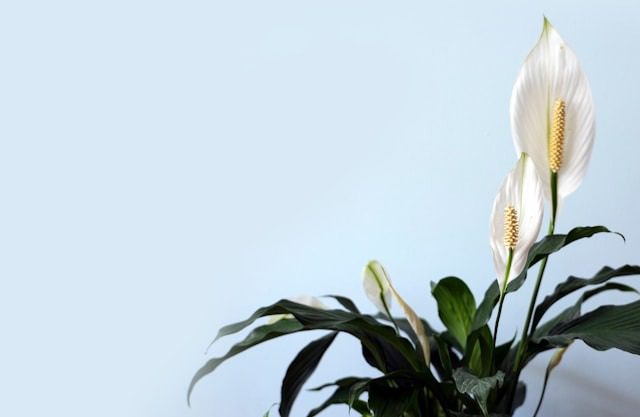
Peace lilies are one of the few flowering plants that thrive in lower light conditions — making them perfect for office desks or rooms without big windows. They’re also very vocal about being thirsty: the leaves droop dramatically when they need water, then spring back within hours of being watered. Hard to ignore, easy to fix.
- Watering: When soil is dry (usually weekly)
- Light: Low to medium indirect light
- Bonus: Produces elegant white blooms
7. Chinese Evergreen (Aglaonema)
Chinese evergreens are widely considered one of the most adaptable and easy to care for plants for beginners. They come in a stunning range of colors — from deep green to pink and red — and handle low light, drought, and humidity variations with ease. A truly forgiving plant that looks anything but plain.
- Watering: Every 1–2 weeks
- Light: Low to medium indirect light
- Bonus: Available in many beautiful color varieties
8. Rubber Plant (Ficus elastica)
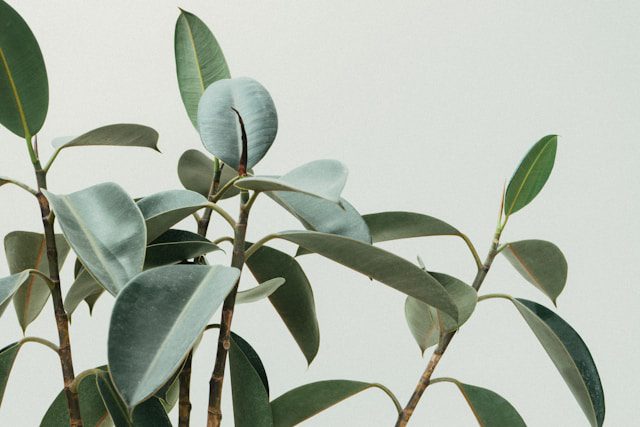
With its bold, glossy leaves and architectural form, the rubber plant makes a stunning statement in any room. It prefers bright indirect light but is flexible enough to handle lower light conditions. Water when the top inch of soil feels dry and wipe the leaves occasionally to keep them shining. Simple, stylish, and surprisingly resilient.
- Watering: Every 1–2 weeks
- Light: Bright to medium indirect light
- Bonus: Grows into an impressive indoor tree
9. Cast Iron Plant (Aspidistra elatior)
True to its name, the cast iron plant is basically indestructible. It handles deep shade, temperature fluctuations, dust, and drought — conditions that would finish off most other plants. It grows slowly but lives for decades with almost zero fuss. If you want a plant that survives anything, this is it.
- Watering: Every 2–3 weeks
- Light: Very low light — ideal for dark corners
- Bonus: Can live for many decades
10. Dracaena
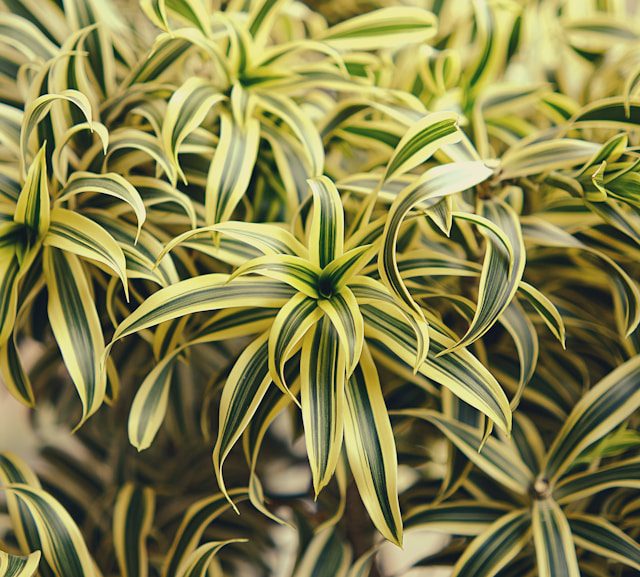
Dracaenas are spiky, architectural plants that look impressive and ask very little in return. They’re happy in lower light and only need watering every couple of weeks. One thing to note: they’re sensitive to fluoride in tap water, so letting water sit overnight before using it can prevent browning leaf tips.
- Watering: Every 2 weeks
- Light: Low to bright indirect
- Bonus: Comes in many varieties (marginata, corn plant, etc.)
11. Boston Fern (Nephrolepis exaltata)
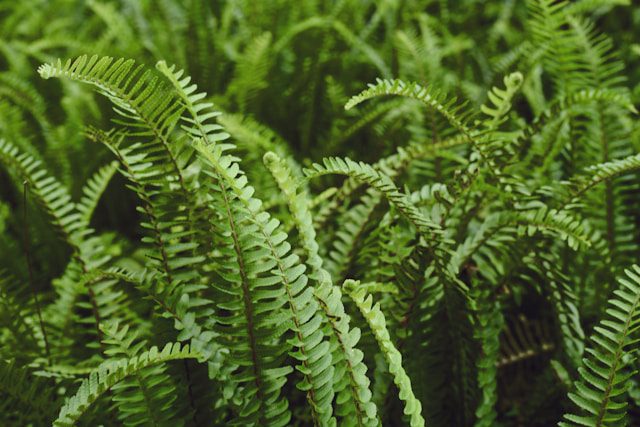
Boston ferns are one of the few plants on this list that do need regular watering — but they reward you with lush, feathery fronds that make any space feel like a green oasis. Keep the soil consistently moist and place them somewhere with indirect light and a bit of humidity (bathrooms work great), and they’ll thrive with minimal effort beyond watering.
- Watering: Frequently (keep soil moist)
- Light: Indirect light
- Bonus: Natural air humidifier in your home
5 Best Gardening light meter For Plant Care
12. Jade Plant (Crassula ovata)
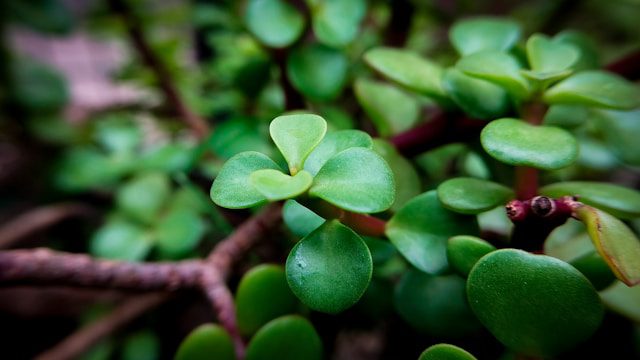
Jade plants are cheerful little succulents with thick, coin-shaped leaves that store water like champs. They love bright light and lean watering schedules — too much water is their only real enemy. With proper care (which requires very little), they can live for over 70 years and even become small bonsai-like trees.
- Watering: Every 2–3 weeks in summer, less in winter
- Light: Bright indirect to direct light
- Bonus: Said to bring good luck in many cultures
Why Is My Jade Plant Drooping?
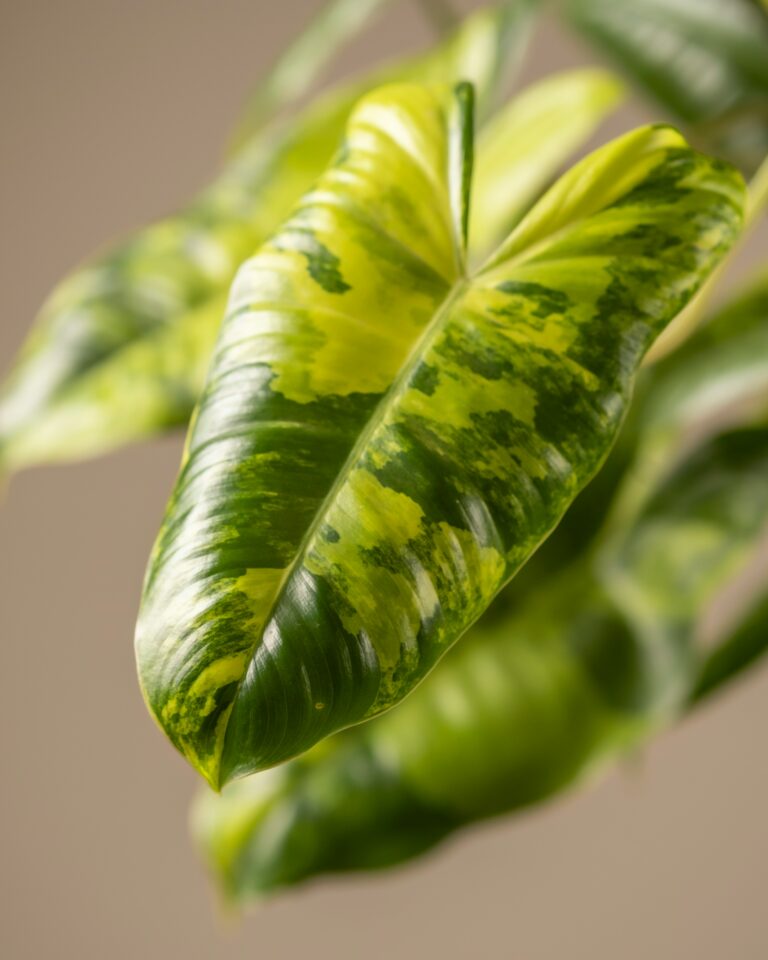
13. Heartleaf Philodendron (Philodendron hederaceum)
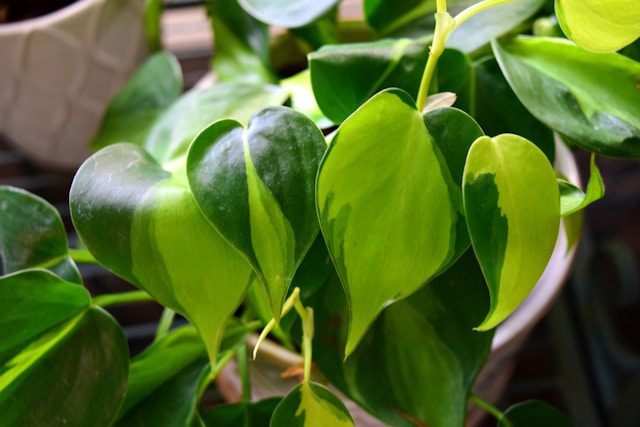
If you love the look of pothos but want something slightly different, the heartleaf philodendron is your answer. Its heart-shaped, velvety green leaves cascade beautifully from shelves or hanging planters. It adapts to various light conditions and only asks to be watered when the soil feels dry. Another classic easy houseplant that’s hard to kill.
- Watering: Every 1–2 weeks
- Light: Low to bright indirect
- Bonus: Grows quickly and looks lush fast
14. Air Plants (Tillandsia)
Air plants are genuinely unique — they don’t need soil at all! They absorb water and nutrients through their leaves, which means you can display them in glass terrariums, on driftwood, or in decorative bowls. A weekly misting or brief soak in water every 1–2 weeks is all they need to survive and even bloom.
- Watering: Mist weekly or soak every 1–2 weeks
- Light: Bright indirect light
- Bonus: No soil needed. Endlessly creative display options
15. English Ivy (Hedera helix)
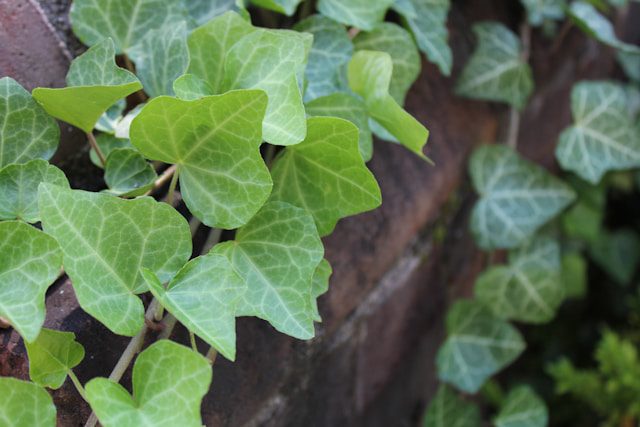
English ivy brings classic cottage-garden vibes indoors. It trails elegantly, grows quickly, and tolerates a wide range of light conditions. It prefers cooler temperatures and doesn’t like to dry out completely, but beyond that it’s a dependable, adaptable plant that looks gorgeous in any setting.
- Watering: When top inch of soil is dry
- Light: Low to bright indirect
- Bonus: Excellent trailing plant for shelves and mantles
Quick Care Tips for Beginner Plant Parents
Even the most low-maintenance houseplants will do better with a few simple habits in place. Here’s what to keep in mind as a new plant parent:
- Water less than you think. Overwatering is the #1 killer of indoor plants. When in doubt, wait another day.
- Use well-draining soil. Most indoor plants hate sitting in soggy soil. Choose potting mix designed for indoor plants or add perlite for drainage.
- Check your light situation. Most of these plants love indirect light — direct sun through a window can scorch leaves.
- Wipe dusty leaves. Dust blocks light absorption. A quick wipe with a damp cloth every few weeks makes a big difference.
- Fertilize sparingly. A slow-release fertilizer once in spring and summer is plenty for most of these plants.
15 Best Indoor Plants for Cold Temperatures
Frequently Asked Questions (FAQ)
What is the absolute easiest houseplant to keep alive?
The pothos and snake plant are widely considered the easiest houseplants to keep alive. Both tolerate low light, irregular watering, and general neglect, making them perfect for beginners or busy plant owners who sometimes forget to water.
What houseplants grow well without direct sunlight?
Several plants on this list thrive without direct sunlight. The best options for low-light conditions include the ZZ plant, cast iron plant, peace lily, Chinese evergreen, and dracaena. These are ideal for apartments, offices, or rooms with small or north-facing windows.
How often should I water low-maintenance houseplants?
Most low-maintenance indoor plants need watering every 1–2 weeks, or when the top inch of soil feels dry to the touch. Succulents like aloe vera and jade plants can go 2–4 weeks between waterings.
Are any of these houseplants safe for pets?
Yes! The spider plant, Boston fern, air plants, and most Tillandsia varieties are considered non-toxic to cats and dogs. However, plants like pothos, philodendron, peace lily, and jade plant can be toxic to pets if ingested.
What is the best beginner houseplant for improving air quality?
The snake plant, peace lily, and pothos are frequently cited as among the best indoor plants for improving air quality.