How Often to Water Golden Pothos: The Complete Care Guide
If you have a golden pothos sitting on your windowsill or trailing from a shelf, you already know this plant has a certain charm that is hard to resist. But even the most resilient houseplants have their limits, and one of the most common questions new and experienced plant owners ask is: how often to water golden pothos? Get it right, and your plant will reward you with lush, vibrant leaves. Get it wrong, and you might find yourself dealing with yellowing foliage or mushy roots.
In this guide, we cover everything you need to know about watering your golden pothos, including how often to water it, signs that something is off, and tips to keep it thriving all year long.
Understanding the Golden Pothos Watering Schedule
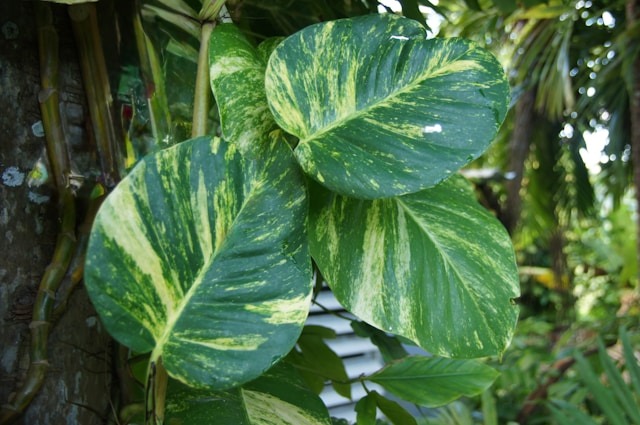
The golden pothos (Epipremnum aureum) is often called an indestructible plant, and for good reason. It can tolerate neglect better than most houseplants. However, that does not mean it likes to be ignored completely, especially when it comes to watering.
As a general rule of thumb, you should water your golden pothos every 1 to 2 weeks during the growing season (spring and summer) and scale back to every 2 to 3 weeks in fall and winter. But here is the thing: there is no one-size-fits-all answer. Your watering frequency will depend on several factors, including the size of the pot, the type of soil, the light the plant receives, and the humidity in your home.
Does Potting Soil Go Bad? Can You Fix It?
Factors That Affect How Often to Water Your Golden Pothos
Light Exposure
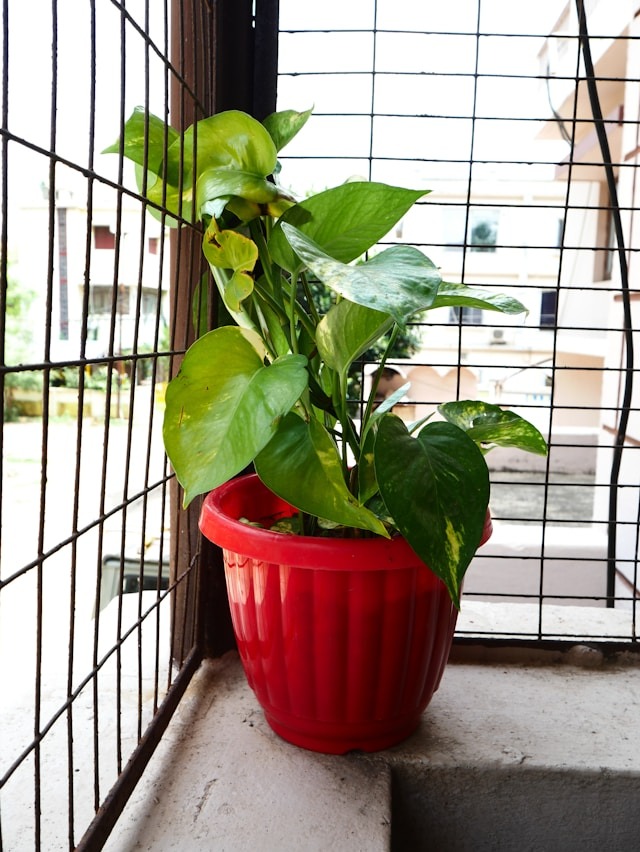
Plants in brighter light tend to dry out faster and may need more frequent watering. On the flip side, a pothos tucked away in a low-light corner will hold onto moisture much longer. Always check the soil before watering rather than going by a strict schedule.
Pot Size and Material
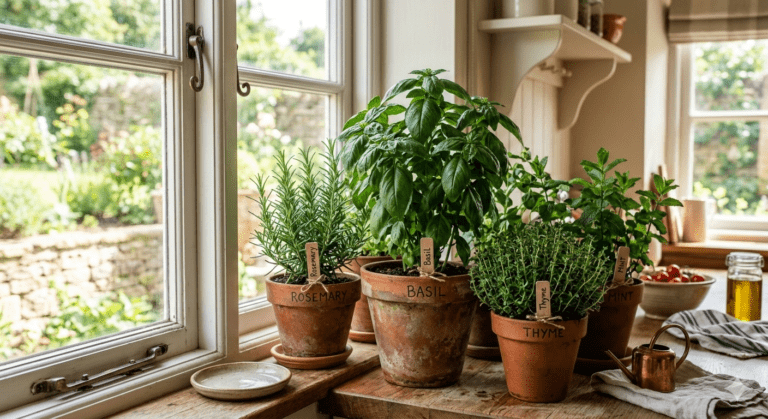
Terracotta pots are porous and allow moisture to evaporate faster, meaning you may need to water more often. Plastic or glazed ceramic pots retain moisture longer. A pot that is too large for your plant can also lead to soggy soil, which is a recipe for root rot.
Season and Temperature
During warmer months, your golden pothos is actively growing and will drink up water more quickly. In winter, growth slows down significantly. Overwatering during the colder months is one of the most common mistakes plant owners make, so always err on the side of caution when temperatures drop.
15 Moisture Absorbing Bathroom Plants That Keep Your Space Fresh and Mold-Free
How to Know When Your Golden Pothos Needs Water
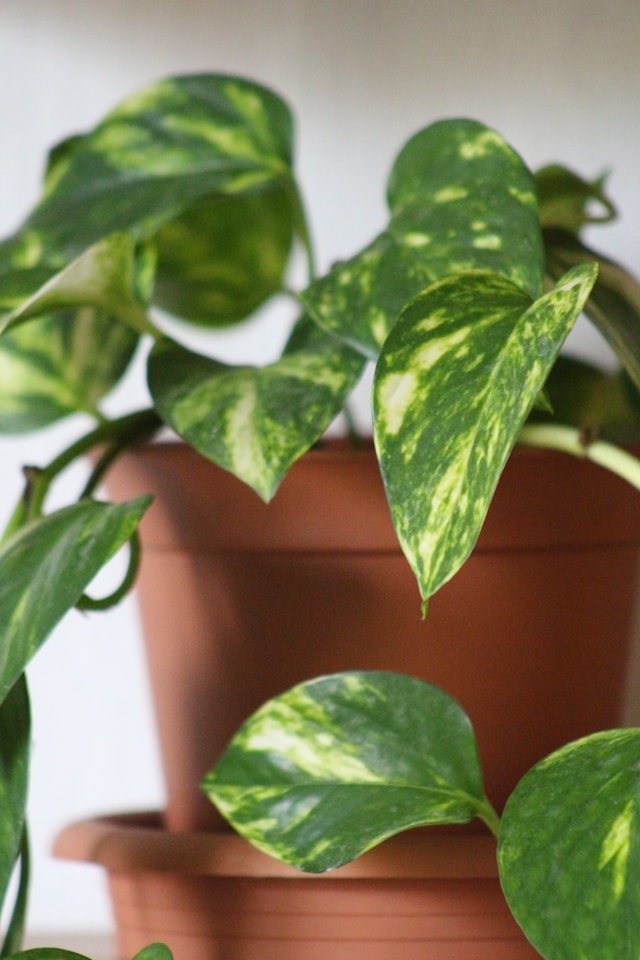
The best and most reliable way to gauge when to water your golden pothos is to check the soil moisture. Stick your finger about one to two inches into the soil. If it feels dry at that depth, it is time to water. If the soil still feels slightly damp, wait a day or two and check again.
Other signs your pothos is thirsty include:
- Leaves that look slightly wilted or droopy
- Soil pulling away from the edges of the pot
- Leaves that feel softer than usual
- Slow or stunted growth during the growing season
Once you learn to read these cues, you will feel much more confident about your pothos plant watering routine.
Bottom Watering Plants: The Complete Guide
How to Water a Golden Pothos the Right Way
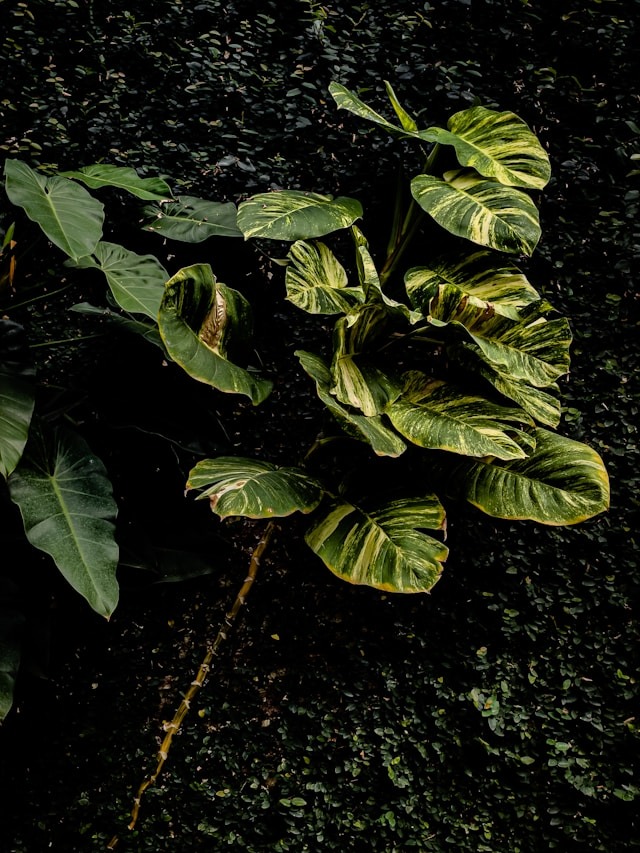
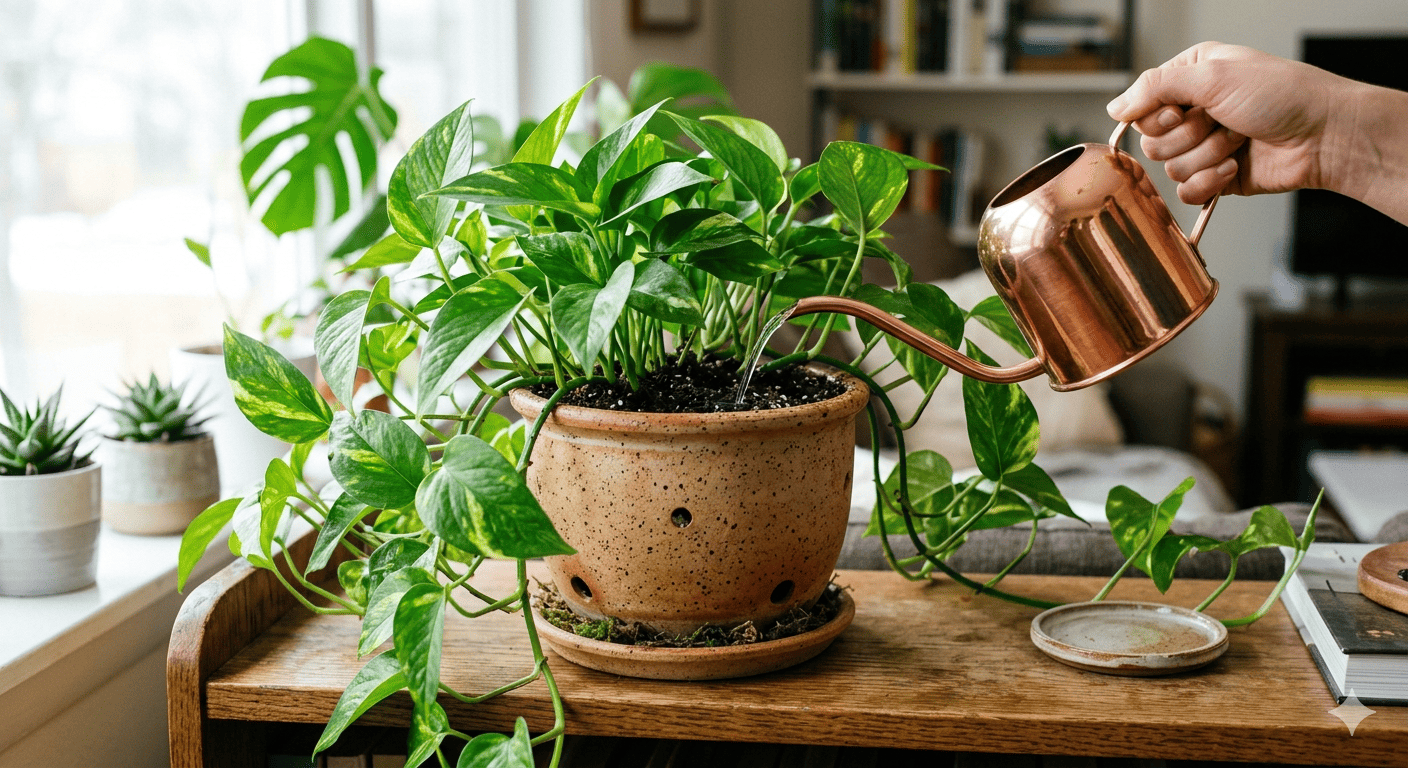
When it is time to water, do it thoroughly. Pour water slowly and evenly around the base of the plant until it drains freely from the bottom of the pot. This encourages the roots to grow deeper and ensures the entire root system gets hydrated.
Always empty the saucer beneath the pot after watering to prevent your pothos from sitting in standing water. Roots that stay wet for extended periods are far more prone to rot, which can quickly kill an otherwise healthy plant.
One more tip: use room-temperature water whenever possible. Cold water can shock the roots, and if your tap water is heavily chlorinated, letting it sit for a few hours before using it gives the chlorine time to dissipate.
Pothos Water Propagation: Step-by-Step Guide
Signs of Overwatering a Golden Pothos
Overwatering is by far the number one killer of golden pothos. Because this plant is marketed as near-indestructible, many owners assume it needs more water than it actually does. Here is what overwatering looks like:
- Yellow leaves, especially on the lower parts of the plant
- Soft, mushy stems near the base
- A damp, unpleasant smell from the soil
- Brown, slimy roots (visible if you check the drainage holes)
- Mold or algae growing on the soil surface
If you suspect you have been overwatering, let the soil dry out completely before watering again. In severe cases, you may need to repot the plant in fresh, well-draining soil and trim away any rotting roots.
Golden Pothos Watering Tips for Every Season
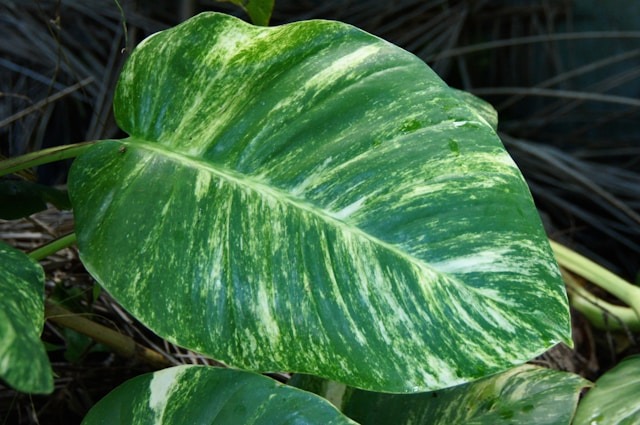
Adjusting your golden pothos watering schedule based on the time of year will make a noticeable difference in your plant’s health.
Spring and Summer: Water every 1 to 2 weeks. Growth is active, so the plant will need consistent moisture. Check the soil regularly and do not let it dry out completely for extended periods.
Fall: Begin tapering back your watering frequency as temperatures cool. Every 2 weeks is a safe starting point, but always defer to the soil check.
Winter: Water every 2 to 3 weeks. The plant is resting, and the slower evaporation rate means the soil stays moist much longer. This is when overwatering is most likely to occur, so be patient.
Frequently Asked Questions
How often should I water my golden pothos indoors?
For most indoor environments, watering your golden pothos every 1 to 2 weeks during spring and summer, and every 2 to 3 weeks in fall and winter, works well. Always check the soil first and water only when the top 1 to 2 inches feel dry.
Why are my golden pothos leaves turning yellow?
Yellow leaves on a golden pothos are most commonly a sign of overwatering. They can also be caused by underwatering, too little light, or nutritional deficiencies. Check your watering habits and soil moisture first, as that is the most frequent culprit.
Can I water golden pothos from the bottom?
Yes, bottom watering works well for golden pothos. Place the pot in a shallow tray of water for about 20 to 30 minutes, allowing the soil to absorb moisture from the drainage holes. Remove the pot and let any excess water drain before returning it to its spot.
How do I know if my golden pothos is underwatered?
An underwatered pothos will have droopy, wilting leaves and very dry, cracked soil. The leaves may also curl inward or feel unusually thin and papery. Give it a thorough watering and it should perk up within a few hours to a day.
Is golden pothos watering different in a pot without drainage?
Watering a golden pothos in a pot without drainage holes requires extra care. Without drainage, excess water has nowhere to go, making root rot a serious risk. Water very sparingly, use much less than you think you need, and consider adding a layer of pebbles at the bottom to create a small reservoir away from the roots. Ideally, always use a pot with drainage.