How to Treat White Mold on Soil and Plant Leaves
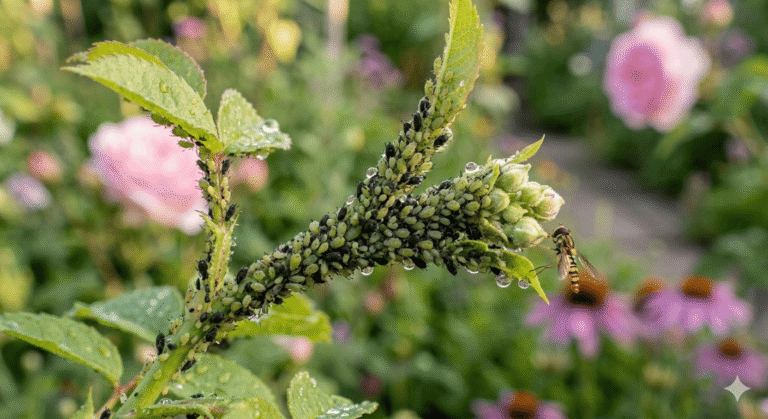
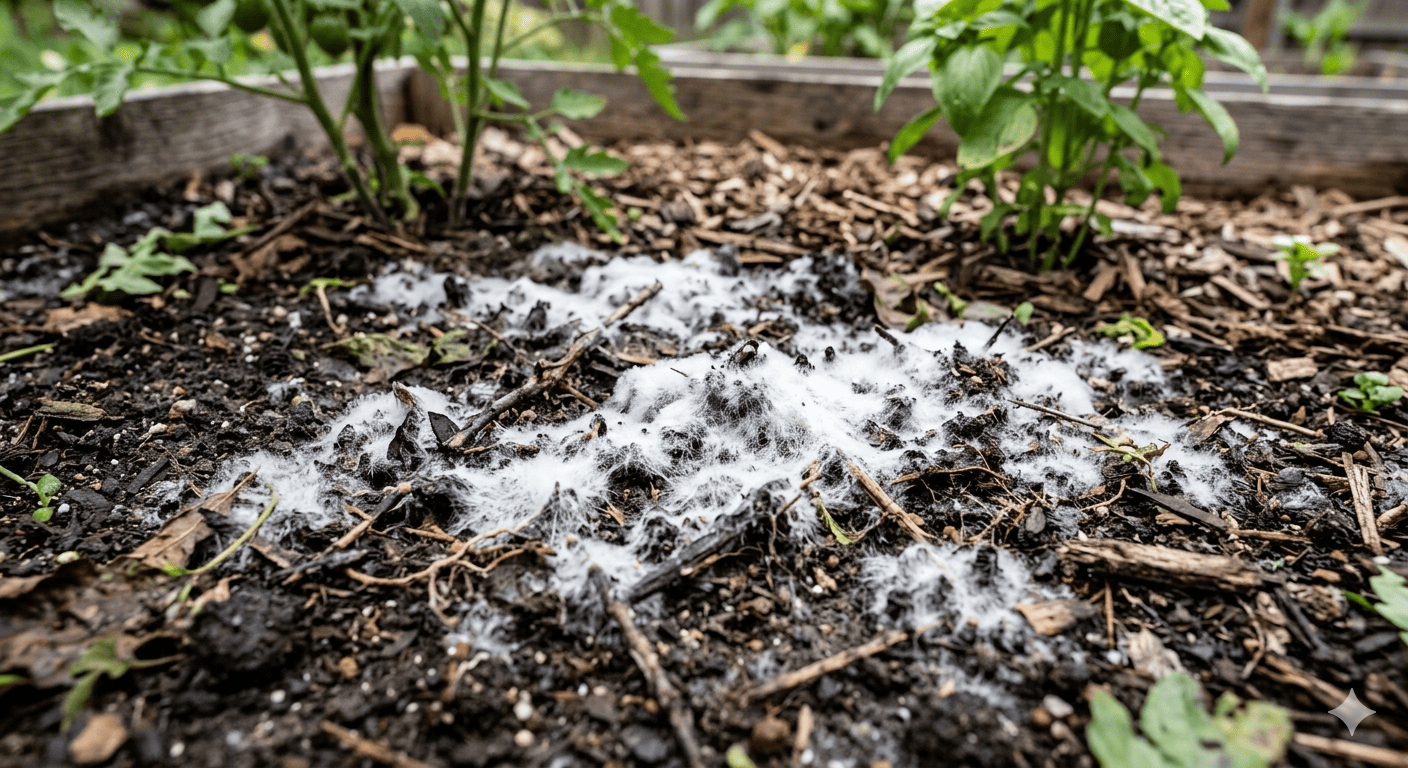
You walk over to your favourite houseplant, ready to give it some love, and then you notice it: a white, fuzzy coating on the soil or a powdery white film creeping across the leaves. Sound familiar? You are not alone. White mold on soil is one of the most common problems plant lovers face, whether you are tending to indoor houseplants or a full garden outside.
The good news? White mold is rarely a death sentence for your plants. With the right knowledge and a few simple treatments, you can get rid of it quickly and stop it from coming back. In this guide, we will walk you through everything you need to know about white mold on plant leaves and soil, from identifying it to treating and preventing it for good.
What Is White Mold and Why Does It Appear?
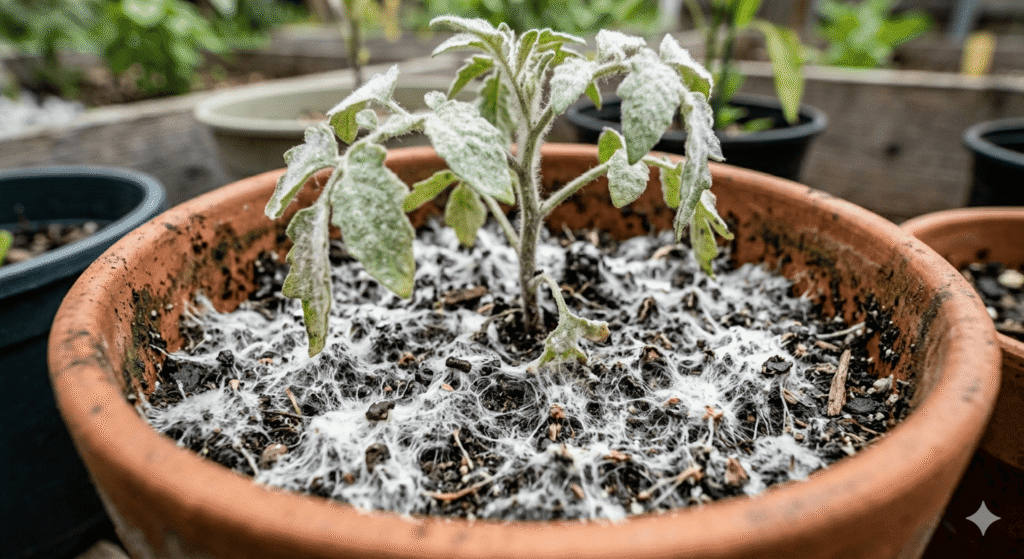
White mold, also known as white fungus on soil, is caused by a variety of fungal species. The most common culprits include Sclerotinia sclerotiorum and Botrytis cinerea (gray mold), along with saprophytic fungi that feed on decaying organic matter in the soil. What you see as that fluffy white coating is actually fungal mycelium, which is essentially the root structure of the fungus.
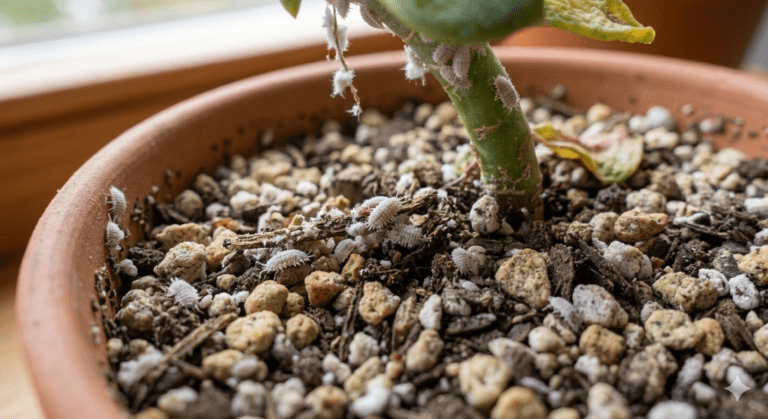
White mold thrives in conditions that include high humidity, poor air circulation, overwatering, and low light. If you have noticed white fuzzy mold on potting soil after watering, it is likely because excess moisture has created the perfect environment for fungal growth.
Is White Mold on Soil Dangerous to Plants?
Here is a question many plant owners have: is white mold on soil actually harmful? The honest answer is, it depends. Saprophytic mold (the white fuzzy type that grows on the soil surface) is generally harmless to healthy plants. It feeds on decomposing matter and does not directly attack plant roots or leaves.
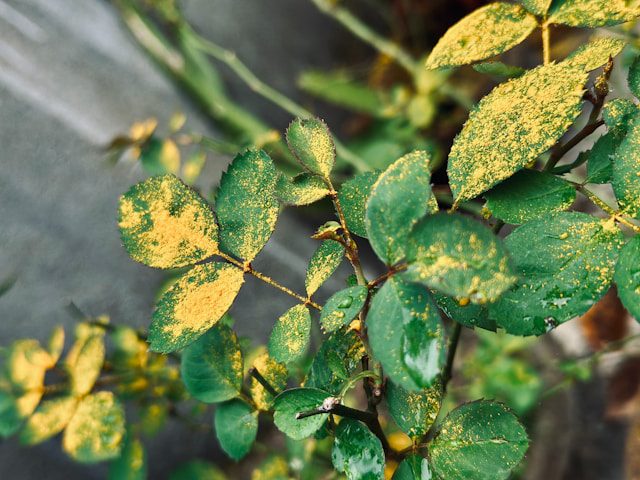
However, if left unchecked, white mold can reduce air circulation around the soil, compete with your plant for nutrients, and eventually spread to the stems or leaves. When white mold appears on plant leaves, it can block photosynthesis and weaken the plant over time. Powdery mildew, a type of white mold on plant leaves, is particularly aggressive and can spread rapidly from plant to plant.
How to Treat White Mold on Soil
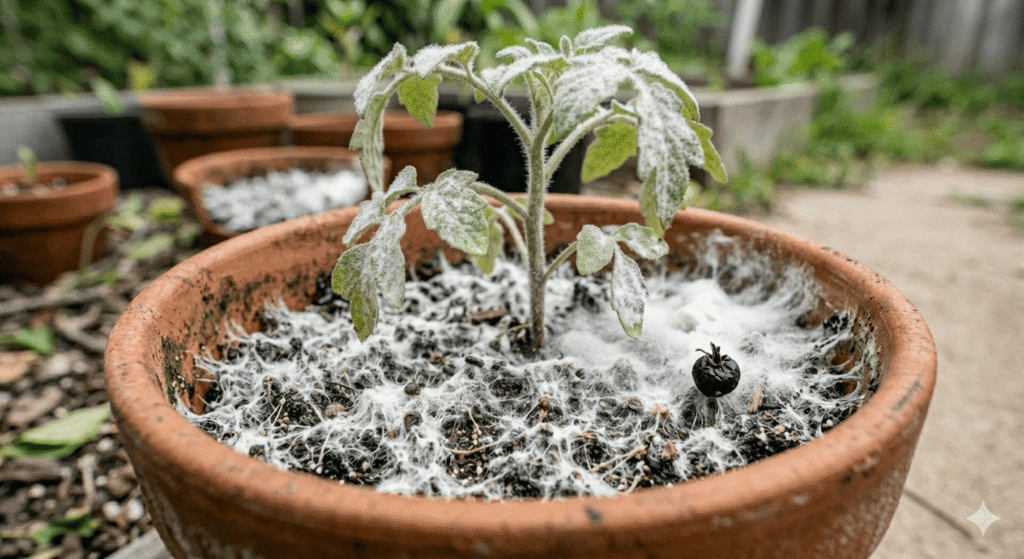
When it comes to treating white mold on potting soil, you have several effective options. Here are the best methods to try:
1. Remove the Mold Manually
For mild cases of white mold on soil, simply scoop out the top layer of affected soil (about 2 inches deep) and replace it with fresh, sterile potting mix. Dispose of the removed soil in a sealed bag so the spores do not spread. This quick fix can work wonders for early-stage mold growth.
2. Use Baking Soda for White Mold on Plants
Baking soda is a tried-and-tested, organic way to remove white mold from plant soil and leaves. Mix one tablespoon of baking soda with one litre of water and a few drops of liquid dish soap. Spray this solution on the affected areas of your plant and the soil surface. Baking soda works by raising the pH level of the environment, making it inhospitable for fungi to grow.
3. Apply Hydrogen Peroxide for Mold in Plant Soil
Hydrogen peroxide is another highly effective treatment for white mold on soil. Mix one part 3% hydrogen peroxide with four parts water and pour it directly over the soil. This solution kills fungal spores and also helps aerate compacted soil. It is safe for most plants when used at the right dilution. You can also lightly spray the solution on affected leaves for white mold on plant leaves treatment.
4. Try Cinnamon as a Natural Fungicide
Does cinnamon kill white mold on soil? Yes, it does! Cinnamon contains a natural compound called cinnamaldehyde, which has antifungal properties. Simply sprinkle a thin layer of ground cinnamon directly onto the affected soil surface. It is completely safe for plants, smells great, and works as a gentle yet effective natural fungicide. This is one of the most popular organic ways to remove white mold from plant soil.
5. Repot Your Plant with Fresh Soil
If the white mold on your potting soil is severe and keeps coming back, it may be time to repot the plant entirely. Remove the plant, gently shake off all the old soil from the roots, and inspect the roots for signs of root rot. Repot using a high-quality, well-draining potting mix, and choose a pot with proper drainage holes to prevent moisture from building up.
How to Get Rid of White Mold on Plant Leaves
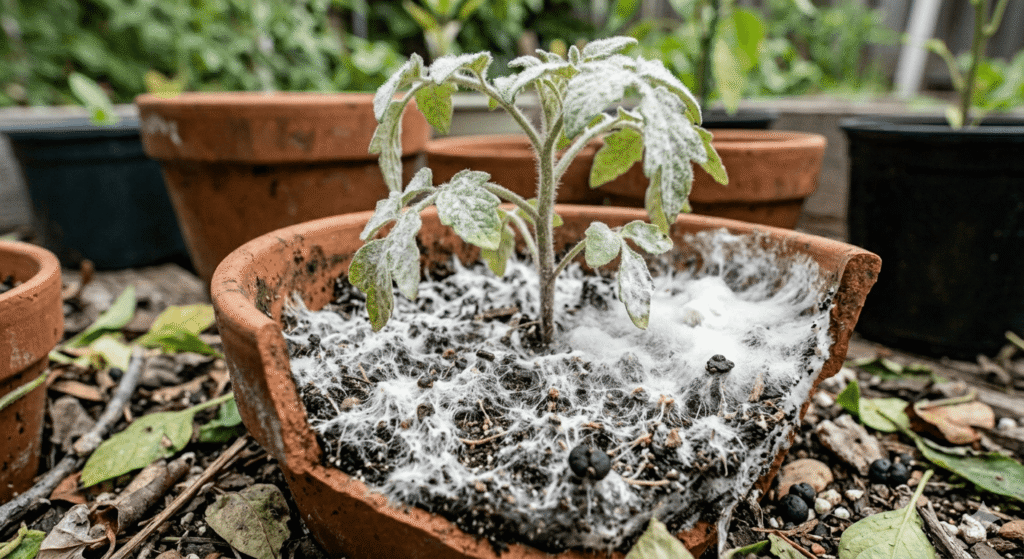
When white mold (especially powdery mildew) spreads to your plant leaves, you need to act fast. Here are the most effective approaches:
- Wipe leaves with a damp cloth: For large-leafed plants, gently wipe away the white mold using a cloth dampened with diluted neem oil or the baking soda solution mentioned earlier.
- Apply neem oil spray: Neem oil is one of the best organic treatments for white mold on plant leaves. Dilute it according to the product instructions and spray on all affected leaf surfaces, including the undersides.
- Remove heavily infected leaves: If a leaf is more than 50% affected, remove it entirely to prevent the mold from spreading to healthy growth.
- Use a diluted apple cider vinegar spray: Mix two teaspoons of apple cider vinegar with one litre of water and spray on the leaves. The acidity disrupts fungal growth.
20 Best Indoor Plants for Low Light Apartments
White Mold on Specific Plants: What to Know
Different plants can be affected by white mold in slightly different ways. For example, white mold on succulent soil needs very careful management because succulents are especially vulnerable to overwatering. For succulents, the best fix is to immediately improve drainage and allow the soil to dry out completely between waterings before applying any treatment.
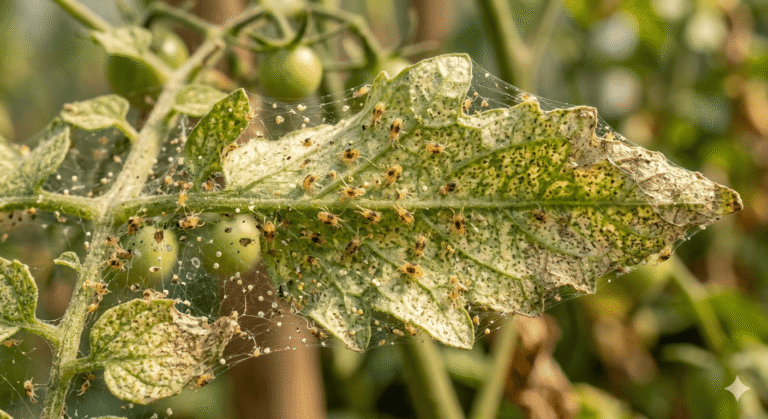
White powdery mold on tomato plant leaves is another very common issue in vegetable gardens. This is most often powdery mildew, and it spreads quickly between plants in warm, dry conditions with high humidity. If you grow tomatoes, regularly inspect the undersides of leaves and remove affected foliage early. A weekly spray of diluted baking soda or neem oil can help keep it under control.
How to Prevent White Mold from Coming Back on Houseplants
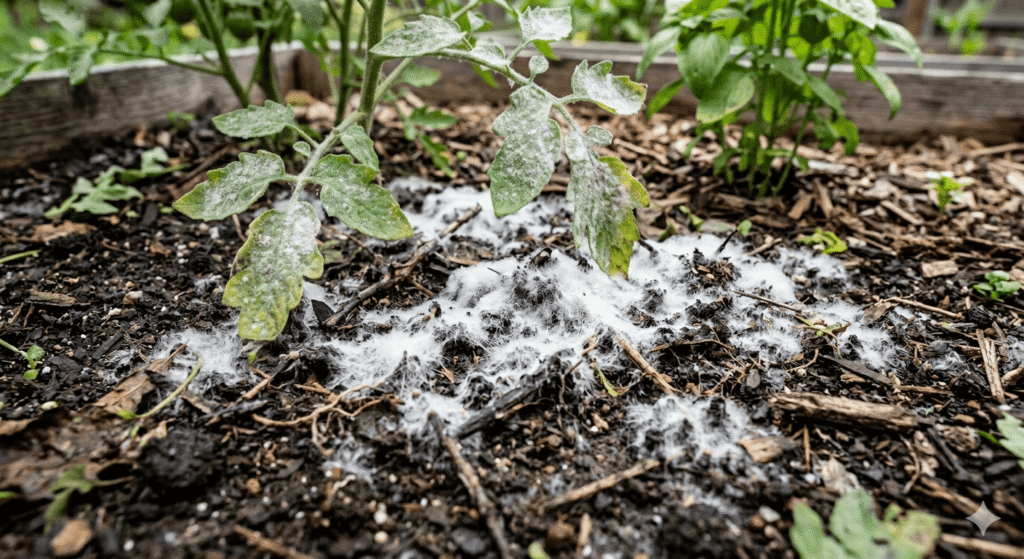
Treating white mold is one thing, but preventing it from returning is the real win. Here are some proven prevention tips:
- Water correctly: Allow the top inch of soil to dry out before watering again. White mold on soil after watering is almost always a sign of overwatering.
- Improve air circulation: Space your plants out and use a small fan if growing indoors. Good airflow makes it much harder for mold to establish itself.
- Choose well-draining soil: Use a quality potting mix designed for your plant type. Heavy, moisture-retaining soils are breeding grounds for white fungus on soil.
- Increase light exposure: Move houseplants to brighter spots or supplement with a grow light. Fungal mold struggles in well-lit environments.
- Avoid over-fertilising: Too much organic material in the soil creates extra food for mold. Stick to a balanced fertiliser schedule.
Does Potting Soil Go Bad? Can You Fix It?
Frequently Asked Questions (FAQ)
Can white mold kill my plant?
In most cases, white mold on soil alone will not kill a healthy plant. However, if it spreads to the stems, roots, or leaves and is left untreated, it can weaken the plant significantly and eventually cause it to decline. Acting quickly is the best way to protect your plant.
Why does my plant soil keep getting white mold?
Recurring white mold on potting soil is almost always caused by consistent overwatering, poor drainage, or low light and airflow. Review your watering schedule and ensure your pot has adequate drainage holes. Moving your plant to a brighter, better-ventilated spot can also make a big difference.
Is white fuzzy mold on potting soil safe or harmful to humans?
Most white mold found on indoor plant soil is not directly toxic to humans, but it can release spores into the air that may irritate people with allergies, asthma, or respiratory sensitivities. It is a good idea to wear a mask when handling moldy soil and to address the problem promptly, especially if you keep plants indoors.
Does cinnamon kill white mold on soil?
Yes, cinnamon is an effective natural antifungal treatment for white mold on soil. The compound cinnamaldehyde in cinnamon inhibits fungal growth. Simply sprinkle ground cinnamon on the affected area of the soil. It is safe for plants and a great organic solution.
What is the difference between white mold and powdery mildew?
White mold typically refers to fungal growth that appears on soil or at the base of plants, often with a fluffy or cotton-like texture. Powdery mildew, on the other hand, appears specifically on plant leaves and stems as a powdery white coating. Both are fungal diseases, but they require slightly different treatment approaches. Powdery mildew is more aggressive and spreads faster between plants.