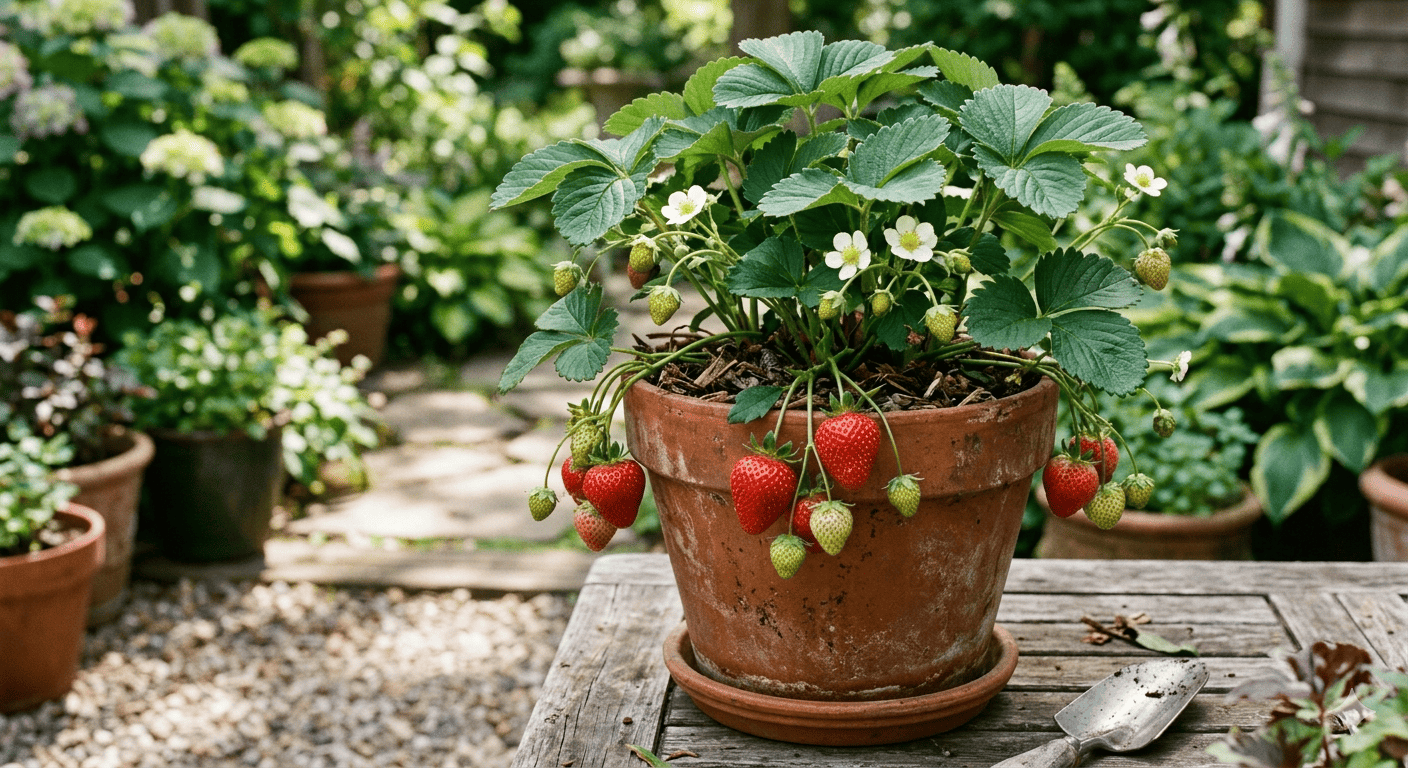
How to Grow Strawberries in Pots on a Balcony (Complete Guide)
If you have always dreamed of picking fresh, sun-warmed strawberries but think you need a big garden to do it, think again. Growing strawberries in pots on a balcony is not only possible, it is one of the most rewarding things you can do with a small outdoor space. Whether you have a tiny apartment balcony or a spacious terrace, you can enjoy a bumper harvest of juicy strawberries with just a few pots, the right soil, and a little know-how.
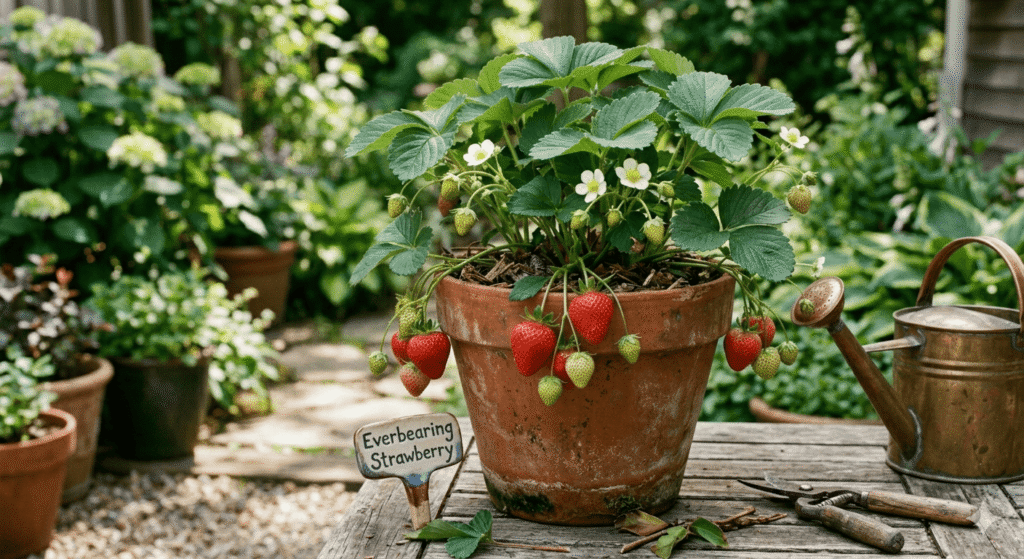
In this guide, we walk you through everything you need to know, from choosing the best strawberry varieties for containers to watering, feeding, and troubleshooting common problems. Let us get growing.
Why Grow Strawberries on a Balcony?
Balcony gardening has exploded in popularity, and strawberries are one of the best crops to start with. Here is why:
- They are compact and do not need deep soil, making them ideal for container gardening.
- Strawberries in pots are easier to protect from pests like slugs and snails.
- You can move pots around to follow the sun or bring them indoors during frost.
- They produce fruit relatively quickly, so beginners see results fast.
- They look beautiful trailing over the edges of pots and hanging baskets.
Best Grow Lights for Succulents
Best Strawberry Varieties for Container Growing on a Balcony
Not all strawberry varieties are created equal when it comes to growing in small pots on a balcony. Here are the top picks:
Everbearing Varieties (Best for Balconies)
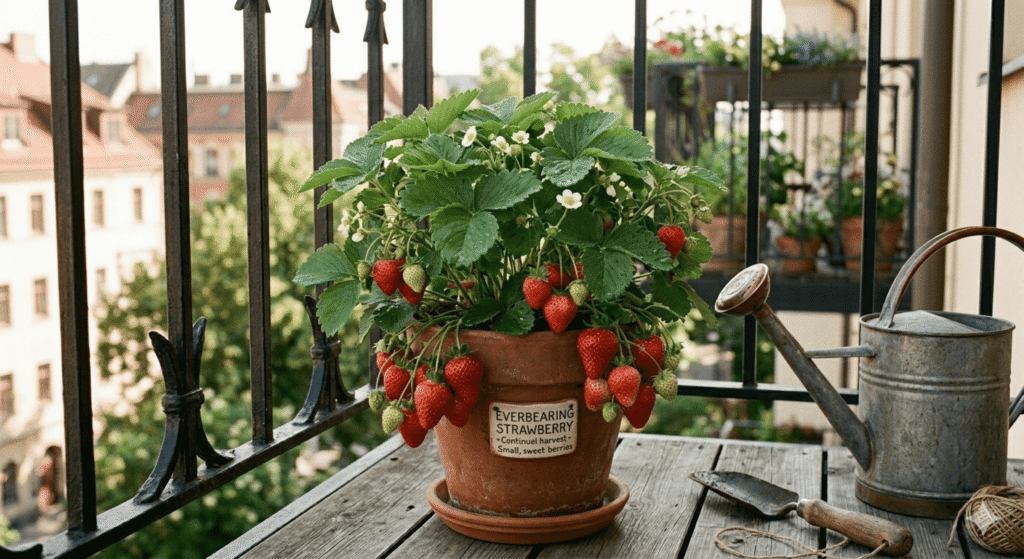
Everbearing strawberries produce fruit continuously from spring through autumn, making them a great choice for balcony growers who want a long harvest season. Popular options include Albion, Seascape, and Ozark Beauty. These varieties are well-suited to container gardening because they produce fewer runners (the long stems that spread the plant), which means they focus their energy on producing fruit rather than spreading out.
How to Start a Raised Garden Bed from Scratch
Alpine Strawberries (Great for Small Pots)
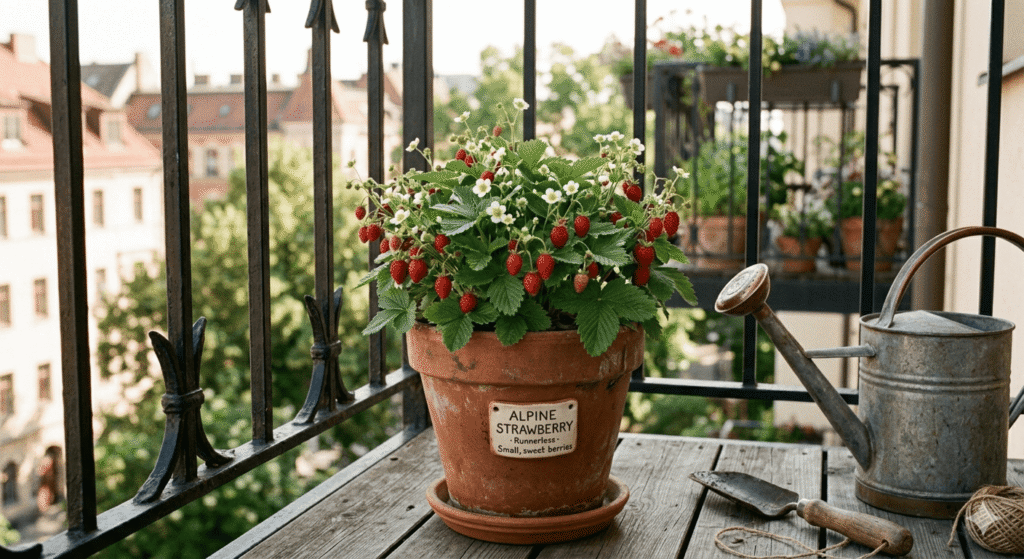
If you are working with very small pots or want to grow strawberries on an apartment balcony without much space, alpine strawberries are worth considering. Varieties like Alexandria and Mignonette are compact, produce masses of small, intensely flavored berries, and are very tolerant of partial shade. They are also virtually runner-free, keeping your containers neat and manageable.
Best Liquid Fertilizer for Houseplants in 2026
What Size Pot Do You Need to Grow Strawberries?
One of the most common questions beginners ask is what size pot they need to grow strawberries. The good news is that strawberries do not need massive containers, but getting the size right does make a difference.
- For a single plant, a pot at least 20 cm (8 inches) in diameter and depth works well.
- For multiple plants, choose a wide planter or a purpose-built strawberry tower with multiple pockets.
- Terracotta pots look wonderful but dry out quickly, so plastic or glazed ceramic pots are often more practical for balconies.
- Hanging baskets work brilliantly for everbearing varieties and save floor space.
- Make sure every container has drainage holes. Waterlogged roots are the number one killer of potted strawberries.
The Best Soil Mix for Strawberries in Containers
Strawberries prefer slightly acidic, well-draining soil with a pH between 5.5 and 6.5. Avoid using ordinary garden soil in your containers as it tends to compact and restrict drainage. Instead, use a quality peat-free compost mixed with about 20 to 30 percent perlite or grit to improve drainage and aeration. Some gardeners add a slow-release fertilizer to the mix at planting time, which gives plants a strong start without the need for frequent feeding in the early weeks.
How Much Sunlight Do Strawberries Need on a Balcony?
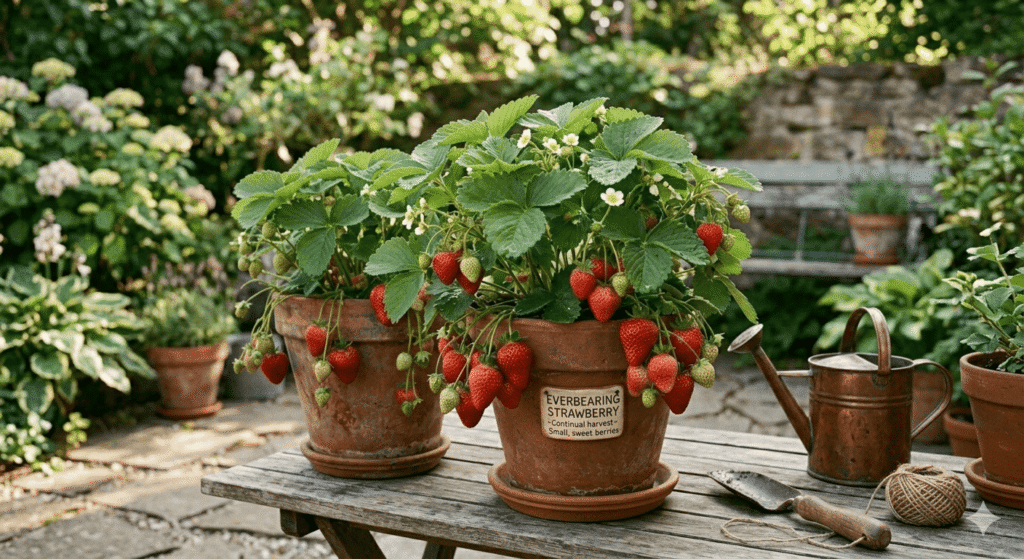
Sunlight is one of the most important factors for a successful strawberry harvest. Strawberries need a minimum of six hours of direct sunlight per day to produce sweet, juicy fruit. The more sun they get, the better the flavor and yield.
If your balcony only gets partial sun, do not give up. Alpine strawberry varieties are more shade-tolerant and can produce a reasonable crop with just three to four hours of sun.
You can also use reflective surfaces or light-colored walls to maximize the amount of light your plants receive. One of the biggest advantages of growing strawberries in pots on a balcony is that you can simply move the containers to the sunniest spot as the seasons change.
How to Water Strawberries in Pots on a Hot Balcony
Watering is where many balcony gardeners go wrong. Pots dry out much faster than garden beds, especially in summer or on an exposed, sunny balcony. During warm weather, you may need to water your strawberry pots once or even twice a day.
Here are a few tips to keep your plants happy:
- Water at the base of the plant rather than over the leaves and fruit to reduce the risk of mold and fungal disease.
- Check the soil daily by pushing your finger about 2 cm into the compost. If it feels dry, it is time to water.
- Use saucers under your pots to catch excess water, but empty them after an hour to prevent waterlogging.
- Self-watering pots are a great investment for busy balcony gardeners.
- Mulching the top of the pot with straw or wood chips helps retain moisture and keeps fruit clean.
How to Fertilize Strawberry Plants in Containers
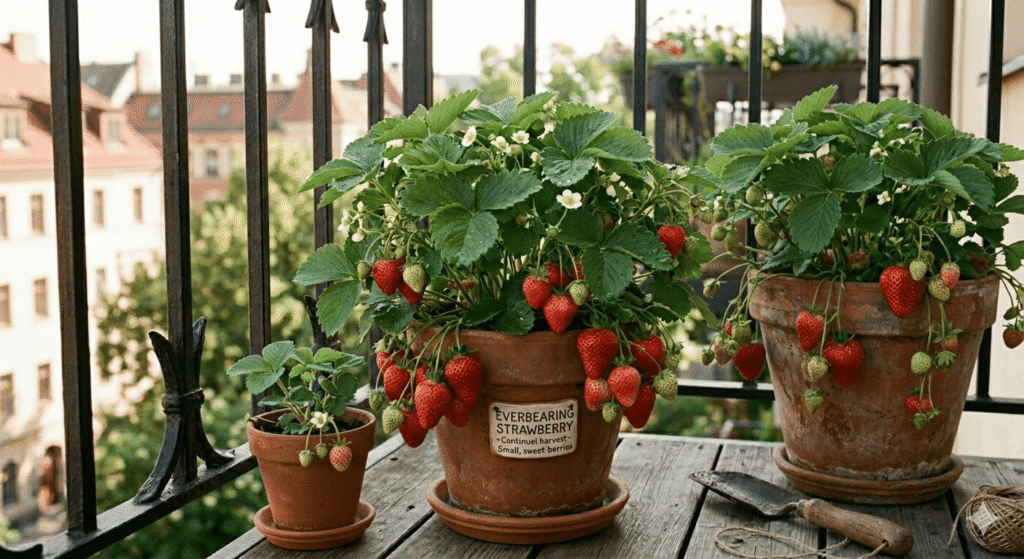
Because nutrients wash out of containers faster than garden beds, regular feeding is essential for healthy, productive strawberry plants. Once your plants begin to flower, switch to a high-potassium liquid fertilizer (such as tomato feed) and apply it every one to two weeks throughout the growing season. Potassium encourages flower and fruit development, which means more strawberries for you.
In early spring before flowering begins, a balanced general fertilizer will help build strong roots and foliage. Avoid over-feeding with nitrogen-heavy fertilizers as this encourages lots of leafy growth at the expense of fruit.
Why Are My Balcony Strawberries Not Fruiting?
If your strawberry plants are growing well but not producing fruit, there are a few likely culprits:
- Not enough sun: Strawberries need at least six hours of direct light to fruit well. Move pots to a brighter spot.
- Lack of pollination: On high balconies, there may be fewer bees. Gently brush the flowers with a soft paintbrush to hand-pollinate.
- Too much nitrogen: Over-feeding with nitrogen promotes leaves rather than fruit. Switch to a high-potassium feed.
- Plants are too old: Strawberry plants produce best in their first two to three years. Replace older plants with fresh runners or new stock.
- Incorrect watering: Both overwatering and underwatering can prevent fruiting. Aim for consistently moist but well-drained soil.
Frequently Asked Questions
Can strawberries grow in small pots on a balcony?
Yes, strawberries grow very well in small pots on a balcony. They have shallow root systems and do not need deep soil. A pot at least 20 cm wide and deep is sufficient for one plant, and hanging baskets work wonderfully for trailing everbearing varieties.
Do strawberries grow well in hanging baskets on a balcony?
Hanging baskets are an excellent option for balcony strawberry growing. They save floor space, allow the fruit to hang freely away from pests, and look beautiful. The main challenge is that hanging baskets dry out quickly, so you may need to water them daily during hot weather.
How often should I water strawberries in pots?
During warm weather, strawberries in pots may need watering once or twice a day. In cooler seasons, every two to three days is usually sufficient. Always check the soil before watering and aim for consistently moist but not waterlogged compost.
What is the best strawberry variety for growing in containers?
Everbearing varieties like Albion and Seascape are popular choices for container gardening as they produce fruit over a long season and stay compact. For very small spaces, alpine strawberries such as Alexandria are ideal as they are tidy, runner-free, and tolerate partial shade.
Do I need to bring my strawberry pots indoors in winter?
Strawberry plants are reasonably hardy but the roots in pots are more vulnerable to frost than those in the ground. In very cold winters, it is a good idea to move pots to a sheltered spot, wrap them in fleece, or bring them into an unheated shed or garage to protect the roots until spring.