You notice your once-thriving houseplant looking a little off. The leaves are speckled with tiny yellow dots, the color seems dull, and if you look closely, you might even spot fine webbing along the stems. Sound familiar? There is a good chance you are dealing with spider mites on houseplants, one of the most common and frustrating plant pests out there.
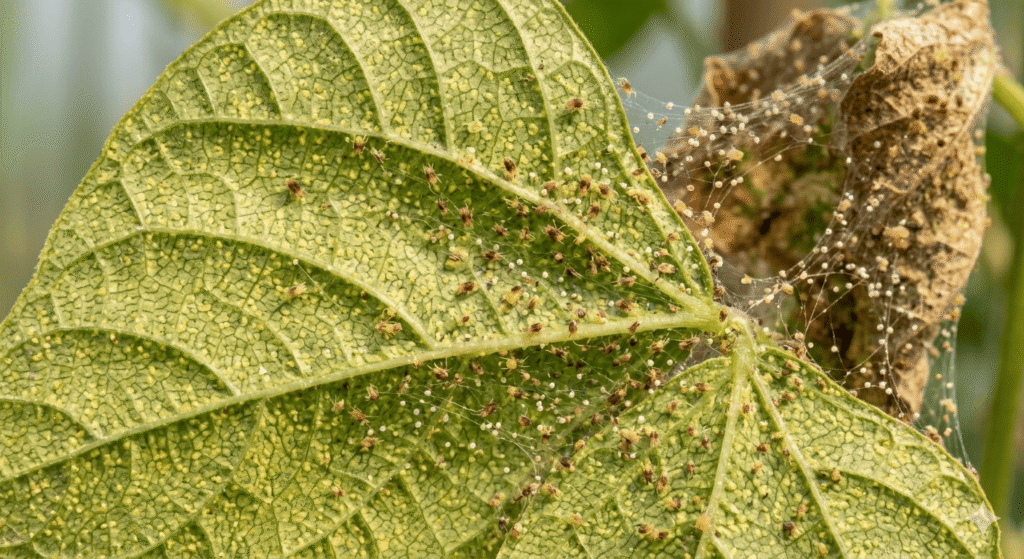
The tricky part? Spider mites are so tiny that most gardeners do not even realize their plant is under attack until the damage is already done. But here is the good news: if you catch them early and act fast, you can save your plant and prevent the infestation from spreading to the rest of your indoor garden.
In this guide, you will learn exactly how to identify spider mites, what signs of damage to look for, and the most effective natural and chemical treatment options available.
Bottom Watering Plants: The Complete Guide
What Are Spider Mites?
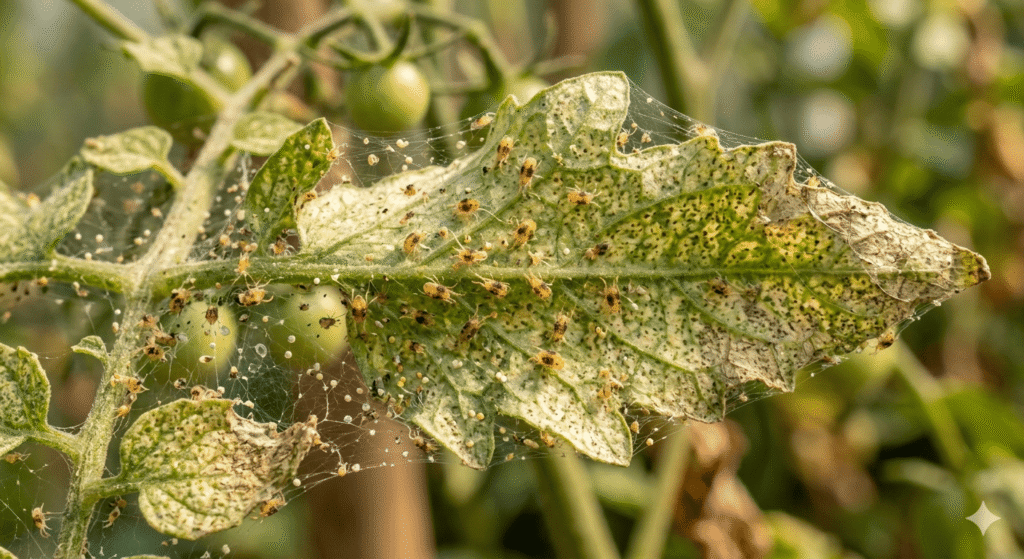
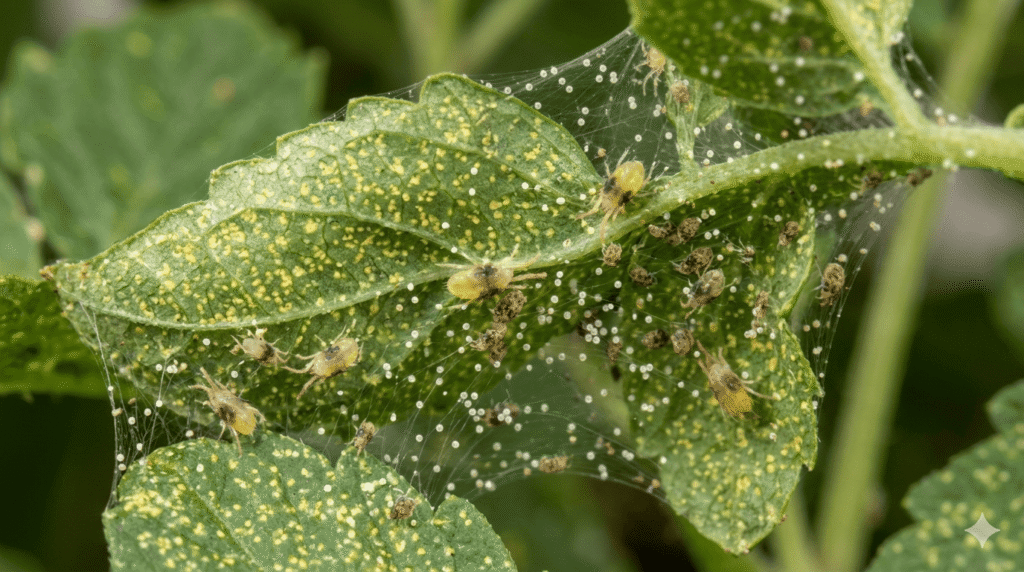
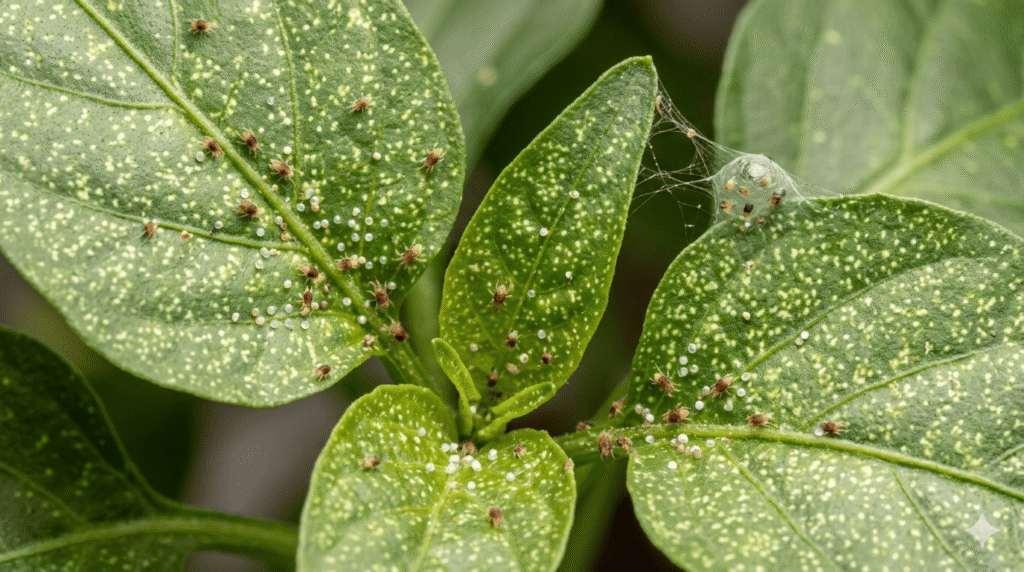
Spider mites are not actually insects; they are arachnids, closely related to spiders and ticks. They belong to the Tetranychidae family and are barely visible to the naked eye, usually measuring less than 1mm in size. The most common species you will encounter on indoor plants is the two-spotted spider mite (Tetranychus urticae), which appears as a tiny reddish-brown or pale dot moving across leaves.
They thrive in warm, dry conditions, which makes centrally heated homes the perfect breeding ground, especially during winter months. A single female spider mite can lay up to 300 eggs in her short lifetime, so an infestation can escalate quickly if left untreated.
How to Identify Spider Mites on Houseplants
Knowing what to look for is the first step toward saving your plant. Here are the most common signs of a spider mite infestation:
Stippling on Leaves
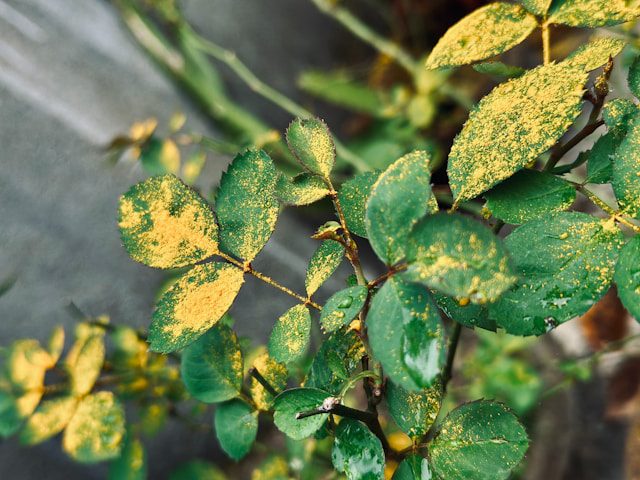
One of the earliest warning signs is tiny yellow, white, or bronze speckles appearing on the upper surface of leaves. This stippling effect is caused by spider mites piercing the plant cells and sucking out the chlorophyll. Under a magnifying glass, these dots look like miniature puncture wounds.
Fine Webbing on Stems and Leaves
As the infestation grows, you will start to notice delicate, silk-like webbing forming between leaves and along stems. This webbing is produced by the mites and is one of the telltale signs that distinguishes spider mites from other houseplant pests. If you see webbing, the infestation has likely been going on for a while.
Tiny Moving Dots on the Underside of Leaves
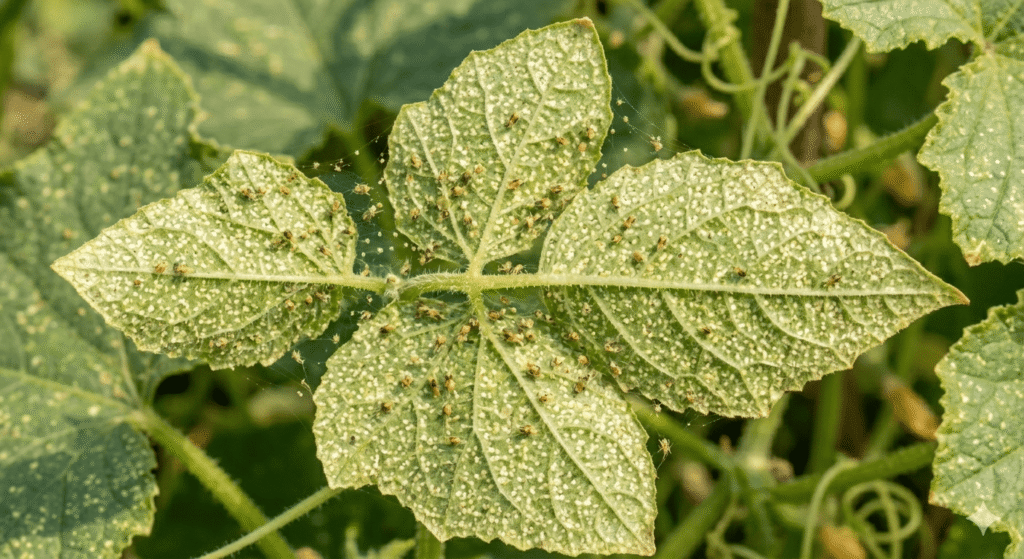
Spider mites usually congregate on the underside of leaves where they are harder to spot. Take a sheet of white paper and gently tap a suspect leaf over it. If you see tiny specks moving across the paper, you have confirmed a spider mite problem.
Leaf Discoloration and Drop
In severe cases of spider mite damage, leaves may turn completely yellow or brown, dry out, curl at the edges, and eventually fall off. Plants like pothos, peace lilies, and fiddle leaf figs are especially vulnerable. If your plant is losing leaves rapidly, act immediately.
Which Houseplants Are Most Vulnerable to Spider Mites?
While spider mites can attack virtually any houseplant, some are more prone to infestations than others. Plants most commonly affected include:
- Pothos
- Fiddle leaf figs
- Roses (indoor)
- Palms
- Peace lilies
- Herbs like basil and mint
- Ivy and philodendrons
If you have any of these plants and notice early signs of trouble, spider mites on pothos or other susceptible plants should be your first suspicion.
How to Treat Spider Mites on Houseplants
The good news is that spider mite treatment does not always require harsh chemicals. There are several effective options, from natural home remedies to targeted pesticides, depending on how severe the infestation is.
Step 1: Isolate the Affected Plant
The moment you suspect a spider mite infestation, move the affected plant away from your other houseplants. Spider mites spread quickly, and keeping them contained is your first line of defense.
Step 2: Blast Them Off with Water
Take your plant to the sink or shower and use a strong stream of water to knock the mites off the leaves, paying special attention to the undersides. This will not eliminate the infestation entirely, but it significantly reduces the mite population and removes webbing.
Step 3: Apply Neem Oil
Neem oil for spider mites is one of the most recommended natural treatments by plant experts and experienced gardeners. It works by disrupting the mites’ life cycle and suffocating them without harming your plant. Mix a few drops of neem oil with water and a small amount of dish soap, then spray the solution all over the plant, including the undersides of leaves. Repeat every 3 to 5 days for two weeks.
What Plants to Avoid Using Neem Oil On
Step 4: Use Rubbing Alcohol or Insecticidal Soap
Dabbing a cotton ball soaked in rubbing alcohol directly onto the mites or affected areas is another effective home remedy for spider mites. Insecticidal soap sprays are also highly effective and safe for most houseplants. Both options kill mites on contact, so thorough coverage is essential.
Step 5: Use a Chemical Miticide for Severe Infestations
If natural methods are not cutting it, you may need to use a commercial miticide or best spray for spider mites on indoor plants. Look for products containing abamectin or bifenazate, which are specifically formulated to kill spider mites. Always follow the label instructions and keep treated plants out of reach of children and pets.
How to Prevent Spider Mites on Houseplants
Prevention is always easier than treatment. Here are some simple habits that will help keep spider mites away:
- Increase humidity around your plants by misting regularly or using a humidifier, since spider mites thrive in dry conditions.
- Wipe down leaves with a damp cloth every few weeks to remove dust and any early mite activity.
- Avoid overwatering or underwatering, as stressed plants are more susceptible to pest attacks.
- Inspect new plants thoroughly before bringing them indoors.
- Keep your growing space clean and free of dead leaves and debris.
- Rotate plants regularly to spot early signs of trouble on all sides.
How to Make and Use Natural Pesticides for Your Garden
Frequently Asked Questions (FAQs)
Can spider mites kill houseplants?
Yes, a severe and untreated spider mite infestation can kill a houseplant. Mites drain the plant of its nutrients and chlorophyll, leading to leaf drop, wilting, and eventually plant death. However, if caught early and treated promptly, most plants make a full recovery.
How fast do spider mites spread to other plants?
Spider mites can spread surprisingly fast. They travel on clothing, hands, gardening tools, and even through air currents. In warm indoor environments, a population can double in as little as one week. This is why isolating an infested plant immediately is so important.
Do spider mites live in soil or on leaves?
Spider mites primarily live and feed on the leaves of plants, not in the soil. They prefer the underside of leaves where they lay eggs and spin their protective webbing. However, some species may overwinter in the soil or plant debris, so keeping your potting area clean matters too.
How do I get rid of spider mites without chemicals?
You can treat spider mites naturally using neem oil, insecticidal soap, rubbing alcohol, or a strong stream of water. Increasing humidity, regularly wiping down leaves, and introducing beneficial insects like predatory mites are also effective chemical-free strategies.
Are spider mites the same as fungus gnats?
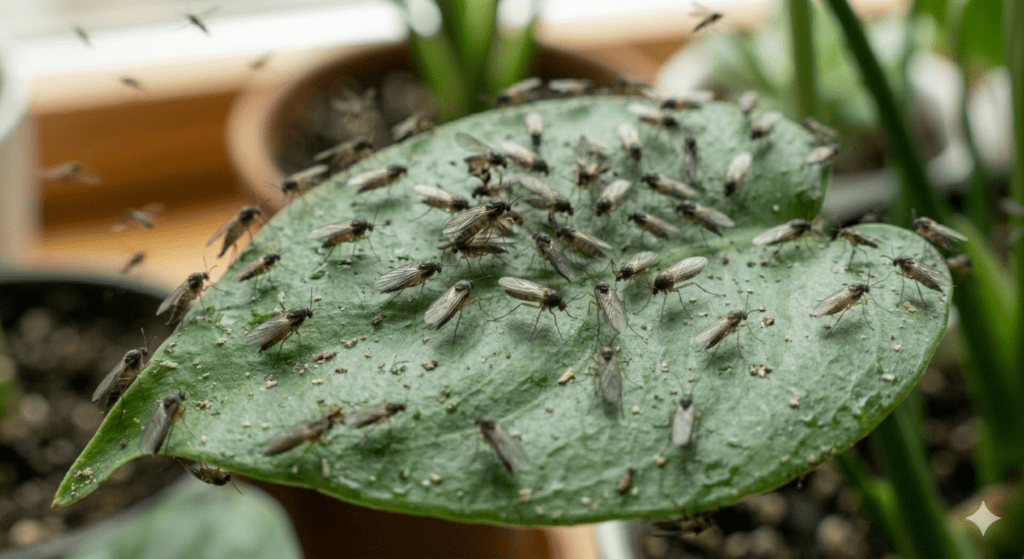
No, spider mites and fungus gnats are completely different pests. Spider mites are arachnids that live on leaves and cause stippling and webbing. Fungus gnats are small flying insects whose larvae live in moist soil and feed on plant roots. The treatment for each is different, so correct identification is key.