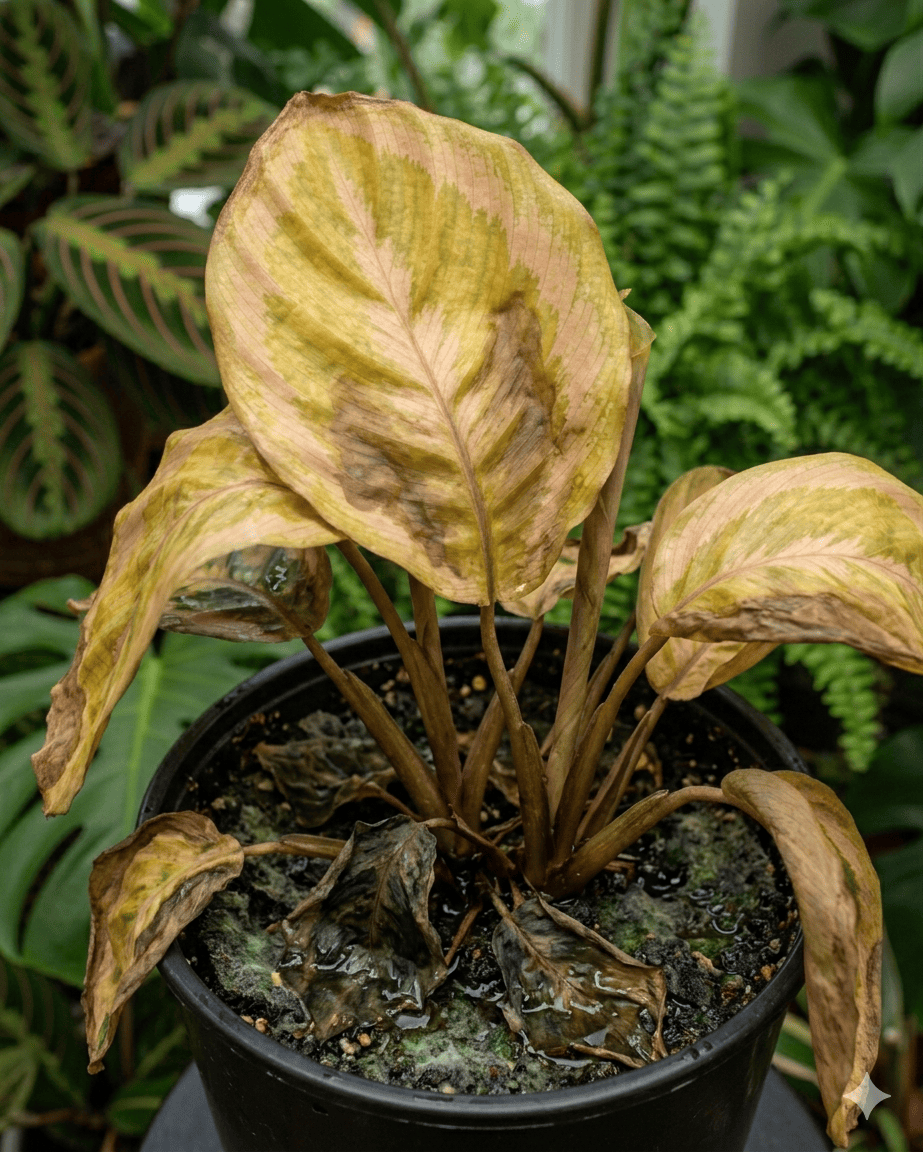
Signs of Nutrient Deficiency in Plants
Have you ever looked at your plants and noticed something just seems off? Maybe the leaves are turning yellow, the edges are curling, or the plant looks stunted and sad despite your best efforts. More often than not, these are telltale signs of nutrient deficiency in plants, and they are far more common than most gardeners realize.
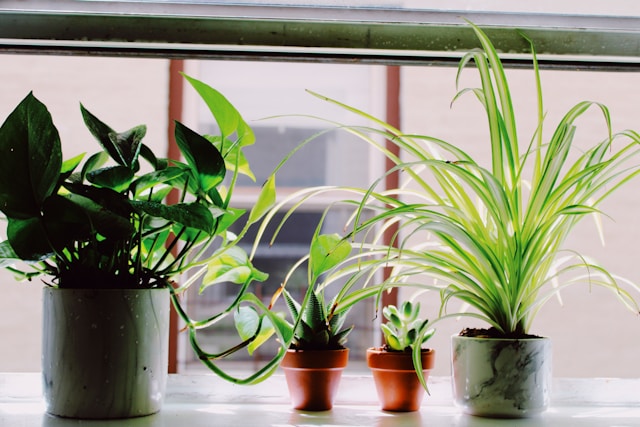
Plants need a balanced mix of nutrients to grow strong and healthy. When one or more of these nutrients are lacking, plants communicate their distress through very visible physical symptoms. The good news? Once you know what to look for, identifying and correcting these deficiencies is completely doable, even for beginners.
In this guide, we will walk you through the most common plant nutrient deficiency symptoms, what causes them, and how you can fix them to get your garden or houseplants thriving again.
Best Watering Cans for Indoor Plants (Small and Large)
Why Plant Nutrients Matter
Plants rely on 17 essential nutrients to complete their life cycle. These are broadly divided into macronutrients (needed in larger amounts) and micronutrients (needed in smaller, trace amounts). Macronutrients include nitrogen (N), phosphorus (P), potassium (K), calcium (Ca), magnesium (Mg), and sulfur (S). Micronutrients include iron (Fe), manganese (Mn), zinc (Zn), and others.
When the soil is deficient in any of these nutrients, or when the plant cannot absorb them properly due to pH imbalances or poor root health, plant deficiency signs begin to appear. Catching these early can mean the difference between a quick fix and losing the plant entirely.
The Most Common Signs of Nutrient Deficiency in Plants
1. Nitrogen Deficiency
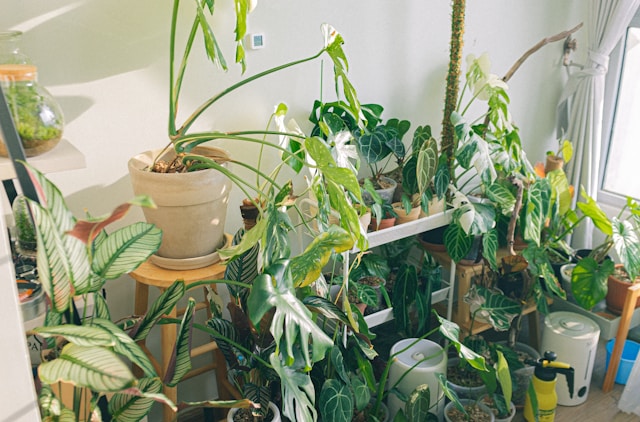
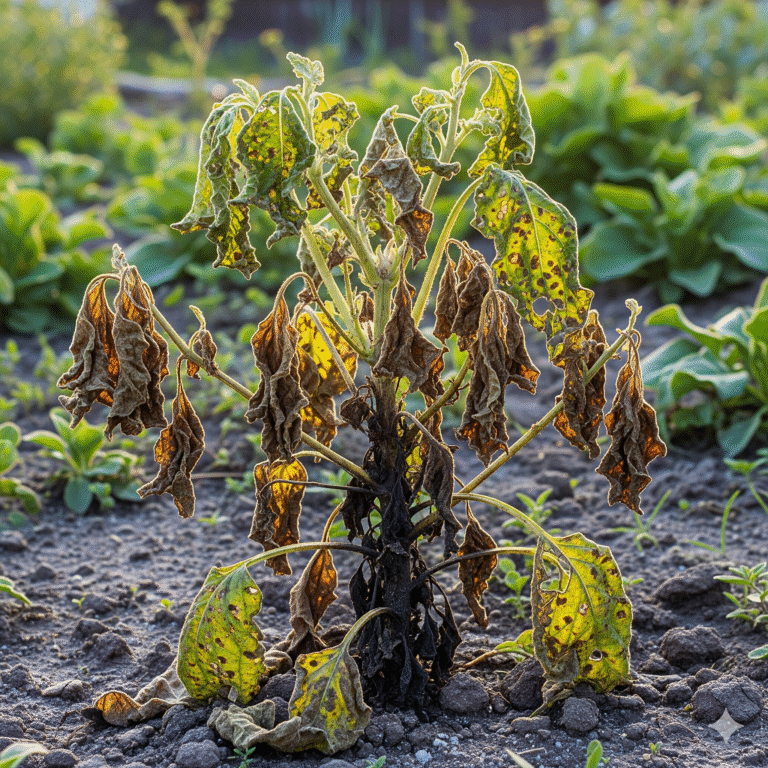
Nitrogen is one of the most critical nutrients for plant growth, playing a key role in leaf and stem development. A nitrogen deficiency in plants typically shows up as yellowing of older, lower leaves first. The yellowing gradually moves upward as the plant redirects what little nitrogen it has toward new growth.
What to look for: Pale green to yellow leaves starting at the base, slow growth, and thin, spindly stems.
How to fix it: Apply a nitrogen-rich fertilizer such as blood meal, fish emulsion, or a balanced NPK fertilizer. For a quick boost, a diluted liquid fertilizer works faster than granular options.
2. Iron Deficiency
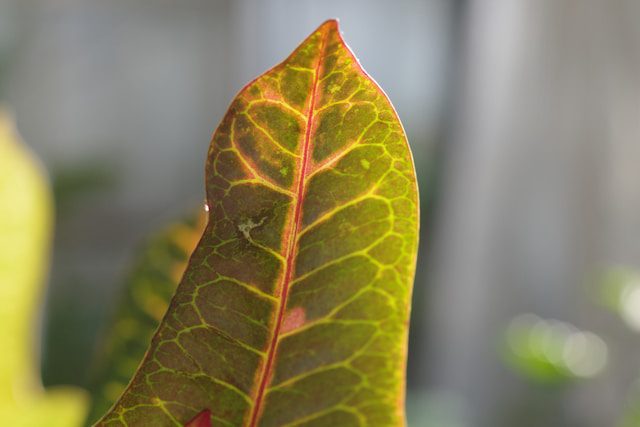
Iron deficiency in plants produces one of the most recognizable symptoms: the leaves turn yellow while the veins remain green. This pattern is called interveinal chlorosis and almost always points to either a lack of iron in the soil or a high soil pH that makes iron unavailable to plant roots.
What to look for: Yellowing between the veins of young, upper leaves. The veins stay green, creating a distinctive striped pattern.
How to fix it: Apply chelated iron fertilizer or lower the soil pH by adding sulfur or acidifying fertilizers. For houseplants, repotting into fresh, slightly acidic soil can also help.
3. Calcium Deficiency
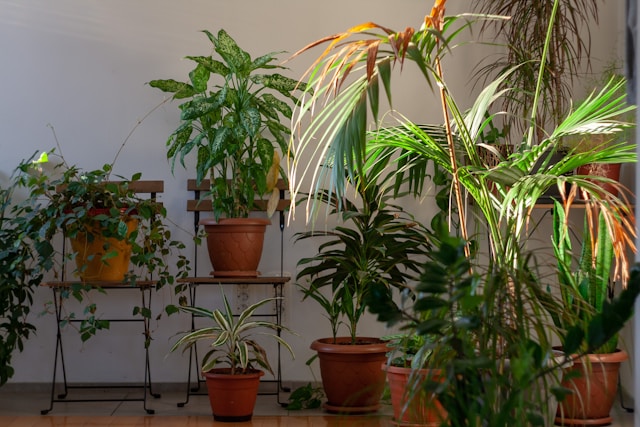
Calcium deficiency in plants affects new growth rather than older leaves, making it easy to distinguish from nitrogen deficiency. Since calcium moves slowly through the plant, the youngest leaves and shoot tips are the first to suffer. This is especially common in tomatoes (where it causes blossom end rot) and leafy greens.
What to look for: Curled, distorted, or scorched leaf tips on new growth. Brown edges on young leaves and poor fruit development.
How to fix it: Apply garden lime, gypsum, or a calcium-containing fertilizer. For tomatoes specifically, consistent watering practices help calcium move efficiently through the plant.
4. Magnesium Deficiency
Magnesium is the central atom in chlorophyll, so a shortage of it directly affects a plant’s ability to photosynthesize. Magnesium deficiency plants often show interveinal chlorosis on older leaves (similar to iron deficiency), but it appears on the lower, mature leaves rather than the young upper ones.
What to look for: Yellow patches between the veins of older leaves. The leaf margins may eventually turn reddish or purple.
How to fix it: Apply Epsom salt (magnesium sulfate) as a soil drench or foliar spray. This is one of the quickest and most affordable fixes for magnesium deficiency.
How Many Lumens do Plants Need?
5. Phosphorus Deficiency
Phosphorus plays a vital role in root development, flowering, and fruiting. Signs of phosphorus deficiency in tomato plants and other vegetables are particularly common in cold soils, where phosphorus uptake slows down significantly even if the soil has adequate levels.
What to look for: Purple or reddish discoloration on the undersides of leaves, particularly on older foliage. Stunted root systems and delayed flowering are also common.
How to fix it: Warm up the soil or apply a phosphorus-rich fertilizer such as bone meal or superphosphate. Ensure the soil pH is between 6.0 and 7.0 for optimal phosphorus absorption.
How to Confirm a Plant Nutrient Deficiency
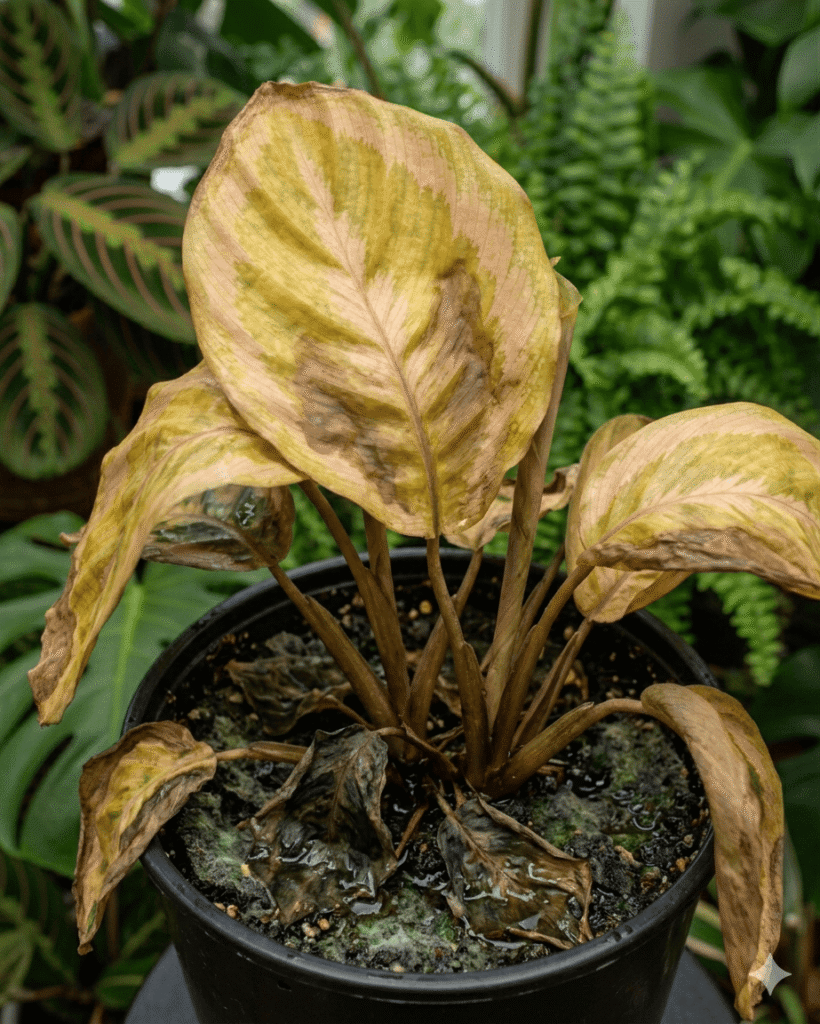
Visual symptoms are helpful, but they are not always definitive. Some diseases and pest problems can mimic nutrient deficiency signs. Here are a few ways to confirm what you are dealing with:
- Soil test: A basic soil test kit or lab analysis will show you exactly which nutrients are lacking and what your soil pH is.
- Check the pH: Most nutrients are only available to plants within a specific pH range (6.0 to 7.0 for most plants). An out-of-range pH can lock out nutrients even when they are present in the soil.
- Observe the pattern: Is it affecting old or new leaves? Is it widespread or patchy? These clues help narrow down which specific nutrient is deficient.
Preventing Nutrient Deficiency in Plants
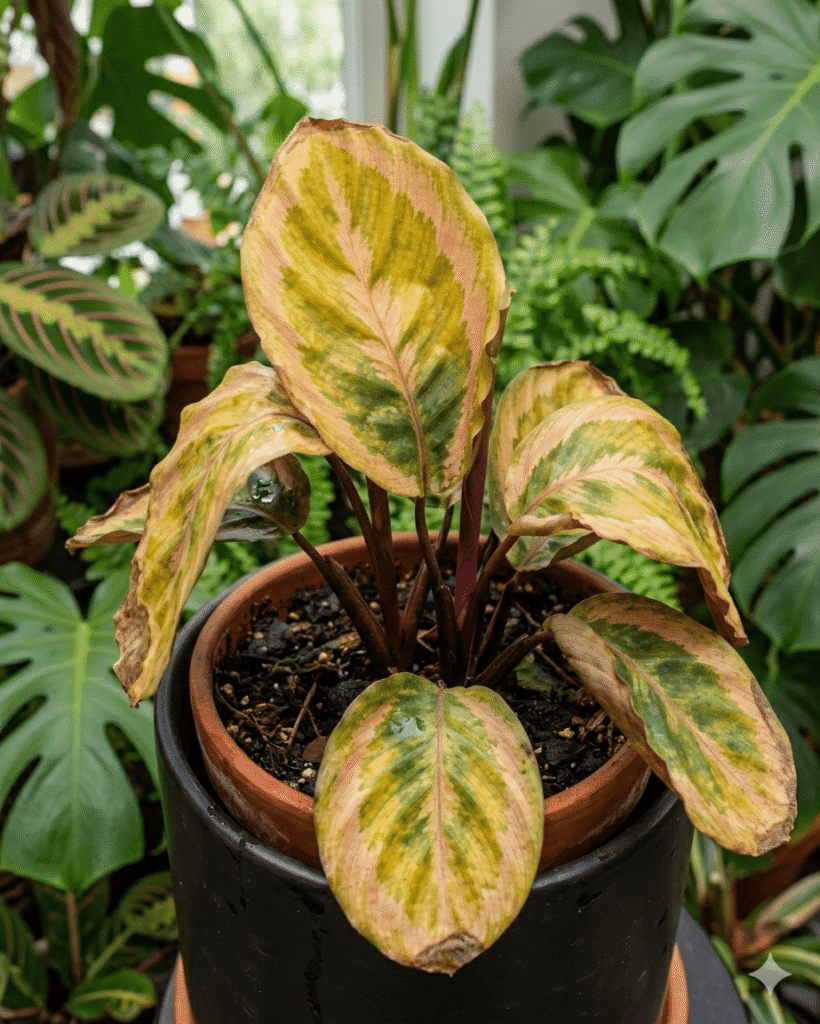
Prevention is always better than cure. Here are some practical steps to keep plant nutrient deficiency at bay:
- Feed your plants with a balanced, slow-release fertilizer at the start of each growing season.
- Maintain proper soil pH by testing it annually and amending as needed.
- Add organic matter like compost to improve soil structure and nutrient availability.
- Water consistently, since irregular watering can affect how nutrients are absorbed through the roots.
- For houseplants, repot every one to two years to replenish depleted potting mix.
Frequently Asked Questions (FAQ)
Q1: How do I know if my plant has a nutrient deficiency or a disease?
A: Nutrient deficiencies typically follow a pattern based on which leaves are affected (old vs. new) and the specific color changes involved. Diseases often cause spots, lesions, or wilting that does not follow a predictable pattern. A soil test can help confirm if nutrients are the issue.
Q2: Can too much fertilizer cause nutrient deficiency?
A: Yes, it can. Over-fertilizing can create a nutrient lockout situation where an excess of one nutrient (such as potassium) interferes with the absorption of others (like calcium or magnesium). Always follow recommended fertilizer rates and test your soil before adding amendments.
Q3: What is the best fertilizer for nutrient deficient plants?
A: The best fertilizer depends on which nutrient is lacking. For general deficiencies, a balanced NPK fertilizer (such as 10-10-10) works well. For specific deficiencies, use targeted products like blood meal for nitrogen, bone meal for phosphorus, or Epsom salt for magnesium.
Q4: How do I treat nutrient deficiency in houseplants?
A: For houseplants, start by repotting into fresh potting mix, as nutrients in potting soil deplete over time. Then apply a balanced liquid fertilizer during the growing season (spring and summer). If you suspect a specific deficiency, use a targeted supplement such as chelated iron or a calcium-magnesium supplement.
Q5: Why are my plant leaves turning yellow even though I am fertilizing regularly?
A: Yellow leaves despite regular fertilizing often point to a soil pH problem. If the pH is too high or too low, plants cannot absorb nutrients even when they are present in the soil. Test your soil pH and adjust it to the appropriate range for your plant species, typically between 6.0 and 7.0.