Best Outdoor Plants for a Shaded Patio or Balcony
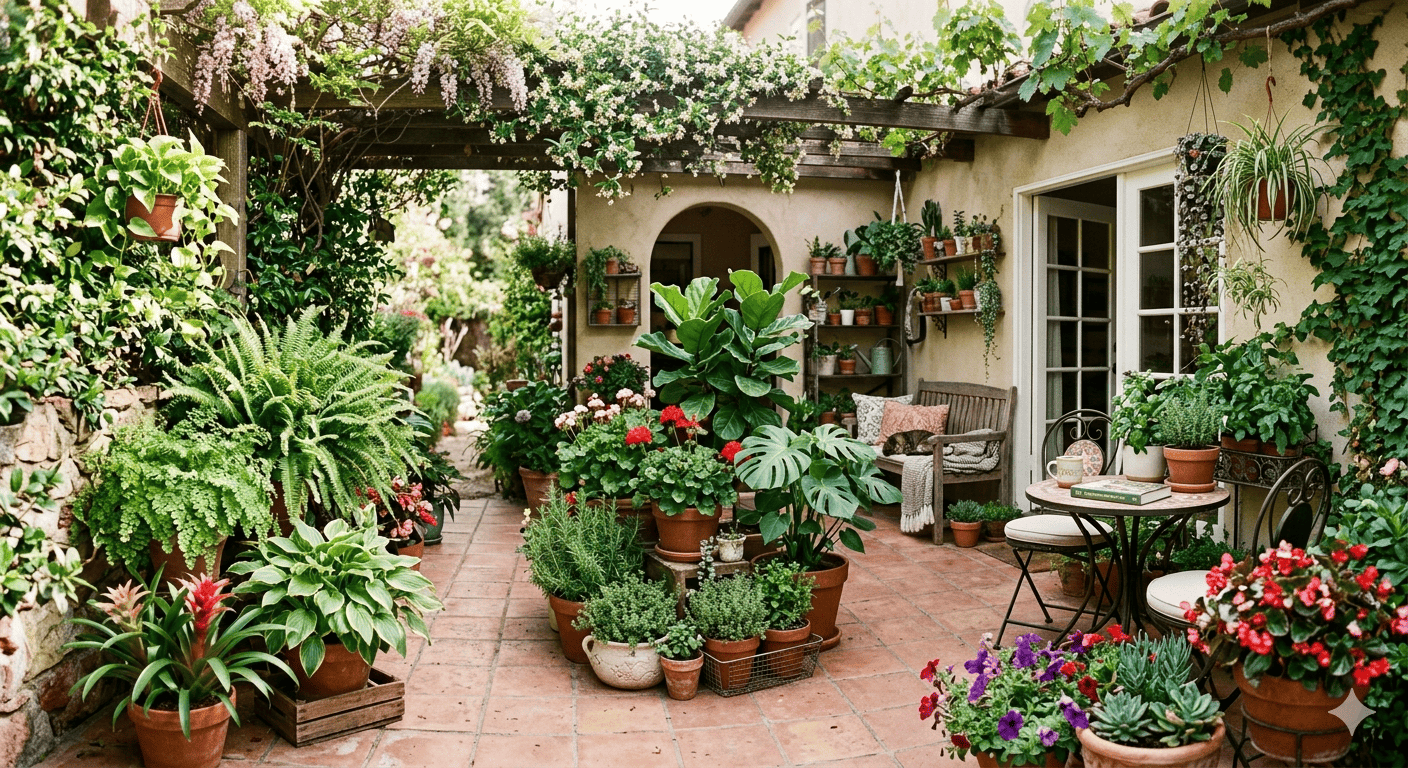
A shaded patio or balcony isn’t a gardening obstacle — it’s an invitation to create a cool, lush oasis that most sun-baked terraces can’t rival. The key is choosing plants that are built for lower light conditions.
Whether your outdoor space is in perpetual shadow from a neighbouring building, sits under a deep overhang, or simply faces north, there are dozens of extraordinary plants that will not only survive but flourish there. This guide walks you through the very best options — from feathery ferns and bold hostas to vivid impatiens and architectural caladiums — along with expert planting tips that actually work in containers and raised beds.
We cover what “shade” really means in gardening terms, which plants deliver the most visual impact, and how to care for them so your low-light outdoor space becomes the envy of the neighbourhood.
What Causes Root Rot In Orchids?
Understanding Shade: What Kind Do You Actually Have?
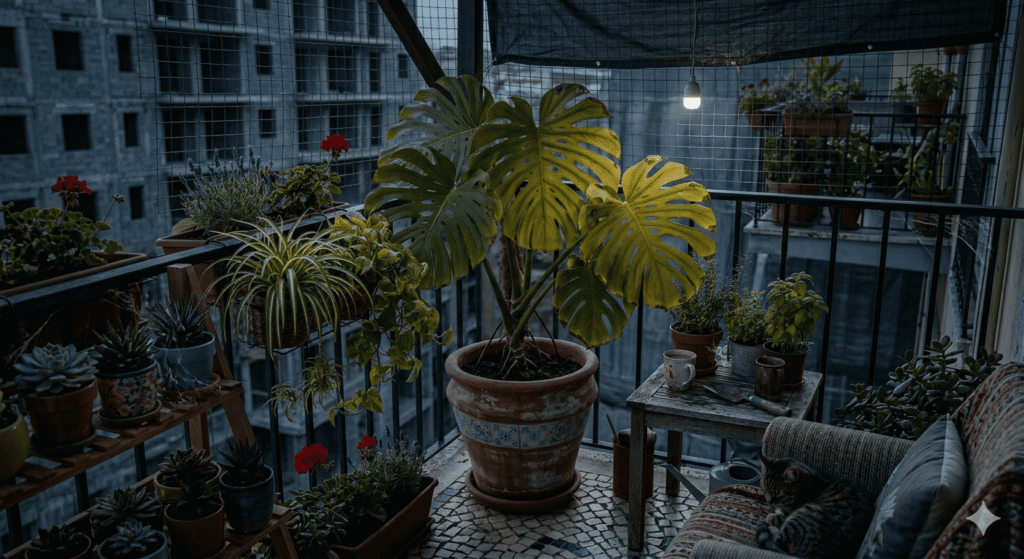
Before picking any plant, it helps to understand that shade isn’t a single condition. Professional horticulturalists define outdoor shade across a spectrum, and choosing plants suited to your specific light level is the single biggest factor in success.
- Full Shade: Less than 2 hours of direct sunlight per day. Typical of north-facing balconies or spaces enclosed on multiple sides.
- Partial Shade: 2–4 hours of direct sun, or dappled light throughout the day. Most urban patios fall here.
- Dappled / Filtered Shade: Sunlight filtered through a pergola, lattice, or tree canopy. Many plants labelled “part sun” excel here.
- Deep Shade: Enclosed areas receiving virtually no direct light. Plant choices are limited but still beautiful — think mosses, ivy, and certain ferns.
To gauge your own situation, spend one full sunny day tracking where and when direct light falls on your patio or balcony. A light meter or a simple sun-tracking app can make this process easy and precise.
7 Expert Tips To Care For Lavender Plants In Pots
Best Outdoor Plants for a Shaded Patio or Balcony
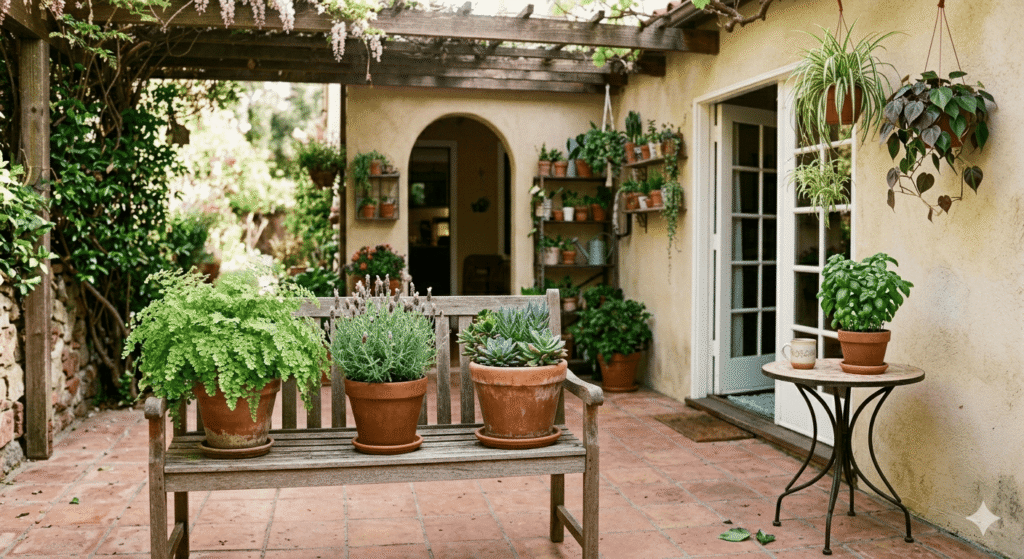
The following plants are selected for their proven performance in shaded container conditions, visual impact, and relative ease of care. Each entry includes a difficulty level so you can match plants to your experience.
Hostas (Hosta spp.) [Easy]
The undisputed king of shade gardening. Hostas thrive in partial to full shade and offer dramatic foliage in green, blue-green, gold, and variegated forms. Surprisingly well-suited to large containers with adequate moisture.
Impatiens (Impatiens walleriana) [Flowering]
A classic for shaded porches and balconies. Impatiens produce prolific blooms in pink, red, white, coral, and purple from spring to frost, requiring minimal sun. Ideal for window boxes and hanging baskets.
Ferns (Nephrolepis, Dryopteris, Athyrium) [Easy]
Ferns bring feathery texture and a lush, tropical feel. Boston Ferns love humid shaded balconies; Lady Ferns and Autumn Ferns handle outdoor containers beautifully.
Caladiums (Caladium bicolor) [Moderate]
Few plants rival caladiums for show-stopping foliage in shade. Their heart-shaped leaves come in white, pink, red, and green combinations. They prefer warm, humid shade — perfect under a balcony overhang in summer.
Astilbe (Astilbe spp.) [Flowering]
Astilbe produces feathery plumes in pink, red, white, and lavender. It thrives in partial shade and consistently moist soil — one of the best flowering shade plants for containers.
Begonias (Begonia x semperflorens) [Flowering]
Wax begonias and tuberous begonias both perform exceptionally in shaded patios. Tuberous types produce enormous blooms in deep shade, rivalling roses in beauty.
Shade-Tolerant Foliage Plants for Texture and Drama
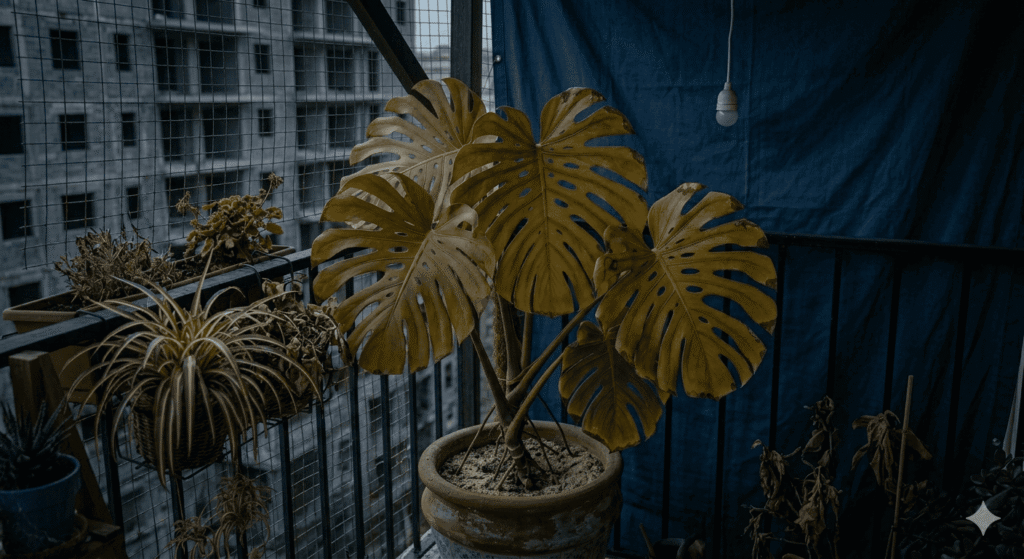
Beyond the classics above, several plants deserve a place on every shaded patio purely for their architectural drama:
- Heuchera (Coral Bells): Comes in burgundy, caramel, lime, and silver. Thrives in partial shade and produces delicate flower spikes in summer.
- Japanese Forest Grass (Hakonechloa macra): A graceful, cascading grass that glows gold in filtered light — spectacular in elevated containers.
- Elephant Ear (Colocasia / Alocasia): Enormous tropical leaves create a bold focal point. Needs warmth and moisture; ideal for partially shaded summer balconies.
- Ivy (Hedera helix): A reliable trailer for hanging baskets and window boxes. Tolerates deep shade, though variegated forms prefer brighter spots.
- Sweet Potato Vine (Ipomoea batatas): Vigorous trailing foliage in chartreuse, purple, or bronze. Handles partial shade well and adds movement to container arrangements.
How to Choose the Right Low-Light Container Plants
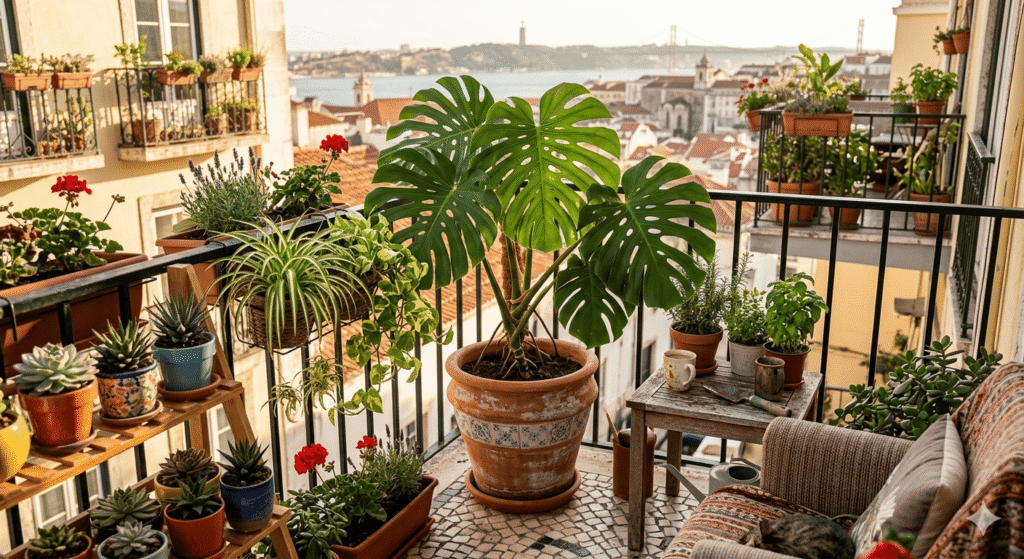
Choosing plants for shade isn’t just about the plant itself — it’s about matching the plant to your container size, drainage, humidity, and watering habits. Here’s a simple decision framework:
- Measure your light first. Spend one day tracking sunlight across your space. Full shade plants placed in partial shade will often perform better than expected, but the reverse is rarely true.
- Choose container size proportional to root depth. Hostas and ferns need deep pots (at least 30cm). Impatiens and begonias perform well in shallower window boxes.
- Prioritise drainage. Shade conditions mean slower evaporation — overwatering is the #1 killer of shaded balcony plants. Always use pots with drainage holes and a gritty compost mix.
- Group plants by water needs. Caladiums and ferns are moisture-lovers; pairing them with hostas makes irrigation simple. Avoid mixing drought-tolerant and moisture-hungry plants in the same container.
- Feed regularly but lightly. Shade plants grow more slowly and need less fertiliser. A balanced liquid feed at half-strength every 3–4 weeks through the growing season is sufficient.
Shade Plant Quick-Reference: Light, Care & Container Suitability
| Plant | Light Required | Watering | Container? | Bloom Season |
| Hostas | Full–Part shade | Moderate–High | Yes | Summer (foliage) |
| Impatiens | Part shade | Moderate | Yes | Spring–Frost |
| Ferns | Full–Part shade | High | Yes | Foliage only |
| Caladiums | Part shade | High | Yes | Foliage only |
| Astilbe | Part shade | High | Yes | Early–Mid Summer |
| Begonias | Part–Full shade | Moderate | Yes | Spring–Frost |
| Heuchera | Part shade | Low–Moderate | Yes | Late Spring |
| Japanese Forest Grass | Part shade | Moderate | Yes | Foliage only |
Designing a Shaded Balcony Container Display
The most visually successful shaded balcony gardens use the classic “thriller, filler, spiller” design formula adapted for low-light conditions:
- Thriller (Focal Point): Elephant ear, large-leafed hosta, or a tall fern variety. Place at the back or centre.
- Filler (Body): Begonias, impatiens, caladiums, or heuchera to provide colour and mid-height interest.
- Spiller (Trailing): Ivy, sweet potato vine, or creeping Jenny (Lysimachia nummularia) to cascade over pot edges and soften hard lines.
Repeat this combination across multiple pots and window boxes using a consistent colour palette — cool whites and greens for a serene mood, or hot pinks and purples for drama — and you’ll create a cohesive, professionally styled outdoor space.
| Pro Tip: Boost Humidity on Dry BalconiesMany shade-loving plants (ferns, caladiums, begonias) originate in humid forest environments. On exposed balconies, group pots closely together to trap moisture, place trays of wet pebbles beneath containers, and mist foliage on hot, dry days. Even a small solar-powered misting system can transform plant health dramatically. |
Common Mistakes When Growing Shade Plants on a Balcony
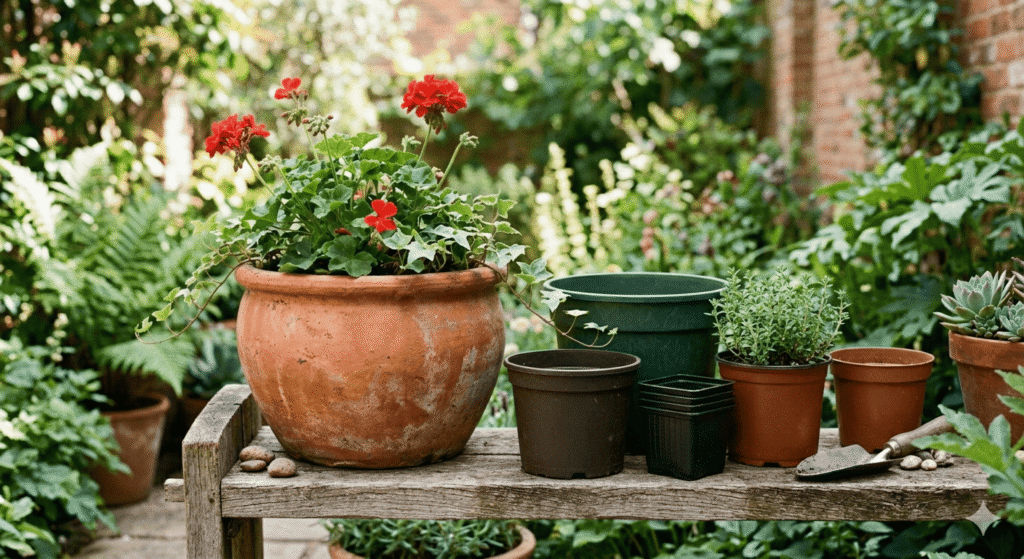
Even experienced gardeners make these errors with outdoor low-light container plants. Avoiding them can mean the difference between a thriving display and a struggling, leggy one.
- Overwatering in shaded pots: Without sun to dry out the soil, water lingers far longer. Always check soil moisture 3–4cm deep before watering again.
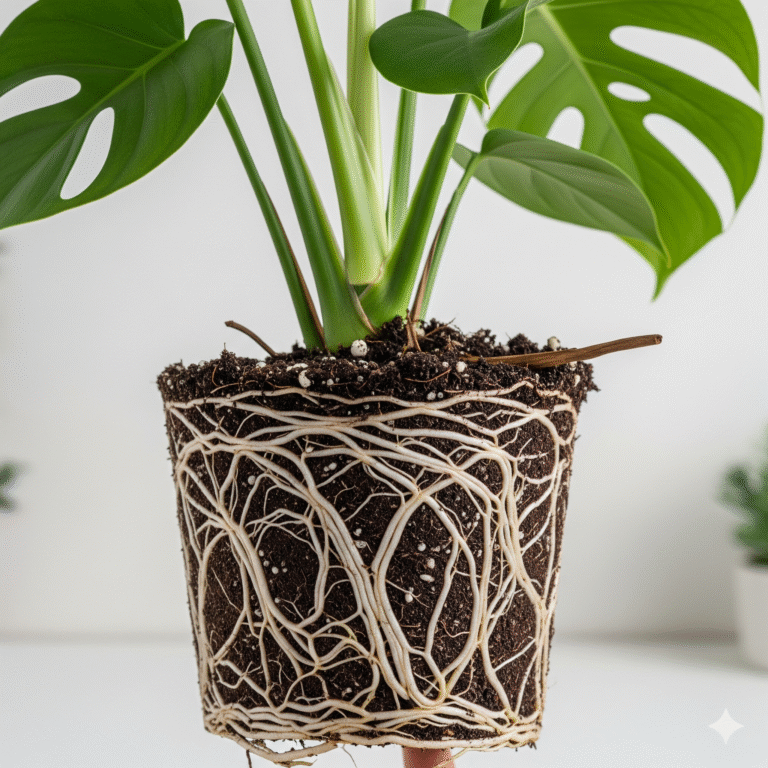
- Using pots without drainage holes: Stagnant water at the root zone causes root rot in virtually every plant on this list within weeks.
- Confusing ‘shade tolerant’ with ‘shade requiring’: Many plants labelled shade-tolerant still prefer some morning sun. Always check individual species requirements.
- Skipping feeding: Container plants exhaust nutrients in potting compost quickly. Regular feeding is non-negotiable in pots.
- Ignoring wind: High balconies are often windier than ground-level gardens. Wind desiccates foliage rapidly. Use windbreak screens or cluster heavy pots as a buffer.
- Choosing only foliage plants: Mixing at least one flowering variety (impatiens, astilbe, begonias) adds seasonal rhythm and colour that foliage alone can’t provide.
Seasonal Considerations for Low-Maintenance Shade Plants
One underappreciated aspect of shaded patio gardening is managing the seasonal transitions. Unlike sun-drenched gardens that peak in summer, shaded spaces can look beautiful across three seasons with thoughtful planning.
- Spring: Start with hellebores (Lenten roses), which bloom as early as February–March in mild climates, and add pulmonaria for speckled foliage interest. Transition to summer annuals like impatiens once frost risk passes.
- Summer: This is the prime season for caladiums, ferns, begonias, and hostas. Focus on maximising lush growth through consistent watering and monthly feeding.
- Autumn: Swap tender caladiums for hardy heucheras and Japanese forest grass, which often turn brilliant gold in cooler temperatures. Ornamental kale and pansies extend colour into November.
- Winter: In mild climates, evergreen ferns, ivy, and hardy heucheras hold the space together. In colder regions, consider structural interest with Sarcococca (sweet box), which flowers fragrantly in deep shade through winter.