Terracotta Pots vs Plastic Pots: Which Is Best for Your Plants?
If you have spent any time browsing a garden center, you have probably stood in the pot aisle wondering the same thing most gardeners do: should I go with terracotta pots or plastic pots? It seems like a simple question, but the truth is that the answer actually depends on a few important factors, including the type of plant you are growing, your watering habits, your climate, and your budget.
In this article, we are going to break down the key differences between terracotta pots vs plastic pots, look at the pros and cons of each, and help you figure out which one is the right choice for your specific plants and growing conditions. Whether you are a beginner just starting out or a seasoned plant parent looking to fine-tune your setup, this guide has you covered.
Best Watering Cans for Indoor Plants (Small and Large)
Understanding the Basics: What Are Terracotta and Plastic Pots?
Before we dive into the comparison, it helps to understand what each pot type is made of and why that matters for your plants.
Terracotta Pots
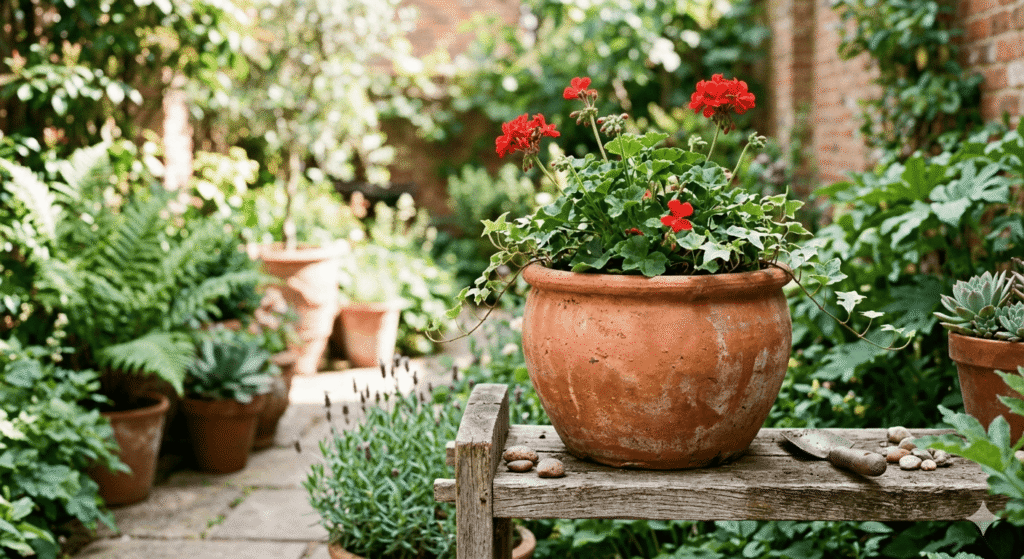
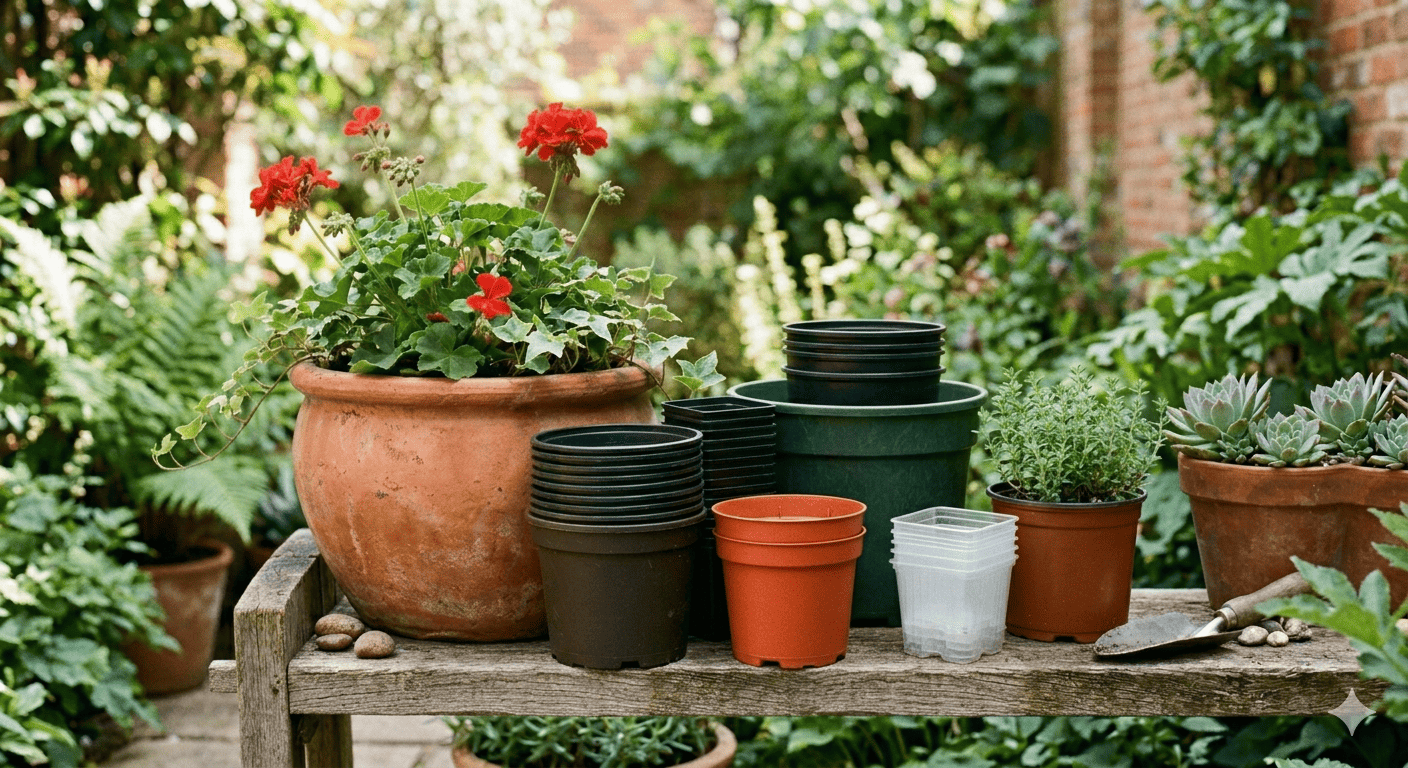
Terracotta is a type of fired clay that has been used in gardening for centuries. The word itself is Italian for “baked earth,” and that is exactly what it is. These pots are naturally porous, which means air and water can move through the walls of the pot. This breathability is one of the biggest benefits of terracotta pots, especially for plants that prefer drier soil conditions.
How to Care for a Bird of Paradise Plant Indoors
Plastic Pots
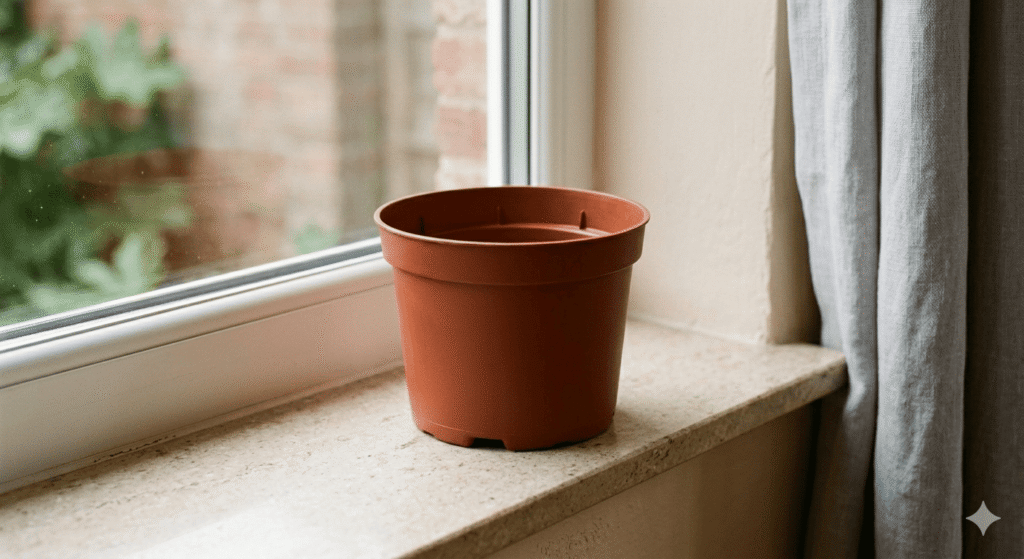
Plastic pots, on the other hand, are made from synthetic materials like polypropylene or polyethylene. They are non-porous, which means moisture stays in the soil much longer. Plastic pots for plants come in a huge range of sizes, colors, and shapes, and they are typically much lighter and more affordable than their clay counterparts.
Can Succulents Survive In An Air Conditioned Room?
Drainage and Moisture Retention: A Key Difference
One of the most important factors when choosing between clay pots vs plastic pots is how each material handles water. Get this wrong, and your plants will suffer.
Terracotta pots dry out faster than plastic pots because moisture evaporates through the porous walls. This is actually a great feature for plants like succulents, cacti, lavender, and other drought-tolerant species that need well-drained soil. If you are someone who tends to overwater your plants, terracotta is your best friend because the pot itself helps correct that habit.
Plastic pots retain moisture much longer, making them ideal for plants that love consistently moist soil, like ferns, peace lilies, and most tropical houseplants. If you live in a hot, dry climate or simply forget to water regularly, plastic pots can actually save your plants by holding onto that moisture between waterings.
Weight, Durability, and Cost: Which Pot Makes More Sense?
Weight and Portability
This one is not even close. Plastic pots win hands down when it comes to weight. If you are growing plants on a balcony, rooftop garden, or anywhere where structural load matters, plastic pots are the clear choice. They are also much easier to move around when you need to rearrange your space or bring plants indoors during cold months. Terracotta pots, especially larger ones, can be incredibly heavy and are prone to cracking if dropped.
Durability
Plastic pots are generally more durable in a practical sense. They will not crack from a fall or freeze in cold weather. Terracotta, while sturdy under normal conditions, can crack when water inside the pot freezes and expands during winter. That said, high-quality terracotta pots can last for decades if cared for properly and brought indoors during freezing temperatures.
Cost
Plastic pots are almost always cheaper than terracotta, sometimes by a significant margin. If you are on a budget or need to pot a large number of plants at once, plastic is the more economical option. Terracotta pots cost more upfront, but many gardeners feel the aesthetic and functional benefits justify the price, especially for display plants.
Best Potting Mix for Indoor Plants
Best Plants for Terracotta Pots vs Plastic Pots
Choosing the right pot type can genuinely make a difference in how well your plants grow. Here is a quick breakdown:
Best plants for terracotta pots:
- Succulents and cacti (need fast-draining soil)
- Mediterranean herbs like rosemary, thyme, and sage
- Lavender and other drought-tolerant plants
- Tomatoes and peppers (benefit from good aeration around roots)
- Orchids (especially when airflow to roots matters)
Best plants for plastic pots:
- Ferns, calatheas, and moisture-loving tropicals
- Peace lilies and anthuriums
- Vegetables that need consistent watering
- Seedlings and young plants (easier to control moisture)
- Plants in hot, dry climates where evaporation is a concern
Aesthetics and Environmental Impact
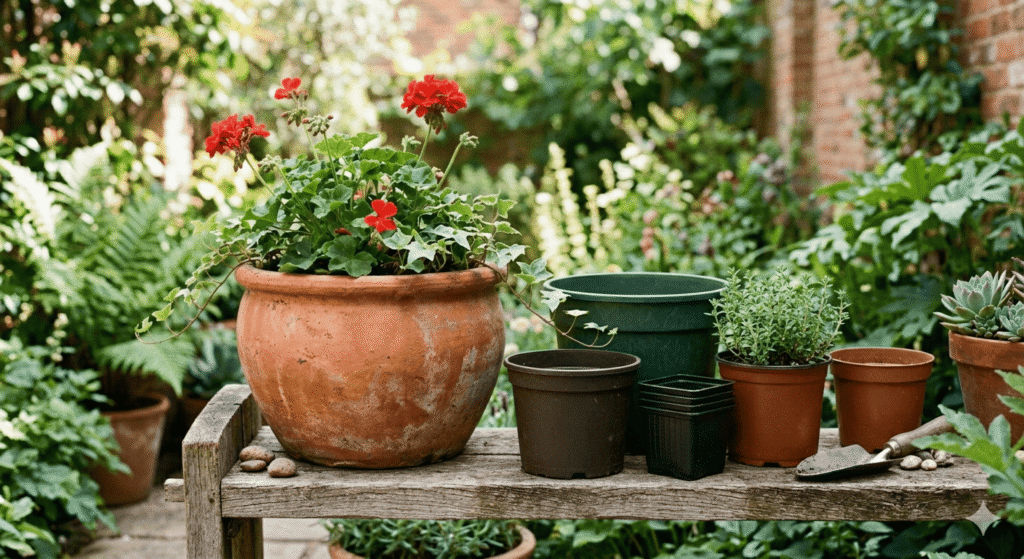
Let us be honest: terracotta pots just look beautiful. Their warm, earthy tones complement almost any plant and any interior style, from boho to minimalist. Many gardeners choose terracotta simply for the aesthetic, and that is a completely valid reason.
From an environmental standpoint, terracotta wins here too. Clay is a natural material that is biodegradable and non-toxic. Plastic pots, while reusable for many years, are made from petroleum-based materials and can take hundreds of years to break down in landfill. If sustainability matters to you, terracotta is the more eco-friendly option. You can also find recycled plastic pots as a middle-ground solution.
How To Aerate The Soil In A Potted Plant
So, Which Is Better: Terracotta or Plastic?
The honest answer is that neither pot type is universally better. The best choice depends entirely on your specific situation. When it comes to terracotta pots vs plastic pots, here is a simple rule of thumb:
- Choose terracotta if you have drought-tolerant plants, tend to overwater, or want a more natural and attractive look.
- Choose plastic if you grow moisture-loving plants, need something lightweight, work within a tighter budget, or live in a climate where pots may freeze.
- Use both if you have a variety of plants with different needs, which most gardeners do.
Many experienced gardeners actually use both types of plant pots depending on what each individual plant needs. Mixing and matching pot materials based on the plant is a perfectly smart strategy.
Frequently Asked Questions
Are terracotta pots better than plastic pots for succulents?
Yes, terracotta pots are generally better for succulents. Because they are porous, terracotta allows moisture to evaporate through the walls, which helps prevent the soggy soil conditions that succulents are particularly sensitive to. Plastic pots retain too much moisture for most succulents and can easily lead to root rot.
Do terracotta pots dry out faster than plastic pots?
Yes, they do. The porous nature of clay allows water to evaporate through the sides of the pot, not just from the top of the soil. This means plants in terracotta pots typically need to be watered more frequently than those in plastic pots, especially during warm or dry weather.
Can I use plastic pots for outdoor plants?
Absolutely. Plastic pots for plants work well outdoors, particularly for moisture-loving plants or in hotter climates where terracotta might dry out too quickly. Just be aware that some cheaper plastic pots can become brittle over time when exposed to constant UV sunlight, so look for UV-resistant options if you plan to use them outdoors long-term.
Which pots are better for tomatoes: terracotta or plastic?
Both can work for tomatoes, but they each come with trade-offs. Terracotta pots for tomatoes provide excellent aeration to the root zone, which promotes healthy root development. However, they dry out quickly and will require more frequent watering during hot summer days. Plastic pots retain moisture better and are lighter to move, which is helpful if you need to reposition plants to follow sunlight.
Are plastic pots bad for plant roots?
Plastic pots are not inherently bad for plant roots. The main concern is that plastic does not breathe, so if you overwater a plant in a plastic pot, the roots can sit in soggy soil for too long and develop root rot. As long as the pot has drainage holes and you water appropriately, plastic pots are a perfectly healthy option for the majority of plants.