How to Care for a String of Pearls Plant
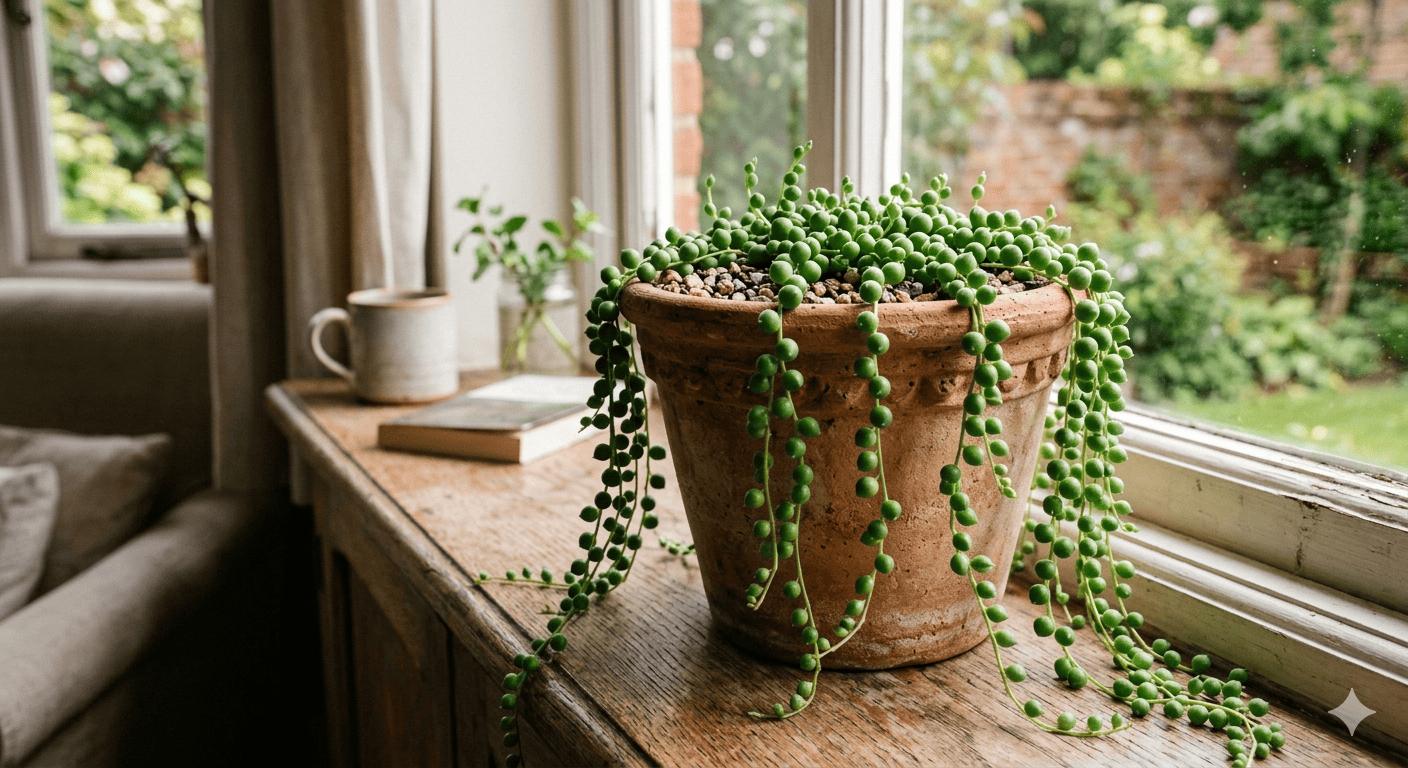
If you have ever seen a plant with long, cascading strands of tiny round leaves that look just like a beaded necklace, you have probably fallen in love with it instantly. String of pearls plant care might seem intimidating at first glance, but once you understand what this unique succulent needs, it is actually one of the more rewarding plants you can grow indoors.
In this guide, you will learn everything you need to know, from the right amount of sunlight and water to the best soil mix, common problems, propagation tips, and how to keep your plant looking full and lush throughout the year.
How to Grow Lavender in Pots: A Complete Step-by-Step Guide
What Is a String of Pearls Plant?
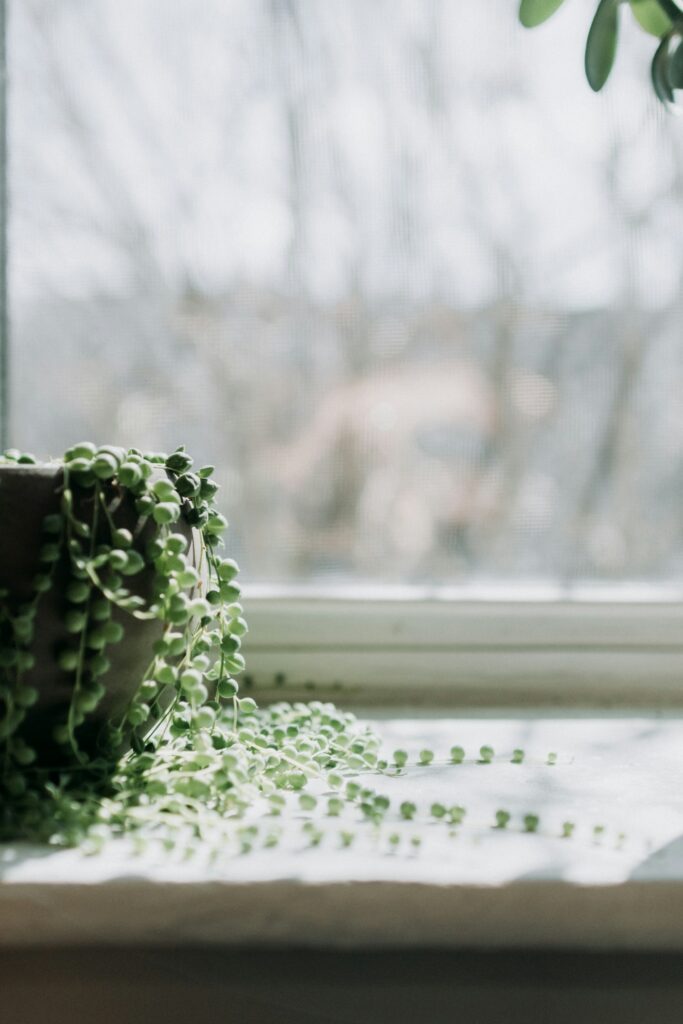
The string of pearls (Senecio rowleyanus) is a trailing succulent native to the dry regions of southwest Africa. It belongs to the Asteraceae family and is known for its distinctive bead-like leaves, which store water much like a cactus does. The plant typically grows in hanging baskets or on elevated shelves where its long vines can drape freely downward, sometimes reaching lengths of up to three feet.
What makes this succulent particularly fascinating is its adaptation to survive drought. Those plump, spherical leaves minimize the surface area exposed to the sun, reducing water loss significantly. When cared for properly, a healthy plant can even produce small, white, daisy-like flowers with a faint cinnamon scent in late summer or early spring.
Can English Ivy Grow in Water? (Complete Guide)
String of Pearls Sunlight Requirements
Getting the light right is one of the most important parts of caring for this succulent. The string of pearls thrives in bright, indirect light. Indoors, a spot near a south or east-facing window is usually ideal. The plant enjoys about six hours of bright light per day, but direct afternoon sun can scorch the leaves and cause them to shrivel or turn brown.
If you notice your plant stretching out with longer gaps between the pearls, it is likely not getting enough light. This is called etiolation and it means the plant is reaching for more sun. Move it to a brighter location and the growth should normalize over time. A grow light can also work well in rooms without good natural light.
How to Water a String of Pearls Succulent
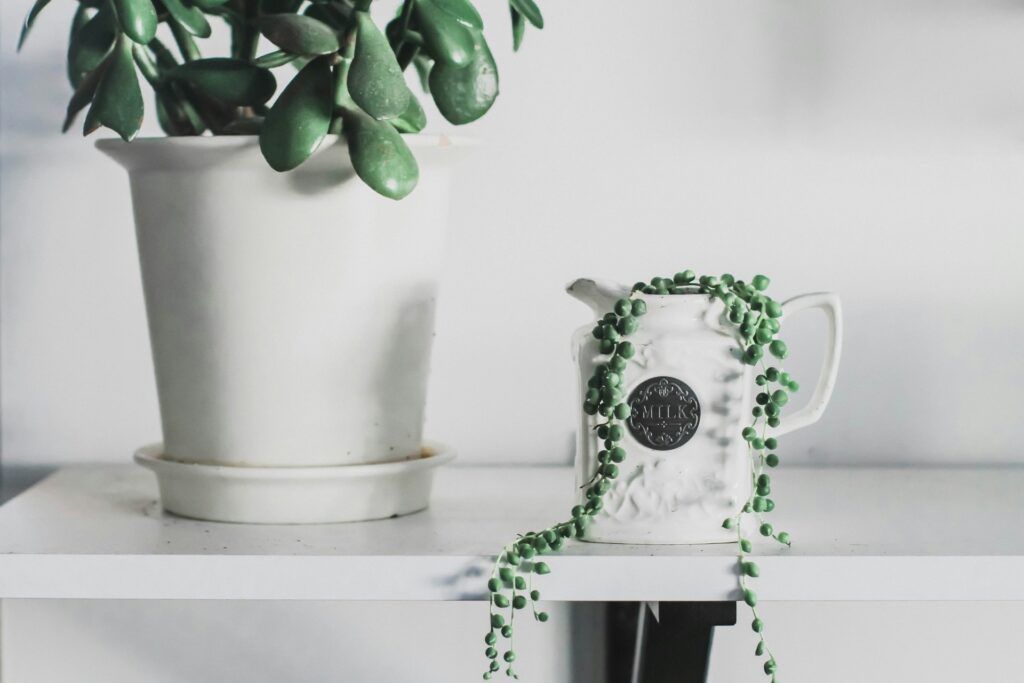
Watering is where most people go wrong with this plant, and overwatering is by far the number one killer. Because the pearls store water, the plant does not need frequent watering. A good rule of thumb is to water deeply but infrequently, allowing the soil to dry out completely between waterings.
How Often Should You Water a String of Pearls?
During the active growing season (spring and summer), watering once every one to two weeks is usually sufficient. In fall and winter, when the plant slows down, you can reduce watering to once a month or even less. Always check the soil before watering by sticking your finger about an inch into the soil. If it still feels slightly damp, wait a few more days.
When you do water, water slowly and thoroughly until you see water running out of the drainage holes. Then let the pot drain completely. Never let your string of pearls sit in standing water, as this leads to root rot very quickly.
What Plants to Avoid Using Neem Oil On
Best Soil for String of Pearls Plant Care
This plant needs fast-draining soil to prevent root rot. A standard succulent or cactus potting mix works well, but you can make it even better by adding perlite or coarse sand to improve drainage. A ratio of roughly 75% succulent mix and 25% perlite tends to work beautifully.
When it comes to pot choice, always use a container with drainage holes. Terracotta pots are a great option because they are porous and help the soil dry out faster, which suits this drought-tolerant plant perfectly. Avoid deep pots since the roots are shallow and a lot of extra soil beneath them can retain too much moisture.
The Best Houseplant Soil Mix (And How to Make Your Own)
Temperature, Humidity, and Fertilizing
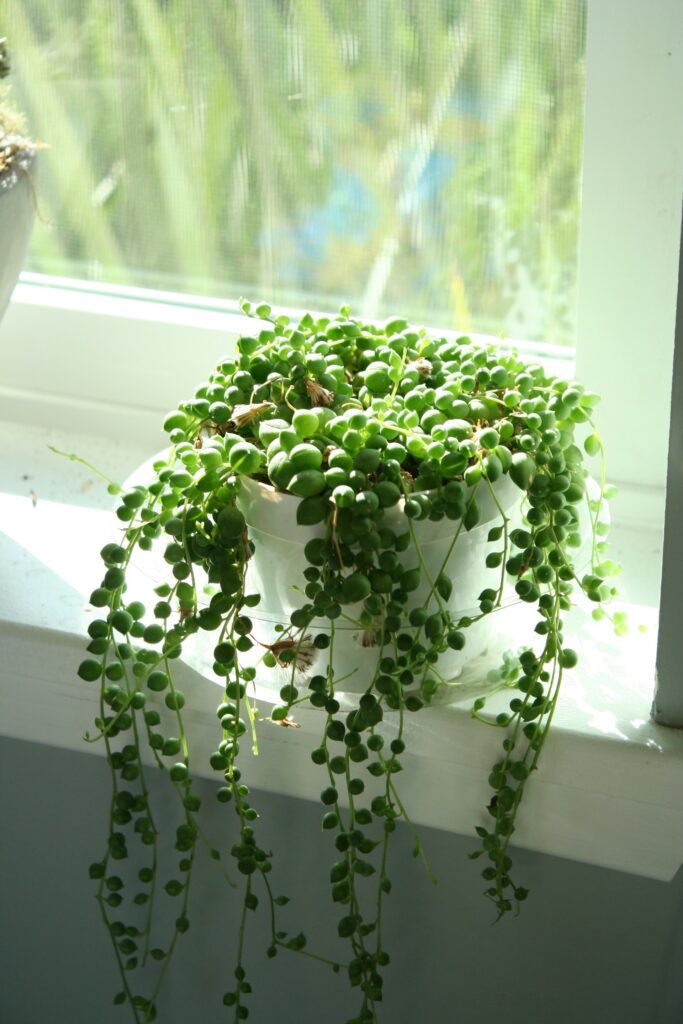
The string of pearls succulent prefers temperatures between 70 and 80 degrees Fahrenheit (21 to 27 degrees Celsius) during the growing season. It is not frost-hardy, so if you live in a colder climate, keep it indoors during winter. Avoid placing it near cold drafts, air conditioning vents, or heating units.
As far as humidity goes, this plant is not picky. It does well in average household humidity and actually prefers drier air over high humidity. Fertilizing is optional but can encourage faster growth. Use a diluted, balanced liquid fertilizer once a month during spring and summer. Skip fertilizing entirely in fall and winter when the plant is resting.
7 Common Repotting Mistakes You Must Avoid for Healthy Plants
How to Propagate a String of Pearls Plant
The great news is that this plant is very easy to propagate, which means you can grow new plants from cuttings for free. The most common method is stem cuttings. Here is how to do it step by step:
- Cut a healthy strand about 4 to 5 inches long using clean scissors.
- Remove the pearls from the bottom inch of the cutting to expose the bare stem.
- Let the cutting dry for a few hours to allow the cut end to callous over slightly.
- Plant the bare stem into moist succulent soil, pressing it gently into the surface.
- Place the cutting in bright indirect light and mist lightly every few days.
- Roots should develop within two to three weeks.
You can also propagate in water by placing the stem in a small glass, keeping just the bare end submerged. Change the water every few days. Once the roots are about half an inch long, you can transplant into soil.
Best Gardening Tools For Succulents Care
Common String of Pearls Problems and How to Fix Them
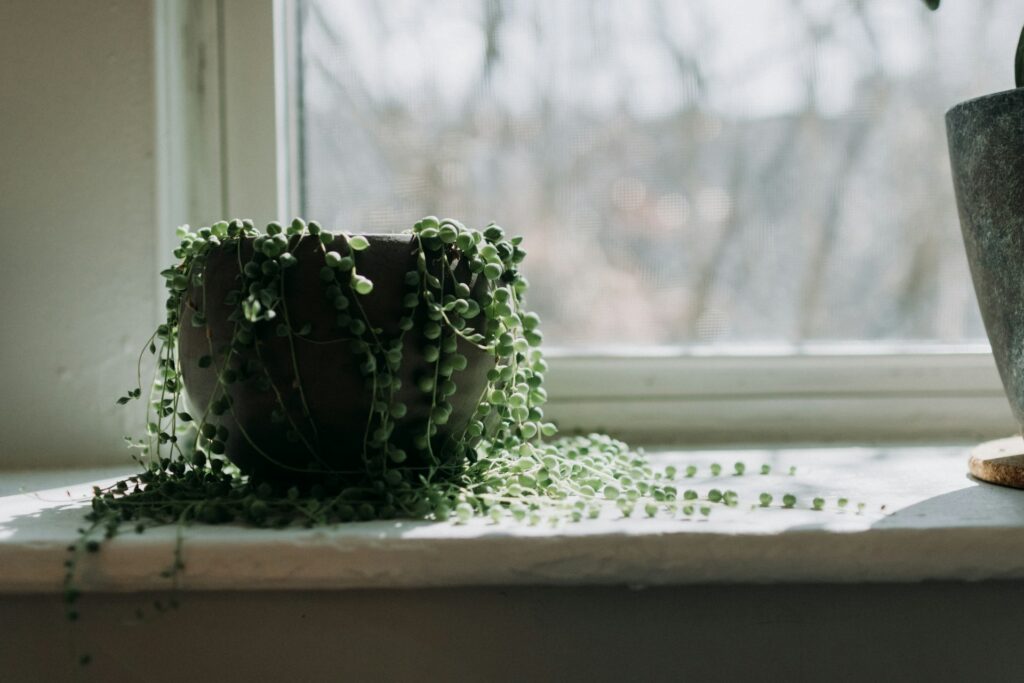
Shriveling or Wrinkled Pearls
If the pearls look flat or wrinkled, the plant is thirsty and needs water. Give it a good soak and it should plump back up within a day or two. This is the plant’s way of telling you it is underwatered.
Yellowing or Mushy Pearls
Yellow, mushy, or translucent pearls are a sign of overwatering or root rot. If this happens, remove the plant from its pot, trim away any black or mushy roots, let it dry out for a day, and repot in fresh dry soil. Going forward, reduce how often you water and ensure the pot has good drainage.
Pests
This plant can occasionally attract mealybugs or aphids. Check the stems and leaves regularly. If you spot white cottony clusters or tiny insects, wipe them off with a cotton swab dipped in rubbing alcohol, or spray the plant with neem oil diluted in water.
String of Pearls Care in Winter
Winter is the plant’s natural rest period, so scale back on care significantly. Cut back watering to once a month, stop fertilizing completely, and make sure the plant stays in a spot that gets as much light as possible since days are shorter. Keep it away from frosty windows. If the plant looks a little leggy heading into winter, that is normal and it will bounce back with fresh growth when spring arrives.
How To Propagate Succulents From Leaves And Stem Cuttings.
Frequently Asked Questions
How often should I water my string of pearls plant?
During spring and summer, water once every one to two weeks, allowing the soil to dry out completely between waterings. In fall and winter, reduce watering to once a month or less. Always check the soil moisture before watering to avoid overwatering.
Why is my string of pearls shriveling up?
Shriveling or wrinkled pearls are usually a sign of underwatering. Give the plant a thorough watering and it should recover within a couple of days. However, overwatering can also cause pearls to look mushy or yellow, so make sure to check the soil before adding more water.
Can a string of pearls grow in low light?
This succulent needs bright, indirect light to thrive. It will survive in lower light conditions, but growth will slow down significantly and the strands may become thin and leggy. If natural light is limited, consider using a grow light for at least six hours a day.
Is the string of pearls plant toxic to pets?
Yes, the string of pearls plant is considered mildly toxic to both cats and dogs. If ingested, it can cause symptoms like vomiting, drooling, and lethargy. Keep the plant out of reach of pets and seek veterinary advice if you suspect your pet has eaten any part of it.
How do I make my string of pearls grow faster and fuller?
To encourage faster, fuller growth, provide bright indirect light, fertilize monthly during the growing season with a diluted balanced fertilizer, and ensure consistent but careful watering. Laying some of the vines on top of the soil can also encourage new roots and make the plant look denser at the base.