How to Get Rid of Aphids on Plants Naturally
You step outside to check on your garden, and something just looks off. The leaves are curling, there is a sticky residue on the stems, and when you look closely, you spot them: tiny, pear-shaped insects clustered together like they own the place. Aphids. If you have ever dealt with these frustrating little pests, you know how quickly they can take over and wreak havoc on an otherwise thriving garden.
The good news? You do not need harsh pesticides to win this battle. Learning how to get rid of aphids naturally is not only effective but also safer for your plants, your family, and beneficial insects like bees and ladybugs. In this guide, we will walk you through the best natural aphid control methods, from simple home remedies to long-term prevention strategies.
What Are Aphids and Why Are They a Problem?
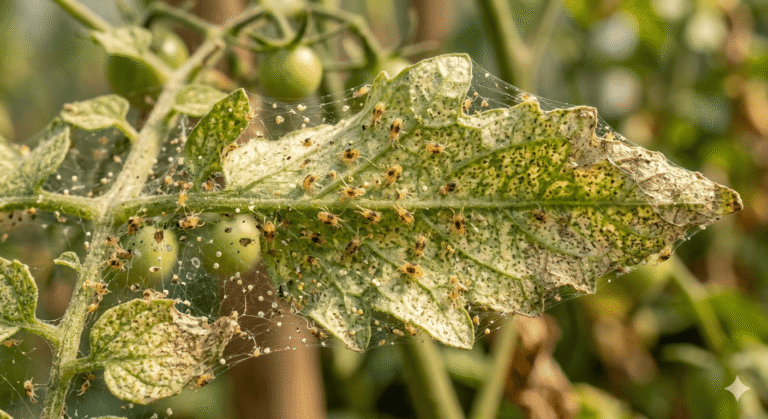
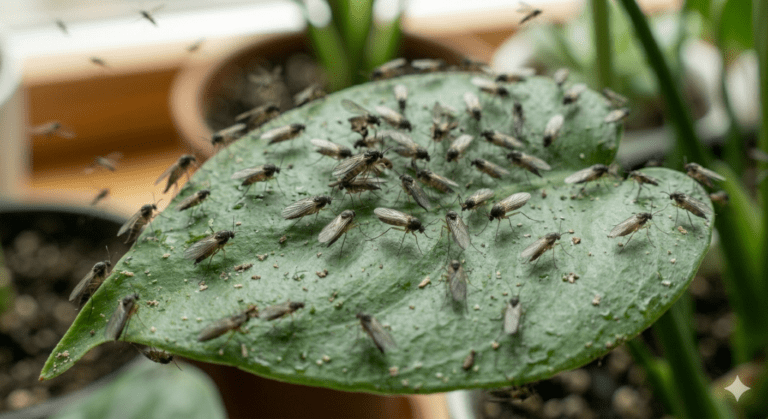
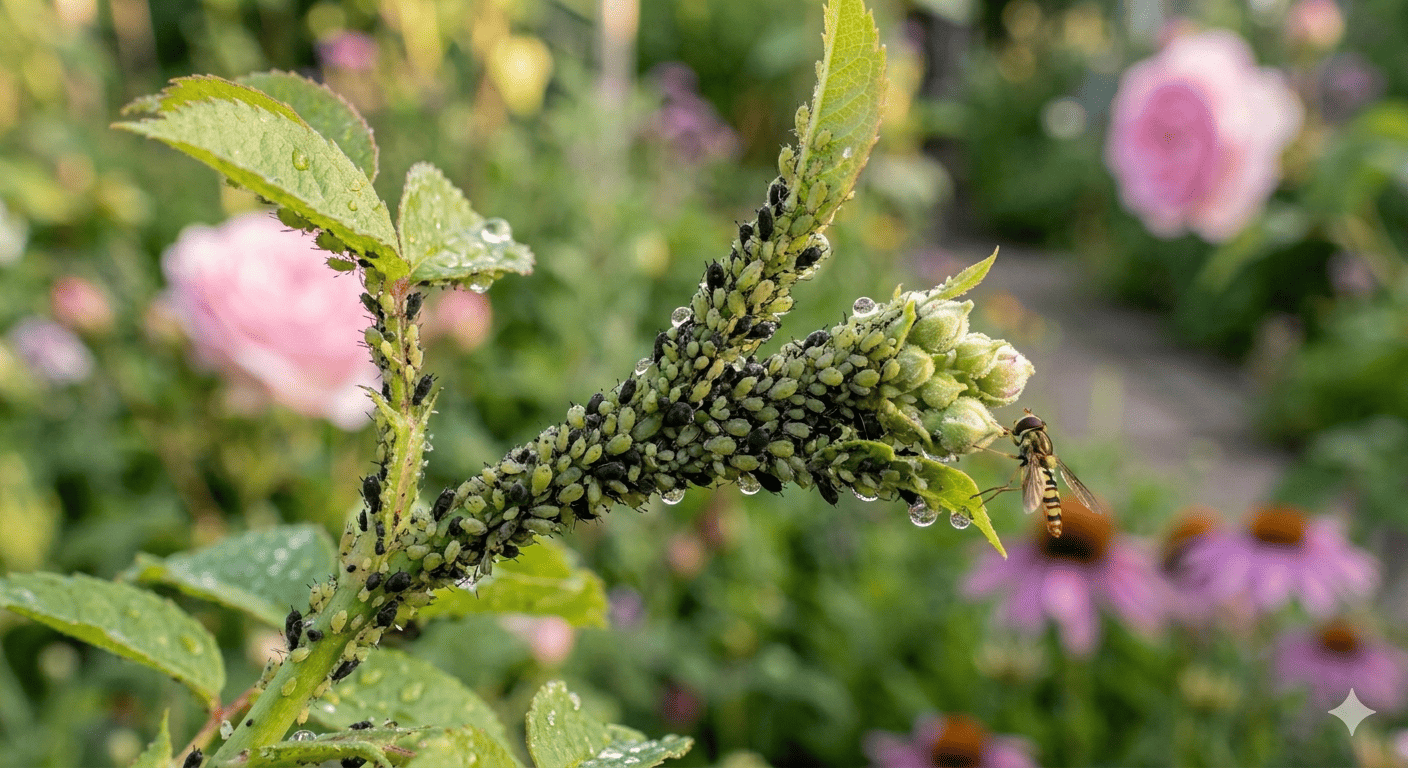
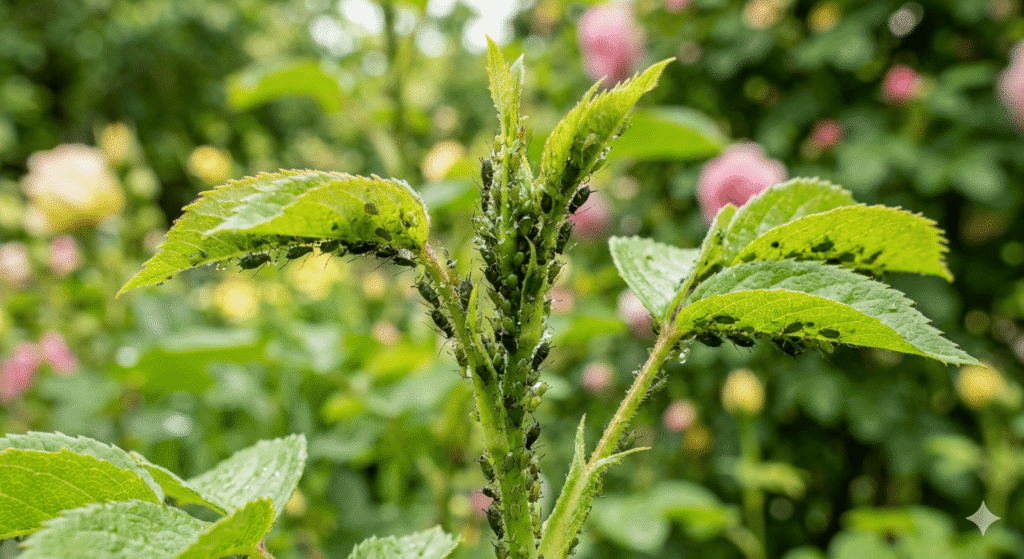
Aphids are tiny soft-bodied insects that feed on the sap of plants. They come in several colors including green, black, yellow, white, and even pink, depending on the species. You will most commonly find them on the undersides of leaves, along new growth, and clustered around flower buds.
A small aphid population can be managed easily, but these pests reproduce incredibly fast. A single female can produce dozens of offspring in just a few days without even needing to mate. Left unchecked, an aphid infestation on plants can stunt growth, cause yellowing leaves, and even kill young or vulnerable plants. They also secrete a sticky substance called honeydew, which promotes the growth of sooty mold and attracts other pests.
How to Get Rid of Aphids Naturally: 7 Proven Methods
1. Blast Them Off With Water
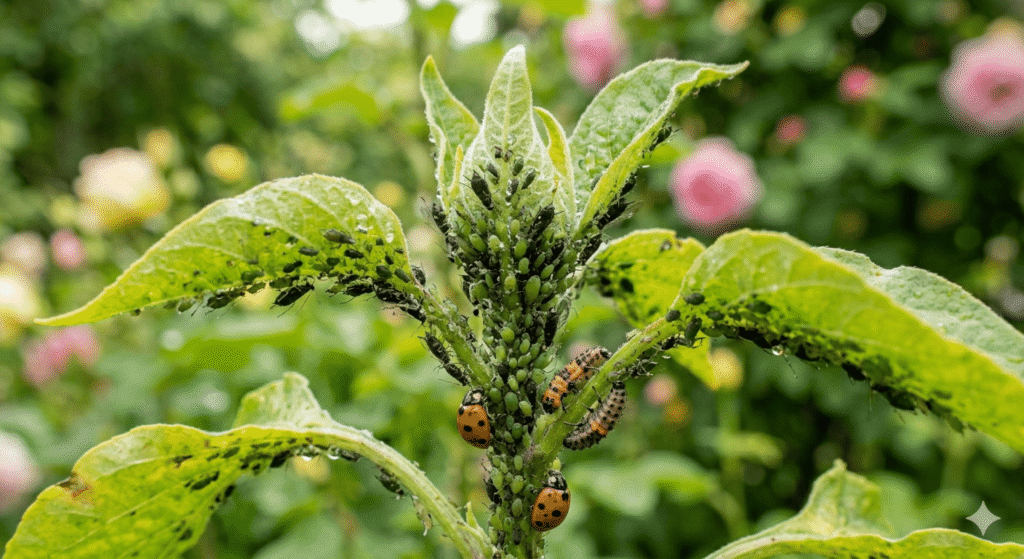
One of the simplest ways to remove aphids from plants is a strong stream of water. Use a garden hose with a spray nozzle to knock the insects off the stems and leaves. Focus on the undersides of leaves where they tend to hide. Repeat this every few days since aphids can crawl back onto plants.
This method works best for mild to moderate infestations and is completely chemical-free, making it safe for all types of plants including your vegetable garden.
2. Make a Homemade Dish Soap Aphid Spray
A homemade aphid spray made with dish soap is one of the most popular and effective organic aphid treatments. The soap breaks down the protective coating on aphids, causing them to dehydrate and die.
How to make it:
- Mix 1 to 2 teaspoons of pure liquid dish soap with 1 quart of water
- Pour into a spray bottle and shake gently
- Spray directly on affected areas, coating both sides of the leaves
- Apply in the morning or evening to avoid leaf burn
Avoid using heavily scented or antibacterial soaps, as these can harm your plants. Test a small area first if you are treating a delicate plant.
How to Get Rid of Poison Ivy Plants Safely
3. Use Neem Oil for Long-Lasting Aphid Control
Neem oil is one of the most powerful natural tools available for controlling aphids. It contains a compound called azadirachtin, which disrupts the life cycle of aphids and many other insects by interfering with their ability to feed and reproduce.
To use neem oil for aphids, mix 2 teaspoons of neem oil with 1 teaspoon of dish soap and 1 quart of warm water. Spray the solution thoroughly on all plant surfaces. Unlike some other treatments, neem oil continues to work even after it dries, offering residual protection. It is safe for most plants and breaks down naturally without leaving harmful residues.
What Plants to Avoid Using Neem Oil On
4. Attract Natural Predators to Your Garden
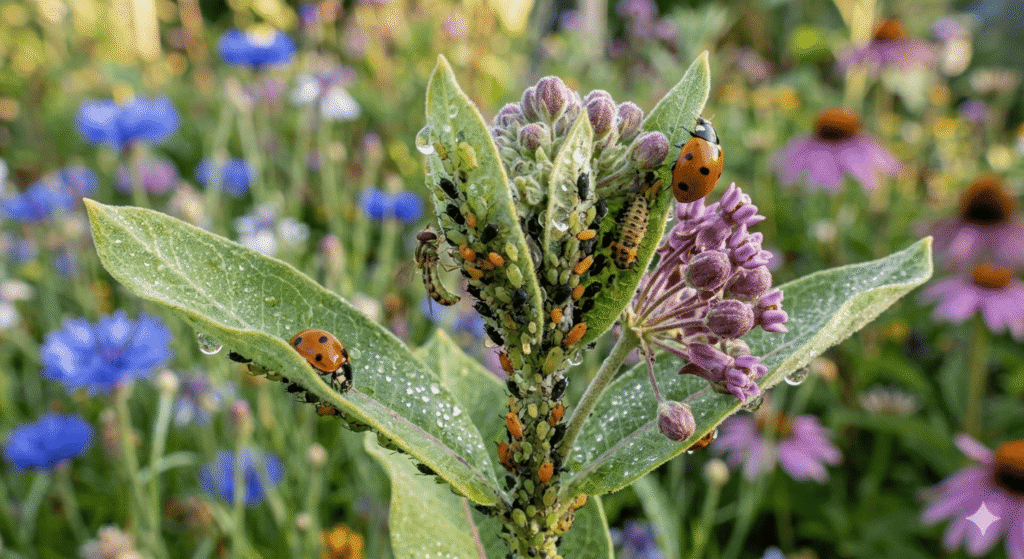
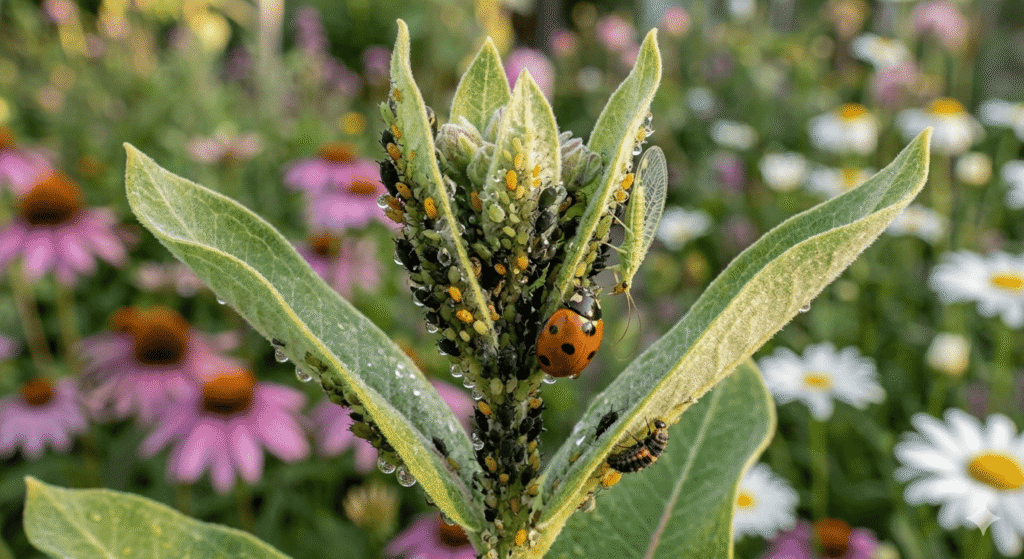
Nature has its own pest control system. Ladybugs, lacewings, parasitic wasps, and hoverflies are all natural predators that feed on aphids. A single ladybug can eat up to 50 aphids a day, making them one of the best biological controls available.
To attract these beneficial insects to your garden, plant flowers like marigolds, dill, fennel, and yarrow nearby. You can also purchase live ladybugs from gardening stores and release them in the evening when they are less likely to fly away.
5. Try Companion Planting for Aphid Prevention
Companion planting for aphids is a smart, proactive approach to keeping these pests away in the first place. Certain plants naturally repel aphids or confuse them with their scent.
Plants that repel aphids:
- Garlic and onions: Their strong scent deters aphids
- Catnip: Highly effective at repelling many soft-bodied insects
- Marigolds: Repel aphids while attracting helpful predators
- Nasturtiums: Work as a trap crop, drawing aphids away from other plants
6. Does Vinegar Kill Aphids on Plants?
Yes, vinegar can kill aphids, but it needs to be used carefully. Undiluted vinegar is too acidic and will damage or kill most plants. However, a diluted apple cider vinegar solution can work as a gentle aphid repellent.
Mix 1 tablespoon of apple cider vinegar with 1 quart of water and a few drops of dish soap. Spray directly on aphid colonies, avoiding sensitive new growth. Use sparingly and not as your primary treatment method.
How To Care For Basil Plant Indoors
7. Apply Diatomaceous Earth Around Your Plants
Food-grade diatomaceous earth is a natural, powdery substance made from fossilized algae. When aphids and other soft-bodied insects come into contact with it, the tiny sharp particles damage their exoskeleton and cause them to dry out.
Dust it lightly around the base of your plants and on the leaves where aphids are present. Reapply after rain or watering. This method is best used outdoors and is not ideal for humid or wet climates.
How To Care For ZZ Plant Indoors
How to Prevent Aphids From Coming Back
Getting rid of aphids is only half the battle. Preventing them from returning is just as important. Here are a few habits that will help keep your plants aphid-free:
- Inspect new plants before bringing them into your garden
- Avoid over-fertilizing with nitrogen, as lush new growth attracts aphids
- Remove weeds around your garden that may harbor aphid colonies
- Use reflective mulch to confuse and deter aphids
- Check your plants weekly during spring and summer when aphids are most active
Frequently Asked Questions
What is the fastest way to get rid of aphids naturally?
The fastest method is a combination of knocking aphids off with a water spray and immediately following up with a neem oil or dish soap spray. This one-two approach physically removes most of the colony and kills those that remain.
Can I get rid of aphids on indoor plants naturally?
Yes. For indoor plants, wiping leaves with a damp cloth or cotton ball dipped in diluted dish soap works well. You can also use neem oil spray indoors. Make sure to isolate affected plants to prevent the infestation from spreading to other houseplants.
How do I get rid of black aphids on plants naturally?
Black aphids, commonly found on broad beans and nasturtiums, respond well to the same treatments as other aphid species. Pinch off and discard heavily infested growing tips, then apply a neem oil or soapy water spray to remaining colonies.
How long does it take to get rid of aphids naturally?
With consistent treatment, most aphid infestations can be brought under control within 1 to 2 weeks. Natural methods may take a bit longer than chemical pesticides, but they are safer and more sustainable. The key is persistence and repeating treatments every 2 to 3 days.
Are aphids harmful to humans or pets?
Aphids do not bite or sting and are completely harmless to humans and pets. They are only a problem for plants. However, the natural remedies you use to treat them, like neem oil, should still be kept out of reach of pets and children.