How to Care for a Parlor Palm Indoors
Want a plant that looks lush, forgives mistakes, and actually enjoys the dim corners where other houseplants give up? Meet the parlor palm. Parlor palm care is much easier than most people expect, and this guide shows you exactly how to do it.
We will cover how much light your plant needs, how often to water it, the right soil and fertilizer, humidity, repotting, and growth. You will also learn how to fix brown tips, yellow leaves, and pests, whether the plant is safe for pets, and how to grow new ones.
Meet the Parlor Palm (Chamaedorea elegans)
The parlor palm, known botanically as Chamaedorea elegans, is a small palm native to the rainforests of southern Mexico and Guatemala. It became popular in Victorian homes because it handled dim, stuffy parlors, which is where the name comes from.
Indoors it usually grows two to four feet tall and produces soft, arching fronds. It is one of the best low light indoor plants around, which makes it a great starting point for indoor palm plant care. Once you picture a shady forest floor with steady moisture and gentle conditions, parlor palm indoor care starts to feel simple.
Parlor Palm Light Requirements
How Much Light Does a Parlor Palm Need?
Bright, indirect light gives the best growth. An east-facing window is perfect, or a spot a few feet back from a south or west window.
Can a Parlor Palm Survive in Low Light?
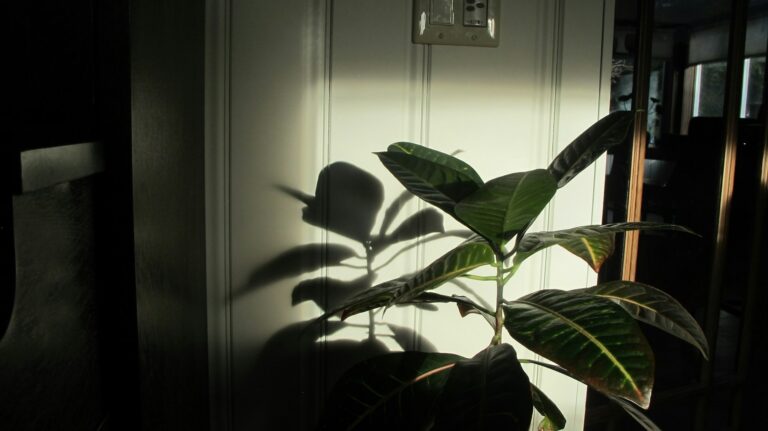
Yes, and that is its superpower. It tolerates shade and artificial light well, though growth slows and the fronds may thin out. If your palm looks leggy or pale, move it somewhere brighter.
Do Parlor Palms Need Direct Sunlight?
No. Direct sun scorches the leaves and leaves crispy, bleached patches. If strong afternoon rays hit the window, filter them with a sheer curtain.
Parlor Palm Watering: How Often to Water a Parlor Palm Indoors
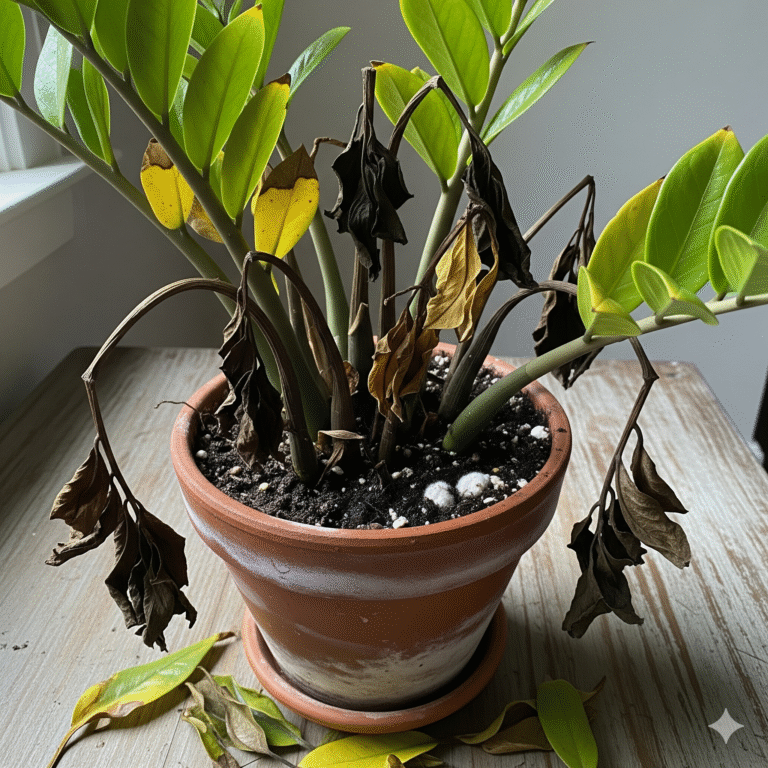
Overwatering is the most common way people lose this plant. Check the soil with your finger and water only when the top inch or two feels dry. That usually means every 7 to 10 days in spring and summer, and every two to three weeks in cooler months. Water slowly until it drains from the bottom, then empty the saucer so the roots never sit in a puddle.
How to Save an Overwatered Parlor Palm
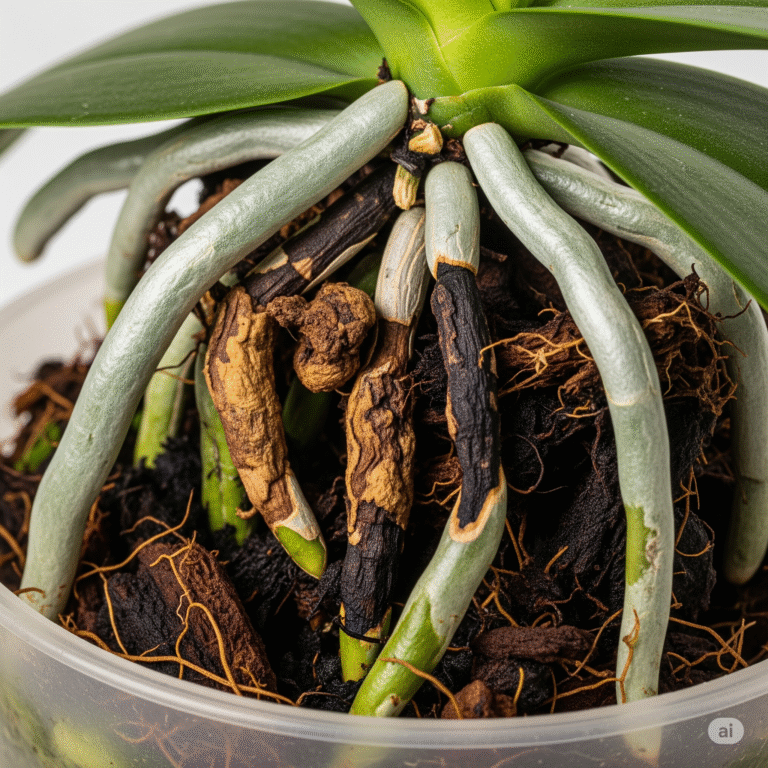
Yellowing fronds, mushy stems, and a musty smell are warning signs. Slide the plant out of its pot, trim any black or mushy roots with clean scissors, and repot it in fresh, dry mix. Then hold off on watering for a week and let it recover in bright, indirect light.
Best Soil for Parlor Palm and Pot Choices
The best soil for parlor palm roots is light, airy, and fast draining. Heavy, soggy soil is the quickest route to root rot, so mix your own or choose a quality palm blend.
Best Soil Mix for a Potted Parlor Palm
A simple recipe is two parts quality potting mix to one part perlite or coarse sand. A handful of coco coir adds gentle moisture retention without turning soggy. Choose a pot with drainage holes that is only slightly larger than the root ball. Terracotta is a smart pick because it breathes and dries evenly.
Humidity and Temperature
Best Humidity for Parlor Palm Indoors
Average household humidity, around 40 to 60 percent, suits this plant fine. Dry air from heaters or air conditioners can crisp the tips, so keep it away from vents and drafts. Ideal temperatures run from 65 to 80°F (18 to 27°C).
Can You Grow a Parlor Palm in a Bathroom?
Yes, as long as the room has a window. A windowless bathroom simply will not provide enough light.
Parlor Palm Fertilizer: What and When to Feed
This palm is a light feeder. Use a balanced liquid houseplant feed at half strength every four to six weeks during spring and summer, and skip it in fall and winter. Too much parlor palm fertilizer builds up salts in the soil, which burn the tips. Flush the pot with plain water every few months to wash those salts away.
Repotting Parlor Palm Plants: When and How
When to Repot a Parlor Palm
Parlor palms like being snug, so do not rush. Repot every two to three years, or when roots poke out of the drainage holes. Spring is the best time. Go up just one pot size, about two inches wider, and handle the roots gently because they dislike disturbance. Water lightly afterward.
How Fast Do Parlor Palms Grow Indoors?
Slowly. Expect only a few inches of new growth each year, so patience is part of the deal.
How to Make a Parlor Palm Fuller
Fullness comes from several palms growing together. Nursery pots often hold a cluster of seedlings, so keep them together rather than splitting them up. Remove only fully brown fronds at the base.
Fixing Common Parlor Palm Problems
Why Are My Parlor Palm Leaves Turning Brown?
Brown tips usually point to dry air, mineral-heavy water, fertilizer salts, or too much direct sun. To fix brown tips on a parlor palm, correct the cause first, then trim the brown parts with clean scissors, following the natural shape of the leaf.
Why Are My Parlor Palm Leaves Turning Yellow?
Overwatering is the top culprit, followed by very low light. One old frond turning yellow now and then is normal. Cut fully yellow fronds off at the base.
How to Get Rid of Spider Mites on a Parlor Palm
Fine webbing and speckled, dull leaves are the signs. Rinse the plant in the shower, wipe the fronds, then apply insecticidal soap weekly until the pests are gone. Raising the humidity helps prevent a comeback.
Is a Parlor Palm Pet Safe for Cats and Dogs?
Good news for animal lovers. The ASPCA lists the parlor palm as non-toxic to cats and dogs, so it is a pet friendly pick. Chewing on leaves can still cause mild stomach upset, so it is wise to discourage nibbling.
Parlor Palm Propagation: Seeds and Division
How to Propagate a Parlor Palm from Seed
Parlor palms do not root from stem cuttings. The reliable method is seed, but it takes patience. Soak fresh seeds in warm water for a day, plant them in moist, well draining mix, and keep them warm and humid. Germination can take several months.
Dividing a Crowded Clump
If a pot is truly overcrowded, you can gently separate the clump during repotting so each section keeps healthy roots. Treat this as a last resort, since the plant sulks when its roots are damaged.
Frequently Asked Questions
How often should I water my parlor palm?
Water when the top inch or two of soil is dry, roughly every 7 to 10 days in warm months and every two to three weeks in winter.
Should I cut off brown leaves?
Yes. Trim only the brown parts or fully dead fronds with clean scissors, and avoid cutting into healthy green tissue.
How long does a parlor palm live indoors?
With steady care it can live for many years, often a decade or longer.
Can I put my parlor palm outside in summer?
Yes, but only in full shade, and bring it back inside before temperatures drop below about 50°F (10°C).