When and How to Harvest Basil Without Killing the Plant
You grew it from seed, watered it faithfully, and now your basil plant is lush and full of fragrant leaves. The only question is: how do you harvest it without ruining all that hard work? It is a surprisingly common concern, and for good reason. Basil is one of those herbs that can go from thriving to leggy and bitter almost overnight if you pick it the wrong way.
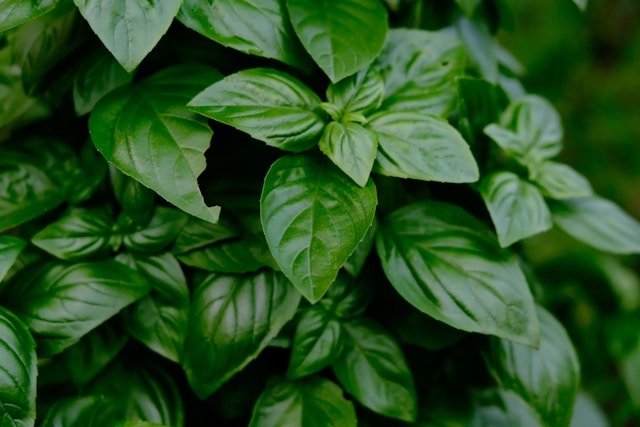
The good news is that learning how to harvest basil without killing the plant is not complicated. In fact, when done correctly, harvesting actually encourages your plant to grow back fuller and more productive than before. This guide will walk you through everything you need to know, from timing your harvest to the exact technique that keeps your plant happy for months.
How To Propagate Succulents From Leaves And Stem Cuttings.
When Is the Best Time to Harvest Basil Leaves?
Timing is everything when it comes to harvesting basil. Pick too early and you miss out on flavor; pick too late and your plant may have already bolted and turned bitter.
Signs Your Basil Plant Is Ready to Harvest
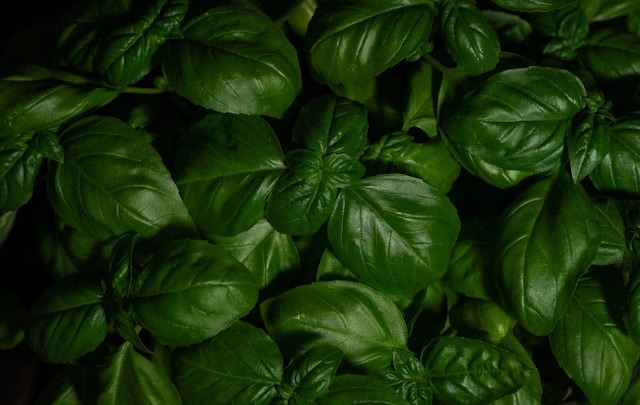
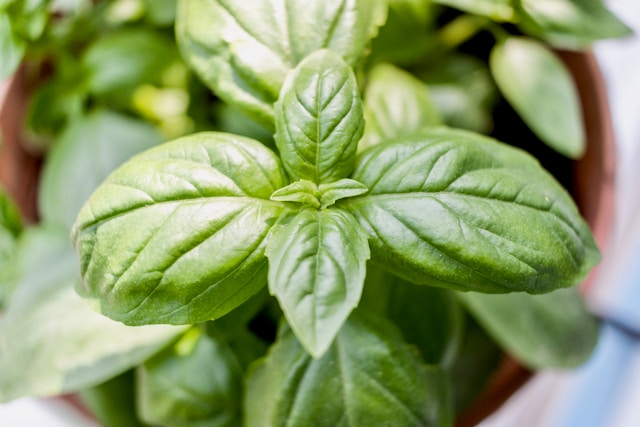
Your basil is ready to harvest when it has at least six to eight sets of leaves and the plant is around six to eight inches tall. At this stage, it has enough energy to handle regular picking. Look for:
- Full, dark green leaves with a strong, sweet aroma
- Multiple branches stemming from the main stalk
- No flowers yet, or flower buds that are just beginning to form
If your basil has started to flower, do not panic. Simply pinch off the flower buds immediately. Flowering, also called bolting, causes the plant to focus its energy on seed production rather than leaf growth, making the leaves smaller and more bitter. Removing those buds redirects the energy right back to where you want it.
Best Time of Day to Pick Basil
For the most flavorful harvest, pick your basil leaves in the morning after the dew has dried but before the midday heat sets in. Essential oils, which give basil its signature scent and taste, are at their most concentrated in the cooler hours of the morning. If morning is not practical, any time of day will still work well enough.
The Best Growing Conditions For Rhubarb Outdoors
How to Harvest Basil So It Keeps Growing
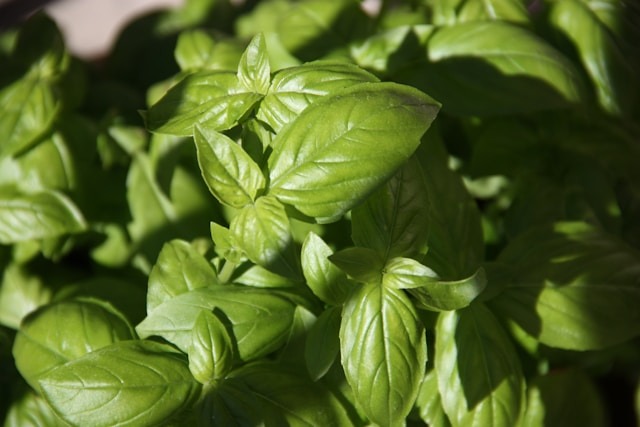
This is where most gardeners go wrong. Picking individual leaves from the bottom of the plant might feel natural, but it is actually the least effective method. Here is the technique that will keep your plant producing all season long.
Bottom Watering Plants: The Complete Guide
Cut from the Top, Not the Bottom
The most important basil pruning tip you will ever learn is to always cut from the top. Here is how to do it step by step:
- Locate the topmost set of leaves on a stem.
- Follow the stem down to just above the second or third set of leaves from the top.
- Using clean scissors or your fingertips, snip the stem cleanly at that point.
- Leave at least two sets of leaves on each branch so the plant can continue photosynthesizing.
When you cut this way, the plant responds by sprouting two new branches from just below the cut. That means every time you harvest, your basil becomes bushier and more productive rather than smaller and weaker. This is the foundation of how to trim basil correctly.
How Much Sun Does an Azalea Plant Need?
How Much Basil Can You Harvest at Once?
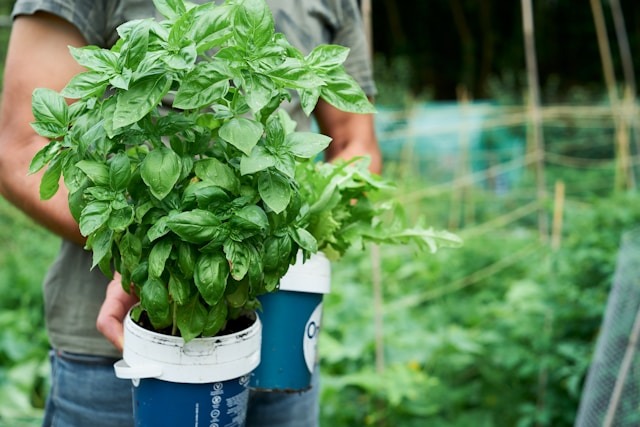
A healthy, established basil plant can handle having up to one third of its foliage removed in a single harvest. Avoid the temptation to strip more than that at once, even if you need a large amount for cooking. Taking too much too quickly stresses the plant and slows regrowth.
If you need a lot of basil for pesto, sauces, or preserving, consider harvesting in rounds. Take one third today, let the plant recover for a week or two, then harvest again. This approach respects the plant’s limits while still getting you a generous yield.
How Often Should You Harvest Basil?
Once your basil plant is mature, regular harvesting is actually beneficial. You can harvest basil every one to two weeks throughout the growing season. In warm climates or during peak summer growing conditions, some gardeners harvest even more frequently.
The key is consistency. Regular harvesting signals to the plant that it needs to keep producing leaves rather than moving into its reproductive phase. Think of it as a conversation with your plant: the more you harvest correctly, the more it grows.
Basil Plant Care After Harvesting
Once you have harvested, your plant needs a little support to bounce back quickly. Here are a few aftercare tips:
- Water consistently: Basil prefers moist but well-drained soil. Water at the base of the plant, not the leaves, to prevent fungal issues.
- Provide full sun: Basil thrives with at least six hours of direct sunlight per day. Less sun means slower regrowth after harvesting.
- Feed lightly: A diluted liquid fertilizer every few weeks helps the plant replenish nutrients lost during harvesting.
- Pinch off flowers: Keep removing any flower buds that appear to extend your harvest season as long as possible.
How to Store Fresh Basil After Harvesting
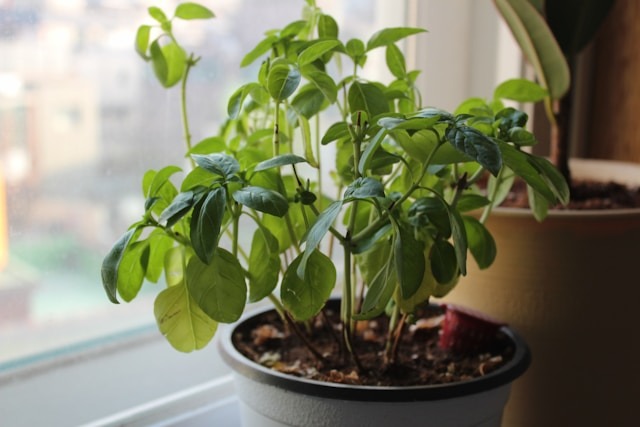
Fresh basil is delicate and wilts quickly. Once harvested, trim the stems and place them upright in a glass of water, like a bunch of flowers, at room temperature. Cover loosely with a plastic bag and leave on the counter. Do not refrigerate fresh basil as the cold turns the leaves black.
For longer storage, blend the leaves with a little olive oil and freeze the mixture in ice cube trays. You will have ready-to-use basil portions all winter long. Alternatively, dry the leaves in a single layer in a warm, well-ventilated space and store in an airtight container.
Why Are My Succulent Plant Leaves Falling Off?
Frequently Asked Questions
Can you harvest basil leaves every day?
Technically yes, but it is not ideal. Daily picking of a few leaves is fine for occasional cooking use, but if you are harvesting significant amounts, give your plant one to two weeks between sessions to recover and produce new growth.
Should I cut basil from the top or the bottom?
Always cut from the top. Cutting the top of each stem just above a leaf node encourages two new shoots to grow in its place, making your plant bushier. Picking from the bottom leaves the plant top-heavy and discourages healthy new growth.
How do I harvest basil before it flowers?
Check your plant regularly during summer, as basil can bolt quickly in the heat. As soon as you see flower spikes forming at the top of stems, pinch them off. Doing this consistently and harvesting the top leaves regularly will delay flowering and extend your harvest season.
Why is my basil not growing back after harvesting?
This usually happens for one of three reasons: you harvested too much at once, cut too low on the stem leaving no leaves behind, or the plant is not getting enough sunlight or water. Make sure to leave at least two sets of leaves on each branch and provide adequate sun and moisture for fast recovery.
Can I harvest basil in winter?
Basil is a warm-weather herb and does not survive frost outdoors. However, you can grow it indoors year-round on a sunny windowsill or under a grow light. Indoor basil can be harvested continuously using the same top-cutting technique throughout the year.