How to Grow Tomatoes in Containers: A Beginner’s Complete Guide
If you have always dreamed of picking fresh, juicy tomatoes from your own garden but do not have a yard to work with, you are in the right place. Growing tomatoes in containers is one of the most rewarding and beginner-friendly ways to start your gardening journey. Whether you have a balcony, a patio, a rooftop, or just a sunny windowsill, you can absolutely grow thriving tomato plants right where you are.
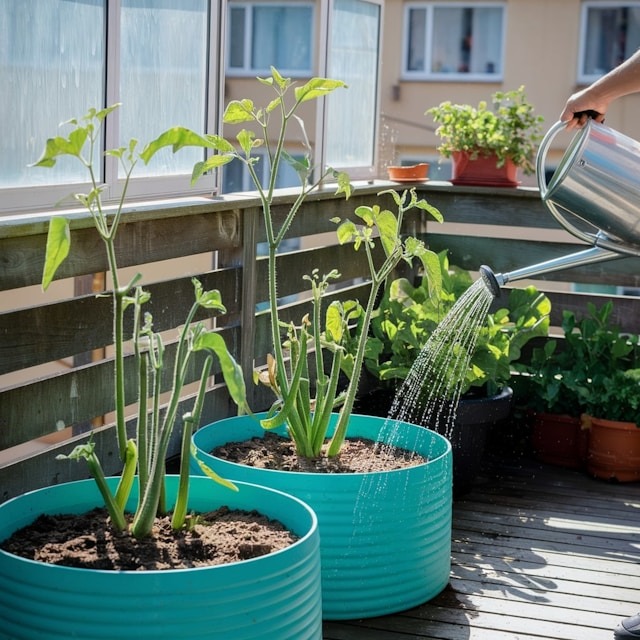
Container tomato gardening has exploded in popularity over the last few years, and for good reason. It gives you full control over your growing environment, reduces the risk of soil-borne diseases, and makes it easier to manage pests and watering. In this guide, you will learn everything you need to know about growing tomatoes in pots, from choosing the right container and soil to watering, fertilizing, and troubleshooting common problems.
15 Best Indoor Plants for Cold Temperatures
Why Growing Tomatoes in Containers Is a Great Idea
Before we jump into the how-to, let us talk about why container vegetable gardening is worth your time and effort.
- No yard? No problem. A sunny balcony or patio is all you need.
- You control the soil quality, which means fewer diseases and pests.
- Containers can be moved, so you can follow the sun or bring plants indoors during cold snaps.
- Perfect for urban dwellers, apartment renters, and small-space gardeners.
- Easier on your back since you can elevate pots to a comfortable height.
Choosing the Right Container for Tomato Plants
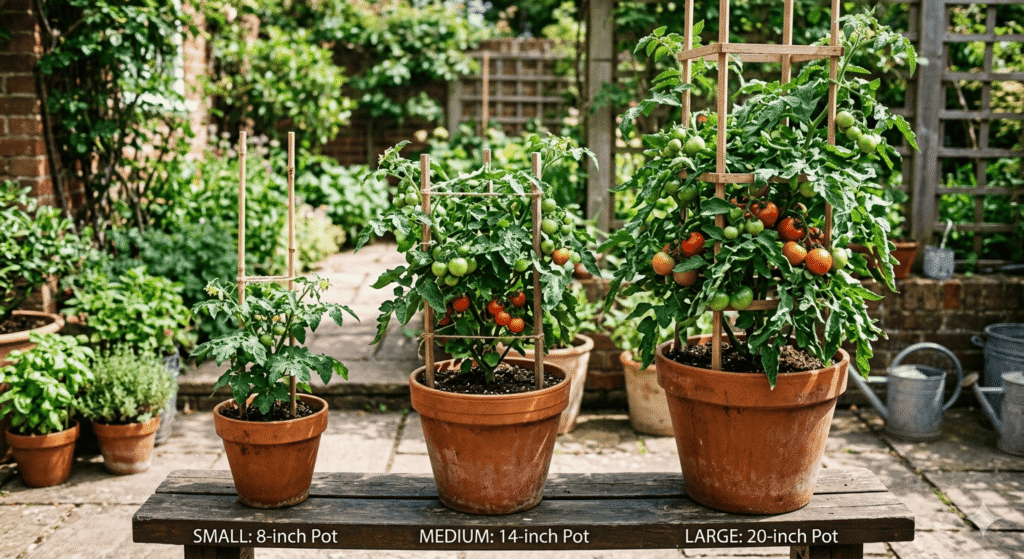
One of the most common beginner mistakes is using a pot that is too small. Tomatoes have deep, aggressive root systems, and they need room to grow. Here is what to look for:
What Size Container Do You Need to Grow Tomatoes?
For most tomato varieties, you want a container that holds at least 5 gallons of soil. However, larger varieties like beefsteak tomatoes do much better in 10 to 15-gallon pots. Compact or dwarf varieties can manage in a 5-gallon bucket, which is why growing tomatoes in 5-gallon buckets has become a popular and budget-friendly option for beginners.
Best Container Materials
Plastic pots are lightweight and retain moisture well. Fabric grow bags are excellent for root health since they allow air pruning, which prevents roots from circling and becoming root-bound. Terra cotta pots look beautiful but dry out quickly, so you will need to water more often. Whatever you choose, always make sure your container has drainage holes at the bottom. Without drainage, your tomato roots will sit in standing water and rot.
Best Tomato Varieties for Small Containers
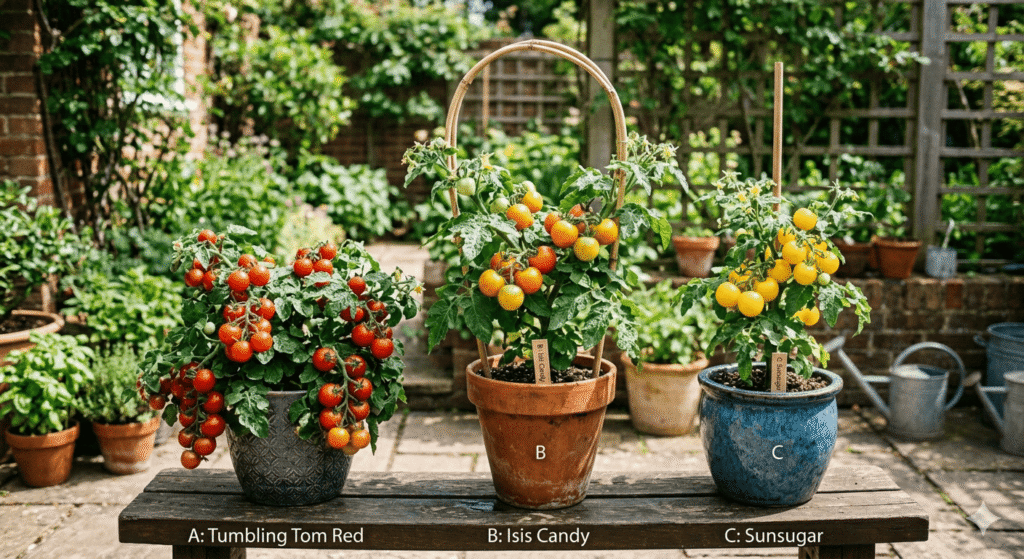
Not all tomatoes are created equal when it comes to container gardening. You want varieties that are either compact (determinate) or specifically bred for pots. Here are some top picks:
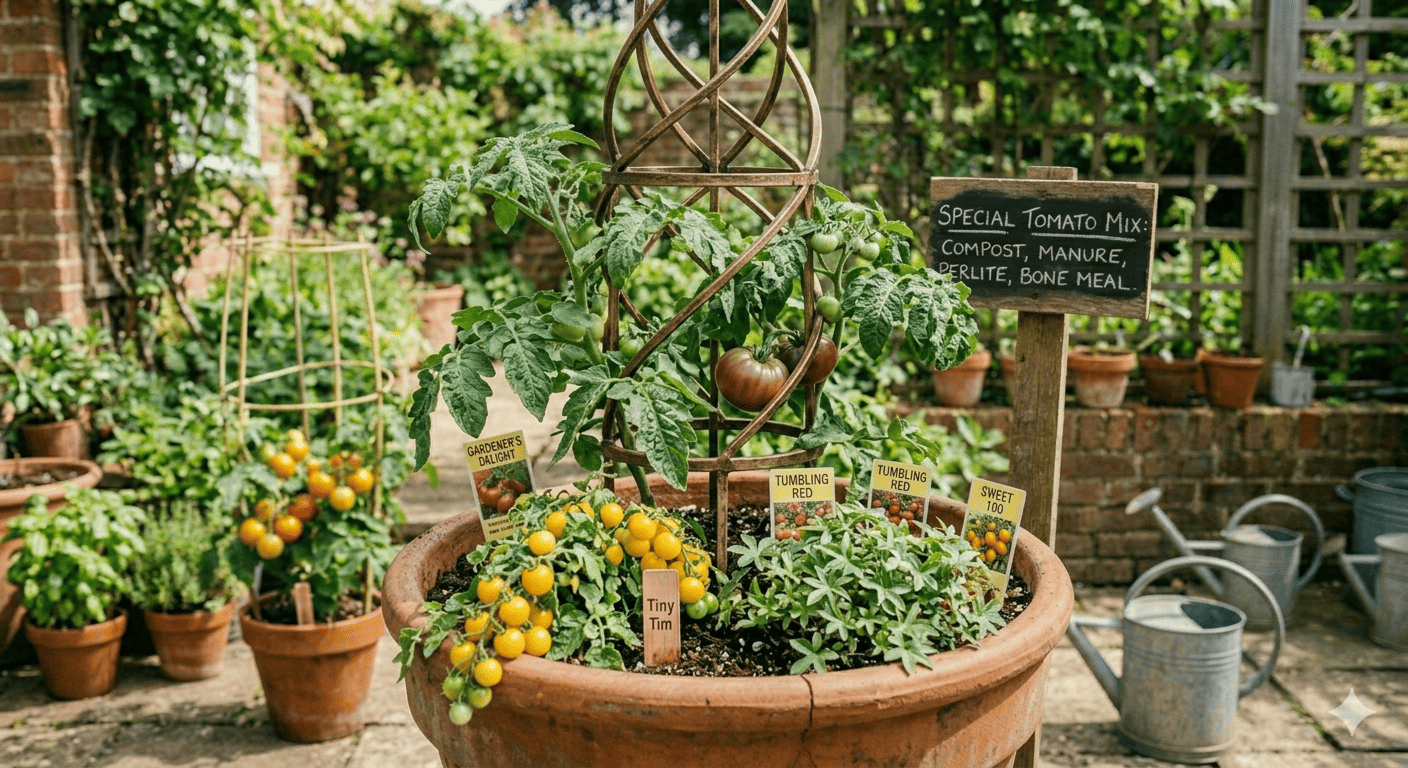
- Tumbling Tom: A trailing variety perfect for hanging baskets and small pots.
- Patio: A compact determinate variety bred for container life.
- Cherry Cascade: Produces loads of sweet cherry tomatoes and handles pots beautifully.
- Better Bush: A bush-type tomato that stays compact but yields big, meaty fruits.
- Sweet 100: A cherry tomato variety that is incredibly productive and beginner-friendly.
Growing cherry tomatoes in containers on a balcony is particularly satisfying because they produce fruit quickly and continuously throughout the season.
How to Prune Overgrown Tomato Plants for Better Growth
The Best Soil Mix for Growing Tomatoes in Pots
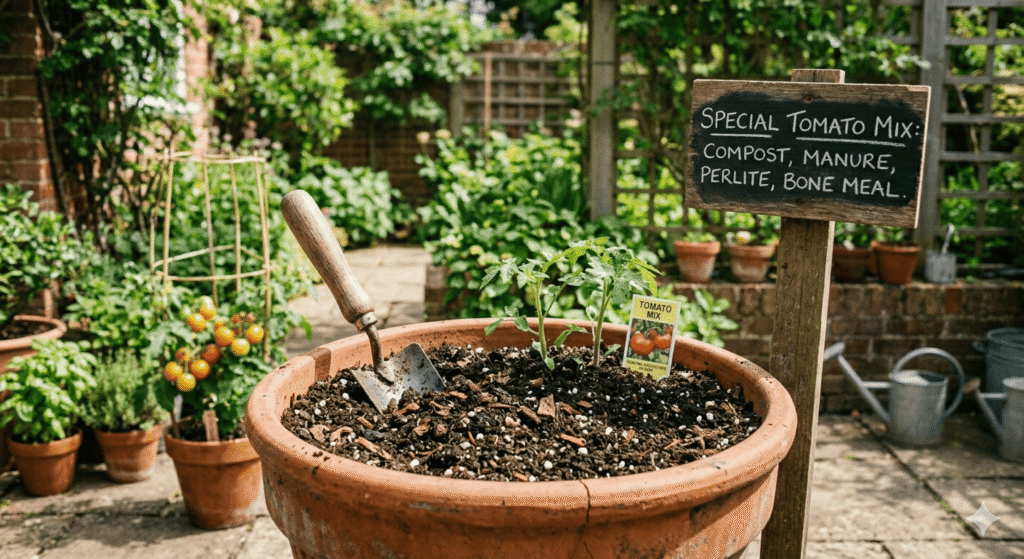
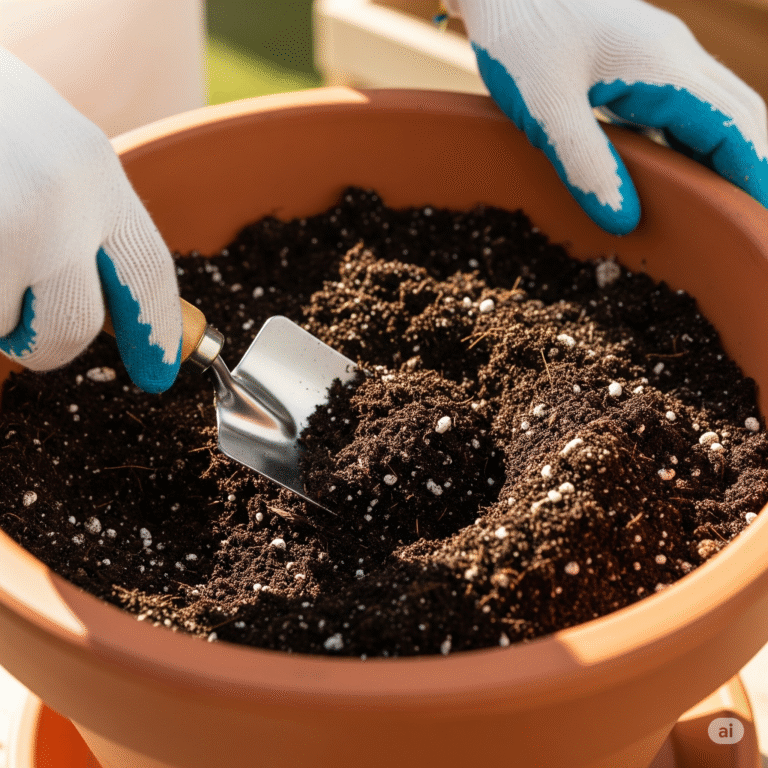
Never use regular garden soil in containers. It compacts over time, cuts off airflow to roots, and drains poorly. Instead, go for a high-quality potting mix designed for containers. The best soil mix for growing tomatoes in pots should be:
- Light and fluffy to allow good drainage and aeration.
- Rich in organic matter such as compost or aged manure.
- Mixed with perlite or vermiculite to improve drainage further.
- Slightly acidic, with a pH between 6.0 and 6.8.
You can buy a premade tomato potting mix or create your own by combining two parts potting mix, one part compost, and one part perlite. Add a slow-release fertilizer to the mix at planting time to give your seedlings a nutritious head start.
Best Grow Lights for Succulents: Top Picks
How Much Sunlight Do Container Tomatoes Need?
Tomatoes are sun lovers through and through. They need a minimum of 6 to 8 hours of direct sunlight per day to thrive and produce fruit. If your space only gets partial sun, look for tomato varieties labeled as tolerant of lower light levels, though full sun will always give you the best harvest.
One of the biggest advantages of container tomato gardening is that you can move your pots around to chase the sun. Pay attention to how sunlight moves across your balcony or patio throughout the day and position your containers accordingly.
How Often to Water Tomatoes in Containers
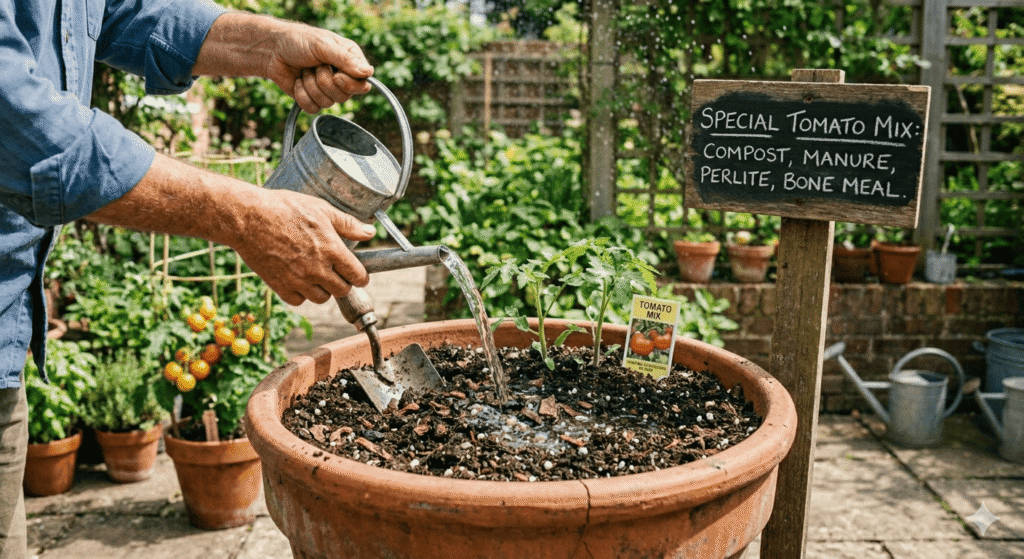
Watering is where most beginners go wrong with potted tomato plants. Containers dry out much faster than garden beds, especially in hot weather, so consistent moisture is key. Here are some practical watering guidelines:
- Check the soil daily by sticking your finger about an inch into the soil. If it feels dry, it is time to water.
- Water deeply and thoroughly each time, until water drains from the bottom of the pot.
- In summer heat, you may need to water once or even twice a day.
- Avoid overhead watering. Water at the base of the plant to reduce the risk of fungal disease.
- Consider self-watering containers or drip irrigation if you travel often or tend to forget.
Inconsistent watering is one of the main causes of blossom end rot, a common condition where the bottom of the tomato turns black and mushy. Keeping moisture levels stable goes a long way in preventing this.
Best Liquid Fertilizer for Houseplants in 2026
How to Fertilize Tomatoes Grown in Pots
Because containers have a limited amount of soil, nutrients get used up and washed away much more quickly than in a garden bed. This means regular feeding is essential for healthy, productive plants.
During the early growth phase, use a balanced fertilizer with equal parts nitrogen, phosphorus, and potassium to support leafy growth. Once your plant starts flowering, switch to a low-nitrogen, high-potassium fertilizer to encourage fruit production rather than more leaves. Liquid fertilizers are especially convenient for container gardening since they are absorbed quickly and can be applied during your regular watering routine. Feed your tomatoes every one to two weeks throughout the growing season.
he Best Houseplant Soil Mix (And How to Make Your Own)
Why Are My Container Tomatoes Not Producing Fruit?
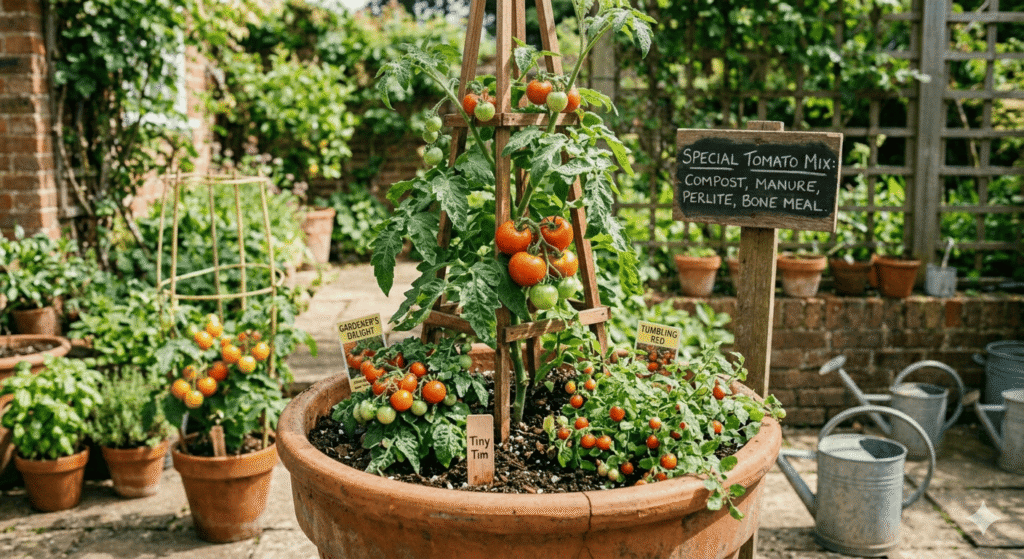
This is one of the most frustrating experiences for new gardeners. If your tomato plant is lush and green but not setting fruit, here are the most likely culprits:
- Not enough sunlight: Less than 6 hours a day will limit fruit production significantly.
- Temperature extremes: Tomatoes struggle to set fruit when temperatures are below 10 degrees Celsius or above 35 degrees Celsius.
- Poor pollination: If you are growing indoors or in an enclosed balcony, there may not be enough wind or pollinators. Gently shake the plant or use a small brush to hand-pollinate the flowers.
- Too much nitrogen: Heavy nitrogen feeding encourages lush foliage at the expense of fruit. Ease up on high-nitrogen fertilizers once flowering begins.
- Container too small: Root-bound plants cannot produce fruit effectively. Repot to a larger container if needed.
Frequently Asked Questions (FAQ)
Q1: Can you grow tomatoes in 5-gallon buckets?
Yes, absolutely. A 5-gallon bucket is a popular and cost-effective option for growing compact or determinate tomato varieties. Drill drainage holes in the bottom, fill with quality potting mix, and you are good to go. Larger varieties will benefit from bigger containers of 10 to 15 gallons.
Q2: How often should I water tomatoes in containers?
During warm weather, you may need to water your container tomatoes every day or even twice a day. Check the soil moisture by pressing your finger an inch into the soil. If it is dry, water thoroughly until it drains from the bottom. Consistency is more important than frequency.
Q3: What is the best soil mix for container tomatoes?
Use a high-quality, well-draining potting mix rather than garden soil. A good DIY blend is two parts potting mix, one part compost, and one part perlite or vermiculite. This provides excellent drainage, aeration, and nutrition for your tomato plants.
Q4: How much sun do container tomatoes need?
Tomatoes need at least 6 to 8 hours of direct sunlight per day. The more sun they get, the better the fruit production. Position your containers in your sunniest spot and move them throughout the day if needed to maximize sun exposure.
Q5: Why are my potted tomato plants not producing fruit?
The most common reasons include insufficient sunlight, temperature extremes, poor pollination, too much nitrogen fertilizer, or a container that is too small for the root system. Review each of these factors and make adjustments accordingly. Often, something as simple as shaking the plant to aid pollination or switching to a low-nitrogen fertilizer can make a big difference.