How to Compost at Home for Beginners: Your Complete Step-by-Step Guide
If you have ever tossed banana peels, coffee grounds, or vegetable scraps into the trash and thought, there has to be a better use for this, you are absolutely right. Home composting for beginners is one of the simplest, most rewarding habits you can start today and it does not require a big backyard, expensive equipment, or a science degree. All you need is a little know-how, the right materials, and a bit of patience.
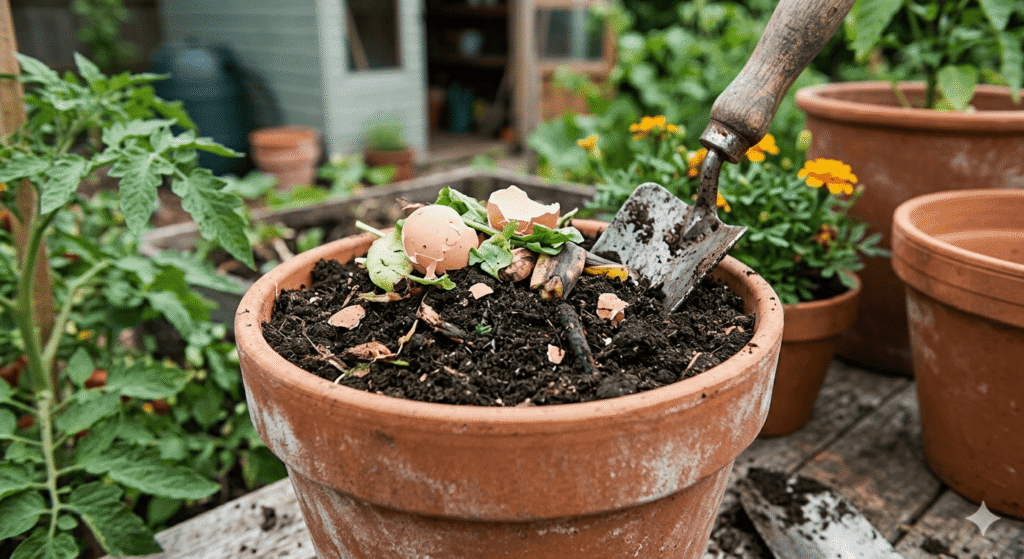
Composting turns your kitchen scraps and yard waste into rich, dark, crumbly organic matter that your garden will absolutely love. It reduces the amount of waste going to landfills, cuts down on your carbon footprint, and gives you free fertilizer that beats anything you can buy at the store. Sounds like a win-win, right? Let’s walk through everything you need to know to get started.
A Beginner’s Guide To Prune Juniper Bonsai
What Is Composting and Why Should You Start?
Composting is nature’s way of recycling. It is a natural process where organic materials like food scraps, leaves, and grass clippings break down into a nutrient-rich substance called compost or humus. This finished compost improves soil structure, helps retain moisture, and feeds plants with essential nutrients.
According to the U.S. Environmental Protection Agency, food and yard waste make up more than 28% of what we throw away. When organic waste ends up in a landfill, it breaks down without oxygen and produces methane, a potent greenhouse gas. Composting at home keeps that waste out of the landfill and puts it to work in your garden instead.
What Can You Put in a Compost Bin at Home?
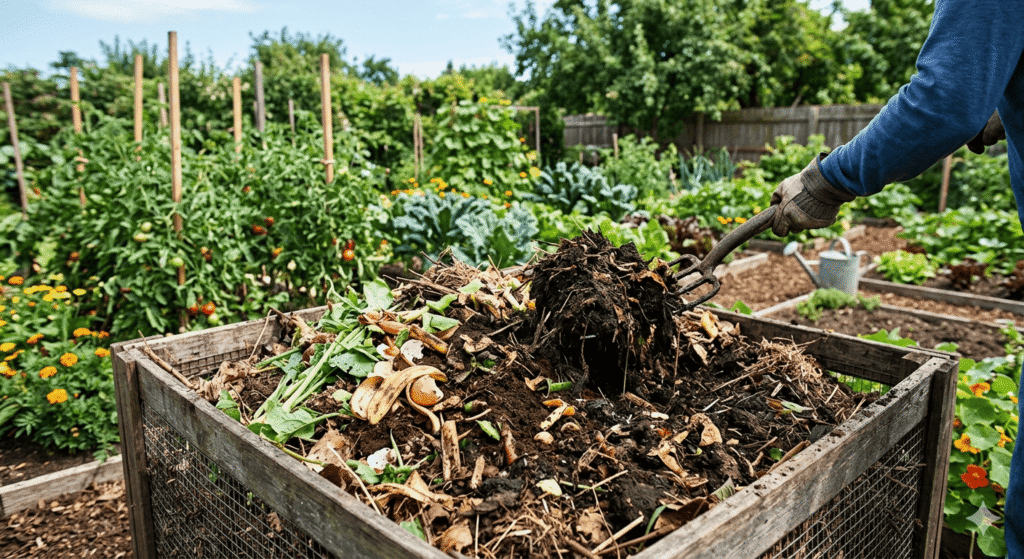
A healthy compost pile needs a balance of two types of materials: greens (nitrogen-rich) and browns (carbon-rich). Think of it like a recipe where the right ratio makes all the difference.
How To Prevent Lilac Leaves From Turning Brown
Greens (Nitrogen-Rich Materials)
- Fruit and vegetable scraps
- Coffee grounds and tea bags
- Fresh grass clippings
- Plant trimmings
- Eggshells
Browns (Carbon-Rich Materials)
- Dry leaves and straw
- Cardboard and paper (torn into small pieces)
- Wood chips or sawdust
- Paper bags and newspaper
- Dried plant stalks
What to avoid: Meat, fish, dairy products, oily foods, pet waste, and diseased plants should never go into your compost bin. These items attract pests, create bad odors, and can introduce harmful pathogens into your garden soil.
Raised Bed Garden Ideas for Every Yard
How to Start Composting at Home Step by Step
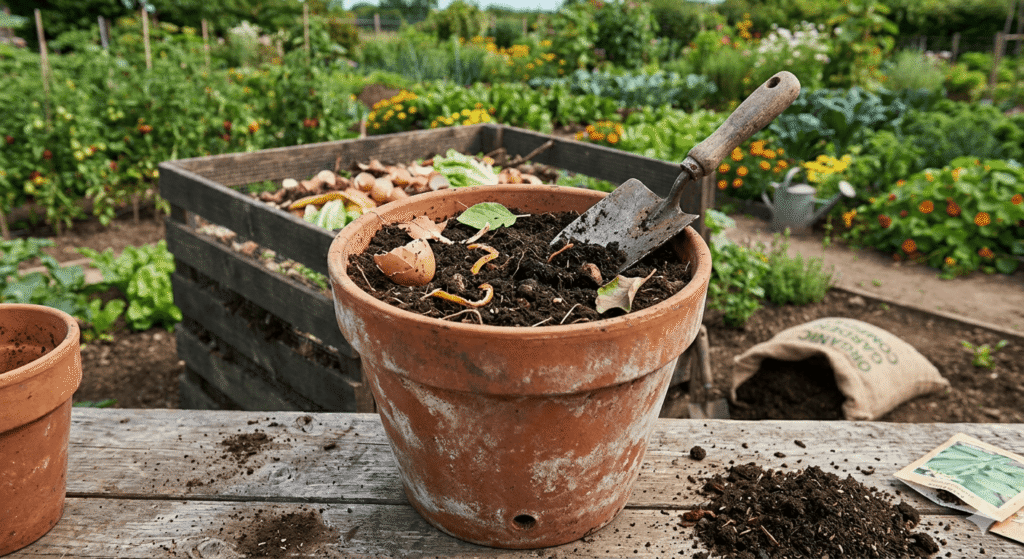
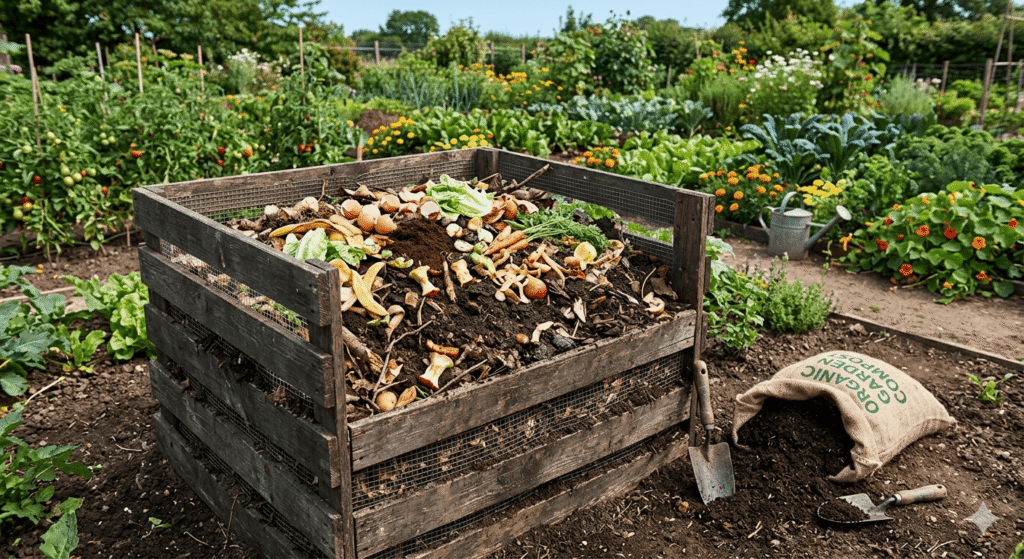
Ready to get your hands dirty? Here is a straightforward beginner’s guide to setting up your first compost pile or bin.
Step 1: Choose Your Composting Method
There are several ways to compost at home depending on your space and lifestyle. A backyard compost bin or open pile works well for those with outdoor space. Worm bins (vermicomposting) are perfect for apartments or small homes. Bokashi systems use fermentation and can handle meat and dairy, making them a versatile option for urban dwellers.
Step 2: Pick the Right Location
Place your compost bin in a spot that gets partial sunlight and is easy to access. Avoid placing it too close to your home if you are worried about odors or pests. A shaded or partially sunny spot works best because too much sun can dry out your pile too quickly.
Step 3: Layer Your Materials
The golden ratio of browns to greens in compost is about 3:1. Start with a layer of coarse brown material at the bottom to allow airflow, then alternate between green and brown layers as you add materials. This layering technique speeds up decomposition and keeps your pile smelling fresh.
Step 4: Keep It Moist but Not Wet
Your compost pile should feel like a wrung-out sponge, damp but not dripping. If it is too dry, add water or more green materials. If it is too wet and soggy, add more browns like dry leaves or cardboard. Moisture is essential for the microorganisms doing the work of breaking everything down.
Step 5: Turn Your Pile Regularly
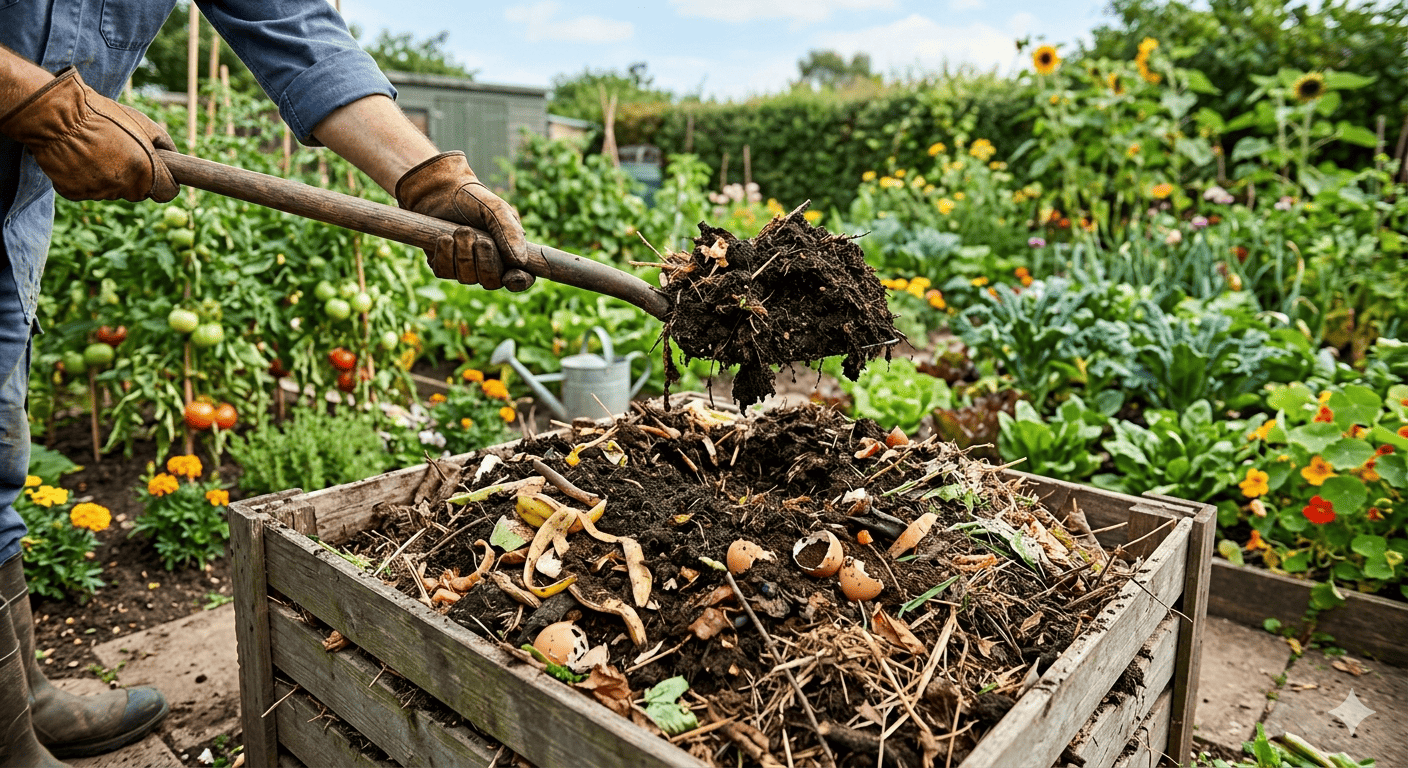
Turning your compost every one to two weeks introduces oxygen, which feeds the bacteria and speeds up decomposition. Use a garden fork or compost turner to mix the outer materials into the center. The more you turn it, the faster it breaks down.
5 Causes Of Brown Leaves on Monstera Plant
How Long Does It Take for Compost to Be Ready?
This is one of the most common questions beginners ask. The honest answer is that it depends. A well-maintained, actively turned compost pile can be ready in as little as 6 to 8 weeks. A pile that is left alone without turning or moisture management can take anywhere from 6 months to a full year.
You will know your compost is ready to use when it looks dark and crumbly, smells earthy (like fresh soil after rain), and you can no longer recognize the original materials. At that point, it is ready to be mixed into your garden beds or used as a top dressing for your lawn.
How to Fix Wrinkling Snake Plant Leaves
How to Speed Up Composting at Home Naturally
If you are impatient (no judgment!) there are some tried-and-true tricks to accelerate the composting process without buying any fancy products.
- Chop or shred materials into smaller pieces before adding them to the pile
- Maintain the right moisture level consistently
- Add a nitrogen booster like fresh grass clippings or coffee grounds
- Turn the pile more frequently, every few days if possible
- Add a compost activator like finished compost or garden soil to introduce more microorganisms
Can You Compost in an Apartment Without a Yard?
Absolutely. Living in a small space does not mean you have to miss out on composting kitchen scraps. Indoor composting methods like vermicomposting (with a worm bin) or Bokashi fermentation are perfect for apartments. Worm bins are odor-free when maintained properly and can fit neatly under a kitchen counter or in a closet. The worm castings produced are incredibly nutrient-dense and make excellent plant fertilizer.
If worms are not your thing, community composting programs are becoming more popular in cities worldwide. Many municipalities and local farms will accept your kitchen scraps for communal composting. Check with your local council or search for community composting programs in your area.
Does Potting Soil Go Bad? Can You Fix It?
Troubleshooting: How to Compost Food Scraps Without It Smelling
A smelly compost pile is the number one complaint from beginners, and it is usually a sign that something is off balance. Here are the most common causes and their fixes.
- Too many greens and not enough browns: Add more dry leaves, cardboard, or straw to balance the nitrogen
- Pile is too wet: Turn it and add dry materials to absorb the excess moisture
- Poor airflow: Turn the pile more often to introduce oxygen
- Wrong materials added: Remove any meat, dairy, or oily foods immediately
6 Best Gardening Work Trousers
Frequently Asked Questions (FAQ)
What is the easiest way to start composting at home?
The easiest way to start is with a simple outdoor compost bin or pile. Begin by collecting fruit and vegetable scraps from your kitchen and mixing them with dry leaves or torn cardboard. Keep the pile moist, turn it occasionally, and let nature do the rest. If you live in an apartment, a small worm bin is an equally simple starting point.
How long does it take for compost to be ready?
It typically takes anywhere from 6 weeks to 12 months depending on how actively you manage your pile. Turning it frequently, maintaining moisture, and chopping materials into smaller pieces all significantly speed up the process. Finished compost looks dark, crumbly, and smells like fresh earth.
What is the ratio of browns to greens in compost?
The ideal ratio is roughly 3 parts browns (carbon-rich materials like dry leaves and cardboard) to 1 part greens (nitrogen-rich materials like food scraps and grass clippings). This balance creates the right environment for microorganisms to thrive and break down organic matter efficiently.
Can I compost in an apartment without a yard?
Yes. Vermicomposting (using a worm bin) and Bokashi fermentation are both excellent indoor composting options. Worm bins are compact, nearly odorless when maintained properly, and can produce rich worm castings for your houseplants. Bokashi systems are sealed and can even process cooked food, meat, and dairy.
Why does my compost smell bad and how do I fix it?
A bad smell is usually caused by too many wet green materials, poor aeration, or the addition of inappropriate items like meat or dairy. Fix it by adding more dry brown materials such as leaves or torn cardboard, turning the pile to introduce airflow, and making sure you are only adding compost-friendly items.
15 Moisture Absorbing Bathroom Plants That Keep Your Space Fresh and Mold-Free