What to Plant in a Vegetable Garden in Spring
Spring is one of the most exciting times of year for any gardener. The days are getting longer, the soil is warming up, and your garden is basically begging you to get started. But if you have ever stood in a garden centre wondering what to plant in a vegetable garden in spring, you are not alone. With so many options out there, it can feel a little overwhelming.
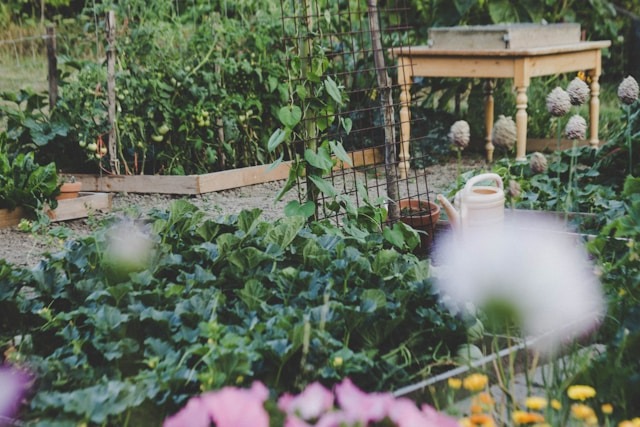
The good news is that spring is actually one of the best seasons for growing vegetables. Whether you are working with a raised bed, a backyard plot, or even containers on a balcony, there is something for every space and every skill level. This guide will walk you through exactly which vegetables to grow in spring, when to plant them, and how to set your garden up for a successful season.
How to Prune a Tomato Plant (Step-by-Step)
Why Spring is the Best Time to Start Your Vegetable Garden
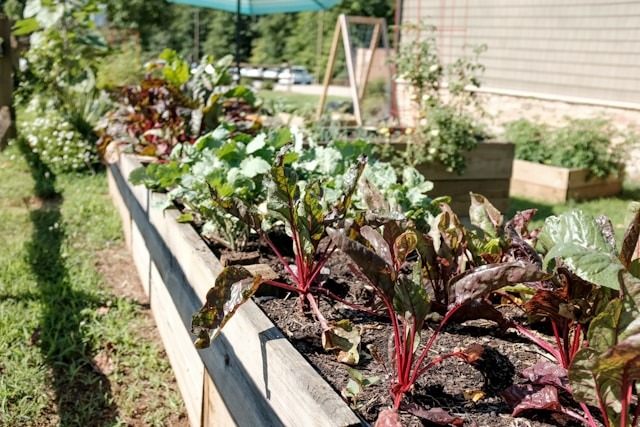
Spring offers a unique window for gardeners. Temperatures are mild, rainfall tends to be more consistent, and the risk of harsh frost is gradually declining. This creates the perfect environment for a wide range of vegetables to establish strong root systems before the heat of summer kicks in.
There are two main categories of vegetables to think about when spring planting: cool-season crops and warm-season crops. Understanding the difference between these two groups is key to planning a productive spring vegetable garden.
The Best Cheap LED Grow Lights For Growing Vegetables
Cool-Season Vegetables to Plant in Early Spring
Cool-season vegetables are the heroes of the early spring garden. These are plants that actually thrive in cooler temperatures and can even tolerate a light frost. You can often start planting them four to six weeks before your last expected frost date, making them some of the first vegetables to go into the ground each year.
Leafy Greens
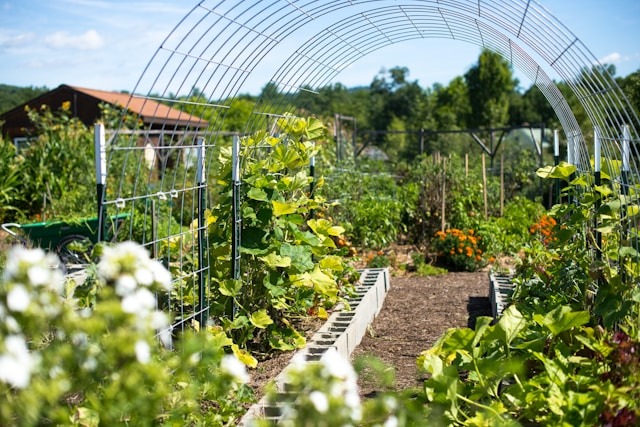
Spinach, lettuce, kale, and Swiss chard are all excellent choices for a spring vegetable garden. They grow quickly, are easy to harvest, and taste best when grown in cooler weather. Lettuce, in particular, bolts (goes to seed) in hot weather, so getting it in the ground early is a smart move.
Root Vegetables
Carrots, radishes, beets, and turnips all do well when planted directly into the soil in early spring. Radishes are especially great for impatient gardeners because they can be ready to harvest in as little as three weeks. Carrots prefer loose, deep soil, so if you are growing them in a raised bed, you are already at an advantage.
Peas and Brassicas
Peas love the cool spring air and should be one of the first things you sow directly into the ground. Broccoli, cauliflower, cabbage, and Brussels sprouts are all brassicas that perform well in spring. These can either be started indoors a few weeks early or purchased as transplants from your local garden centre.
Best Watering Cans for Indoor Plants (Small and Large)
Warm-Season Vegetables to Plant After the Last Frost
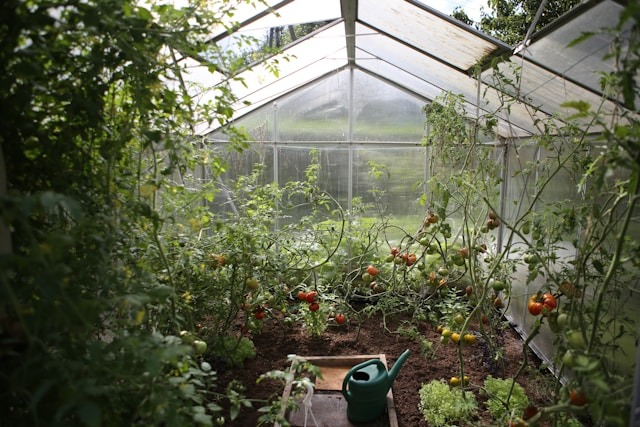
Once the threat of frost has passed and soil temperatures have warmed up to at least 60 degrees Fahrenheit (15 degrees Celsius), it is time to introduce warm-season vegetables. These are the crops that most people picture when they think of a summer garden, but the secret to a great harvest is getting them started in late spring.
Tomatoes
Tomatoes are the undisputed kings of the home vegetable garden. They should be started indoors six to eight weeks before your last frost date and transplanted outside once temperatures are consistently warm. Choose from cherry tomatoes, beefsteak varieties, or roma tomatoes depending on how you plan to use them.
Cucumbers, Zucchini, and Squash
These fast-growing vegetables are some of the most rewarding to grow in spring. Cucumbers thrive in warm weather and need a trellis or some support to climb. Zucchini and squash are incredibly productive and easy to grow, making them ideal for beginners. Direct sow seeds after the last frost for the best results.
Beans and Peppers
Green beans are a reliable and productive spring planting choice. Bush beans can be direct sown and do not need staking, while pole beans need support but produce abundantly over a longer season. Peppers, like tomatoes, should be started indoors early and transplanted out after all danger of frost has passed.
Spring Vegetable Garden Planting Tips for Better Results
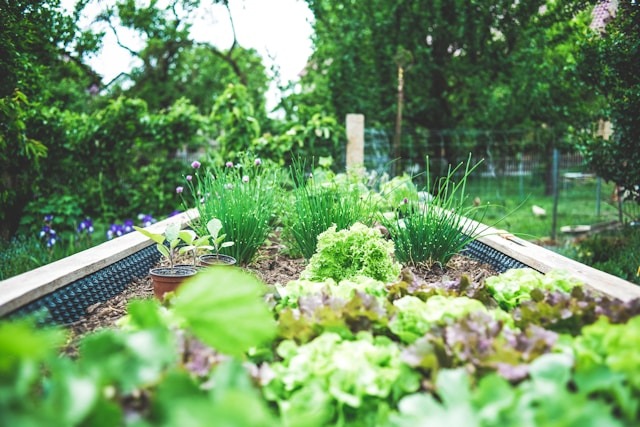
Knowing what to plant is only half the battle. Here are some practical gardening tips to help you get the most out of your spring vegetable garden:
- Know your last frost date. This is the single most important piece of information for any spring gardener. Check with your local agricultural extension office or use an online frost date calculator for your area.
- Prepare your soil early. Add compost or aged manure to your beds a few weeks before planting to give your vegetables a nutrient-rich start.
- Succession plant leafy greens. Instead of sowing all your lettuce at once, plant small batches every two weeks so you have a continuous harvest throughout the season.
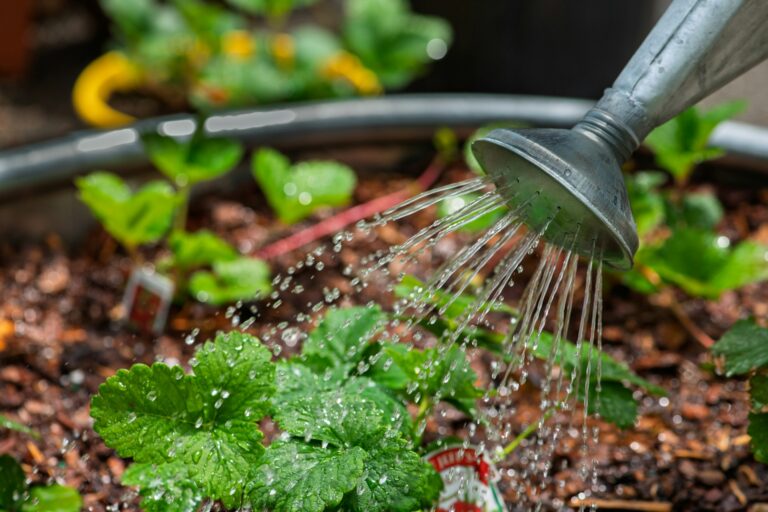
- Water consistently. Spring weather can be unpredictable. During dry spells, water at the base of plants in the morning to reduce the risk of disease.
- Mulch your beds. A layer of mulch helps retain moisture, suppress weeds, and regulate soil temperature, all of which benefit your spring crops.
How to Grow and Care for Elephant Ear Plant
Best Spring Vegetables for Small Spaces and Raised Beds
Not everyone has a large backyard to work with, and that is perfectly fine. Many vegetables are well-suited to raised beds, containers, or small urban garden plots. Salad greens, radishes, dwarf pea varieties, cherry tomatoes, and herbs like basil and parsley all grow beautifully in limited spaces.
If you are starting a vegetable garden in spring from scratch, a 4×4 foot raised bed is a great place to begin. You can grow a surprising variety of crops in that space and it is much easier to manage than a large in-ground plot.
Frequently Asked Questions (FAQ)
Q: What vegetables can I plant in early spring before the last frost?
A: Several vegetables can be planted before the last frost because they tolerate cool temperatures. These include spinach, lettuce, kale, peas, radishes, carrots, beets, and broccoli. Always check your specific frost date and harden off any indoor-started seedlings before transplanting them outside.
Q: When should I plant tomatoes and peppers in spring?
A: Tomatoes and peppers should be transplanted outdoors only after your last frost date has passed and nighttime temperatures stay consistently above 50 degrees Fahrenheit (10 degrees Celsius). Start seeds indoors six to eight weeks before that date so your plants are well-established and ready to go into the ground.
Q: What is the easiest vegetable to grow for beginners in spring?
A: Radishes, lettuce, and zucchini are among the easiest vegetables for beginners. Radishes mature in as little as three weeks, lettuce is low maintenance and grows quickly, and zucchini is incredibly productive with minimal effort. All three are great confidence builders for anyone new to vegetable gardening.
Q: Can I plant vegetables in spring if I only have containers or a small balcony?
A: Absolutely. Many vegetables grow well in containers, including cherry tomatoes, lettuce, spinach, herbs, radishes, and dwarf pea varieties. Make sure your containers have good drainage, use a high-quality potting mix, and place them in a spot that receives at least six hours of sunlight a day.
Q: How often should I water my spring vegetable garden?
A: Most vegetables need about one inch of water per week, either from rainfall or irrigation. In spring, rainfall may cover much of this, but during dry periods, water deeply and consistently at the base of plants. Avoid overhead watering in the evening, as wet foliage overnight can encourage fungal diseases.