How to Start a Raised Garden Bed from Scratch
So you’ve decided to grow your own food or flowers, and you’ve heard that raised garden beds are the way to go. Good news: you’re absolutely right. Whether you have a tiny backyard, patchy grass, or soil that’s basically concrete, learning how to start a raised garden bed from scratch is one of the best investments you can make for your garden. And the even better news? It’s a lot simpler than it looks.
In this guide, we’ll walk you through every step, from picking the right spot to choosing your first plants, so you can get growing with confidence.
Why Choose a Raised Garden Bed?
Before we get into the how, let’s talk about the why. Raised garden beds give you control over your growing environment in a way that in-ground gardens simply can’t. You control the soil, the drainage, and the layout. There’s less bending over, fewer weeds creeping in, and your plants tend to grow faster because the soil warms up more quickly in spring.
They’re also a great solution if your native soil is poor quality, compacted, or contaminated. With a raised bed vegetable garden, you start fresh with a nutrient-rich mix that gives your plants exactly what they need.
4 Ways to Make Your Jade Plant Grow Faster
Step 1: Pick the Right Location
Location is everything. Most vegetables and herbs need at least 6 to 8 hours of direct sunlight daily, so scope out the sunniest spot in your yard or garden space. Avoid areas that collect standing water or sit directly under large trees, since root competition and shade will work against you.
Also think about access. You want to be able to reach the center of your raised bed from either side without stepping into it, so keep your width to around 4 feet if it’s accessible from both sides, or 2 feet if it’s against a fence or wall.
10 Best Herbs to Grow in Pots at Home
Step 2: Choose Your Materials
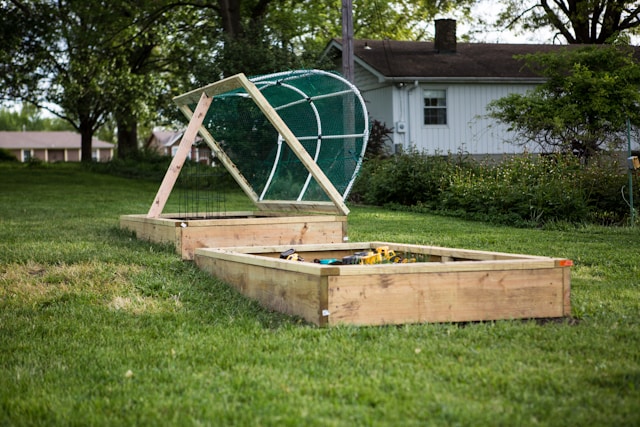
This is one of the most common questions beginner gardeners ask: what do you build a raised bed from? Here are your main options:
- Cedar or redwood: The gold standard for raised garden bed materials. Both are naturally rot-resistant, chemical-free, and can last 10 to 20 years.
- Pine: More affordable than cedar but less durable. Expect it to last around 5 years.
- Galvanized metal: Modern, sleek, and very long-lasting. A popular choice for raised bed gardening tips enthusiasts going for a cleaner look.
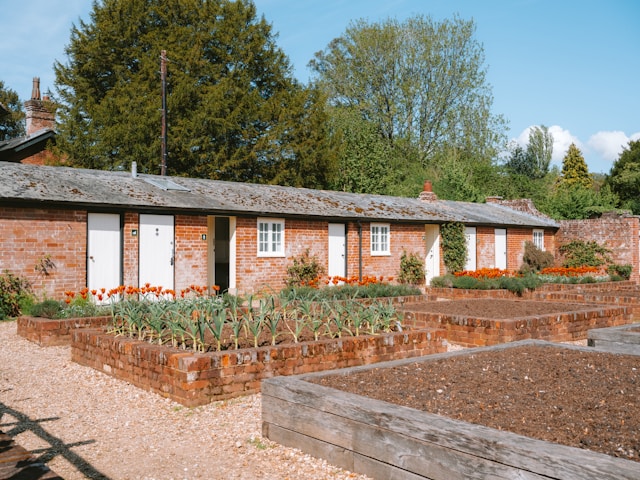
- Concrete blocks or bricks: Extremely durable and great for permanent setups.
Avoid pressure-treated wood that contains harmful chemicals, especially for a raised bed vegetable garden where you’ll be growing food.
Top 6 Reasons Why Garden Plants Keep Dying
Step 3: Decide on Size and Depth
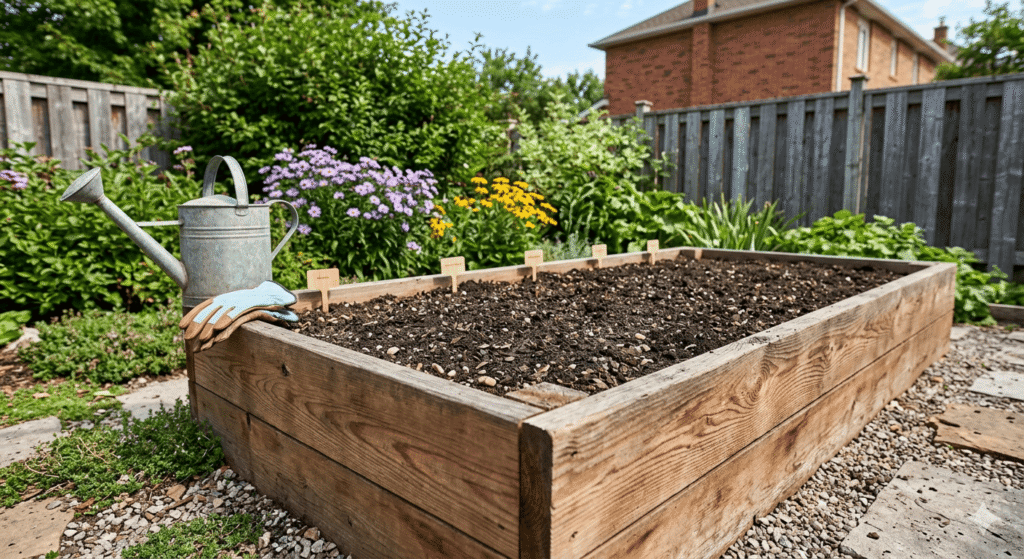
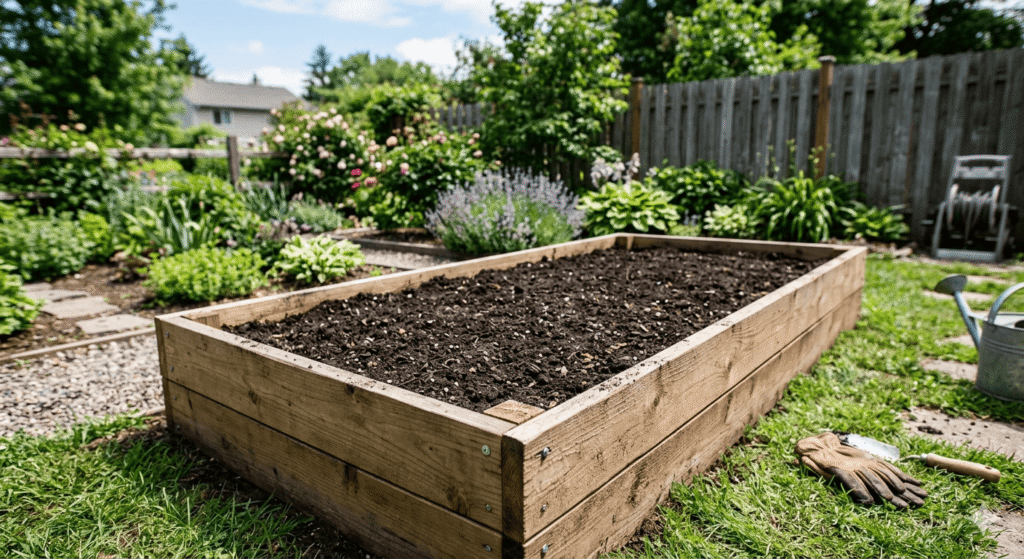
A standard raised garden bed size for a small backyard is 4 feet by 8 feet. It’s large enough to grow a solid variety of vegetables but small enough to manage without too much effort.
As for depth, how deep should a raised garden bed be for vegetables? Here’s a quick guide:
- Shallow-rooted crops (lettuce, herbs, radishes): 6 inches of depth is enough
- Medium-rooted crops (beans, peppers, spinach): 12 inches works well
- Deep-rooted crops (tomatoes, carrots, squash): Aim for 18 to 24 inches
Step 4: What Do You Put at the Bottom of a Raised Garden Bed?
This step trips up a lot of beginners. The bottom of your raised bed matters more than most people think. Here’s what to do:
- Lay cardboard or newspaper: This suppresses weeds growing up from the ground below. It breaks down naturally over time, adding organic matter.
- Add a layer of wood chips or straw: This improves drainage and continues the weed barrier.
- Optional: hardware cloth: If you have burrowing pests like gophers or moles, lay a piece of hardware cloth at the very bottom before anything else.
Step 5: Fill It with the Right Soil Mix
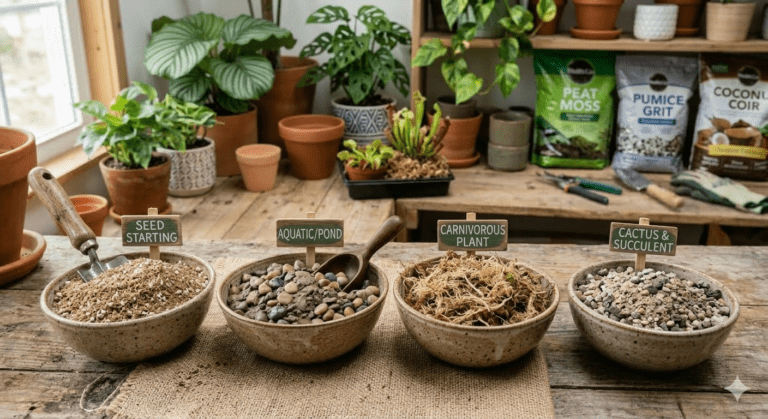
Here’s where many people go wrong: they use regular garden soil, which compacts quickly in a raised bed and suffocates plant roots. Instead, go with a custom mix.
A tried and tested recipe for the best soil for raised garden beds is the Mel’s Mix, made popular by the Square Foot Gardening method:
- 1/3 vermiculite (for aeration and moisture retention)
- 1/3 peat moss or coconut coir (for structure)
- 1/3 compost (for nutrients)
If you’re wondering how to fill a raised garden bed cheaply, consider sourcing bulk compost from your local municipality (many offer it free or low-cost), and buy vermiculite in bulk rather than small bags.
How To Grow Cherry Tomatoes In Pots
Step 6: Choose and Plant Your First Crops
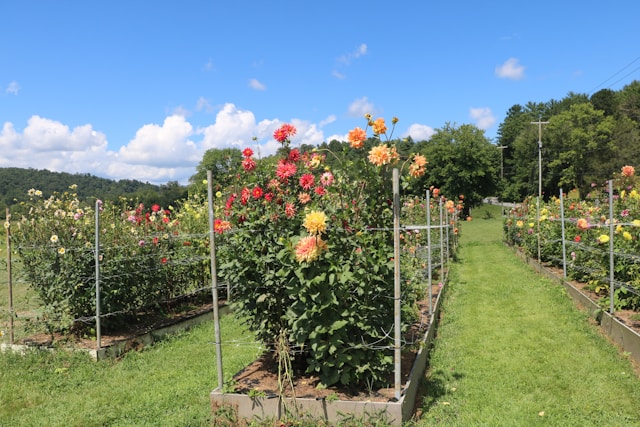
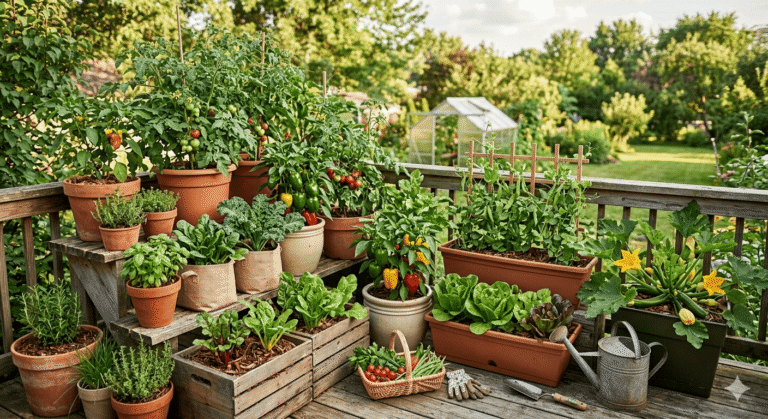
Now the fun part. When thinking about what to plant in a raised garden bed for the first time, it’s smart to start simple. Some great beginner choices include:
- Lettuce and salad greens: Fast-growing and satisfying to harvest
- Cherry tomatoes: Prolific producers great for beginners
- Zucchini or cucumber: Easy to grow and high yield
- Herbs like basil, parsley, and chives: Low maintenance and useful in the kitchen
- Radishes and green onions: Perfect for filling gaps and quick harvests
Space your plants according to the square foot gardening method to maximize your raised bed’s potential. As a beginner, it’s tempting to overcrowd, but giving plants the right amount of space leads to healthier growth and better yields.
ZZ Plant Care Guide: Tips for a Thriving Plant
Keeping Your Raised Bed Healthy Year After Year
Once your bed is up and growing, a little regular care goes a long way. Here are some raised bed gardening tips to keep your garden thriving:
- Water consistently: Raised beds dry out faster than in-ground gardens. Aim to water deeply 2 to 3 times per week, or install a drip irrigation system.
- Top up your soil each season: Add 2 to 3 inches of fresh compost every spring to replace nutrients and maintain soil structure.
- Rotate your crops: Don’t plant the same crops in the same spots year after year. Rotation reduces disease and pest buildup.
- Keep weeds out naturally: Mulch the surface between plants with straw or wood chips to suppress weed growth without chemicals.
The Best Cheap LED Grow Lights For Growing Vegetables
Frequently Asked Questions
How deep should a raised garden bed be for vegetables?
For most vegetables, a depth of 12 inches is ideal. Shallow-rooted plants like lettuce can thrive in as little as 6 inches, while deep-rooted crops like tomatoes and carrots benefit from 18 to 24 inches of soil depth.
What do you put at the bottom of a raised garden bed?
Start with a layer of cardboard or newspaper to block weeds, followed by wood chips or straw for drainage. If you have burrowing pests, add hardware cloth at the very bottom before anything else.
How do I fill a raised garden bed cheaply?
Use the Hugelkultur method to fill the bottom with logs and branches, then top with compost. Source free or low-cost compost from your local council, buy materials in bulk, and use homemade compost if you have it.
What is the best wood to use for a raised garden bed?
Cedar and redwood are the top choices because they’re naturally rot-resistant and safe for growing food. Pine is a budget-friendly alternative but won’t last as long. Avoid pressure-treated wood that contains harmful chemicals.
When should I plant in a raised garden bed for the first time?
Because raised beds warm up faster than in-ground soil, you can often plant 2 to 4 weeks earlier in spring. Check your local frost dates and follow seed packet guidance for each crop you plan to grow.