How to Care for a Bird of Paradise Plant Indoors
If you have ever walked into a room and seen a plant so dramatic and lush it looked like it belonged in a jungle, chances are it was a bird of paradise. With its oversized, paddle-shaped leaves and bold tropical presence, this plant has become one of the most coveted indoor houseplants around. But looking good and growing well indoors are two different things, and many plant owners find themselves wondering why their bird of paradise is not thriving.
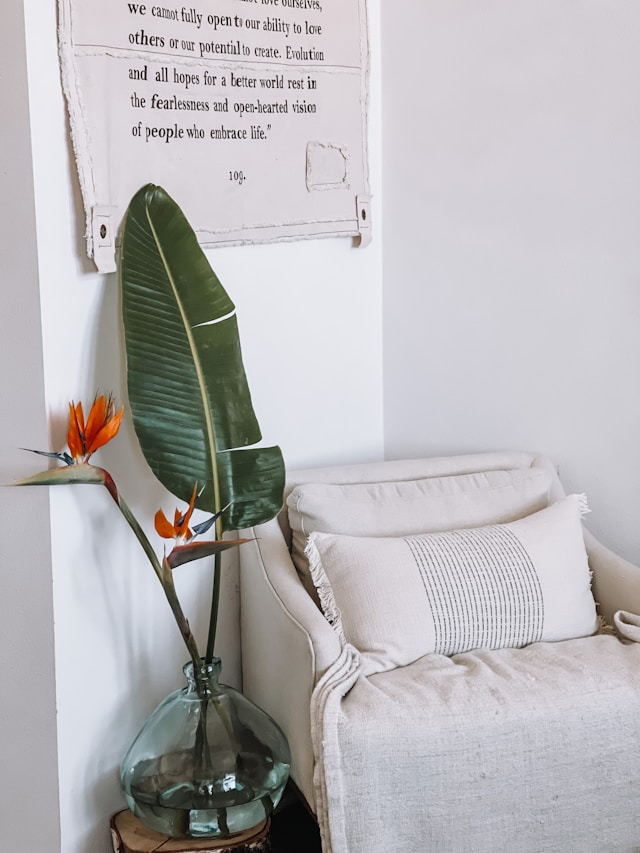
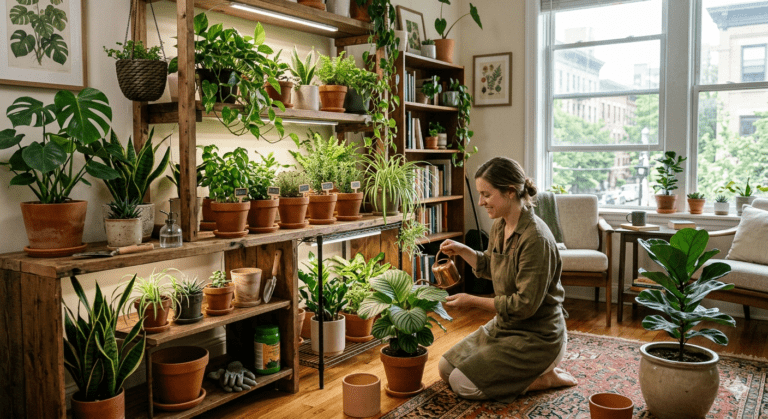
The good news is that bird of paradise plant care indoors is absolutely manageable once you understand what this plant actually needs. In this guide, you will learn everything from the right amount of sunlight and how often to water, to soil preferences, fertilizing, repotting, and how to troubleshoot the most common problems.
Whether you are a beginner or a seasoned plant parent, this article will give you a practical roadmap to keeping your bird of paradise happy and healthy year-round.
What Causes Brown Tips on Houseplant Leaves?
Understanding the Bird of Paradise Plant
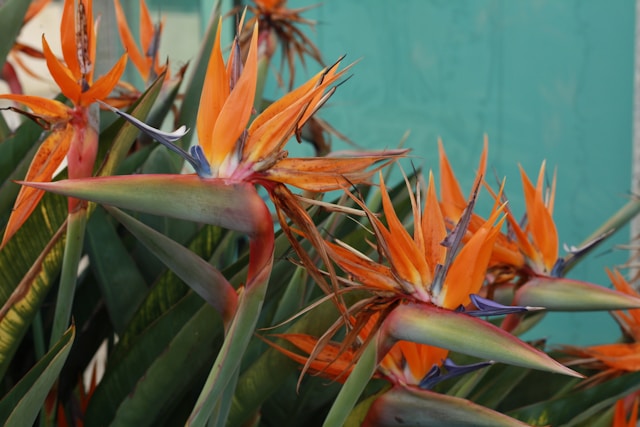
Before diving into care tips, it helps to know a little about what you are working with. The bird of paradise (Strelitzia reginae) is a tropical plant native to South Africa. There is also the giant bird of paradise (Strelitzia nicolai), which can grow up to 20 feet tall outdoors but is commonly kept as a large indoor houseplant.
Both varieties are grown indoors primarily for their striking foliage. The bird of paradise houseplant is a slow grower, but with the right conditions it can put out new leaves regularly and even bloom indoors, though flowering is rare without adequate light. Understanding its natural habitat, warm, sunny, and well-drained, is the foundation of good care.
Best Potting Mix for Indoor Plants
Light Requirements for Bird of Paradise Indoors
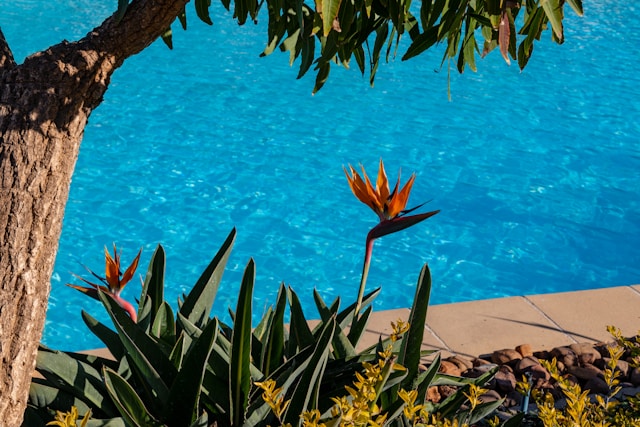
Light is probably the single most important factor when it comes to indoor bird of paradise care. This plant is a sun-worshipper. It needs bright, direct or bright indirect light for at least 4 to 6 hours a day to grow its best.
The ideal spot is near a south-facing or west-facing window where it can soak up plenty of natural light. An east-facing window can work but may result in slower growth. Although the bird of paradise can survive in low light conditions, it will not thrive there. Expect fewer new leaves, leggy growth, and no chance of blooming if light is insufficient.
If your home does not get enough natural light, a grow light placed close to the plant for several hours a day can make a real difference. Rotate your plant every few weeks so all sides get even light exposure and the growth stays balanced.
How to Water a Bird of Paradise Plant Indoors
Watering is where many indoor bird of paradise owners go wrong, and overwatering is the most common mistake. These plants like to be watered thoroughly and then allowed to dry out somewhat between waterings. During spring and summer, watering once every 1 to 2 weeks is typically appropriate. In fall and winter, you can reduce this to every 2 to 3 weeks as the plant’s growth slows.
The best way to check is to stick your finger about 2 inches into the soil. If it feels dry, it is time to water. If it still feels moist, give it a few more days. Always water deeply until it drains from the bottom of the pot, and never let the plant sit in standing water, as this leads to root rot.
Factors to consider when choosing a grow light
Best Soil for Bird of Paradise Plant Indoors
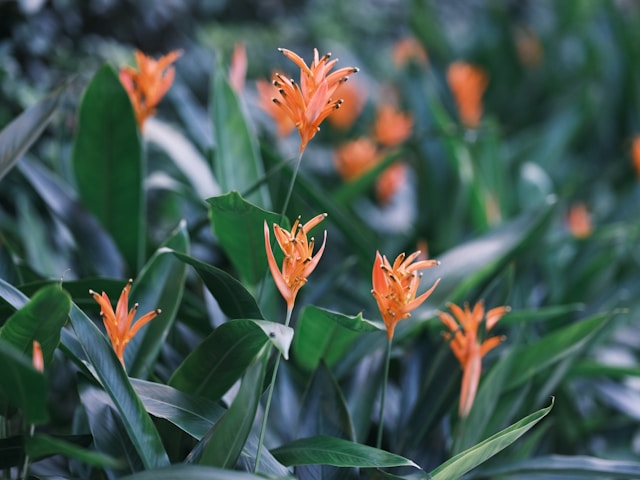
The bird of paradise plant prefers a rich, well-draining soil mix. A standard potting mix works, but it is best improved with additions like perlite or coarse sand to boost drainage and prevent waterlogging. Some growers also mix in a small amount of compost to add nutrients.
The ideal soil pH is slightly acidic to neutral, between 5.5 and 7.0. Avoid heavy, dense soils that retain too much moisture. Good aeration at the root level is essential for this plant to grow strong and healthy indoors.
The Ultimate Guide to Olive Tree Care (Indoors & Outdoors)
Humidity and Temperature Requirements
As a tropical plant, the bird of paradise houseplant prefers warm temperatures and moderate to high humidity. Indoors, it does best between 65 and 85 degrees Fahrenheit (18 to 30 degrees Celsius). It can handle brief dips to around 50 degrees Fahrenheit, but prolonged cold will damage it.
For humidity, aim for around 50 to 60 percent. If your home is dry, especially during winter with the heating on, consider placing a humidifier nearby, grouping it with other plants, or setting the pot on a pebble tray filled with water. Avoid placing your bird of paradise near air conditioning vents or cold drafts, as these conditions stress the plant and cause leaf curling or browning at the edges.
20 Best Indoor Plants for Low Light Apartments
How to Fertilize a Bird of Paradise Indoors
To support healthy growth and vibrant foliage, feed your indoor bird of paradise during the growing season, spring through summer, with a balanced liquid fertilizer diluted to half strength. Fertilizing once a month during this period is generally sufficient. In fall and winter, hold off on feeding entirely, as the plant is not actively growing and excess fertilizer can build up as salts in the soil and damage the roots.
If you notice the leaves looking pale or growth seems unusually slow even in summer, it may be a sign the plant is hungry. A fertilizer with a slightly higher nitrogen content can help encourage leafy growth, which is what most indoor growers are after.
When to Repot a Bird of Paradise Plant
One thing that surprises many plant owners is that the bird of paradise actually prefers to be slightly root-bound. It tends to produce more growth and can even bloom when its roots are snug in the pot. That said, if roots are visibly growing out of the drainage holes or the plant looks top-heavy and unstable, it is time to repot.
Repotting is best done in spring. Choose a pot that is only 1 to 2 inches larger in diameter than the current one. Going too big too quickly can lead to excess soil retaining moisture and causing root rot. Use fresh potting mix when repotting and water it in well afterward.
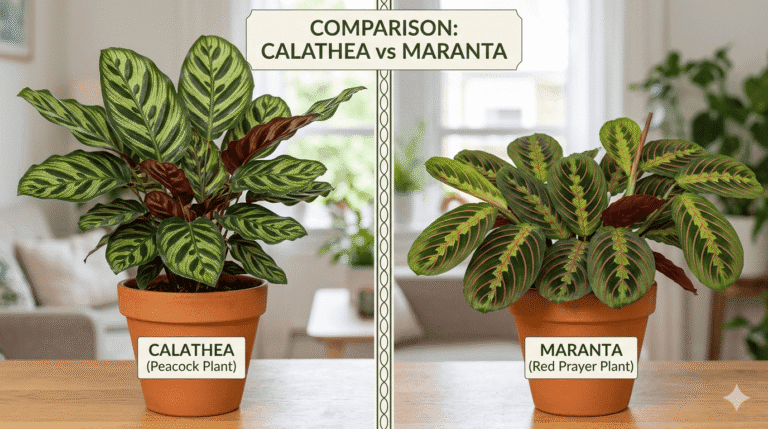
Calathea vs Maranta: Differences and Care Tips
Common Bird of Paradise Problems and How to Fix Them
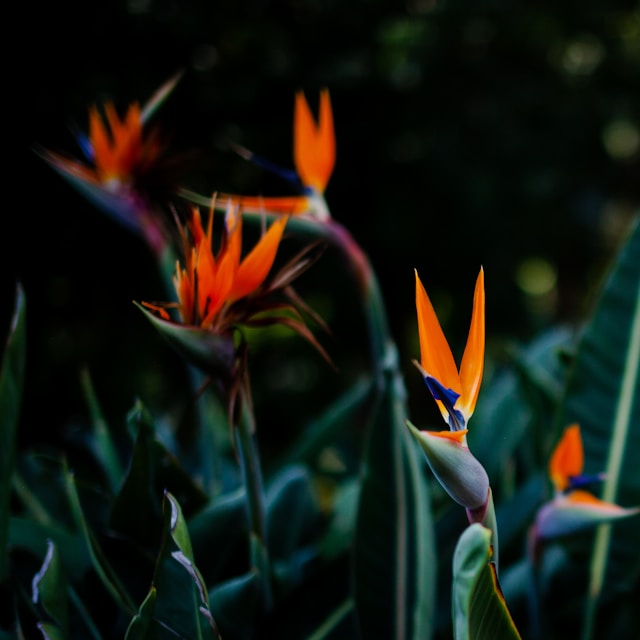
Why Are My Bird of Paradise Leaves Turning Brown?
Brown leaf tips or edges are usually a sign of low humidity, underwatering, or salt buildup in the soil from over-fertilizing. Try increasing humidity around the plant, adjusting your watering schedule, and flushing the soil with clean water every few months to remove mineral deposits.
Why Are My Bird of Paradise Leaves Turning Yellow?
Yellow leaves often point to overwatering or poor drainage. Check that your pot has drainage holes and that the soil is not staying soggy for extended periods. Less commonly, yellowing can indicate a nutrient deficiency, particularly nitrogen.
Why Are My Bird of Paradise Leaves Curling?
Leaf curling is typically a response to low humidity, dry air, underwatering, or cold drafts. Make sure the plant is in a warm, humid environment away from heating or cooling vents. Consistent watering also helps prevent curling.
Frequently Asked Questions
How fast does a bird of paradise grow indoors?
The bird of paradise is a slow to moderate grower indoors. With ideal light and care conditions, it may produce a few new leaves per growing season. Outdoors in a warm climate, it grows much faster.
Can a bird of paradise survive in low light?
It can survive, but it will not thrive. Low light conditions result in slow growth, fewer leaves, and no chance of blooming. If your space lacks natural light, a full-spectrum grow light is a good investment.
How do I know if my bird of paradise has root rot?
Signs of root rot include yellowing leaves, a musty smell from the soil, and a plant that looks wilted even when watered. To fix it, remove the plant from its pot, trim any black or mushy roots, let them air dry briefly, and repot in fresh, well-draining soil.
Is the bird of paradise plant toxic to pets?
Yes, the bird of paradise is considered mildly toxic to cats and dogs. Ingestion can cause nausea, vomiting, and drowsiness. Keep it out of reach of pets and children to be safe.
Why is my bird of paradise not blooming indoors?
Blooming indoors is rare and usually requires very bright light, a mature plant (at least 4 to 5 years old), and slightly root-bound conditions. If blooming is your goal, position the plant in the brightest spot possible and be patient.