Peace Lily vs Snake Plant: Which Is Better for Beginners?
If you have ever walked into a plant nursery and found yourself torn between a peace lily and a snake plant, you are definitely not alone. Both are popular, beautiful, and widely recommended for people who are just starting their indoor plant journey. But when it comes to the peace lily vs snake plant debate, which one actually makes more sense for a beginner?
In this article, we will break down everything you need to know, from how easy each plant is to care for, to how they perform in low light, whether they are safe around pets, and which one is more likely to survive a little neglect. By the end, you will have a clear idea of which plant deserves a spot in your home.
Getting to Know the Peace Lily
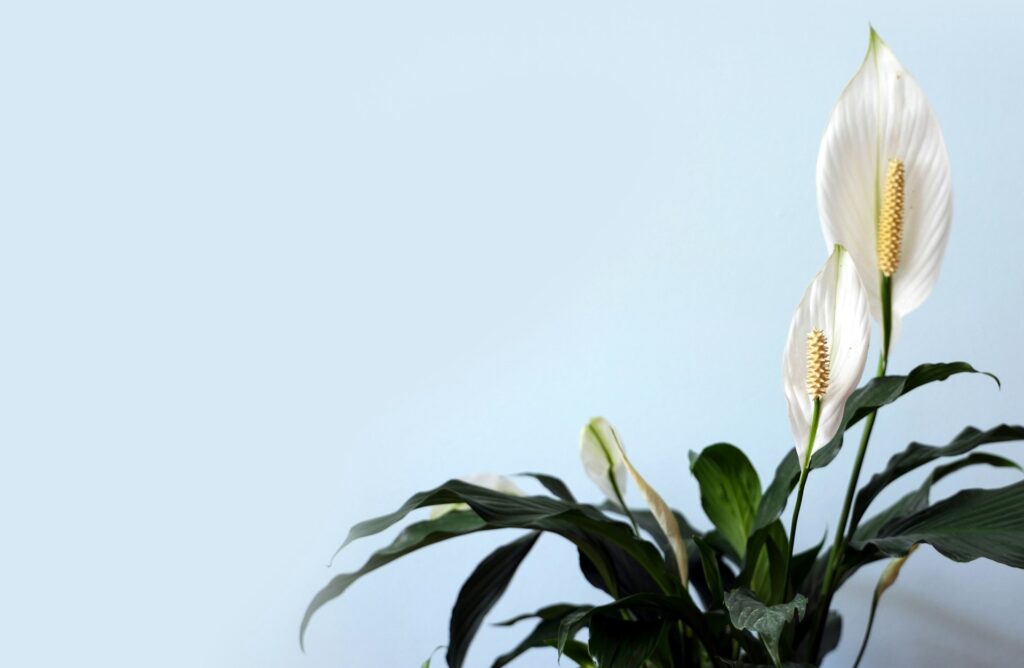
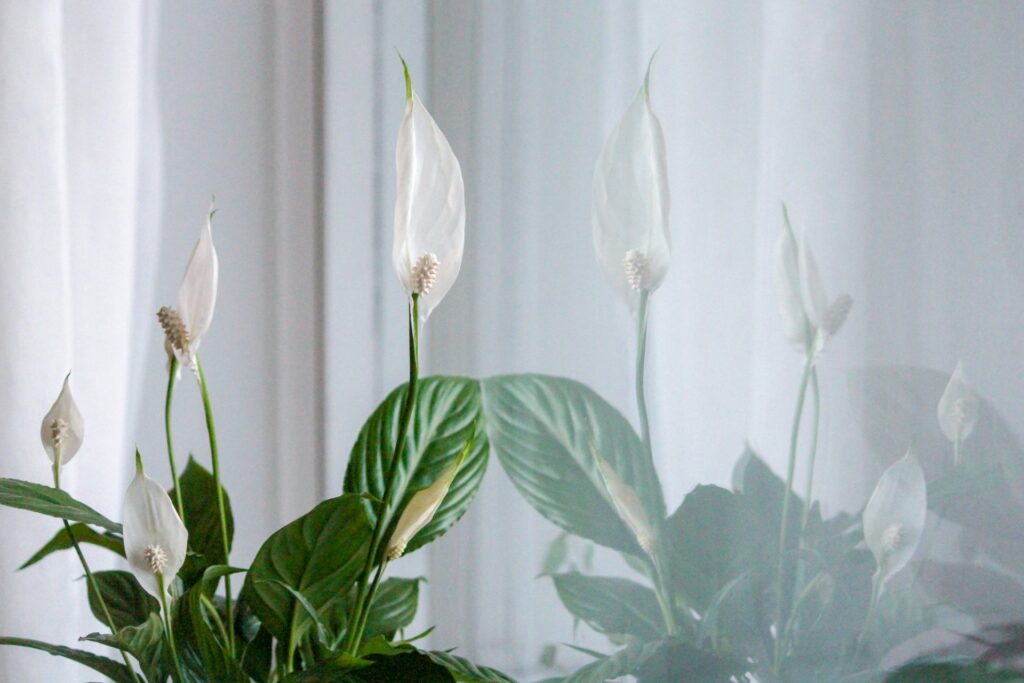
The peace lily (Spathiphyllum) is a tropical flowering plant that has become one of the most popular houseplants around the world. It is known for its elegant white blooms and glossy dark green leaves that add a touch of sophistication to any room.
Best Insecticide for Indoor Plants: Safe Options That Work
Peace Lily Care for Beginners
One of the biggest appeals of the peace lily for new plant parents is how communicative it is. When it needs water, the leaves will gently droop, giving you a clear visual cue before any real damage is done. Here is what you need to know about basic peace lily care:
- Watering: Water once a week or when the top inch of soil feels dry. It prefers consistently moist but not waterlogged soil.
- Light: Thrives in low to medium indirect light. Direct sunlight will scorch the leaves.
- Humidity: Loves humidity, so placing it in a bathroom or misting the leaves occasionally works well.
- Temperature: Prefers temperatures between 65 and 85 degrees Fahrenheit.
- Fertilizing: Feed with a balanced liquid fertilizer every 6 to 8 weeks during the growing season.
Peace lilies are also known for their air purifying benefits. Studies have shown they can help filter indoor air pollutants like ammonia, benzene, and formaldehyde, making them a functional as well as a beautiful addition to any living space.
How To Remove Snake Plant Pups
Peace Lily for Low Light Rooms
One area where the peace lily truly shines is its ability to adapt to low light conditions. Unlike many flowering plants that need bright sunlight to bloom, a peace lily can survive and even flower in rooms with minimal natural light. This makes it perfect for offices, hallways, or bedrooms with small windows.
Getting to Know the Snake Plant
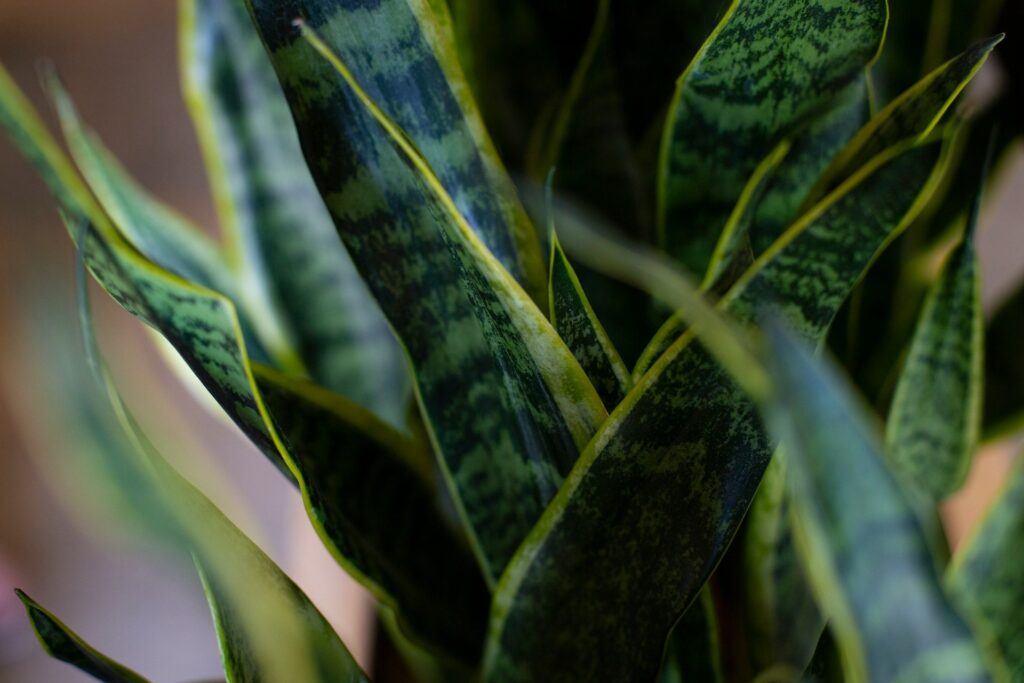
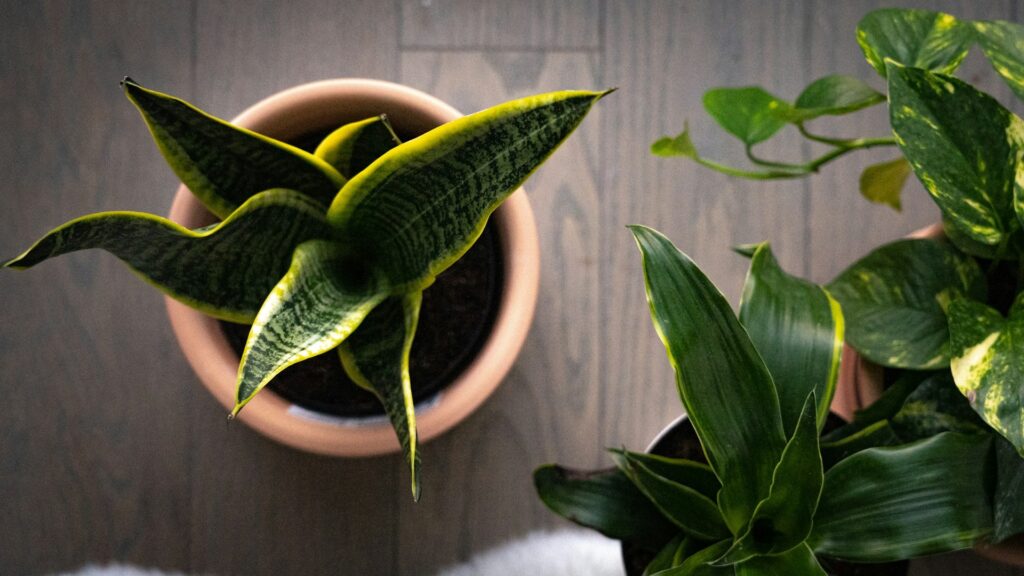
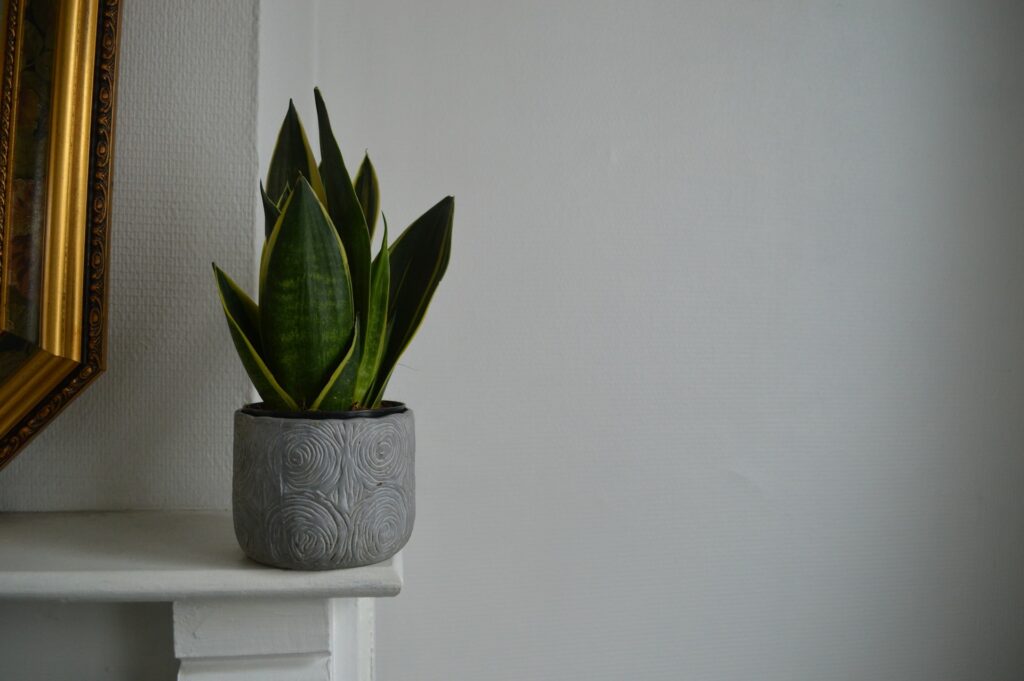
The snake plant (Sansevieria trifasciata, now reclassified as Dracaena trifasciata) is often described as nearly indestructible. With its upright, sword-shaped leaves featuring striking yellow or white edges, it brings a modern, architectural look to any space. Snake plants are loved globally not just for their looks but for their resilience.
Bottom Watering Plants: The Complete Guide
Snake Plant Care for Beginners
If you are someone who forgets to water plants regularly, or if you travel often, the snake plant might be your perfect match. Here is a quick rundown of snake plant care basics:
- Watering: Water every 2 to 6 weeks depending on the season. Overwatering is its biggest enemy.
- Light: Extremely adaptable. Can tolerate low light, but grows best in indirect bright light.
- Humidity: Not fussy at all. It does well in average household humidity levels.
- Temperature: Prefers temperatures between 60 and 80 degrees Fahrenheit but is very forgiving.
- Fertilizing: Feed once or twice a year. It does not need much to stay healthy.
The snake plant is also a well-known air purifier. It is one of the few plants that converts carbon dioxide into oxygen at night, which is why many people keep it in their bedroom. Snake plant benefits go beyond aesthetics, making it a genuinely useful plant to have indoors.
How to Start a Container Vegetable Garden (Beginner’s Shopping List)
Peace Lily vs Snake Plant: A Head-to-Head Comparison
Now that you know the basics of each plant, let us look at how they stack up against each other across the most important categories for beginners.
Ease of Care
Both plants are forgiving, but in different ways. The peace lily will tell you when it is thirsty, which can actually be helpful if you need reminders. The snake plant, however, barely needs any reminders at all. For the truly forgetful plant parent, the snake plant edges ahead here. For someone who wants a little more engagement with their plant, the peace lily keeps things interesting without being demanding.
Light Requirements
Both plants are excellent choices for low light environments. The peace lily can flower in shaded spots, which gives it a slight advantage if you want blooms. The snake plant adapts well to almost any light condition including darker corners, making it slightly more flexible overall. When it comes to best indoor plants for low light, both make the shortlist, but the snake plant tolerates neglected light conditions a little better.
How Much Sun Does an Azalea Plant Need?
Pet Safety
This is one area where there is a clear winner. If you have cats or dogs at home, you need to pay close attention here. The peace lily is toxic to pets. Ingestion can cause drooling, vomiting, and in severe cases, difficulty swallowing. The snake plant is also mildly toxic to pets, causing nausea and vomiting if eaten.
Neither plant is entirely pet safe, but the peace lily carries a higher risk of serious symptoms. If pet safety is your top priority, you may want to consider placing either plant well out of reach or exploring other pet-friendly alternatives.
Watering Needs
When comparing how often to water a peace lily vs snake plant, the difference is significant. Peace lilies need water roughly once a week, while snake plants can go weeks between waterings. If you travel frequently or have an unpredictable schedule, the snake plant is far more forgiving in this department.
Air Purifying Ability
Both plants have been studied for their ability to improve indoor air quality. The peace lily is particularly effective against indoor air pollutants, while the snake plant is celebrated for its nighttime oxygen production. In terms of peace lily vs snake plant air purifying capabilities, they are both strong performers, just in slightly different ways.
Factors to consider when choosing a grow light
Which Is Better for Beginners?
Here is the honest answer: it depends on your lifestyle and what you are looking for in a plant.
Choose the peace lily if you want a flowering plant that adds elegance to your space, you can commit to weekly watering, you enjoy a plant that gives you feedback, and you want strong air purifying benefits.
Choose the snake plant if you want the ultimate low maintenance houseplant, you travel frequently or tend to forget watering, you want something that thrives in almost any light condition, and you prefer a modern, architectural aesthetic.
For most absolute beginners, the snake plant is the safer starting point simply because it is harder to kill. However, the peace lily is still a fantastic beginner plant, especially if you are willing to pay a bit more attention.
How To Care For Basil Plant Indoors
Frequently Asked Questions
1. Is a peace lily or snake plant easier to care for?
The snake plant is generally considered easier to care for because it requires very infrequent watering and tolerates a wide range of light conditions. The peace lily is still beginner-friendly but needs more consistent attention, particularly around watering.
2. Can a beginner grow a snake plant indoors?
Absolutely. The snake plant is one of the top recommendations for beginner gardeners. It tolerates low light, infrequent watering, and a wide range of indoor temperatures, making it almost impossible to kill with basic care.
3. Does a peace lily purify air better than a snake plant?
Both are effective air purifiers but in different ways. The peace lily is particularly good at filtering benzene, ammonia, and formaldehyde from indoor air. The snake plant is notable for producing oxygen at night. For overall air purification, the peace lily has a slight edge based on the range of pollutants it filters.
4. What is the difference between a peace lily and a snake plant?
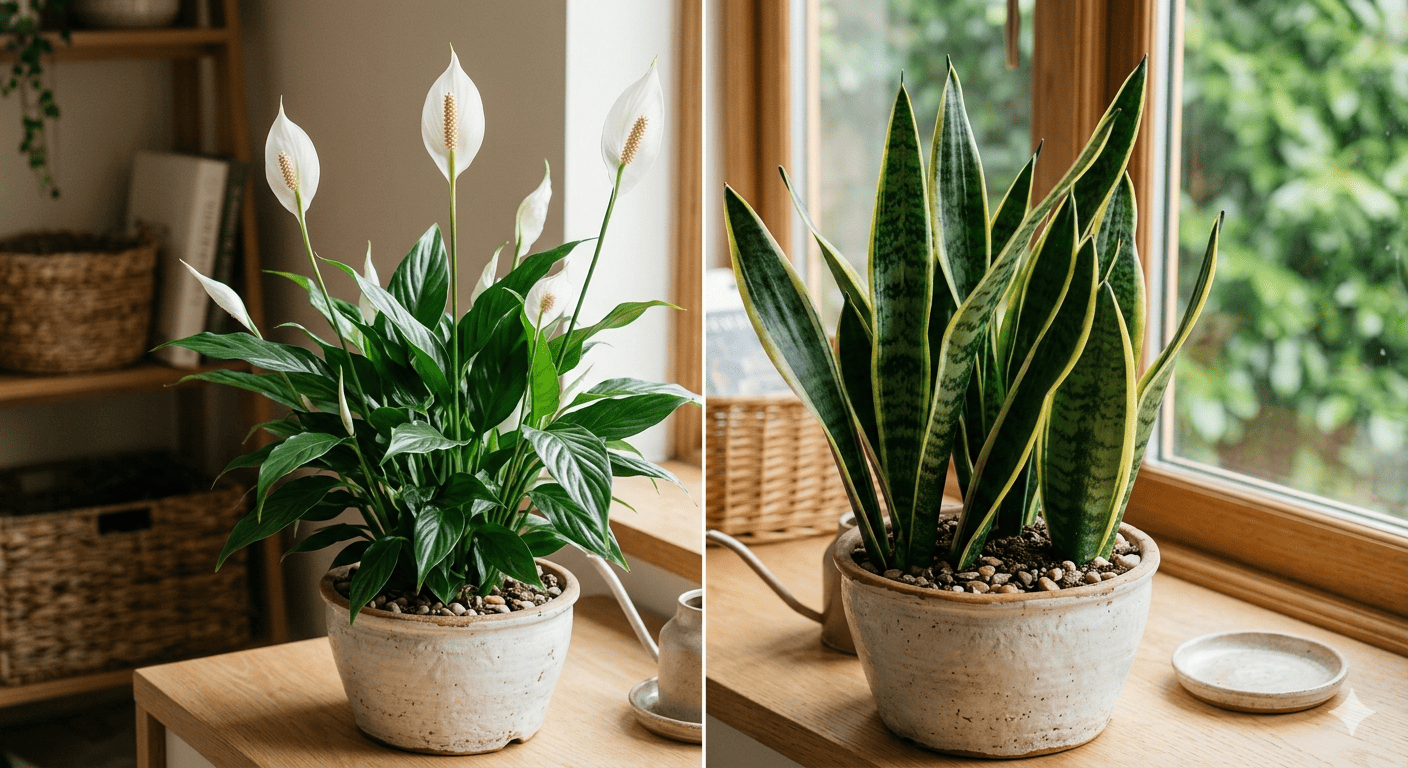
The main differences are their appearance, watering needs, and care requirements. Peace lilies have soft, dark green leaves and white flowers, needing weekly watering and higher humidity. Snake plants have stiff, upright, patterned leaves and need watering only every few weeks. Peace lilies prefer a moist environment while snake plants are drought tolerant.
5. Are peace lily or snake plant safe for pets?
Neither plant is fully safe for pets. The peace lily is toxic to cats and dogs and can cause more serious symptoms if ingested. The snake plant is mildly toxic and can cause gastrointestinal upset. If you have pets, keep both plants out of their reach or opt for pet-safe houseplants instead.