How to Start a Container Vegetable Garden (Beginner’s Shopping List)
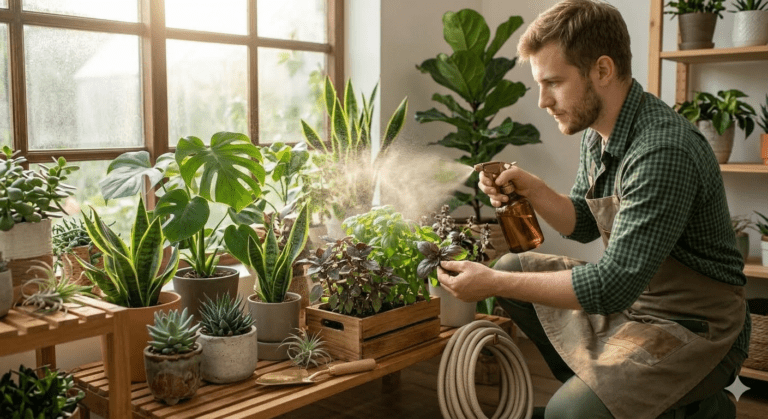
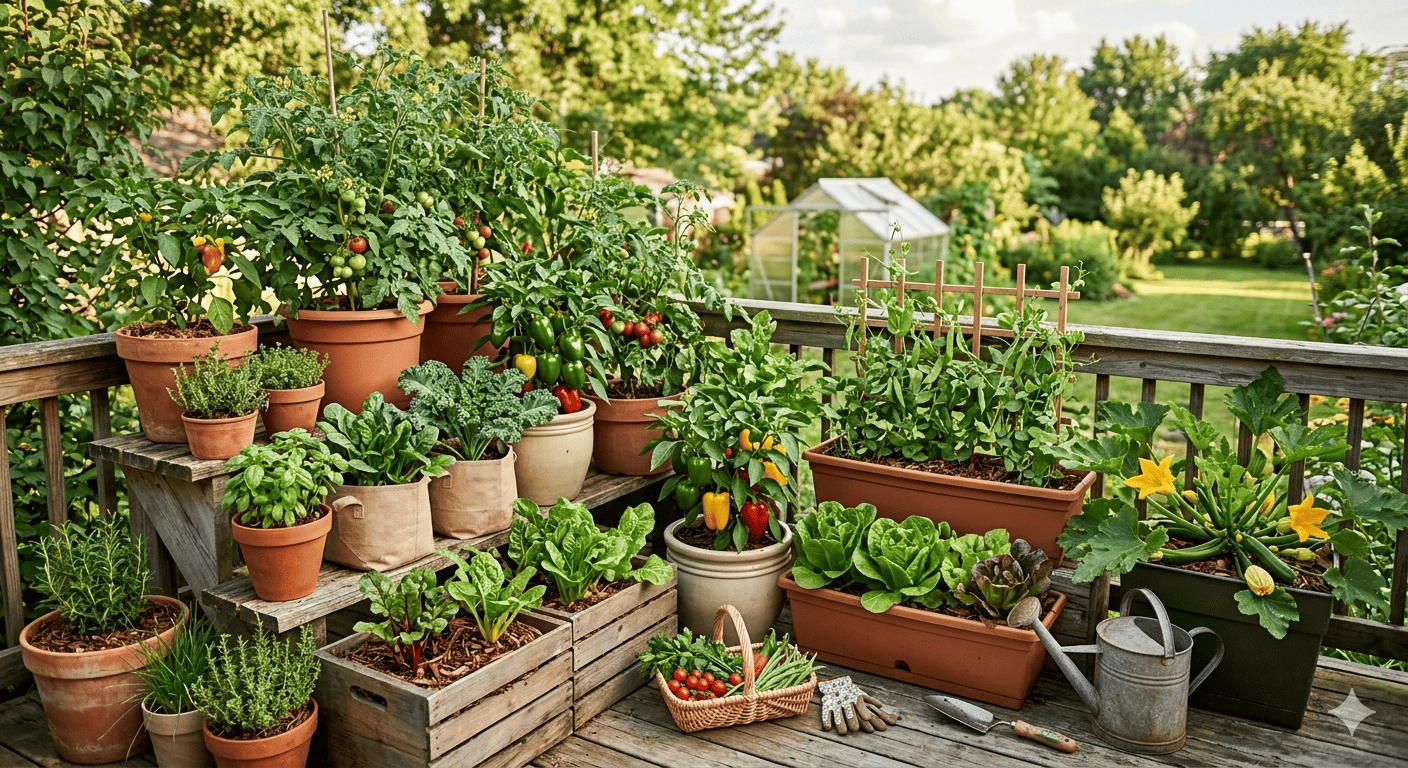
So you want to grow your own vegetables but you don’t have a yard, or maybe your outdoor space is just a tiny balcony or patio? Great news: you don’t need a big garden to grow fresh, delicious produce. Starting a container vegetable garden for beginners is one of the most rewarding and practical ways to grow your own food, no matter how little space you have.
In this guide, you will learn exactly how to set up your first container vegetable garden from scratch, which supplies to buy, and which vegetables are easiest to grow in pots. By the end, you will also have a handy beginner container garden shopping list you can take straight to your local garden centre or use to shop online. Whether you have a sunny windowsill, a small balcony, or a compact patio, this guide is for you.
Can You Grow Herbs Indoors All Year Round? (A Beginner-Friendly Guide)
Why Choose Container Vegetable Gardening?
Container vegetable gardening is perfect for beginners because it is flexible, low cost to start, and surprisingly productive. You are in full control of the soil quality, watering, and sunlight, which means fewer pest problems and healthier plants. It is also incredibly forgiving. If something is not working, you can simply move the pot to a better spot.
Growing vegetables in containers is also ideal if you rent your home, since you can take your garden with you when you move. And because you are working in a small, manageable space, it is far easier to maintain than a traditional ground garden.
Best Indoor Plant Stands for Small Spaces
What Vegetables Grow Best in Containers for Beginners?
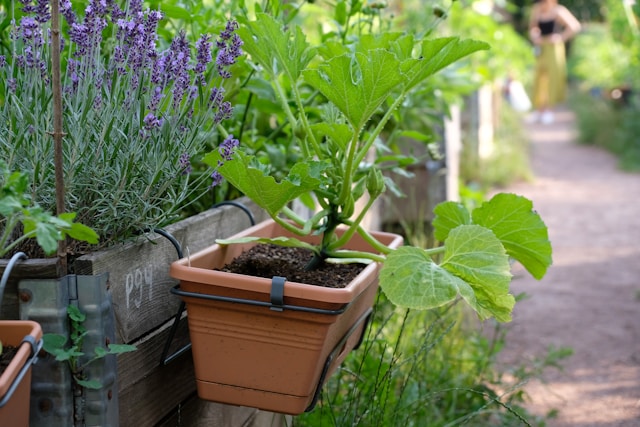
Not every vegetable thrives in a pot, but plenty of them do beautifully. Before you start buying supplies, it helps to know what you want to grow. Here are the easiest vegetables to grow in pots for beginners:
- Tomatoes (cherry varieties are best for pots)
- Lettuce and salad greens
- Radishes
- Green beans
- Peppers (sweet or chilli)
- Herbs like basil, parsley, and mint
- Courgettes (use large containers)
- Spring onions
Tomatoes, lettuce, and herbs are particularly great starting points because they grow quickly, produce a good yield from small pots, and give you instant motivation to keep going.
Best Potting Mix for Indoor Plants
How to Start a Container Vegetable Garden Step by Step
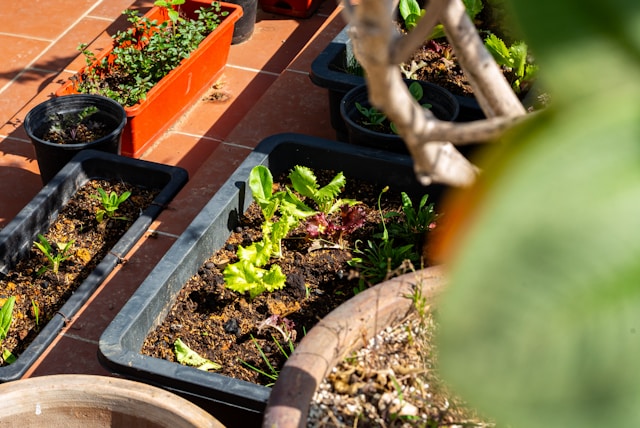
Setting up your container vegetable garden does not have to be complicated. Follow these steps and you will have your first plants in the ground (or rather, in pots!) in no time.
Step 1: Choose the Right Location
Most vegetables need at least six hours of direct sunlight per day. Before buying anything, observe where the sun falls on your balcony, patio, or windowsill throughout the day. South or west-facing spots are usually ideal. If sunlight is limited, focus on shade-tolerant crops like lettuce, spinach, and herbs.
Step 2: Pick the Right Containers
The best containers for growing vegetables on a balcony or patio are ones with good drainage holes and enough depth for roots to grow. Here is a simple size guide:
- Small pots (15 to 20cm): Herbs, radishes, spring onions
- Medium pots (25 to 35cm): Lettuce, peppers, dwarf beans
- Large pots (40cm and above): Tomatoes, courgettes, aubergines
Plastic pots retain moisture better than terracotta, which is helpful if you tend to forget watering. Fabric grow bags are also an excellent affordable option for tomatoes and potatoes.
What Causes Root Rot In Orchids?
Step 3: Use the Right Soil
Do not use garden soil in containers. It compacts too easily and does not drain well. Instead, use a quality potting mix or container compost. Look for a mix labelled for vegetable growing. You can also mix in perlite to improve drainage and slow-release fertiliser granules to feed your plants over time.
This is one of the most important container garden setup steps for beginners. Good soil is the foundation of a healthy patio vegetable garden.
Step 4: Plant and Water Correctly
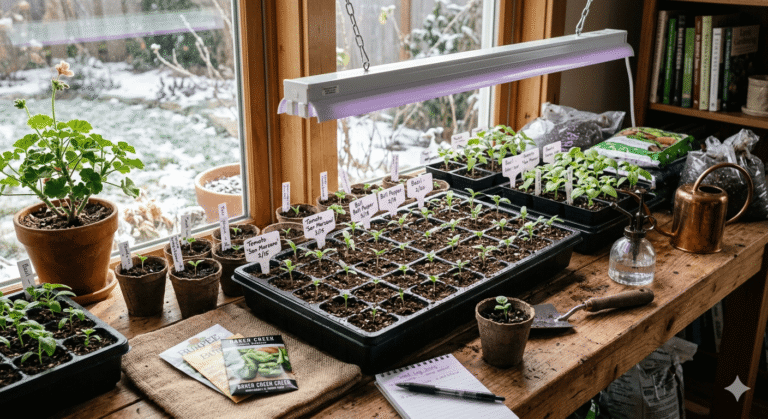
Once your containers are filled with potting mix, it is time to plant. You can start from seeds or buy young seedlings from a garden centre. Seedlings are faster and more beginner-friendly. Plant at the depth shown on the packet or label.
Container plants dry out faster than ground plants, so check the soil daily during warm months. Water when the top centimetre of soil feels dry. During summer, you may need to water once or even twice a day.
The Best Cheap LED Grow Lights For Growing Vegetables
Beginner Container Garden Shopping List
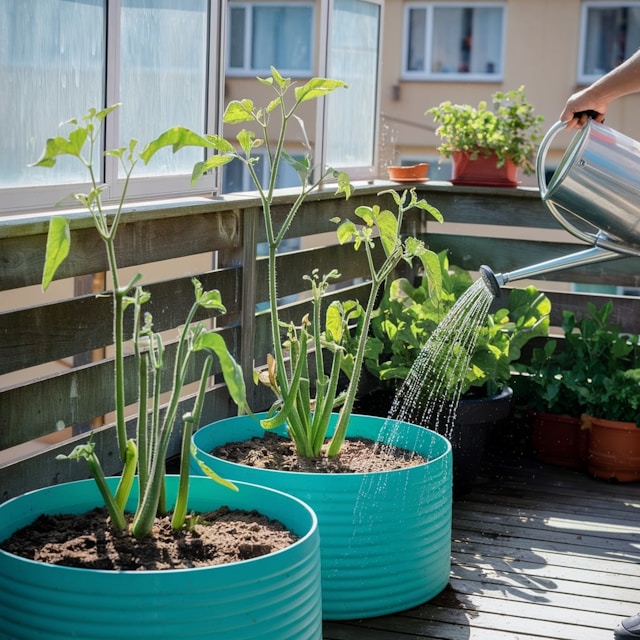
Here is your complete container garden supplies checklist to get started. You do not need everything at once, but this covers all the essentials for a productive small space vegetable garden.
Containers and Growing Spaces
- 2 to 4 medium pots (25 to 35cm) for herbs and lettuce
- 1 to 2 large pots or grow bags (40cm+) for tomatoes or peppers
- Saucers or trays to catch water runoff
Soil and Amendments
- Quality vegetable potting mix or container compost (at least 2 to 3 bags)
- Perlite for drainage
- Slow-release vegetable fertiliser granules
Seeds or Seedlings
- Cherry tomato seedlings
- Mixed lettuce seeds or seedlings
- Basil and parsley seeds
- Pepper seedlings (optional for beginners)
Tools and Extras
- Small hand trowel
- Watering can with a gentle rose head
- Plant labels or markers
- Liquid tomato feed (for fruiting plants)
- Bamboo canes and ties (for taller plants)
How To Grow Cherry Tomatoes In Pots
Beginner Container Garden Mistakes to Avoid
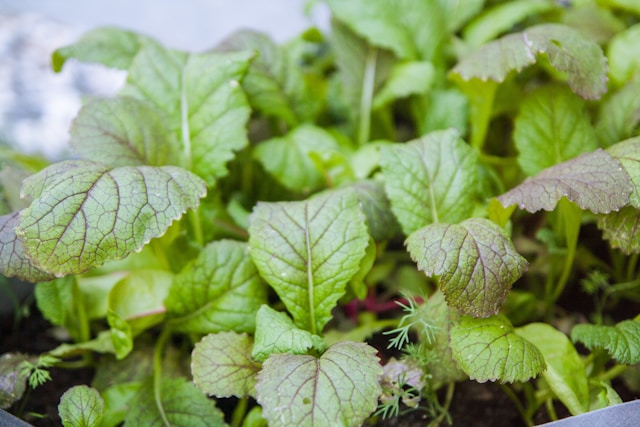
Even with the best intentions, beginners often run into a few common pitfalls. Here is what to watch out for:
- Using pots without drainage holes: Always ensure your containers have holes at the bottom to prevent waterlogging and root rot.
- Overwatering or underwatering: Check the soil before watering. Stick your finger in, and if the top centimetre is dry, it is time to water.
- Planting too close together: Crowded plants compete for nutrients and airflow. Follow spacing guidelines on seed packets.
- Skipping fertiliser: Potting mix runs out of nutrients after a few weeks. Feed your plants with liquid fertiliser every week or two.
- Planting in too little soil: Small pots dry out fast and restrict root growth. Always use the largest container practical for the vegetable you are growing.
Best Gardening Gloves For Small Hands
Frequently Asked Questions
What is the easiest vegetable to grow in a container for beginners?
Lettuce and herbs are widely considered the easiest vegetables to grow in pots for beginners. They grow quickly, do not need large containers, and can tolerate some shade. Cherry tomatoes are also beginner-friendly and very rewarding once they start producing fruit.
Do I need special soil for container vegetable gardening?
Yes. You should always use a dedicated potting mix or container compost rather than regular garden soil. Garden soil becomes compacted in pots, restricts drainage, and can introduce pests and diseases. A quality vegetable potting mix provides the right balance of nutrients, aeration, and moisture retention.
How much does it cost to start a container vegetable garden?
You can start a basic container vegetable garden for as little as KES 3,000 to KES 7,000 (or roughly $20 to $50 USD). The main costs are pots, potting mix, and seedlings or seeds. Starting from seeds is cheaper, while seedlings are faster and easier for first-timers.
How often should I water container vegetables?
Container vegetables typically need watering every one to two days during warm weather. Check the soil daily by pressing your finger about one centimetre into the potting mix. If it feels dry, water thoroughly until it drains from the bottom holes. Avoid letting plants sit in standing water.
Can I grow a container vegetable garden on a balcony?
Absolutely. A balcony vegetable garden is one of the most popular forms of urban vegetable gardening. As long as your balcony receives at least four to six hours of sunlight and can support the weight of pots filled with soil, you can grow a productive and colourful edible garden in a surprisingly small space.