Rubber Plant Care Indoors: The Complete Guide
If you have been searching for a houseplant that is both stunning and surprisingly easy to keep alive, you are in the right place. Rubber plant care indoors is simpler than most people think, yet there are a few key things you need to get right from the start. The rubber plant, or Ficus elastica, is one of the most popular indoor plants in the world, and for good reason. With its bold, glossy leaves and dramatic upright growth, it can transform any room into a lush, tropical-feeling space.
In this guide, you will learn everything about indoor rubber plant care, from the right light conditions and watering schedule to soil, pruning, and how to fix the most common problems. Whether you are a complete beginner or a seasoned plant parent, this article has you covered.
Best Watering Cans for Indoor Plants (Small and Large)
Why Choose a Rubber Plant for Your Home?
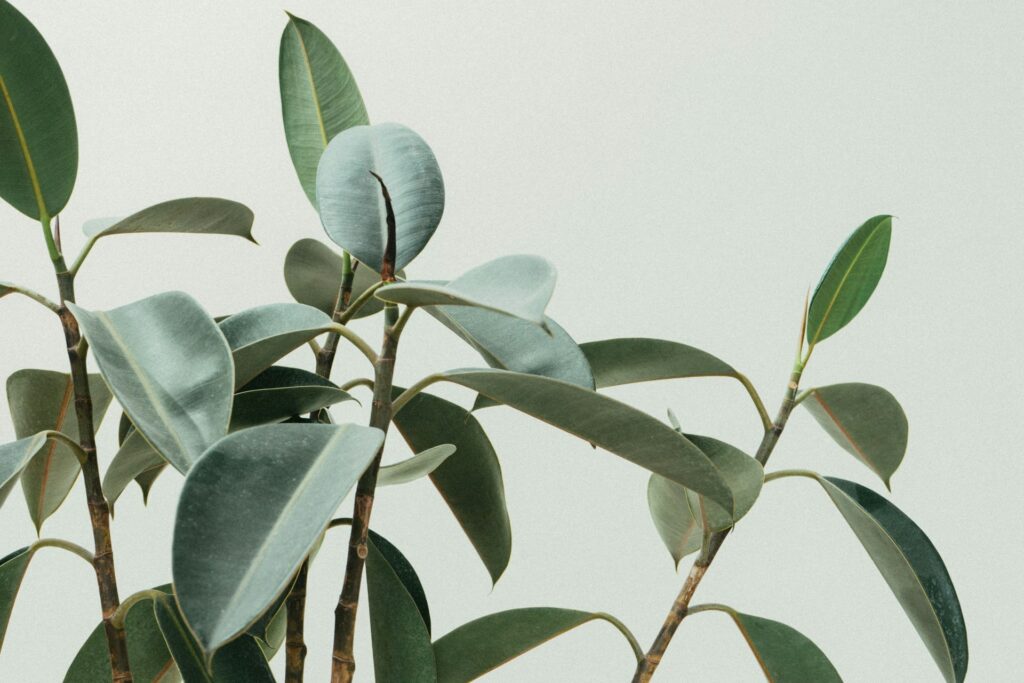
The rubber tree plant is one of the best choices for indoor spaces because it adapts well to a wide range of conditions. It tolerates low light better than many tropical plants, it does not need constant watering, and it grows fast enough to be rewarding without becoming unmanageable.
Beyond its looks, Ficus elastica care is genuinely beginner-friendly. Studies have also shown that plants like the rubber plant can improve air quality and reduce indoor stress, making them as functional as they are beautiful.
Rubber Plant Light Requirements: Finding the Right Spot
Light is one of the most important factors in rubber plant care indoors. The good news is that Ficus elastica is flexible, but it does have preferences. Here is what you need to know.
Best Light Conditions
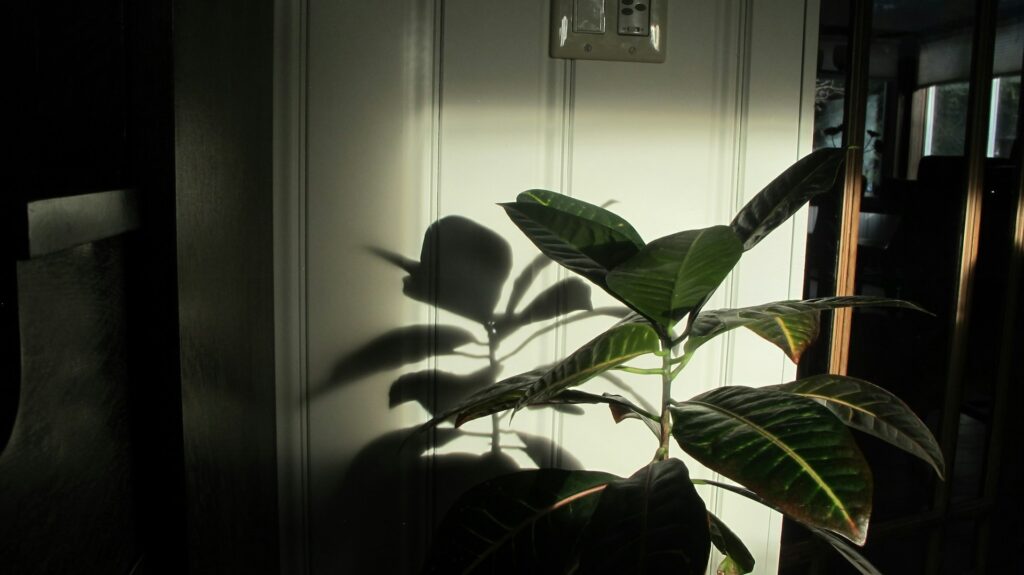
Rubber plants thrive in bright, indirect light. A spot near a north- or east-facing window is ideal. They can handle a couple of hours of direct morning sun, but harsh afternoon sun can scorch those beautiful leaves. If your home does not get a lot of natural light, do not panic. Rubber plants can survive in lower light, though growth will slow and the leaves may lose some of their vibrant color over time.
Signs your plant is not getting enough light include pale, small new leaves and very slow growth. If you notice these, move the plant closer to a window or consider a grow light during the darker winter months.
How to Water a Rubber Plant Indoors
Overwatering is the number one killer of indoor rubber plants. One of the most important rules of Ficus elastica care is to let the soil dry out partially between waterings. Here is a simple routine to follow.
- Check the soil before watering. Stick your finger about 2 inches into the soil. If it still feels moist, wait a few more days.
- Water thoroughly when the top 2 inches of soil are dry. Let water drain freely from the bottom of the pot.
- In summer, you may need to water every 7 to 10 days. In winter, cut back to every 2 to 3 weeks.
- Always use room-temperature water. Cold water can shock the roots.
Yellow leaves are usually a sign of overwatering, while brown, crispy leaf edges often point to underwatering or low humidity. Getting the watering right is probably the single most impactful thing you can do for your rubber plant.
How To Care For ZZ Plant Indoors
Best Soil Mix and Potting Tips for Indoor Rubber Plants
When it comes to rubber plant soil, drainage is everything. Ficus elastica does not like sitting in soggy soil, so the best mix is one that holds just enough moisture while allowing excess water to drain quickly.
A good potting mix for a rubber plant indoors could be a standard houseplant potting soil mixed with perlite or coarse sand in a 2:1 ratio. This improves aeration and prevents the roots from becoming waterlogged.
Always choose a pot with drainage holes. Terracotta pots are great because they allow the soil to dry out more evenly, though any material works as long as water can escape freely. Repot your rubber plant every 1 to 2 years, or when you notice roots circling the bottom of the pot or growing out of the drainage holes.
How To Make A Succulent Terrarium For Indoor Plants
Temperature and Humidity: Keeping Your Rubber Plant Comfortable
Rubber plants are tropical by nature, so they prefer warm, stable temperatures. Ideal indoor temperatures range between 60 and 80 degrees Fahrenheit (15 to 27 degrees Celsius). Keep your plant away from cold drafts, air conditioning vents, and sudden temperature changes, especially in winter.
In terms of humidity, rubber plants appreciate a moderately humid environment. Average household humidity is usually fine, but if your home is very dry, especially in winter when heating systems are running, you can mist the leaves occasionally, place a humidifier nearby, or set the pot on a tray of pebbles filled with water.
How to Create a Pebble Tray for Your Houseplants
Fertilizing Your Rubber Plant for Healthy Growth
During the growing season, which runs from spring through summer, rubber plants benefit from regular feeding. Use a balanced liquid fertilizer diluted to half strength, and apply it once a month. This supports healthy, fast growth and keeps those signature glossy leaves looking their best.
Stop fertilizing in autumn and winter. The plant naturally slows down during cooler, darker months, and feeding during this time can cause salt buildup in the soil, which damages roots.
The Complete Guide to Christmas Cactus Care (Beginner-Friendly)
Rubber Plant Pruning: Shaping and Controlling Growth
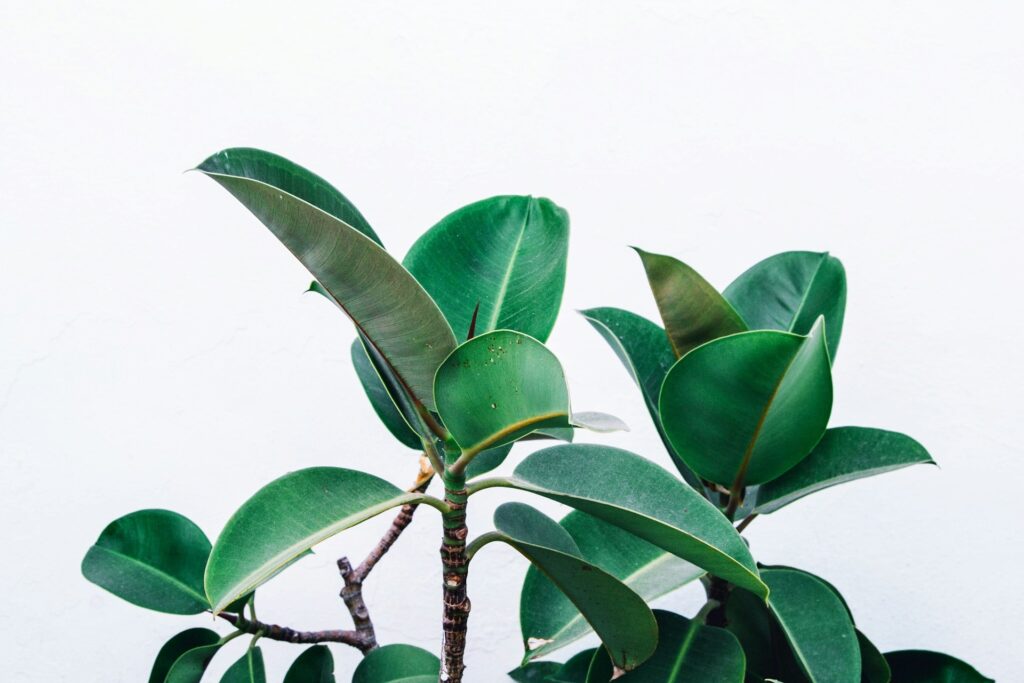
One of the best things about the rubber tree plant is how easy it is to shape. Rubber plant pruning keeps the plant looking tidy and encourages bushier, fuller growth rather than a single tall stem.
Prune in spring or early summer using clean, sharp scissors or pruning shears. You can pinch off the growing tip to encourage branching, or cut back longer stems to your desired height. Always wear gloves when pruning because the milky sap, called latex, can irritate skin and stain surfaces.
Cut just above a leaf node, which is where a leaf meets the stem. New growth will emerge from just below the cut, giving you a fuller, more attractive plant.
5 Best Gardening light meter For Plant Care
How to Propagate a Rubber Plant in Water
Rubber plant propagation is a fun way to create new plants from your existing one. The most beginner-friendly method is water propagation.
- Cut a healthy stem about 4 to 6 inches long, just below a leaf node.
- Remove the lower leaves, leaving only the top one or two.
- Place the cutting in a glass of clean water, ensuring the node is submerged but no leaves are touching the water.
- Keep it in a warm, bright spot and change the water every 3 to 4 days.
- Once roots are at least an inch long, usually within 4 to 6 weeks, pot the cutting in fresh soil.
How to Get Rid of Aphids on Plants Naturally
Common Rubber Plant Problems and How to Fix Them
Even with the best rubber plant care indoors, you may run into a few common issues. Here is a quick troubleshooting guide.
Rubber Plant Leaves Drooping or Dropping
This is almost always stress-related. Moving the plant, drafts, temperature swings, or overwatering can all trigger leaf drop. Stabilize conditions and be patient as the plant adjusts.
Yellow Leaves
Yellow leaves usually point to overwatering. Check the soil and adjust your watering frequency. Less is almost always more.
Brown Leaf Tips or Edges
This often indicates low humidity or underwatering. Boost humidity and check your watering routine.
Pests
Spider mites, mealybugs, and scale insects can occasionally appear. Wipe leaves regularly with a damp cloth to keep them clean and check for early signs of infestation. Treat with neem oil or insecticidal soap if needed.
How to Clean Rubber Plant Leaves to Make Them Shine
One often-overlooked part of indoor rubber plant care is leaf maintenance. Dust builds up on the large, glossy leaves and blocks light absorption. Simply wipe each leaf gently with a soft, damp cloth every few weeks. This keeps the plant looking stunning and functioning at its best.
Can Succulents Survive In An Air Conditioned Room?
Rubber Plant Care in Winter Indoors
Winter requires a few adjustments to your Ficus elastica care routine. Water less frequently, stop fertilizing, and make sure the plant is not near a cold window or heating vent. If your home gets particularly cold, move the plant to a warmer spot. Growth will slow significantly in winter, and that is perfectly normal. Do not overwater in an attempt to compensate.
Terracotta Pots vs Plastic Pots: Which Is Best for Your Plants?
Frequently Asked Questions (FAQs)
How often should I water a rubber plant indoors?
Water your rubber plant when the top 2 inches of soil feel dry, which is typically every 7 to 10 days in summer and every 2 to 3 weeks in winter. Always check the soil before watering rather than following a rigid schedule.
Why are my rubber plant leaves turning yellow?
Yellow leaves on a rubber plant are most commonly caused by overwatering. Allow the soil to dry out more between waterings. Less frequent root rot, poor drainage, or low light can also cause yellowing.
How do I make my rubber plant grow faster indoors?
To encourage faster growth, place your rubber plant in bright indirect light, fertilize monthly during spring and summer with a balanced liquid fertilizer, and make sure it is in a pot size that allows for root growth. Consistent warmth and regular watering also help.
Is a rubber plant safe for pets?
Unfortunately, rubber plants are toxic to cats and dogs. The latex sap can cause vomiting, drooling, and skin irritation if ingested. Keep your plant out of reach of pets and handle with gloves when pruning.
What is the best spot in the house for a rubber plant?
The best spot for an indoor rubber plant is near a bright window that receives indirect light for most of the day. A north- or east-facing windowsill is ideal. Avoid placing it in direct afternoon sun, near air vents, or in cold, draughty areas.