How to Care for a Chinese Evergreen Indoors
If you’ve ever walked into a home or office and noticed a plant with striking silver, green, and pink patterned leaves sitting quietly in a low light corner, there’s a good chance you were looking at a Chinese Evergreen. This plant has earned a reputation as one of the most forgiving houseplants you can bring home, and once you understand the basics of Chinese Evergreen care, it practically takes care of itself.
In this guide, we’ll walk through everything you need to know about how to care for a Chinese Evergreen indoors, including the right amount of light, how often to water, the best soil mix, humidity needs, common problems like yellowing or drooping leaves, and simple propagation tips. Whether you’re a plant parent just starting out or someone looking to troubleshoot an unhappy plant, this article will give you practical, real answers you can use today.
What Is a Chinese Evergreen?
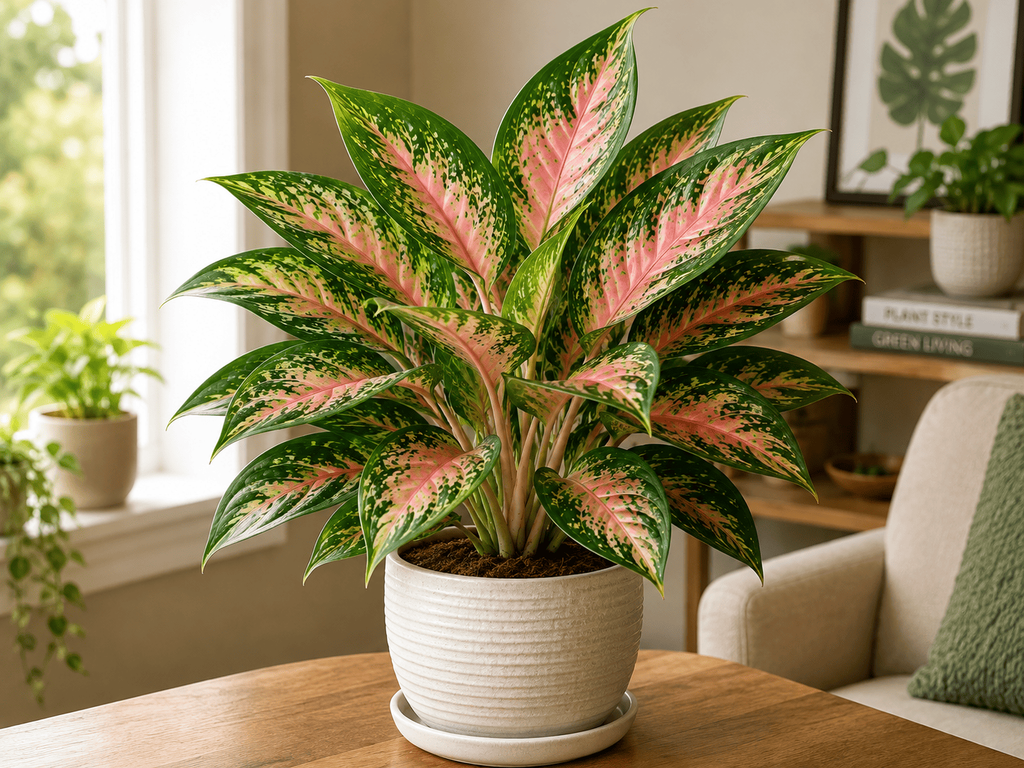
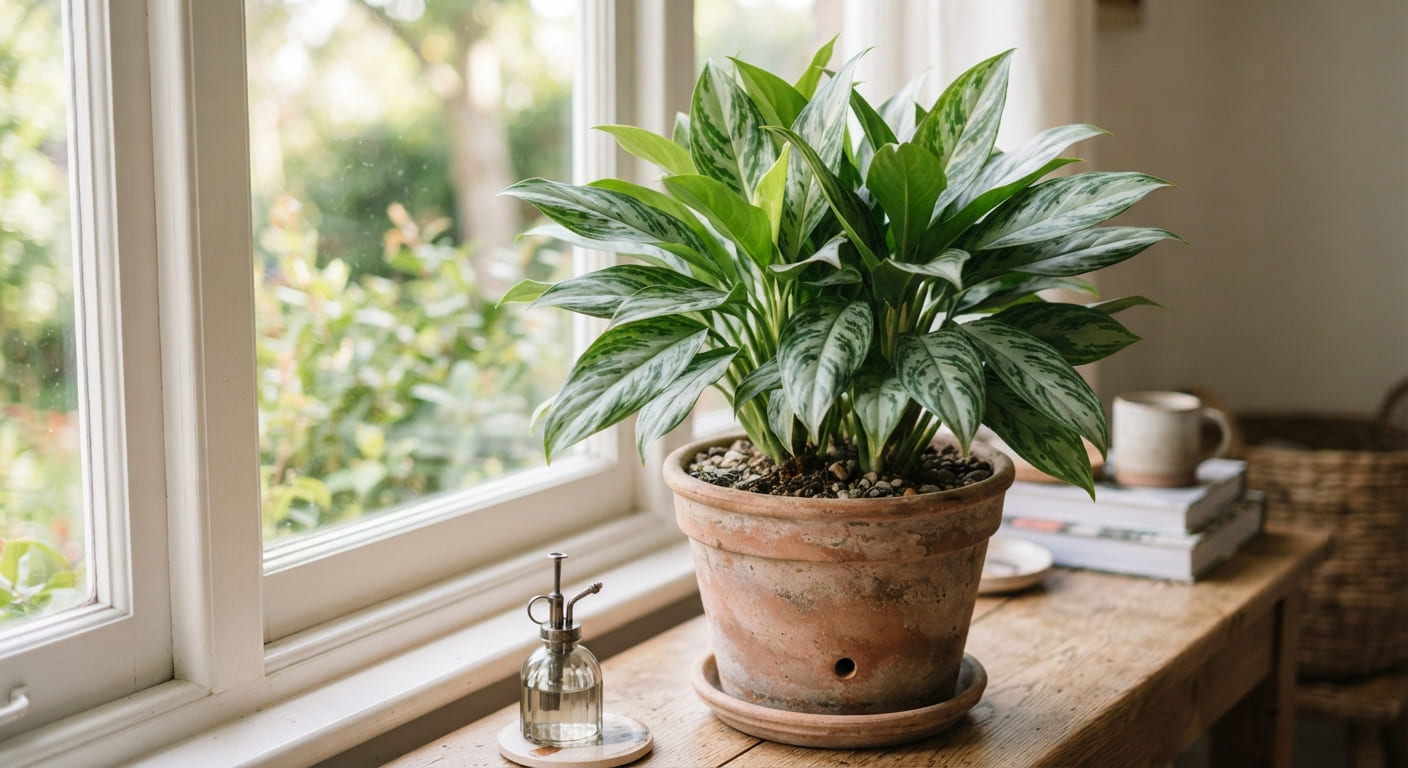
The Chinese Evergreen, botanically known as Aglaonema, is a tropical plant native to the rainforests of Asia. It belongs to a large family of aglaonema varieties that range from deep green leaves to bright pink and silver variegated patterns.
Because it evolved growing under the canopy of taller trees, it naturally adapts well to the lower light conditions found in most homes, which is exactly why it has become such a popular indoor chinese evergreen choice for beginners and busy plant owners alike.
Beyond its beauty, this plant is also known for being relatively low maintenance, slow growing, and tolerant of a bit of neglect, making it ideal for offices, bedrooms, or any room that doesn’t get a ton of direct sun.
Chinese Evergreen Care Tips
Chinese Evergreen Light Requirements
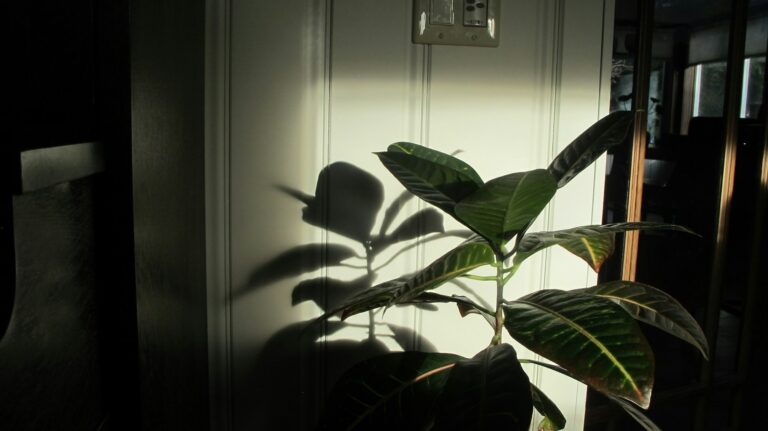
Getting the light right is one of the most important parts of chinese evergreen care. These plants thrive in medium to low indirect light, which is part of what makes them one of the best low light houseplants available. A spot near a north or east facing window works well, or a few feet back from a brighter window where the light is filtered rather than direct. Darker green varieties tolerate low light better, while the more colorful, variegated types like Aglaonema Red or Silver Bay need a bit more brightness to keep their patterns vibrant.
What you want to avoid is placing your plant in direct, intense sunlight, especially in the afternoon, since this can scorch the leaves and cause brown, crispy patches. If your Chinese Evergreen starts looking pale, leggy, or the leaf color starts to fade, that’s usually a sign it needs a bit more light, not less.
How Often Should You Water a Chinese Evergreen?
Chinese evergreen watering is another area where people tend to overdo it. As a general rule, you should let the top inch or two of soil dry out completely between waterings. Depending on the humidity and light in your home, this usually works out to watering once every one to two weeks.
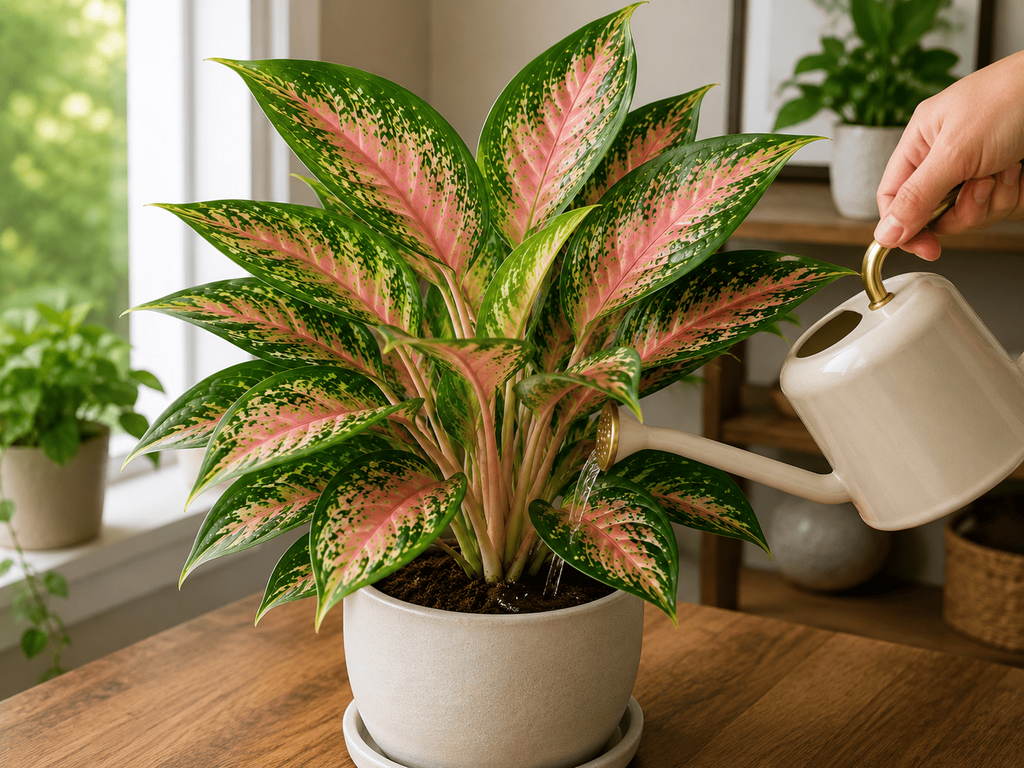
Stick your finger into the soil before reaching for the watering can. If it feels dry at that depth, it’s time to water. If it still feels damp, wait a few more days and check again. Overwatering is actually the number one cause of problems with this plant, often leading to root rot, mushy stems, and yellowing leaves.
On the other hand, underwatering will usually show up as drooping or curling leaves, so it’s really about finding that middle ground. Always make sure your pot has drainage holes so excess water can escape rather than sitting at the roots.
Bottom Watering Plants: The Complete Guide
Best Soil Mix for Chinese Evergreen
A well draining chinese evergreen soil mix is essential for healthy roots. A standard indoor potting mix combined with perlite or orchid bark works well because it holds enough moisture to keep the plant hydrated while still allowing excess water to drain quickly. A good ratio is about two parts regular potting soil to one part perlite, which improves aeration and helps prevent the compacted, soggy conditions that lead to root rot.
If you notice water pooling on top of the soil or taking a long time to drain when you water, that’s a sign your current mix might be too dense and could use some amending.
How to Grow Lavender in Pots: A Complete Step-by-Step Guide
Chinese Evergreen Humidity Requirements Indoors
As a tropical plant, the Chinese Evergreen appreciates moderate to high humidity, ideally somewhere between 40 and 60 percent. That said, it’s fairly adaptable and can handle typical household humidity levels without much fuss. If your home tends to be very dry, especially during winter months when heaters are running, you might notice the leaf edges turning brown or crispy.
A few easy fixes include grouping it with other plants, setting the pot on a tray of pebbles and water, or running a small humidifier nearby. Misting can help temporarily but isn’t a long term solution on its own, so pairing it with one of these other methods will give better results.
5 Causes Of Brown Leaves on Monstera Plant
Temperature and Feeding Tips
Chinese Evergreens prefer warm, stable temperatures between 65 and 80 degrees Fahrenheit and don’t do well with cold drafts, so keep them away from air conditioning vents, drafty windows, or exterior doors. During the spring and summer growing season, feed your plant with a balanced, water soluble houseplant fertilizer diluted to half strength about once a month.
In fall and winter, growth naturally slows down, so you can cut back to feeding every couple of months or stop altogether until spring returns.
The Best Houseplant Soil Mix (And How to Make Your Own)
Why Is My Chinese Evergreen’s Leaves Turning Yellow?
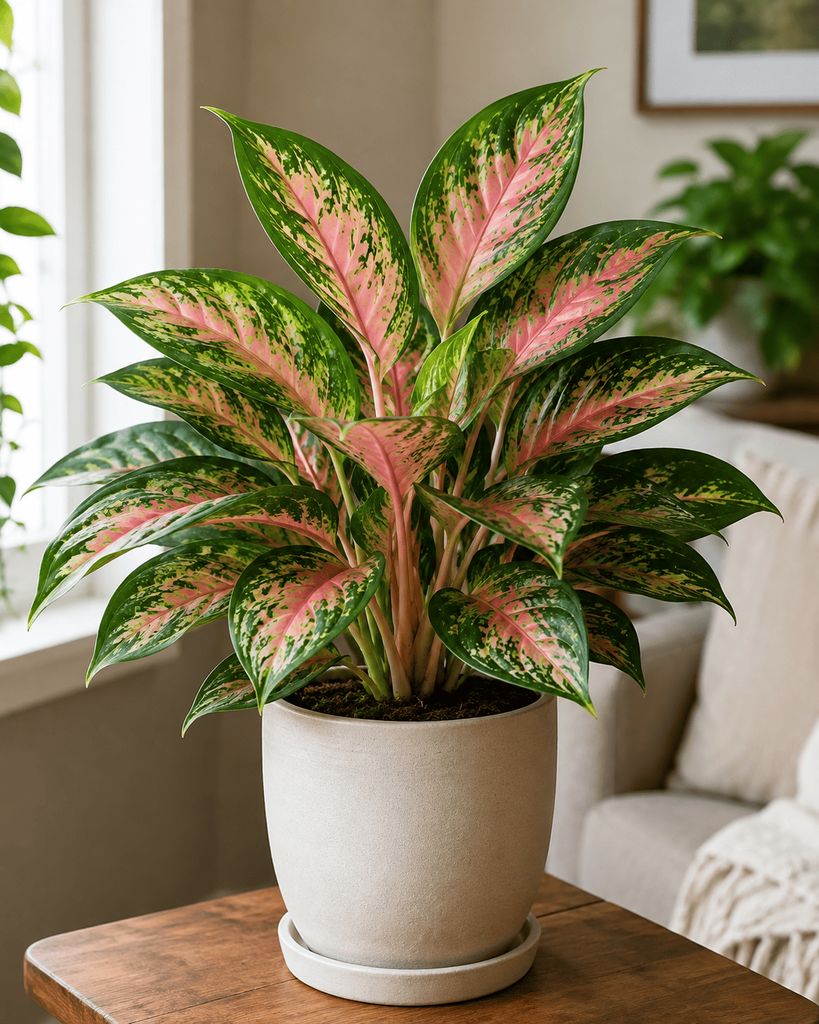
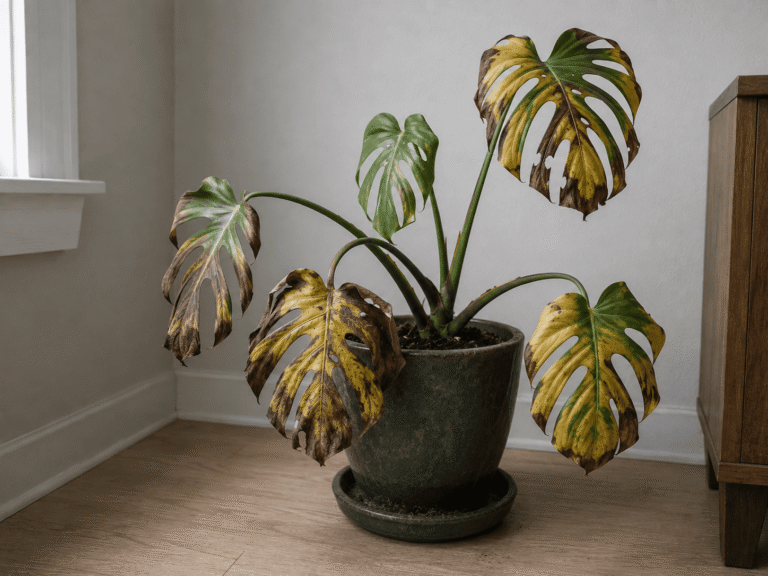
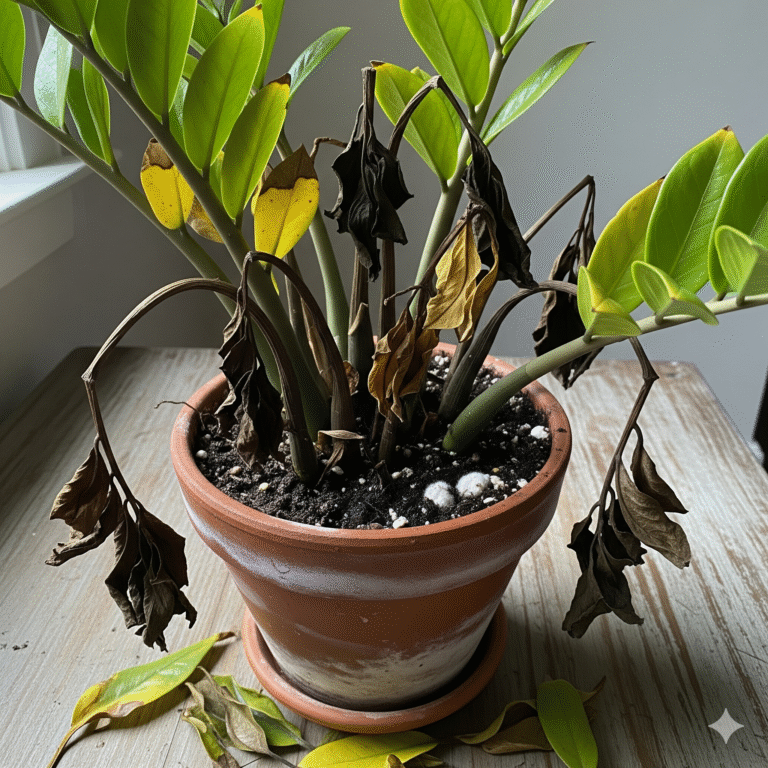
Yellowing leaves are one of the most common complaints from Chinese Evergreen owners, and the cause is almost always related to watering habits. Overwatering is the usual culprit, especially if the yellowing is accompanied by soft or mushy stems near the soil line.
In that case, check the roots for rot, trim away any damaged sections, and consider repotting into fresh, well draining soil. Occasionally, a few lower leaves turning yellow and dropping off is completely normal as the plant ages and puts energy into new growth, so don’t panic over one or two leaves here and there. If the whole plant looks yellow and unhappy, though, it’s worth reassessing your watering schedule and light placement together.
How to Propagate Chinese Evergreen From Cuttings
One of the fun parts of owning this plant is how easy it is to propagate. Simply take a stem cutting with at least one node using clean, sharp scissors, then place it in a glass of water or directly into moist potting mix.
If rooting in water, change it every few days and watch for roots to appear within two to four weeks, at which point you can transfer the cutting into soil. You can also propagate through division when repotting a mature plant, gently separating sections that already have their own roots and stems, then potting each one individually.
Is Chinese Evergreen Toxic to Pets?
It’s worth knowing that Chinese Evergreens contain calcium oxalate crystals, which are mildly toxic if chewed or ingested by cats, dogs, or small children. Symptoms are typically limited to mouth irritation, drooling, or an upset stomach rather than anything severe, but it’s still a good idea to keep the plant out of reach if you have curious pets or little ones at home.
Frequently Asked Questions
How often should I water my Chinese Evergreen?
Water once the top one to two inches of soil feel dry, which is usually every one to two weeks depending on light and humidity in your home.
Can Chinese Evergreen survive in low light?
Yes, it’s one of the most reliable low light houseplants, though darker green varieties handle shade better than colorful variegated types, which prefer a bit more brightness.
Why are the leaf tips on my plant turning brown?
Brown, crispy tips are usually caused by low humidity, tap water with high mineral content, or inconsistent watering. Try filtered water and increasing humidity around the plant.
How big does a Chinese Evergreen grow indoors?
Most indoor plants reach one to three feet tall and wide, though this varies by variety and growing conditions. It’s a slow grower, so expect gradual size increases over a few years.
Is Chinese Evergreen safe for cats and dogs?
It’s mildly toxic if chewed due to calcium oxalate crystals, causing mouth irritation or an upset stomach. It’s best kept out of reach of pets and small children.