Why Is My Monstera Not Growing? 6 Possible Reasons
You brought home your monstera with high hopes, and for a while, it seemed like everything was going great. But now weeks have passed, maybe even months, and you keep asking yourself: why is my monstera not growing? You are not alone. This is one of the most common concerns among plant parents, and the good news is that it almost always has a fixable cause.
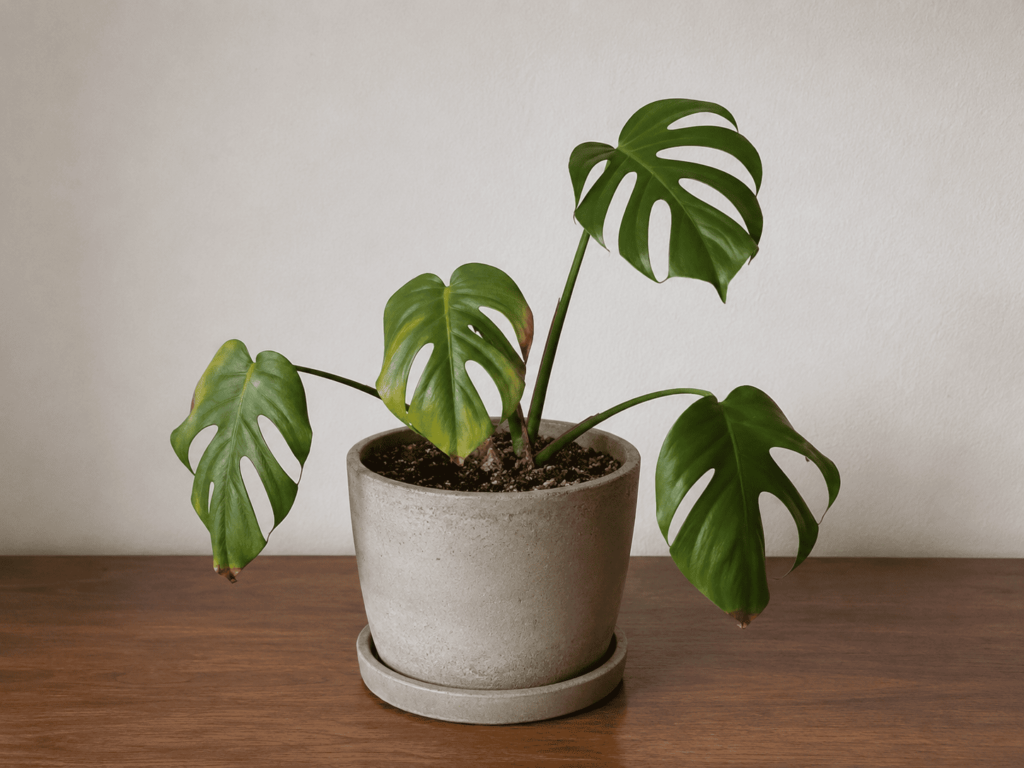
In this article, we break down 6 possible reasons your monstera plant has stalled, along with practical monstera care tips to get it thriving again. Whether your monstera is producing no new leaves, the leaves are not splitting, or growth just seems painfully slow, you will find your answer here.
How To Stop Plants From Growing Back
Reasons For Monstera Not Growing
1. Not Enough Light
Light is probably the number one reason behind slow monstera growth. Monsteras are tropical plants that thrive in bright, indirect light. When they do not get enough of it, photosynthesis slows down and new growth comes to a near halt.
What to do:
- Move your plant closer to a bright window, ideally facing east or west.
- Avoid direct afternoon sun, which can scorch the leaves.
- If natural light is limited, consider a full-spectrum grow light.
2. Overwatering or Underwatering
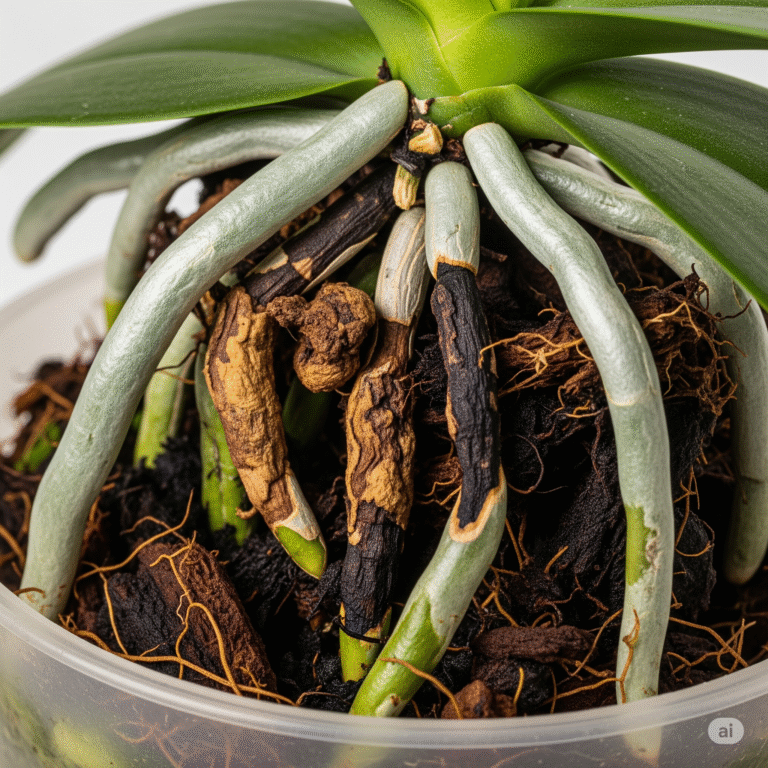
Watering issues are another major reason your monstera may have stopped producing new leaves. Overwatering leads to root rot, which cuts off the plant’s ability to absorb nutrients. Underwatering, on the other hand, leaves the plant in survival mode, directing all energy to staying alive rather than producing new growth.
What to do:
- Water your monstera only when the top 2 inches of soil feel dry.
- Ensure your pot has proper drainage holes to prevent waterlogging.
- If you suspect root rot, remove the plant from its pot, trim the affected roots, and repot into fresh, well-draining soil.
The Best Way To Water A Monstera Plant
3. The Plant Is Root-Bound
If your monstera has been sitting in the same pot for more than a year or two, it may have outgrown its home. When roots run out of space, the plant struggles to absorb water and nutrients efficiently, and above-ground growth slows significantly. This is a surprisingly common reason behind a monstera not growing, especially in plants that have been well cared for.
What to do:
- Check if roots are coming out of the drainage holes or circling at the base of the pot.
- Repot into a container that is 2 to 3 inches larger in diameter.
- Use a well-draining potting mix, ideally one formulated for aroids.
4. Nutrient Deficiency
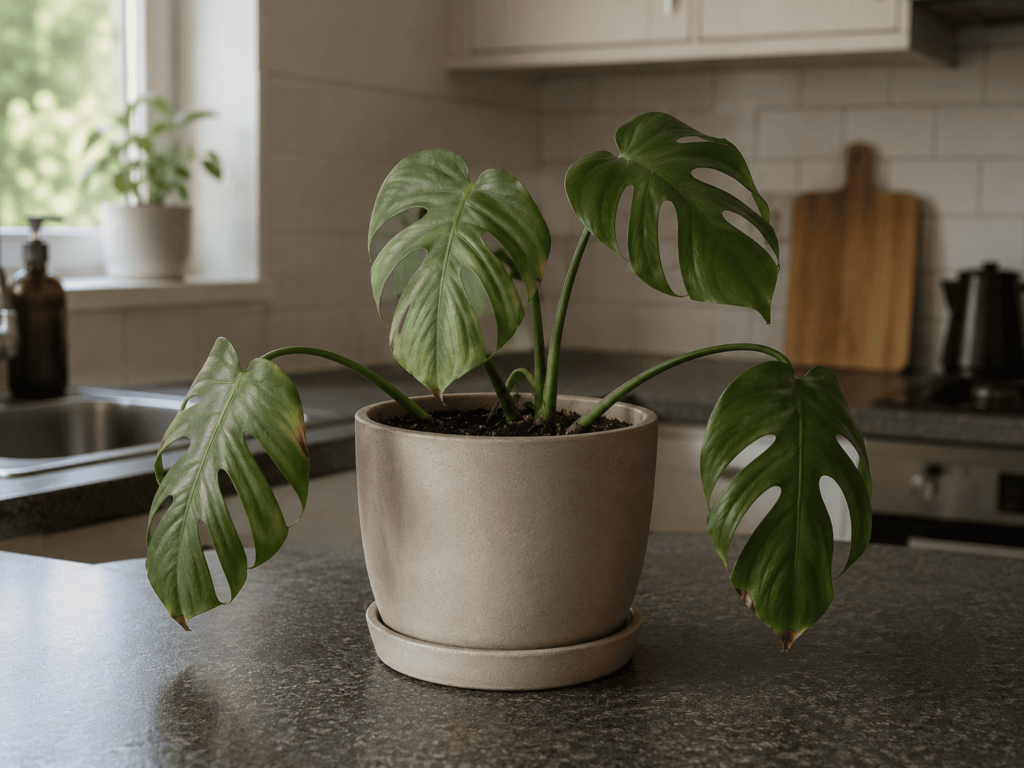
Plants need nutrients to grow, and if your monstera has been sitting in the same soil for an extended period without any fertilization, it has likely used up most of what was available. Nitrogen deficiency in particular can cause slow monstera growth and pale, lackluster leaves.
What to do:
- Feed your monstera with a balanced liquid fertilizer (such as a 20-20-20 formula) during the growing season, typically spring through summer.
- Fertilize once a month and reduce or stop during fall and winter.
- Avoid over-fertilizing, as this can burn roots and cause more plant health problems.
5. Cold Temperatures or Low Humidity
Monsteras are tropical plants at heart. They love warmth and humidity. If your home is too cold or dry, especially during winter, do not be surprised if your monstera plant stops growing entirely. Temperatures below 60 degrees Fahrenheit (15 degrees Celsius) can cause the plant to go dormant or severely restrict its development.
What to do:
- Keep your monstera in a room that stays between 65 and 85 degrees Fahrenheit (18 to 30 degrees Celsius).
- Maintain humidity levels above 50 percent. A humidifier or a pebble tray with water can help.
- Keep your plant away from cold drafts, air conditioning vents, and heating units.
6. It Is Simply Dormant
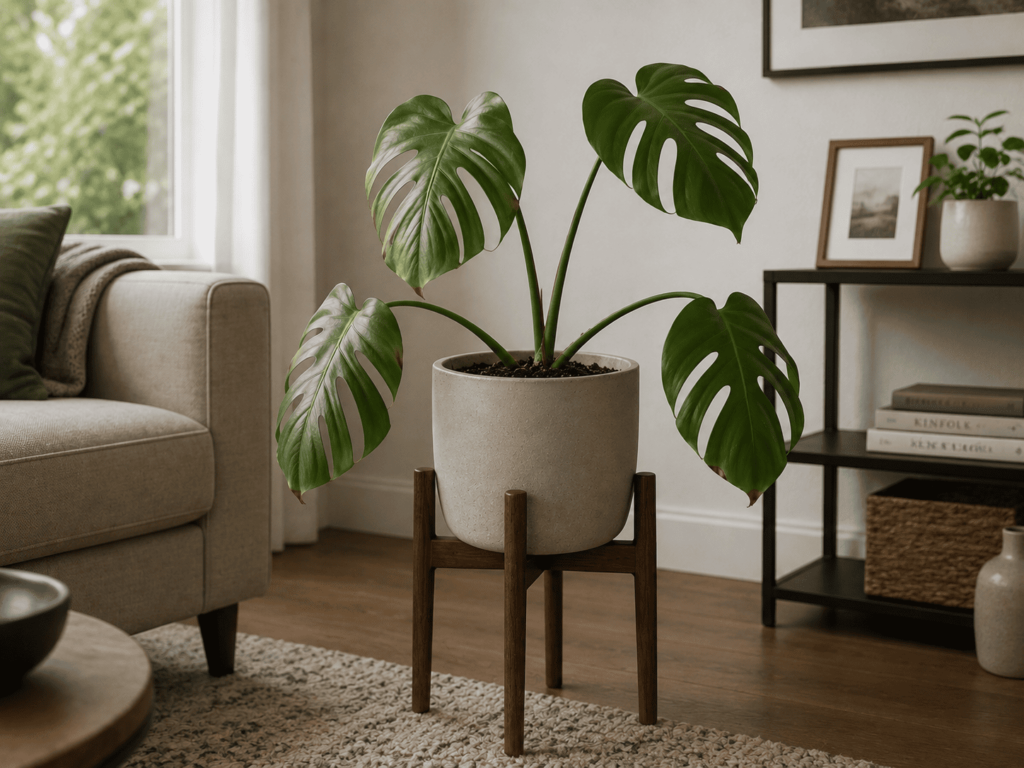
Sometimes the answer to why your monstera is not growing is simply that it is resting. Like many houseplants, monsteras naturally slow down during late fall and winter. This is not a sign that something is wrong. It is the plant conserving energy during a period of lower light and cooler temperatures.
What to do:
- Be patient. Slow monstera growth in winter is completely normal.
- Avoid the urge to over-water or over-fertilize to “wake it up.” This can do more harm than good.
- Once spring arrives and light levels increase, you should start to see new growth returning.
4 Ways to Make Your Jade Plant Grow Faster
Frequently Asked Questions (FAQ)
How often should a monstera produce new leaves?
Under ideal conditions during the growing season (spring and summer), a healthy monstera can produce a new leaf every 4 to 6 weeks. In lower light or cooler months, this naturally slows down to one leaf every couple of months or less.
Why are my monstera leaves not splitting?
Monstera leaves not splitting (fenestrating) is usually due to insufficient light or the plant being too young. Fenestration typically begins when the plant matures and receives bright, indirect light. Young plants under 2 to 3 years old may not yet produce split leaves, even in perfect conditions.
Why is my monstera not growing after repotting?
It is completely normal for a monstera to pause growth after repotting. The plant is focused on adjusting to its new environment and regrowing any roots that may have been disturbed. Give it 2 to 6 weeks to settle in before expecting new leaves to appear.
How do I make my monstera grow faster?
To make your monstera grow faster indoors, focus on these key factors: provide bright indirect light for at least 6 to 8 hours a day, water consistently but only when the soil partially dries out, fertilize monthly in spring and summer, maintain warm temperatures and high humidity, and ensure the pot size is appropriate for the root system.
Is it normal for a monstera to stop growing in winter?
Yes, absolutely. Monsteras enter a natural rest period during the colder months when light levels drop and temperatures decrease. Slow or no growth in winter is perfectly normal and not a sign that your plant is dying. Resume normal care in spring and you should see growth pick back up.