8 Herbs That Taste Better When Stressed
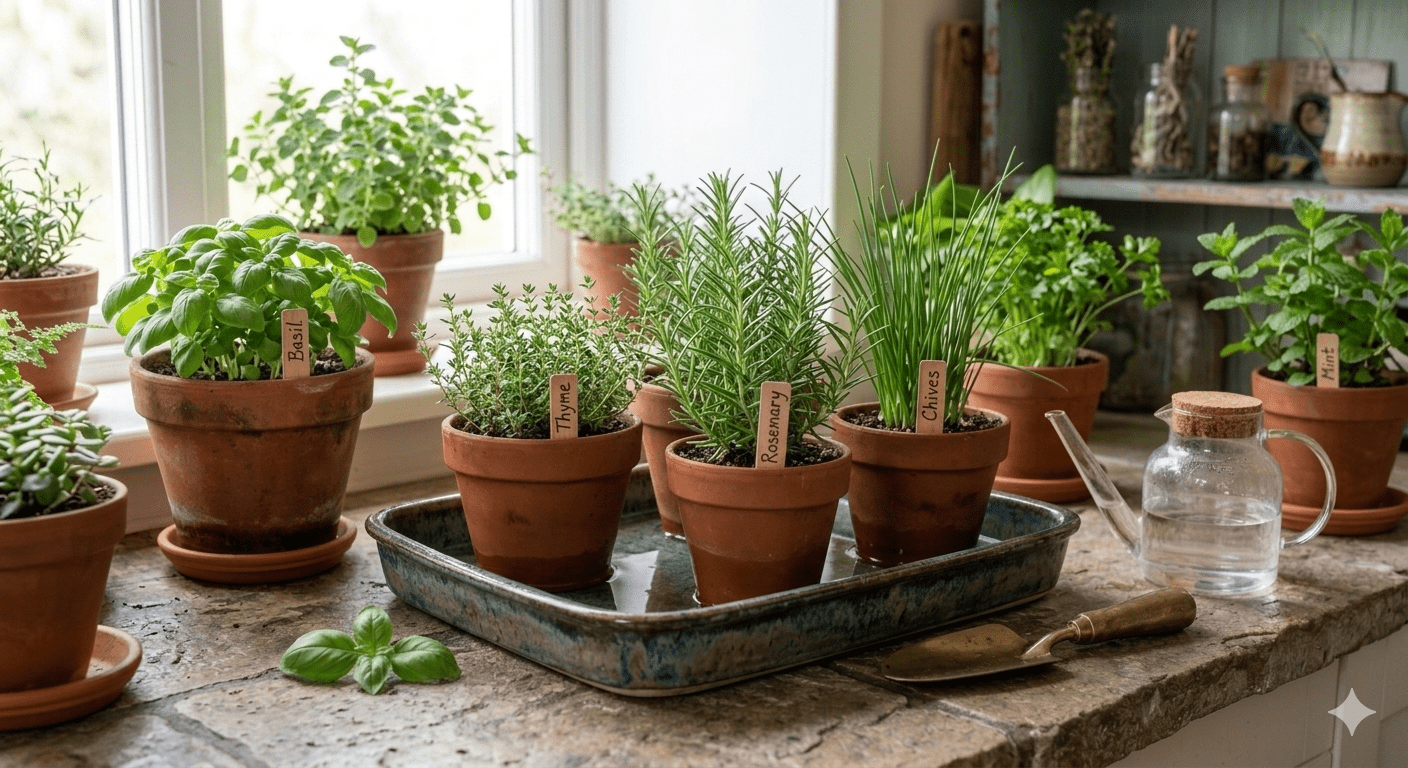
Most gardeners spend a lot of energy keeping their plants happy, well-watered, and well-fed. But here is something that might surprise you: some of your favourite culinary herbs actually taste better when you treat them a little harder. In fact, several of the most beloved cooking herbs in the world are herbs that taste better when stressed.
From the sun-baked hillsides of the Mediterranean to the rocky soils of the Middle East, these plants have evolved to produce more of their powerful essential oils precisely when conditions get tough. Less water, poorer soil, more heat, less fussing. The result? Leaves that are more fragrant, more pungent, and far more flavourful than anything you might find at the supermarket.
In this guide, we are going to walk through eight herbs that develop a stronger, more intense flavour under stress, explain the science behind why it happens, and show you exactly how to recreate those conditions at home.
10 Essential Tips to Care For Plants During a Heat Wave
Why Does Stress Make Herbs More Flavourful?
Before we get into the list, it helps to understand the science. When herbs experience environmental stress, such as drought, intense heat, or nutrient-poor soil, they respond by producing more volatile compounds. These compounds, including essential oils, terpenes, and phenols, are the plants’ defence mechanisms against insects, UV radiation, and dehydration.
For us as cooks and gardeners, these compounds are pure gold. They are what give thyme its earthy punch, oregano its bold kick, and lavender its intoxicating scent. The more stress the plant experiences (within reason), the more concentrated these oils become, and the stronger, more intense the flavour you get in your kitchen.
Now, let’s look at the eight herbs that benefit most from this principle.
The 8 Herbs That Develop Stronger Flavour Under Stress
1. Thyme
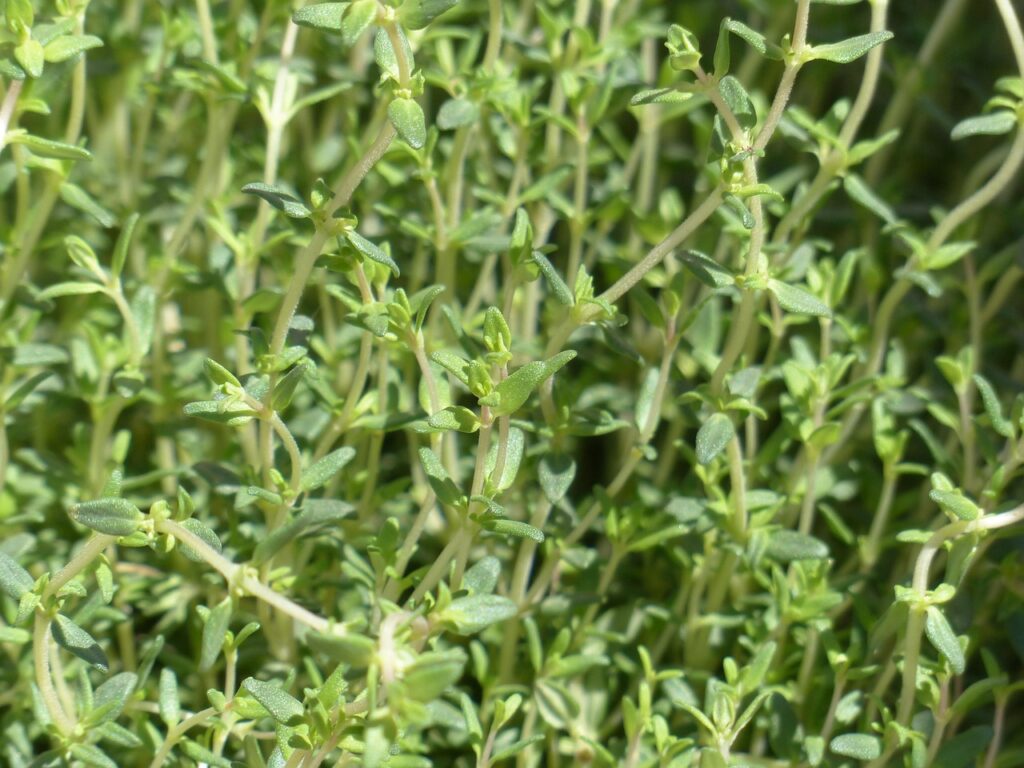
Thyme is perhaps the most well-known example of a herb that produces more essential oils when stressed. Its key flavour compound, thymol, increases significantly when the plant experiences drought conditions. Native to the rocky, dry hillsides of the Mediterranean, thyme thrives on neglect. Growing thyme with stronger flavour is as simple as cutting back on watering once the plant is established, placing it in full sun, and planting it in well-draining, even sandy soil.
How to stress it: Water infrequently, allow the soil to dry out completely between sessions, and avoid over-fertilising. Rich, moist compost will give you lush growth but bland leaves.
2. Oregano
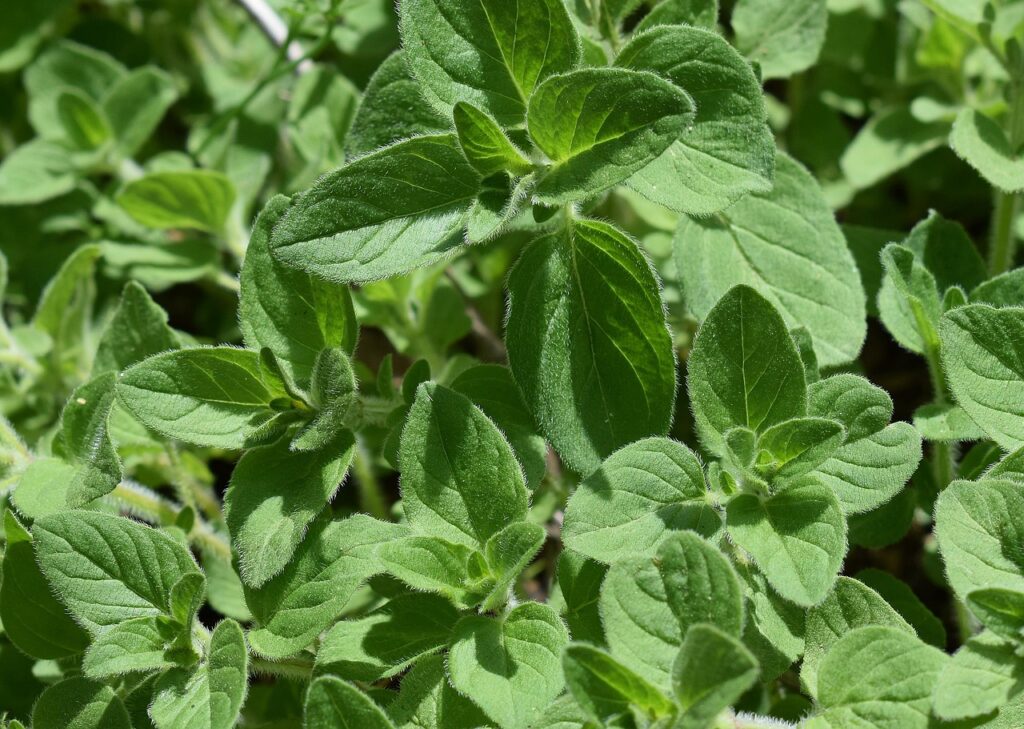
If you have ever tasted fresh oregano from a garden in Greece or southern Italy and wondered why it tastes nothing like the dried stuff from your supermarket, stress is a big part of the answer. Drought-stressed herbs like oregano concentrate their phenolic compounds, particularly carvacrol, producing that robust, almost spicy flavour that is so essential to Mediterranean cooking.
How to stress it: Grow oregano in lean, gritty soil with excellent drainage. Full sun and minimal watering will coax out the most intense flavour. Harvest just before flowering for the highest oil concentration.
3. Rosemary
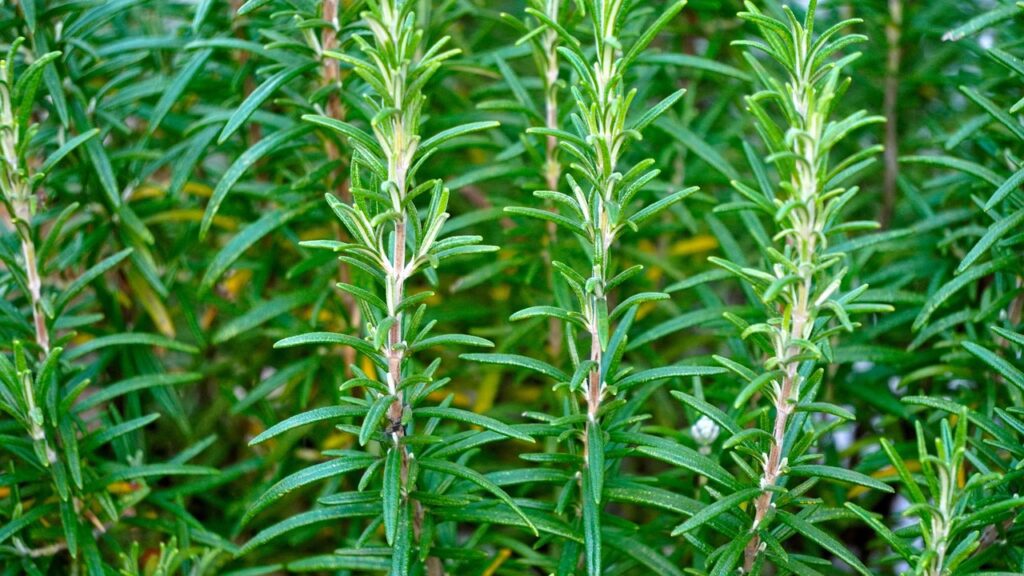
Rosemary is famously drought-tolerant, and for good reason. It evolved in coastal Mediterranean climates with dry summers and thin soils. When heat stress affects herb flavour and aroma in rosemary, the result is a deeply resinous, almost piney intensity that is far more complex than rosemary grown in rich, moist garden beds.
How to stress it: Plant in sandy or rocky soil, place in the hottest, sunniest spot in your garden, and resist the urge to water unless leaves begin to wilt. Restricted root space in a pot can also intensify flavour.
Bottom Watering Plants: The Complete Guide
4. Lavender
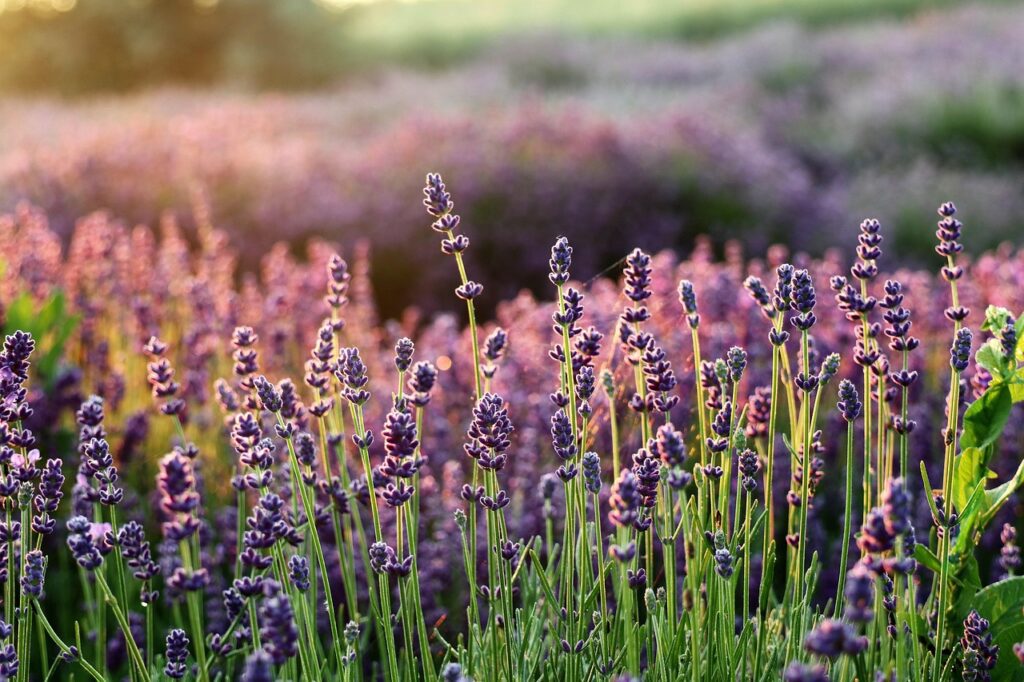
Often thought of as a garden ornamental or a fragrance plant, lavender is increasingly used in cooking, and stressed plants produce the most intensely aromatic flowers and leaves. Like thyme and rosemary, lavender originates from dry, rocky habitats and produces higher concentrations of linalool and other aromatic compounds when grown under lean conditions.
How to stress it: Lavender hates wet feet. Grow it in alkaline, well-draining soil, avoid nitrogen-heavy fertilisers, and let the soil dry out thoroughly between waterings.
Why Are My Citronella Plant Leaves Turning Yellow?
5. Sage
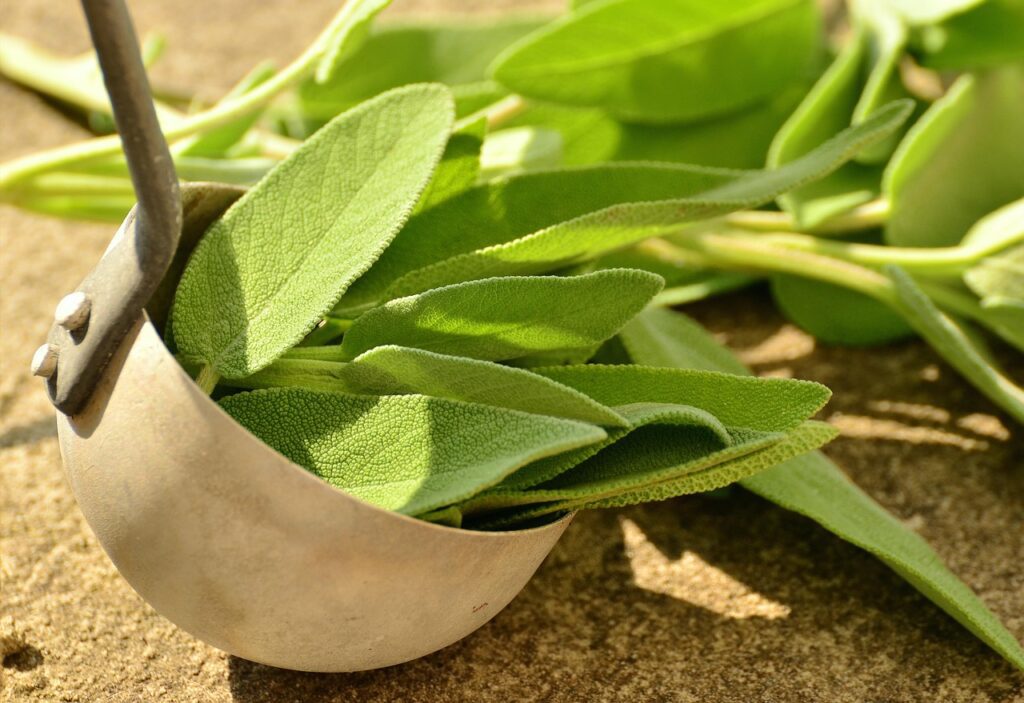
Sage is another culinary powerhouse that responds to drought stress with increased oil production. The compound thujone, which gives sage its distinctive earthy, slightly camphorous flavour, becomes more concentrated in dry, hot conditions. Gardens that provide sage with poor soil and minimal irrigation often produce leaves that are remarkably more pungent than those grown in pampered conditions.
How to stress it: Avoid heavy, moisture-retentive soils. Sage prefers a slightly alkaline pH and thrives in conditions where many other herbs would struggle. Harvest in the morning on hot, dry days for peak flavour.
6. Marjoram
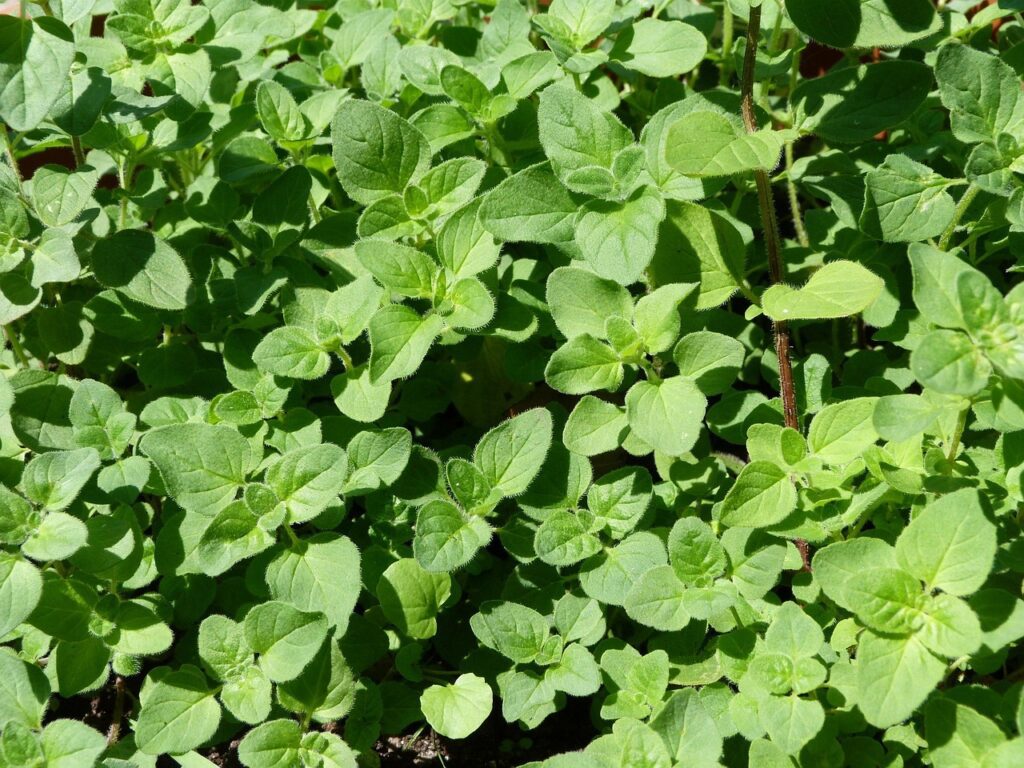
Often overshadowed by its more famous cousin oregano, marjoram actually has a sweeter, more delicate flavour profile that also intensifies with stress. When grown in poor soil and given little water, marjoram produces more essential oils and herbs intensify their flavour considerably. It is a wonderful herb for containers where you can control the lean growing conditions precisely.
How to stress it: Grow in terracotta pots with a gritty, low-nutrient mix. Water sparingly and position in full afternoon sun to draw out its sweetly aromatic oils.
7. Lemon Thyme
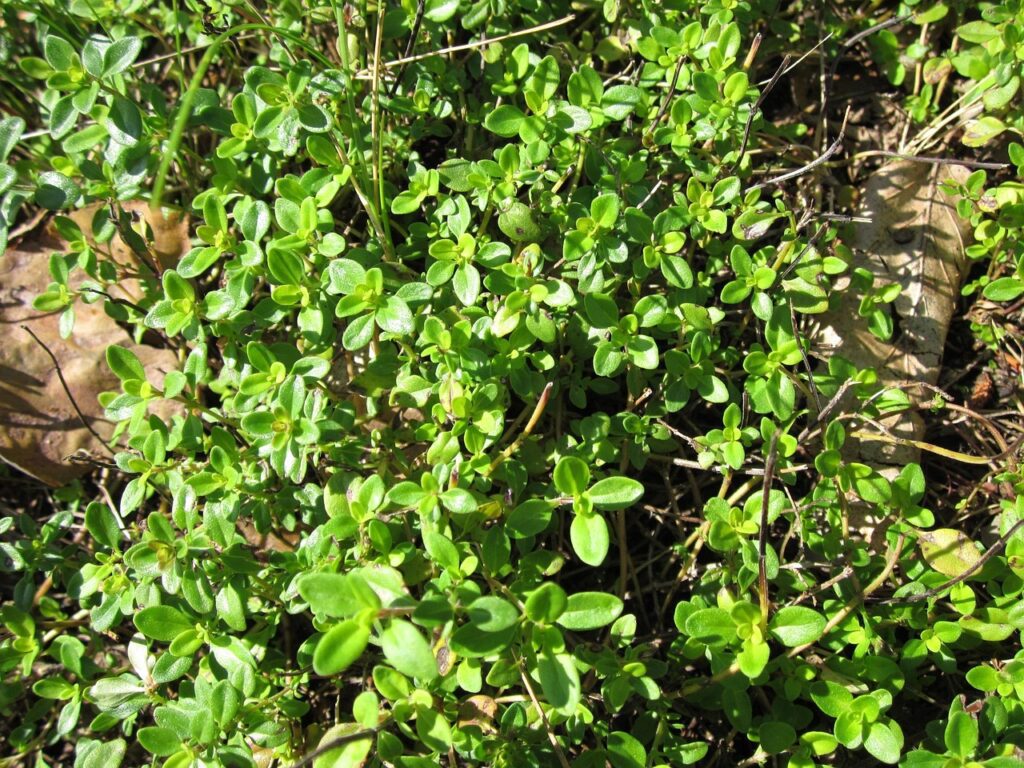
A close relative of common thyme, lemon thyme carries a beautiful citrusy fragrance that becomes far more pronounced when the plant is grown lean and dry. The lemon scent comes from geraniol and citral compounds, and just like thymol in common thyme, these volatile compounds increase noticeably under drought stress. If you have ever brushed past a pot of lemon thyme on a hot summer afternoon and been hit by that incredible citrus burst, you have experienced drought stress at work.
How to stress it: Follow the same principles as common thyme: full sun, fast-draining soil, and restrained watering. Clip regularly to encourage bushy, oil-rich new growth.
8. Winter Savory
Less well known than some of the others on this list, winter savory is a gem for the flavour-focused herb grower. It has a peppery, thyme-like flavour that is incredibly bold when the plant experiences heat and drought stress. Do herbs produce more essential oils in poor soil? Absolutely, and winter savory is one of the best examples. Grown in rich, moist ground it becomes soft and mild; grown hard and dry it becomes intense and peppery.
How to stress it: Plant in the poorest, best-draining soil you can find. This is a herb that genuinely thrives on neglect. Give it sun, give it warmth, and keep the water can well away.
Quick Guide: How to Intensify Herb Flavour at Home
Regardless of which herb you are growing, the core principles for intensifying herb flavour are the same:
- Water less. Allow soil to dry between waterings and never let Mediterranean herbs sit in wet soil.
- Use lean, gritty compost rather than rich, moisture-retentive mixes.
- Choose the sunniest spot available, as UV light is one of the main triggers for essential oil production.
- Avoid over-fertilising, especially with nitrogen-heavy feeds, which promote leafy growth at the expense of flavour compounds.
- Harvest in dry, warm conditions, ideally mid-morning just before the plant reaches full flower.
It is worth noting that stress should be managed, not extreme. Severe drought that causes wilting and die-back will harm the plant rather than help it. The goal is controlled, moderate stress that mimics the plant’s natural habitat.
10 Best Herbs to Grow in Pots at Home (Even If You Have Zero Garden Space)
Frequently Asked Questions
Why do herbs get stronger when stressed?
When herbs experience stress from drought, heat, or poor soil, they produce more volatile compounds such as essential oils, terpenes, and phenols as a survival response. These are the same compounds responsible for the herb’s flavour and fragrance, so more stress equals more flavour.
Does underwatering herbs really improve taste?
For Mediterranean herbs like thyme, oregano, rosemary, and sage, yes. These plants evolved in dry climates and naturally produce higher concentrations of essential oils when water is scarce. However, there is a balance to strike. Severe drought that causes wilting and damage will harm the plant rather than improve it.
Which herbs taste best when stressed?
The herbs that respond most noticeably to stress are thyme, oregano, rosemary, sage, lavender, marjoram, lemon thyme, and winter savory. These are all Mediterranean or Mediterranean-type herbs that naturally thrive in dry, hot, nutrient-poor conditions.
Do herbs produce more essential oils in poor soil?
Yes, for most culinary herbs that prefer lean conditions. Rich, nitrogen-heavy soil encourages vigorous leafy growth, but the flavour compounds are diluted. Poor, gritty, well-draining soil keeps the plant leaner and triggers a higher concentration of essential oils in the leaves.
When is the best time to harvest stressed herbs for maximum flavour?
The best time to harvest for peak flavour is mid-morning on a warm, dry day, just before or as the plant comes into flower. Essential oil levels are highest at this point, and the leaves will be at their most fragrant and flavourful.