Plant Propagation: A Beginner’s Guide to Growing New Plants
There is something deeply satisfying about turning one plant into many. Whether you want to fill your garden without spending a fortune, share cuttings with friends, or simply deepen your connection with the plants in your home, plant propagation is one of the most rewarding skills any gardener can learn. And the good news? It is far easier than most people think.
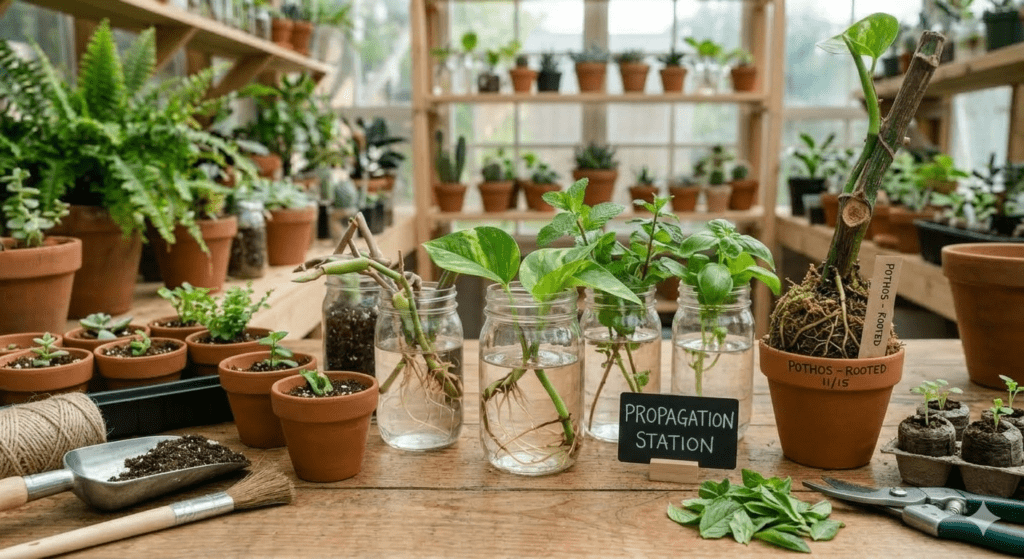
Plant propagation is the process of creating new plants from an existing one, using methods like stem cuttings, division, layering, or seeds. It sounds technical, but once you understand the basics, you will wonder why you ever bought plants at full price. This guide walks you through everything you need to know to get started, from the most beginner-friendly methods to tips for giving your new plants the best possible start in life.
5 Best Gardening light meter For Plant Care
Why Learn Plant Propagation?
Beyond the obvious cost savings, propagating plants is a way to build a deeper understanding of how plants grow and thrive. When you propagate a plant, you learn about its root system, its preferred conditions, and how it responds to stress. It is practical botany you can do at your kitchen counter.
There are a few other great reasons to give it a try:
- You can multiply expensive or rare plants you already own.
- It is a sustainable way to grow your garden without buying new stock.
- Propagated plants are genetically identical to the parent, so you know exactly what you are getting.
- It makes a thoughtful, personal gift for fellow plant lovers.
The Most Common Plant Propagation Methods
Different plants respond better to different propagation techniques. Here are the main methods you should know about, along with which types of plants they work best for.
1. Stem Cuttings
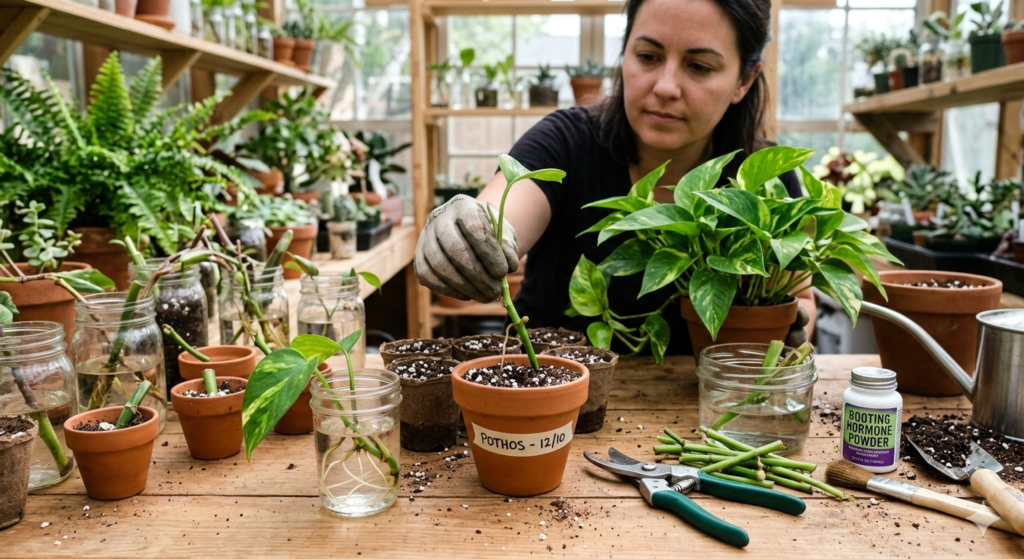
This is probably the most popular plant propagation technique, and for good reason. It is simple, reliable, and works on a huge range of plants, including pothos, philodendrons, roses, basil, and lavender.
To take a stem cutting, snip a healthy stem just below a leaf node (the point where a leaf meets the stem) using clean, sharp scissors or pruning shears. The cutting should be around 10 to 15 centimetres long and have at least two or three leaves on it. Remove the lower leaves so the bare stem can be placed in water or moist soil without the leaves rotting.
You can root stem cuttings in water or directly in a well-draining propagation mix. Water propagation lets you watch the roots develop, which is exciting for beginners. Once the roots are a few centimetres long, you can transfer the cutting to soil.
2. Leaf Cuttings
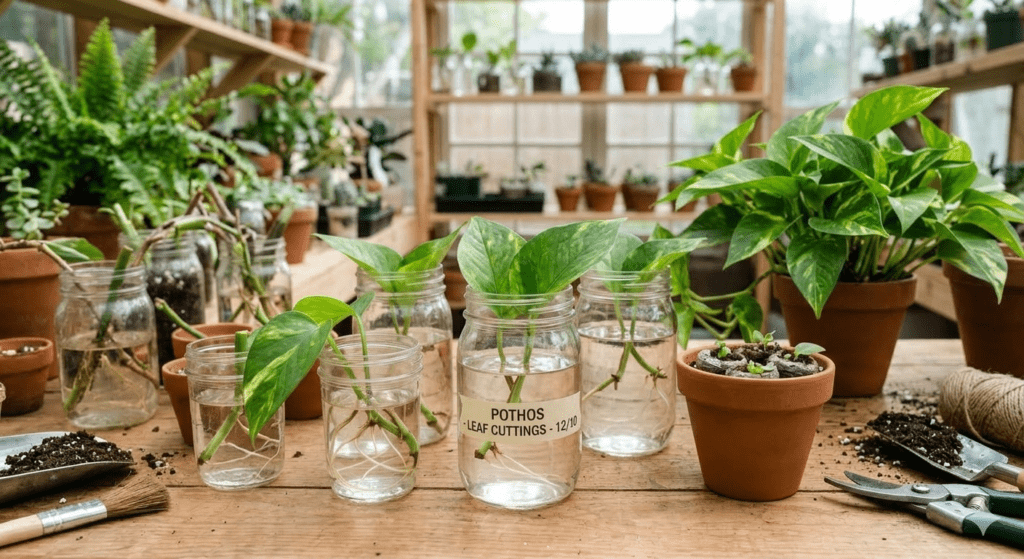
Some plants can be propagated from a single leaf. Succulents and snake plants are famous for this. With succulents, gently twist a plump, healthy leaf away from the stem so it comes off cleanly at the base, then lay it on top of dry cactus mix. Within a few weeks, tiny new plants called pups will emerge from the base of the leaf.
For snake plants, cut a leaf into sections about five centimetres long and insert them upright into moist soil, making sure you keep the sections oriented the right way up. New growth will sprout from the base of each section over the following weeks.
3. Division
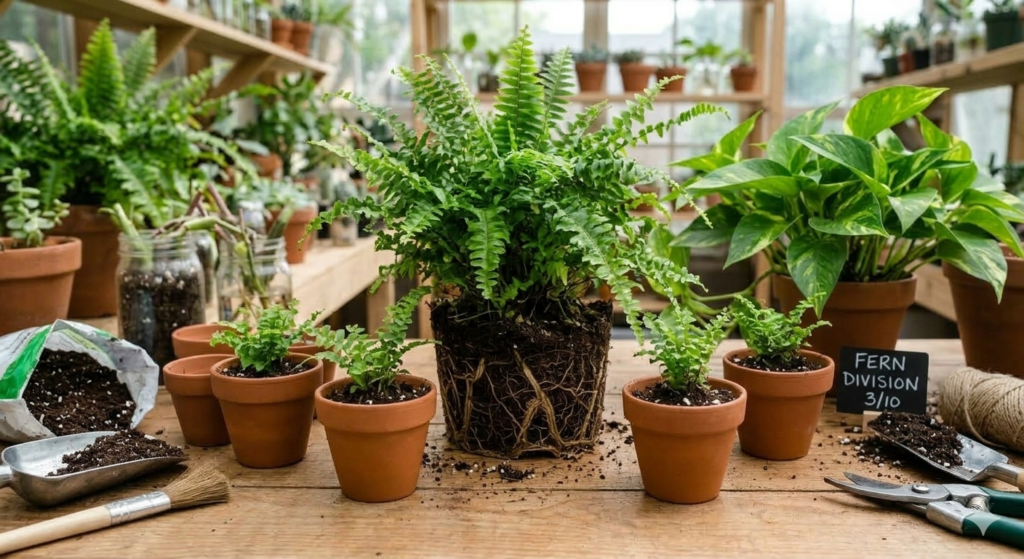
Division is the go-to method for clumping perennials like hostas, peace lilies, and ornamental grasses. It involves splitting an established plant into two or more sections, each with its own roots and shoots. This not only creates new plants but also rejuvenates an overgrown parent plant.
The best time to divide plants is in early spring or autumn when temperatures are mild. Carefully dig up the plant, shake off excess soil, and use your hands or a clean spade to separate the root clump into sections. Replant each division promptly and water well.
Growing Spider Plant Babies in Water
4. Air Layering
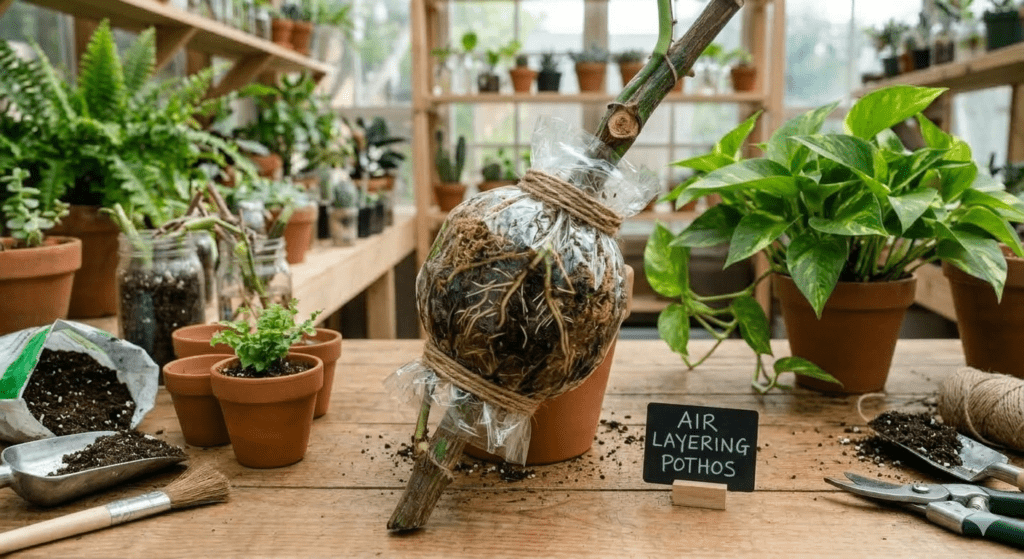
Air layering is a slightly more advanced technique that works wonderfully for larger houseplants like monsteras, rubber trees, and fiddle leaf figs. It involves encouraging roots to form on a stem while it is still attached to the parent plant, which means the new plant has a reliable food and water source while it establishes roots.
To air layer a plant, make a small wound on the stem, pack moist sphagnum moss around it, and wrap the whole thing tightly in clear plastic wrap. Once you can see a good root system developing through the plastic, cut the stem below the roots and pot up your new plant.
Tips to Make a Jade Plant Bloom
Tips for Successful Plant Propagation
Even with the right method, a few simple practices can make a big difference to your success rate.
- Use clean tools. Always sterilise your cutting tools with rubbing alcohol to prevent spreading disease between plants.
- Choose healthy parent plants. Cuttings taken from stressed or diseased plants are unlikely to root successfully.
- Keep humidity high. Many cuttings benefit from a humid environment while they are rooting. A clear plastic bag placed loosely over the cutting acts as a simple humidity dome.
- Be patient. Rooting can take anywhere from a week to several months depending on the plant and conditions. Resist the urge to tug on cuttings to check for roots.
- Timing matters. Spring and early summer are generally the best times for propagating plants from cuttings, as plants are in active growth and roots establish more quickly.
Best Plants to Propagate for Beginners
If you are just getting started with plant propagation, it helps to begin with forgiving plants that root easily. Here are some great options:
- Pothos (Epipremnum aureum) roots effortlessly in water and is nearly impossible to kill.
- Spider plant produces ready-made plantlets on long runners that can be snipped off and potted up.
- Jade plant roots easily from stem or leaf cuttings placed in dry soil.
- Mint roots so readily that a sprig from the supermarket placed in a glass of water will usually develop roots within days.
- Monstera deliciosa propagates beautifully from stem cuttings with at least one node and aerial root.
Frequently Asked Questions About Plant Propagation
How long does plant propagation take?
It depends on the plant and the method. Fast-rooting plants like pothos and mint can develop roots in as little as one to two weeks when propagated in water. Slower-growing plants like succulents may take four to eight weeks to show meaningful root development. Air layering generally takes one to three months.
Can I propagate plants without rooting hormone?
Yes, absolutely. Many plants root successfully without any rooting hormone at all, especially easy varieties like pothos, spiderworts, and herbs. Rooting hormone can improve success rates with woodier or more reluctant plants like roses or camellias, but it is far from essential for beginners.
Is it better to propagate in water or soil?
Both methods work well and each has advantages. Water propagation lets you monitor root development easily and requires no special growing medium. Soil propagation can produce stronger, more drought-tolerant roots because the plant adapts to its growing environment from the start. Many gardeners use water to initiate rooting and then transfer to soil once roots are a few centimetres long.
What is the easiest plant to propagate for beginners?
Pothos is widely considered the easiest houseplant to propagate. It roots quickly in water, tolerates low light, and is very forgiving if you make mistakes. Spider plants and mint are also excellent choices for first-time propagators because they are vigorous and root with minimal effort.
When is the best time of year to propagate plants?
Spring and early summer are generally the best seasons for most types of vegetative propagation. Plants are actively growing during this period, which means they respond more readily to propagation and roots establish more quickly. That said, many tropical houseplants can be propagated successfully year-round as long as they are kept warm and in good light.